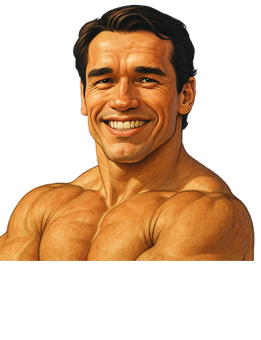
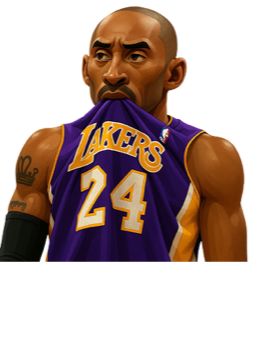
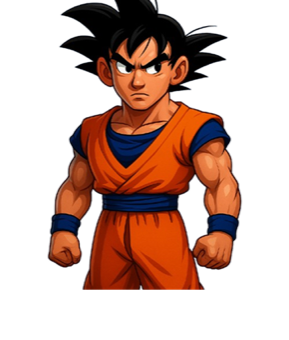
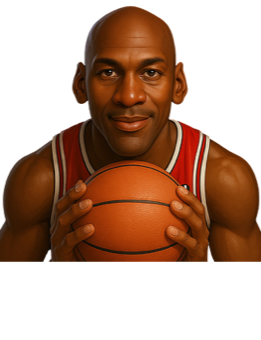
How to Train Like an Athlete (Even If You're Not One)
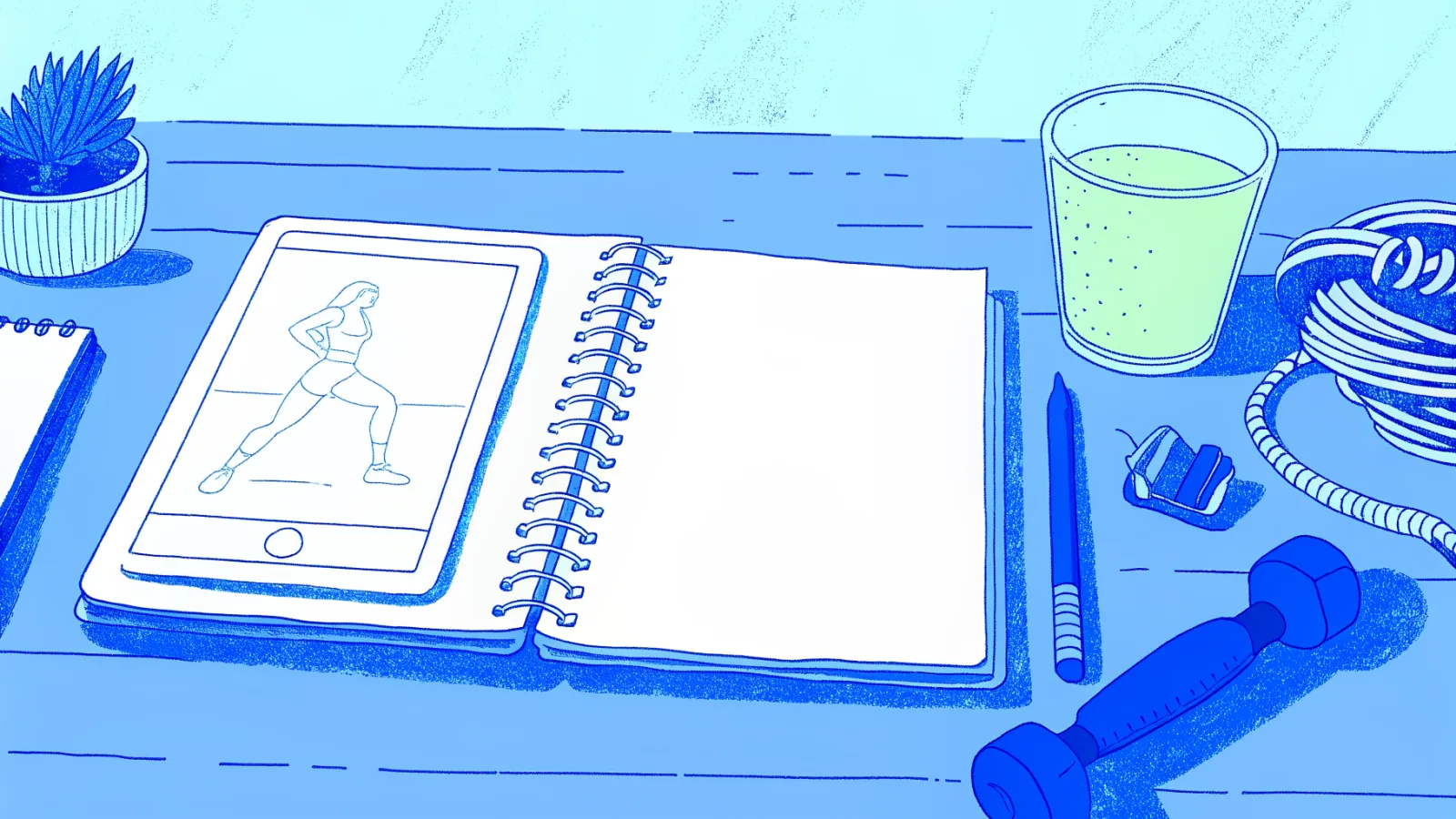
Showing up isn’t enough. If your weights haven’t changed in months, the problem isn’t effort, it’s the absence of a plan, and here’s exactly what that’s costing you.
Six months of regular attendance. Same 35-lb dumbbells. Same three machines. Same body.
The common assumption among beginner lifters is that effort plus time equals results; if they keep showing up and pushing hard, their body will eventually figure it out. That assumption is an architecture problem, and it is far more common than most people realize.

Industry research consistently finds that the majority of gym members do not meet recommended physical activity guidelines, so most people who show up regularly are still not training with enough structure or intensity to move the needle. Attendance is a necessary condition for progress, but nowhere close to a sufficient one. The gym counts your visits. Your body counts your stimuli. See our AI fitness app for how this works in practice.
The physiology here is blunt. The Specific Adaptation to Imposed Demands (SAID) principle holds that the body adapts precisely to the stress placed on it, and then stops adapting once that stress becomes familiar. Press the same 35-lb dumbbells for six months and your nervous system files it under “handled.” No new demand, no new signal, no new muscle. Repeated exposure without progression is maintenance at best, stagnation at worst.
Repeated exposure without progression is not training, it is maintenance at best, stagnation at worst.
Training like an athlete means shifting the question from “how do I look?” to “how do I perform?” Performance goals demand measurable outputs: faster, heavier, more explosive. Those outputs require a plan that tracks and adjusts. Aesthetics goals, framed vaguely, let you wander.
Studies on gym retention consistently find that a large share of new members drop out within the first six months, and the dropout pattern almost always starts the same way: no visible progress, no clear next step, no reason to return. According to Gitnux (2026), about 50% of those who start exercising regularly drop out within the first 6-12 months. A structured plan built around performance closes that gap before it opens.
Effort without a system has a ceiling, and you hit it faster than you think.
Key takeaways
- Showing up consistently without a structured plan doesn't build a better body, it builds a habit of spinning at the same weights, on the same machines, getting the same results month after month.
- The gap between effort and results isn't willpower or genetics, it's architecture: most beginners are missing the four structural pillars every athletic program is built on (power, multi-directional strength, conditioning, and mobility).
- Traditional gym programs train one plane of movement out of three, leaving the frontal and transverse planes undertrained, unstable, and quietly accumulating injury risk.
- Sprint work and explosive training aren't extras, they develop the stretch-shortening cycle that separates athletes from people who merely lift, and most gym programs never touch them.
- Protein intake is the nutrition variable most gym-goers never actually measure; athletes and highly active individuals need 1.2-2.0 grams per kilogram of bodyweight daily to support the training they're already doing.
- A static program fails the moment you get stronger, it doesn't adjust load, pace, or structure to match where you actually are.
- GetFit AI's Athlete-Style Custom Workout Plans close that loop: build a plan around your own goals and equipment, or train in the style of an AI athlete or trainer, and the plan adapts as you get stronger.
What Planless Training Actually Costs You in the Mirror and in the Gym
Planless training doesn’t just fail to help. It actively works against you, stacking three compounding costs most beginners never see coming until they’ve already quit.

The Nutrition Blind Spot Planless Lifters Always Miss
Beginners we work with through GetFit AI consistently say the same thing: “Tell me what to eat to actually put on size or lean out.” That question doesn’t get answered by the gym floor. Without a nutrition plan tied to a training program, most beginners have no framework for what to eat or how much, a gap NHS Strength Athletics identifies as the reason weeks or months of gym effort fail to produce visible physical changes.
Mid-Workout Confusion - Why Beginner Lifters Without a Plan Quit Before the Session Ends
Walking in without a plan means making every decision mid-session: which exercise comes next, how heavy to go, how long to rest. That guesswork is where many beginners give up before the session ends. GetFit AI’s Structured Training removes that friction during each workout session, giving beginners a clear sequence to follow from the moment they walk in.
Why Most Beginner Lifters Quit by Week Three (and How a Plan Stops It)
Most planless trainees abandon their routine within the first few weeks, before any measurable adaptation has had time to take hold. What keeps people coming back past that point is accountability to other people, and GetFit AI builds that pull in through:
-
Friends, challenges, and leaderboards that continuously keep users training past week three
-
Shared accountability that converts good intentions into a streak, most powerful when friends or a workout partner are also using GetFit AI
For those ready to commit, GetFit AI’s Premium plans make the full structure accessible: Premium Weekly at $1.99/week, Premium Monthly at $4.99/month, or Premium Yearly at $49.99/year for the best long-term value.
Related Reading
- Why Am I Not Getting Faster at Running
- Does Masturbation Affect Athletic Performance
- Biomechanics in Sports
- Why is Protein Important for Athletes
- What is Speed and Agility Training
- How to Be a Better Athlete
- How Does Sports Psychology Help Athletes
- Why is Hydration Important for Athletes
- Why Do Athletes Train at High Altitudes
- Why Do Athletes Stretch Before a Game?
- IV Therapy for Athletic Performance and Recovery
- Yoga and Athletic Performance
- Red Light Therapy for Athletic Performance
The Four Pillars Every Athletic Training Program Is Built On
Every athletic training program is built on four pillars: power and explosiveness, multi-directional strength, speed and conditioning, and mobility and durability. Those pillars aren’t abstract principles; they’re the same structural logic an NFL skill-position player operates on every week. His schedule rotates through distinct sessions, each one serving a specific physical purpose, so that by game day every energy system is primed and no movement pattern has been neglected. That architecture is the actual competitive advantage.
One of the most common traps beginners fall into is confusing being busy with actually improving. Athletes juggling back-to-back games, training blocks, and weekend sessions often have plenty of activity on the calendar but no structured plan tying it together. Busyness without architecture is accumulated fatigue. The other failure mode is using tools that only track one pillar, logging a conditioning run while the strength and power work goes completely unaccounted for, which creates a dangerously incomplete picture of real training load. GetFit AI’s Athlete-Style Custom Workout Plans are built to solve both problems, mapping all four pillars across your week from the very first session so that no pillar quietly disappears while you’re busy living life.
1. Power & Explosiveness - Training the Body to Generate Force in Milliseconds
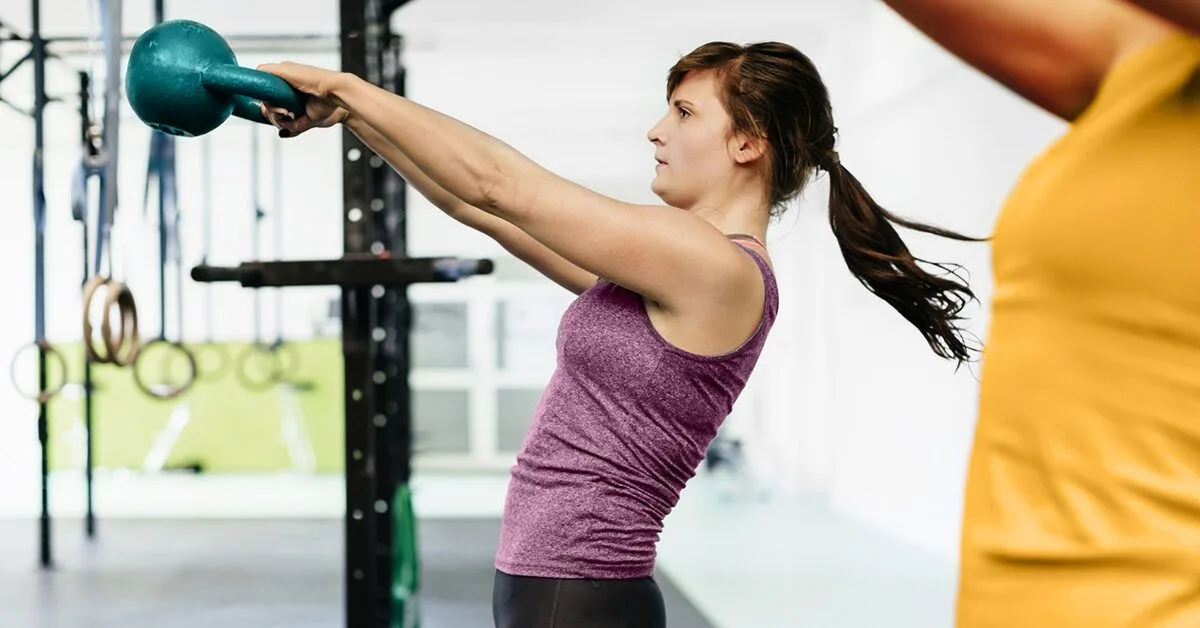
This pillar is about how fast your muscles fire, not just how much they can lift. Movements like box jumps, medicine ball slams, and hang snatches train your nervous system to produce force quickly, which is what creates the “athletic” look and feel most gym-goers never develop. The honest trade-off: these movements require full nervous system recovery, so they only work when placed first in a session, before fatigue accumulates.
2. Multi-Directional Strength - Building Force Across All 360 Degrees of Motion
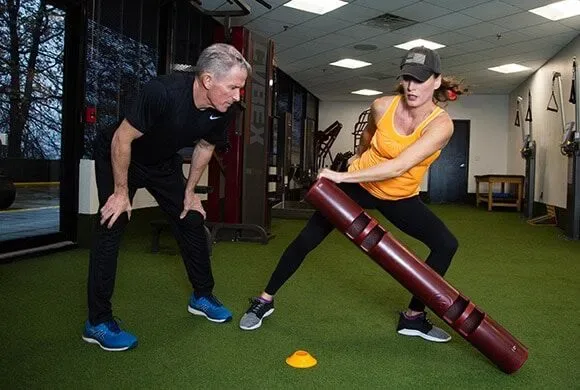
Traditional lifting moves up and down. Athletes generate and absorb force in every direction. Exercises like lateral lunges, Bulgarian split squats, and landmine rotations build the hip stability and rotational control that bilateral squats cannot replicate. Training that never leaves the sagittal plane builds strength that only works in one direction, a fragile foundation for any real movement.
3. Speed & Conditioning - Developing the Engine That Sustains Athletic Output
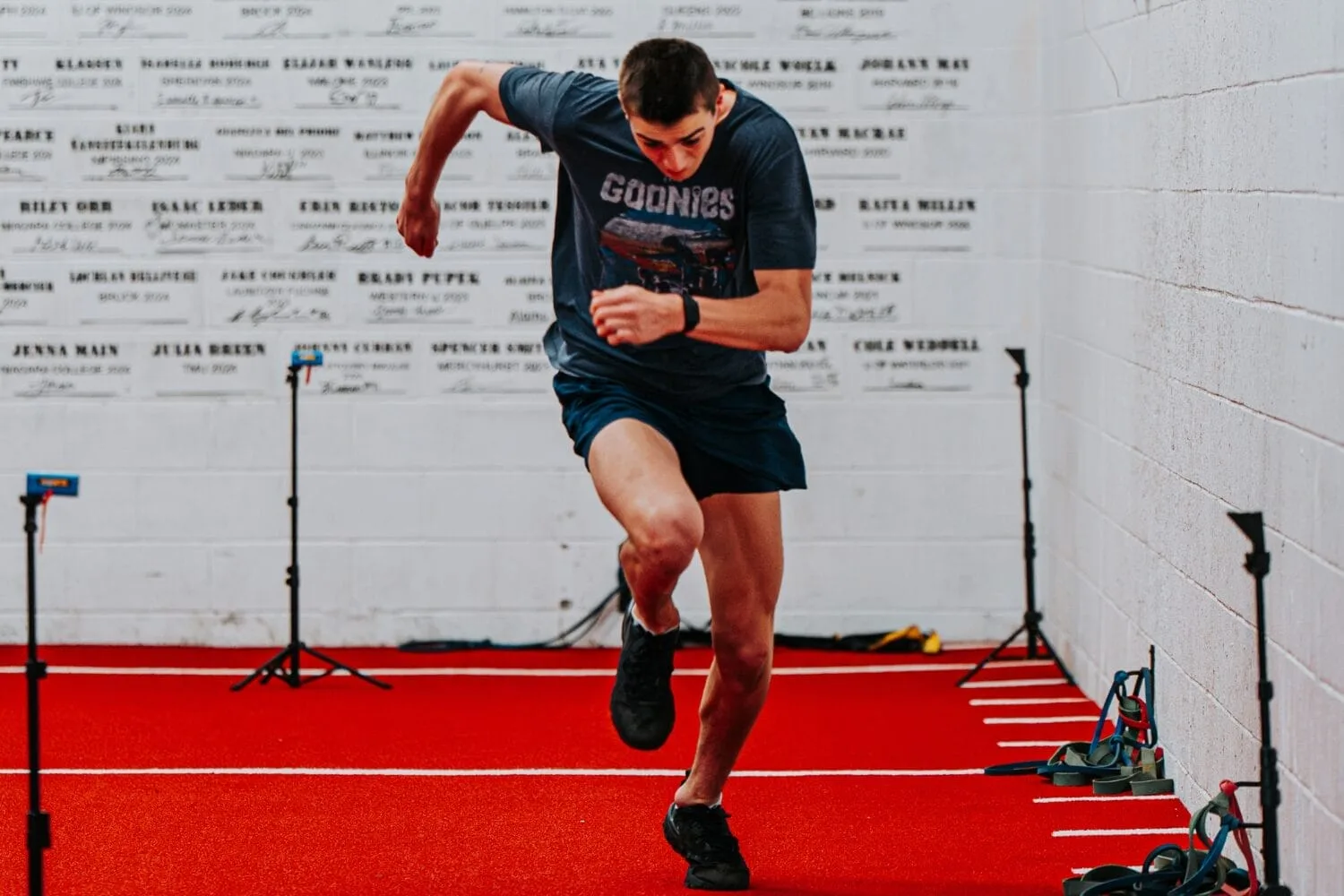
Conditioning is not cardio for its own sake. It is the system that lets every other pillar function under fatigue. The key constraint, backed by concurrent training research, is volume: too much conditioning work compresses recovery and directly suppresses power adaptations.
Sprints with full rest intervals, rather than endless steady-state sessions, are how athletes build an engine without draining the tank they need for strength work. This is where hybrid athletes, those combining strength and endurance work, run into the most trouble: their tracking tools account for the miles logged but ignore the resistance training entirely, leaving them blind to their true cumulative load. GetFit AI’s structured plans account for every pillar in the weekly rotation, including the ones that are harder to count.
4. Mobility & Durability - The Pillar That Keeps Every Other Pillar Functioning
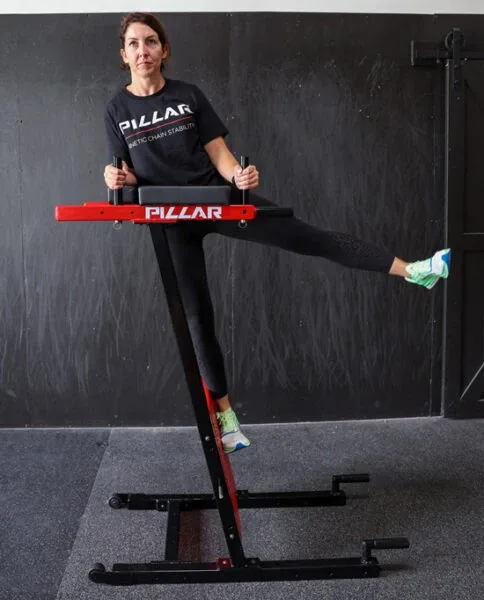
Skipping this pillar does not feel costly until it suddenly is. Drills like the thoracic windmill and lateral squat unlock the range of motion that power and strength training demand. Athletes who skip mobility work consistently report overuse injuries that sideline them for weeks, erasing months of progress. This is structural maintenance that keeps the other three pillars accessible.
The problem most beginners face is a lack of any map showing which pillar each exercise serves or how to rotate all four across a week. This is especially acute for anyone who has previously struggled with consistency because of missing program structure, not missing motivation.
Without knowing which pillar you’re training or why, the plan collapses quietly and you never quite understand what went wrong. GetFit AI’s Athlete-Style Custom Workout Plans address this directly, building the full four-pillar architecture from day one and adjusting emphasis as you get stronger, so you are never accidentally camping in one pillar for months while wondering why results are not coming. Pair the training structure with GetFit AI Nutrition, guidance on what to eat and a built-in way to track it, and you close the second gap that derails most beginners: training hard but fueling inconsistently.
If you’re ready to start, GetFit AI offers plans at:
-
A Premium Weekly Subscription for $1.99
-
A Premium Monthly Subscription for $4.99
-
A Premium Yearly Subscription for $49.99
So the barrier to having a real structure in place is as low as it gets. Independent reviewers evaluating the best online workout programs consistently flag structured programming and progressive overload as the variables that separate platforms that produce results from ones that don’t, which is exactly the logic the four-pillar framework is built on. Volume management within that structure matters too: research on protocols like 6-12-25 reinforces that how you sequence and dose work across a session determines whether you’re building adaptation or accumulating fatigue.
The four pillars give you the skeleton. But knowing they exist and knowing how to actually train the first one are two very different things. The pillar most gym-goers never touch, and the one that creates the most visible athletic edge fastest, is where we go next: power and explosiveness.
Power and Explosiveness Training Builds the Athletic Edge Most Gym-Goers Never Develop
Explosive power depends on a rapid load-and-release sequence in the muscles and tendons. That sequence is a distinct physical quality, one that responds only to training that actually demands it, and pogo hops are the most accessible entry point for developing it.
“Many gym-goers rely on structured weight training yet still lack the natural explosiveness that some athletes develop without it, highlighting a gap between gym effort and true athletic power.”
— what we hear from fitness & strength training enthusiasts

Older athletes feel this gap even more acutely: fast-twitch muscle capacity declines with age, and without training that specifically targets it, that erosion is silent and steady.
Explosive power is built through the stretch-shortening cycle (SSC), a spring-like mechanism where a muscle-tendon unit stores elastic energy during a rapid lengthening phase and releases it immediately during the shortening phase, producing more force than a purely slow contraction ever could. The Achilles tendon and calf complex are the primary site where this elasticity develops, which is exactly why Applied Sciences (MDPI), ‘Influence of Ankle Joint Mobility on Stretch-Shortening Cycle Contribution in Vertical Jump Performance’ identifies restricted ankle mobility as a direct limiter of SSC contribution during vertical jumping. Pogo hops, with ground contact under 250 milliseconds, specifically train reactive tendon stiffness and neuromuscular pre-activation, making them the safest, most direct entry point for beginner athletic power development.
Two sets of 10 pogo hops, focused on minimal ground contact and maximum rebound height, build the reactive foundation before anything heavier begins, and that foundation is what makes every subsequent movement in the session more effective.
Why Explosive Exercises Must Come First in Your Session
High-threshold motor units, the fast-twitch fibers responsible for explosive output, degrade in recruitment capacity the moment fatigue accumulates. Placing explosive work first, before any significant metabolic load has built up, ensures those fibers are available at full capacity when they are needed most.
The correct order is pogo hops first, then box jumps (3 sets of 5, full recovery between sets), then medicine ball slams, then dumbbell snatches. The dumbbell snatch earns its place here because it replicates the hip-extension power of Olympic lifting without the barbell technique barrier, making it genuinely accessible for beginners while still demanding full-body coordination under load.
The Sequencing Logic That Turns Random Explosive Work Into a System
Arrange every session from the movement that demands the most from the nervous system to the movement that accumulates the most metabolic fatigue, and the cumulative effect across weeks becomes far greater than any single exercise could produce alone.
GetFit AI’s Athlete-Style Custom Workout Plans are most beneficial when you have a clear athletic role model and a specific performance goal, because the plan is built around that target from session one, not assembled on the fly when the nervous system is already compromised.
If the gym is packed and a piece of equipment is taken, GetFit AI can swap an exercise on the fly, preserving the session’s stimulus without unraveling its structure.
Multi-Directional Strength Training Fixes the Imbalances That Derail Non-Athletes
Most gym programs train almost entirely in one plane of motion, the sagittal plane. Your body actually moves through three planes, and the other two, frontal and transverse, stay undertrained, unstable, and quietly accumulating injury risk every week you ignore them.
Your Body Moves in Three Planes and Traditional Gym Programs Only Train One
Three planes govern every athletic movement: sagittal (forward and backward), frontal (side to side), and transverse (rotational). Most conventional programs load the sagittal plane almost exclusively through squats, deadlifts, and presses, while the frontal and transverse planes receive almost no deliberate stimulus, which is exactly why a lifter can add 40 pounds to their squat and still tweak a hip the first time they cut sideways on a sports field.
Recreational runners and everyday gym-goers routinely develop weak descending strength, poor glute firing, and ankle instability, the kind of imbalances that accumulate quietly across months of single-plane training and eventually derail progress entirely.
Research published in the Journal of Human Kinetics, Beato, Young, Stiff & Coratella found that inter-limb asymmetry in knee-flexor and knee-extensor strength is systematically present even in professional soccer players, demonstrating that high training volume and experience do not automatically eliminate side-to-side imbalances without targeted programming. Anterior-posterior strength ratios differ significantly across competition levels, confirming that muscle imbalances are not a beginner problem that effort eventually solves. They are a structural deficit that accumulates silently, and they only widen without deliberate correction.
Unilateral Exercises Expose the Imbalances Bilateral Lifts Hide
Unilateral exercises train one side at a time, which surfaces the asymmetries that bilateral lifts routinely mask. GetFit AI’s plan places reverse lunges and single-leg deadlifts inside the strength block automatically, with prescribed loads that adapt as the weaker side catches up, so the program advances with you rather than leaving you behind, surfacing the asymmetries that bilateral lifts routinely mask.
Rotation and Anti-Rotation Work Is Where Athletic Strength Becomes Sport-Ready
Transverse-plane training is where raw strength translates into movement that actually holds up under real-world demands. Landmine rotations, cable chops, and split-stance rows train the transverse plane, the plane that almost every sport actually operates in, building the rotational power and stability that sagittal-dominant programs never develop.
GetFit AI’s structured training approach embeds all three planes across the program arc, not as an afterthought, but as a core architectural decision that ensures strength built in the gym transfers directly to the demands placed on your body outside it.
Related Reading
- Athletic Performance Analysis
- Does Vaping Affect Athletic Performance
- How to Avoid Feeling Sleepy After Workout
- How Does Sleep Affect Athletic Performance
- How to Measure Athleticism
- Velocity Based Training
- Building Stamina and Endurance
- Why Am I So Bad at Sports
- Endurance vs Strength Training
- Why Am I So Tired After Working Out
- How to Create a Personalized Workout Plan
Speed and Conditioning Work Is the Athletic Training Element Most Gym Programs Completely Ignore
Sprinting at full effort is a nervous system event, not just a cardiovascular one. Each maximal sprint draws almost entirely from the phosphocreatine (ATP-PCr) energy system, which requires several minutes of full recovery to meaningfully replenish. Rest-interval research consistently shows that cutting the phosphocreatine replenishment window short causes a progressive decline in power output across reps, so later efforts become a different, lower-quality stimulus than the first.

The Aerobic Base as Your Recovery Engine
A stronger aerobic base raises the ceiling on how quickly the body clears lactate and restores readiness between hard intervals. That said, aerobic fitness alone is not sufficient for sport performance. Athletes can log respectable aerobic mileage and still gas out mid-match, because the repeated-sprint demand of stop-start sport taxes the phosphocreatine and neuromuscular systems in ways that a 30-minute jog simply doesn’t train. Research on repeated-sprint physiology confirms that sport-specific conditioning requires sport-specific energy system targeting, not just a strong aerobic floor.
Where Speed and Conditioning Sessions Fit in a Beginner’s Weekly Schedule
For a beginner, a defensible starting structure includes a few strength days, one dedicated sprint session with full recovery between each rep, and one or two easy aerobic base sessions per week, with at least one full rest day between the sprint day and any heavy lower-body strength work. That structure is most valuable for athletes who have previously struggled with consistency due to lack of program direction, and it compounds further when a training partner is in the mix: GetFit AI’s friends, challenges, and leaderboards features are most beneficial when at least one friend or workout partner is also using the app, adding the accountability layer that keeps training on track past week three.
Mobility and Durability Work Is the Warm-Up Athletes Never Skip and Beginners Always Do
According to a 2024 Scopus study on weightlifting injury characteristics, inadequate joint preparation before lifting is directly linked to the most common injury sites in the sport: the hip and lower back.
Your nervous system will not produce force through a range of motion it has never been asked to move through, and the same 2024 Scopus weightlifting injury research confirms that chronic injuries accumulate precisely when training stress is not offset by deliberate joint preparation. Research on dynamic warm-up protocols consistently shows that movement-based preparation outperforms static stretching before lifting: dynamic drills improve power output and joint range simultaneously, while passive holds before a heavy set can temporarily reduce force production, a finding replicated across multiple controlled warm-up protocol studies, including a 2021 Taylor & Francis review on warm-up and performance and the Scopus-indexed weightlifting injury characteristics study cited earlier in this section.
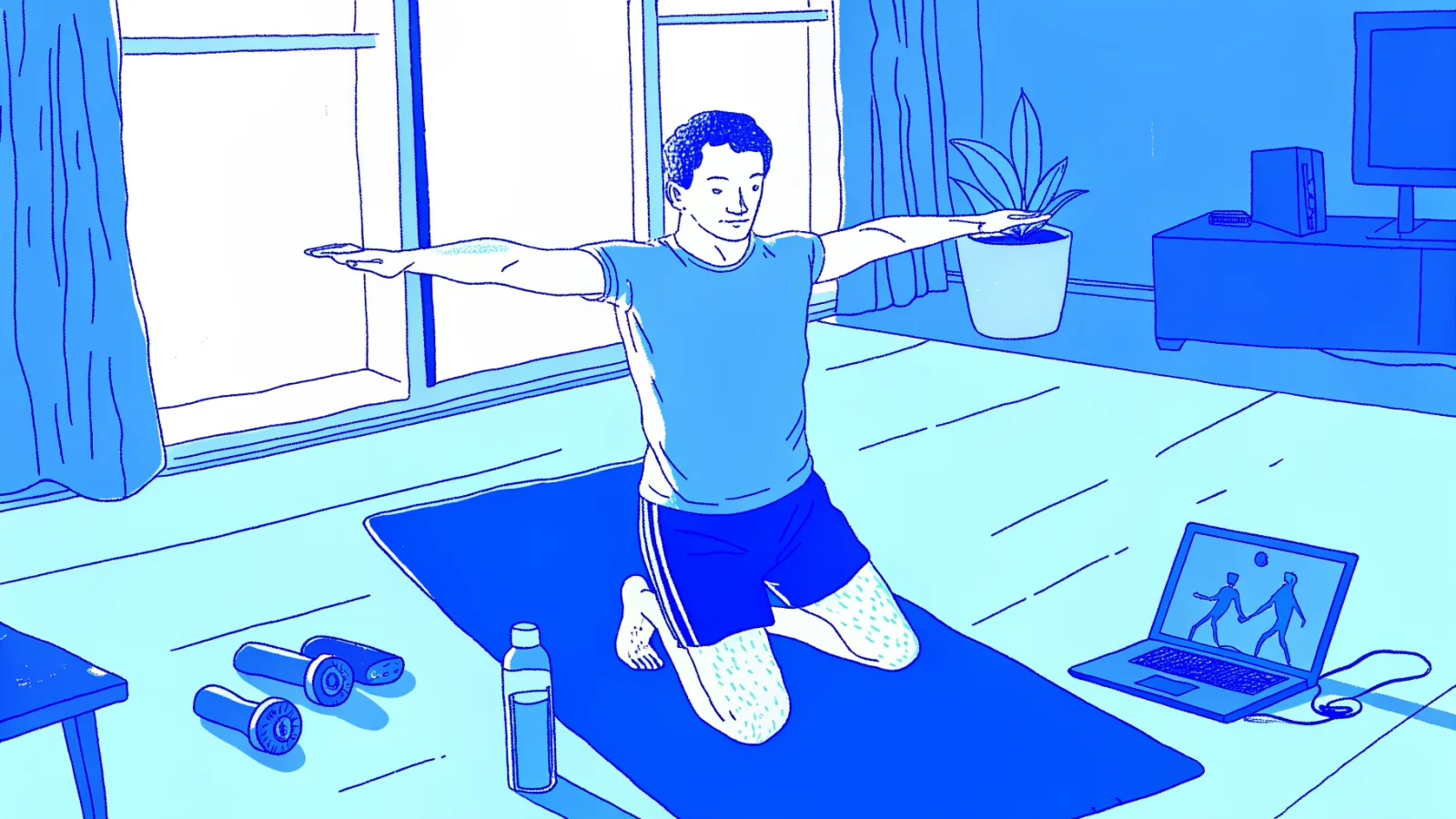
Spider-Man lunges and lateral squats open the hip and thoracic spine simultaneously, which is exactly what compound lifts demand. To perform a Spider-Man lunge: step your right foot outside your right hand from a push-up position, drop your left knee gently to the floor, and rotate your right elbow toward the ground.
Many of the beginners we work with at GetFit AI arrive having already put in weeks of training effort, only to find the results stall because the training never connected to their eating.
With plans starting at $1.99 per week, the structure that protects your joints and finally makes the training show up in the mirror costs less per day than a post-workout snack.
Nutrition and Fueling for Athletic Performance Close the Gap Between Gym Work and Mirror Results
According to the American Sport and Fitness Association, athletes and highly active individuals need 1.2 to 2.0 grams of protein per kilogram of bodyweight daily to support muscle repair and visible physique change. Training and nutrition form a single integrated system, and disconnecting them is the hidden reason most gym-goers see no mirror changes despite months of effort.
Macro emphasis and total caloric intake that worked at 25 may quietly stop working at 35 or 45 as the body’s anabolic sensitivity, hormonal environment, and recovery capacity adapt across years of training.
Why Months of Hard Training Disappear Without a Protein and Calorie Target
The American Sport and Fitness Association is direct on this point: protein intake must be matched to training demands, because training stimulus alone is insufficient to drive muscle growth and visible physique changes. GetFit AI addresses this directly: its Athlete-Style Custom Workout Plans are paired with nutrition guidance calibrated to your specific goal at onboarding; protein targets and calorie ranges are established immediately rather than discovered over months of trial and error.
How Athletes Time Carbohydrates Around Sessions to Fuel Output and Accelerate Recovery
The American Sport and Fitness Association notes that consuming carbohydrates before and after exercise supports energy availability and recovery, so nutrition functions as an active part of the training system rather than an afterthought.
GetFit AI pairs workout plans with nutrition guidance calibrated to your specific goal, so protein targets and calorie ranges are set at onboarding rather than figured out over months of trial and error, consistent with the approach recommended by the American Sport and Fitness Association, which emphasizes that nutrition targets must be established alongside a training program. Structured training within GetFit AI delivers this integration from the first workout session and sustains it across the full program arc, so the nutritional framework and the training stimulus evolve together.
GetFit AI is available as a Premium Weekly Subscription at $1.99 per week, a Premium Monthly Subscription at $4.99 per month, or a Premium Yearly Subscription at $49.99 per year, making structured, nutrition-integrated training accessible at whichever commitment level suits where you are right now.
Knowing what to eat and when is the fifth pillar that makes the other four pay off.
Related Reading
- How to Deal With Performance Anxiety in Sports
- Hydration Tips for Athletes
- How to Build Mental Toughness in Athletes
- Food for Athletes During Competition
- Strength Training Workout for Runners
- Best Plyometric Exercises for Speed
- Exercises That Improve Muscular Endurance
- Conditioning Workouts for Athletes
- Speed Training for Athletes
- Balance Exercises for Athletes
- Best Core Exercises for Athletes
How a Personalized Athlete-Style Training Plan Solves What Static Programs Never Can
The sticking points that remain follow a pattern: the plan does not adjust when you do, the session leaves you guessing at the right load or pace, and the structure that worked in week one quietly stops working by week eight. A four-pillar framework built without adaptation logic runs into these three barriers every time, because the plan cannot see how you actually performed last week.
A framework tells you that progressive overload matters; it does not tell you to add five pounds to your Romanian deadlift this week because last week’s sets felt controlled. Research published in the Journal of Strength and Conditioning Research found that autoregulated, adaptive programs produced significantly greater strength gains than fixed-load programs, precisely because they respond to how the athlete actually performed rather than what a static schedule assumed they would.
The third barrier is the 7:14 AM moment: you are mid-set, unsure whether your single-leg deadlift depth is right, the one person who looked experienced just walked out, and you either guess or cut the set short. That moment, repeated enough times, is why studies on exercise adherence consistently show a large share of new gym-goers quit within the first few months. It is also the barrier a static plan is least equipped to address.
How Training in an Athlete’s Style Keeps You Consistent When Generic Plans Stop Working
Goal-only framing collapses the moment progress slows, because the goal feels distant and the effort feels immediate. Psychology research on role-model identification shows that athletes who anchor training to a specific athletic identity maintain effort longer than those motivated by outcome targets alone, making identity a more durable foundation than outcome alone.
Two Routes to a Plan That Adapts When You Get Stronger
An AI fitness app like GetFit AI closes the gap with two entry points:
-
Build a custom plan around your own goals and available equipment.
-
Step into the training style of an athlete you want to train like, with the plan built around your current fitness level.
A user training at home who selects an athlete training style receives a plan scoped to their available equipment and current fitness level rather than a one-size-fits-all template, an approach that is most powerful when paired with a clear performance or physique goal to anchor each session to.
GetFit AI is built for people who want AI-guided structure, not a human coach relationship.
Next steps
If you have been showing up consistently but the mirror and the barbell have not moved, the path forward starts with accepting that effort without structure is not a training plan. It is expensive repetition. Start with our AI fitness app.
Explosive work degrades the moment fatigue accumulates, which means every box jump you tag onto the end of a depleted session is training your nervous system to move slower, not faster. And because protein intake must be matched to training demands before the body can convert a stimulus into visible muscle, a gym-goer who trains hard but eats without a framework is running a system with a permanent gap in it. Those two facts point to the same corrective action: a plan that sequences your sessions correctly and pairs the training with a nutritional framework from day one, not month three.
Start with GetFit to get an athlete-style plan built around your goals and available equipment. Your protein targets and session order are set before your first workout, so you walk in knowing exactly what to do and why.
Frequently Asked Questions
Why do explosive movements like box jumps have to come first in a workout?
High-threshold motor units, the fast-twitch fibers responsible for explosive output, degrade in recruitment capacity the moment fatigue accumulates. Doing box jumps after squats means you’re training a tired nervous system to move slowly, reinforcing exactly the neuromuscular pattern you’re trying to overwrite. The correct order is pogo hops first, then box jumps, then medicine ball slams, then dumbbell snatches.
I do squats and lunges regularly, isn’t that enough to build athletic power?
No. Slow, controlled squats and lunges train strength from a dead stop but never teach the body to store elastic energy in a tendon, reverse direction instantly, and release it as explosive output, that’s a distinct physical quality called the stretch-shortening cycle. Strength and power are genuinely different qualities that require genuinely different stimuli, which is why the post treats them as separate pillars.
What’s the point of single-leg exercises like Bulgarian split squats if I’m already doing regular squats?
Traditional bilateral squats only move in one direction, but athletes generate and absorb force in every direction. Exercises like lateral lunges and Bulgarian split squats build the hip stability and rotational control that bilateral squats simply cannot replicate, giving you a more complete and durable athletic foundation.
Does what I eat actually matter if I’m training hard and consistently showing up?
Yes, calories and protein targets are Training stimulus alone is insufficient to drive muscle growth and visible physique changes, so protein and calorie targets need to be matched to your training demands rather than treated as optional extras you add later. Without a nutrition plan tied to your training program, weeks or months of gym effort can fail to produce any visible physical changes.
What does it actually mean to “train like an athlete”, isn’t that just for pros?
The post defines training like an athlete as shifting the question from “how do I look?” to “how do I perform?”, which means building a structured plan around measurable outputs like lifting heavier, moving faster, or becoming more explosive, rather than vague aesthetics goals that let you wander. The four-pillar framework of power, multi-directional strength, conditioning, and mobility is the same structural logic a professional athlete operates on every week, and it’s designed to be accessible from day one.