What Is Speed and Agility Training for Athletes of All Levels


Most beginners copy random drills and quit before their body ever adapts. Here is the framework that actually builds speed, agility, and the neuromuscular foundation every other training depends on.
The common assumption among most high-school lifters, ages 15-18 and brand new to the gym, is “I just need to keep doing more drills, eventually my body will adapt and the speed will come.” That belief gets it exactly backwards. Speed and agility training is the foundational skill set that teaches your body how to accelerate, decelerate, and change direction under control, and building those neuromuscular patterns early makes every other training you do more effective, not less.
The problem is that most beginners skip the foundation entirely. They copy ladder drills and cone work from TikTok, get random results, and quit before their body ever adapts. One 2016 study found that 63% of new fitness-center members abandoned their activities before the third month, with fewer than 4% still training consistently after a year.
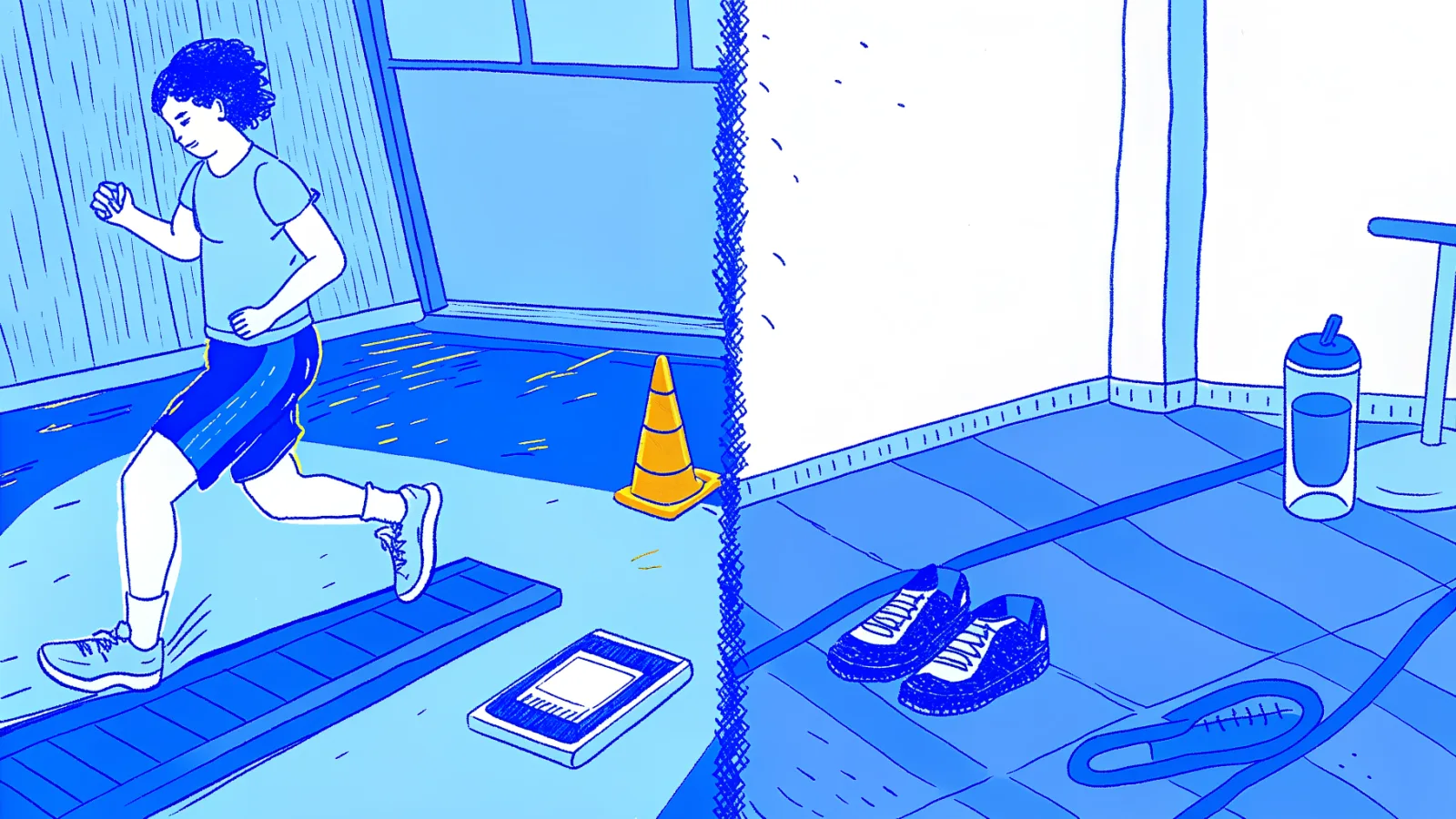
Structure is what separates the ones who stick around.
See our AI fitness app for how this works in practice.
Speed training and agility training are related but distinct, and collapsing them into one idea is where most beginners go wrong. Speed training targets your ability to produce force quickly in a straight line, acceleration from a standstill toward top velocity, driven by fast-twitch muscle fibers. Agility training targets your ability to control that momentum and redirect it: deceleration, change of direction, and reactive footwork.
You need both pillars working together, because raw speed without control is a liability on any court or field. A typical session runs 30 to 60 minutes and centers on short, maximal efforts followed by full recovery. Your nervous system, not your lungs, is the limiting factor in explosive movement.
Jogging through a cone drill at 60% effort trains cardio with props. The adaptation that makes you faster happens when you sprint at full intensity, recover completely, and go again.
Short efforts. Full recovery. High intent. That is the entire model.
Neuromuscular coordination responds quickly to structured training in beginners, so the athlete who starts with a real plan builds a movement foundation that makes strength work, sport practice, and everything else more productive. Knowing what speed and agility training is, though, is only half the equation. The reason it earns a permanent spot in any athlete’s plan comes down to a set of benefits most beginners never see coming.
Key takeaways
- Speed and agility training is not a conditioning add-on, it is the foundational skill set that teaches your body to accelerate, decelerate, and change direction under control, and it belongs in a beginner's plan before they ever touch a barbell.
- Copying drills without sequencing is the core mistake: the frustration of doing ladder work every day and still getting beaten to a spot is almost always a sequencing problem, not a drill-selection problem.
- Speed, acceleration, and agility are three separate, trainable motor qualities, each plateaus independently, and training one does not automatically build the other.
- Strength is not a separate goal from speed; it is the ceiling on how much speed you can ever build, and untrained tissue limits velocity long before technique or conditioning becomes the bottleneck.
- Speed and agility training strengthens the muscles, tendons, and ligaments around your knees, ankles, and hips, making it one of the most effective injury-prevention tools a young athlete can use.
- Knowing what drills exist is not the same as having a plan, the gap between those two things is exactly where most beginner athletes stall or quietly stop showing up.
- GetFit AI's Athlete-Style Custom Workout Plans close that gap: build a custom AI plan around your own goals and equipment, or train in the style of an AI athlete or trainer, and the plan adapts as you get stronger.
The Benefits of Speed and Agility Training That Carry Across Every Sport
Speed and agility training builds the neuromuscular foundation that keeps your knees, ankles, and hips resilient under the demands of real competition. For high-school athletes stepping into structured training for the first time, understanding what this work actually does to your body changes how you approach it and how consistently you stick with it. GetFit AI is built around that consistency, giving you the progressive structure that turns early effort into lasting athletic durability.
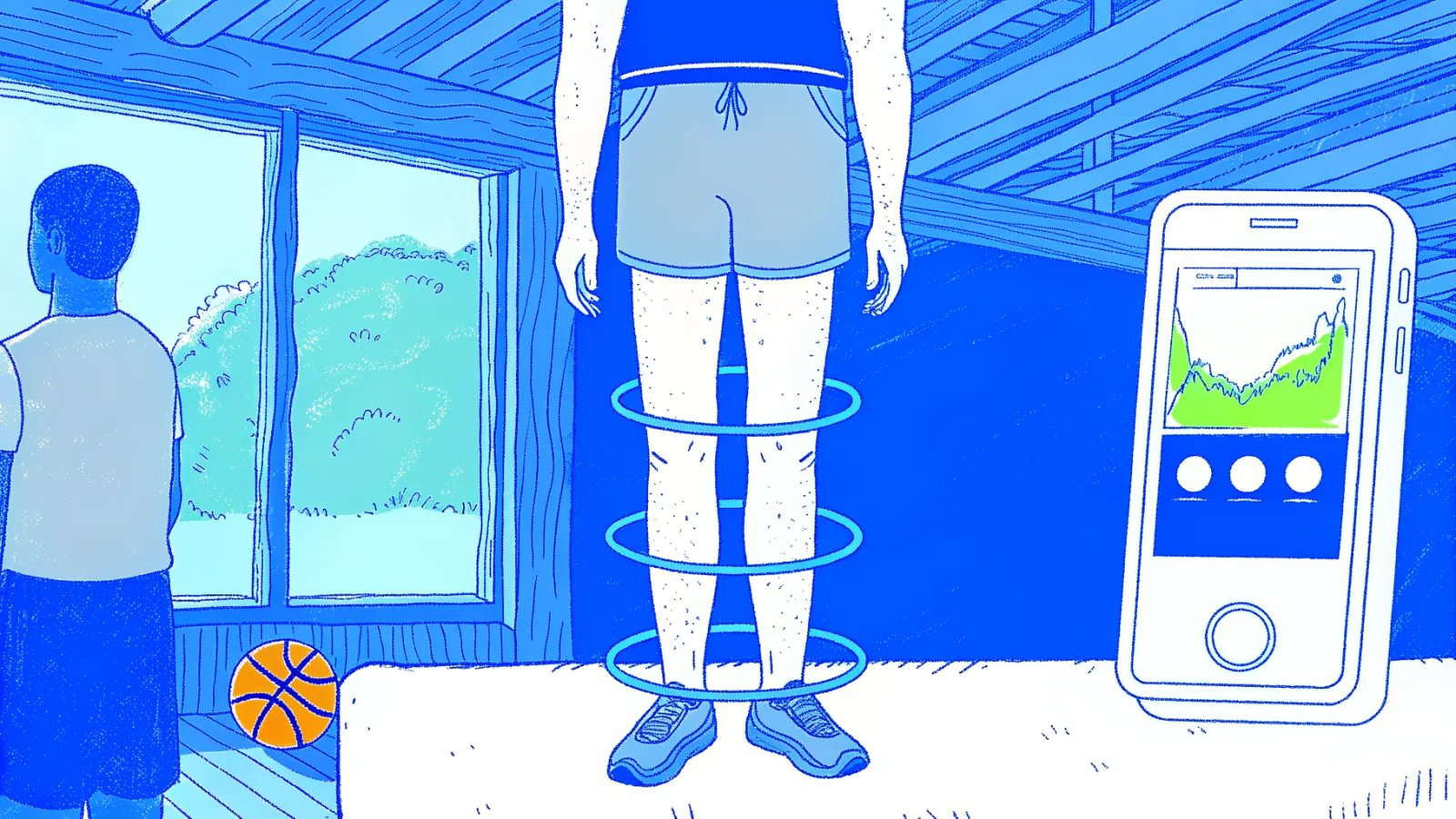
Why Speed and Agility Training Protects Knees, Ankles, and Hips Before Injuries Happen
Speed and agility training strengthens the muscles, tendons, and ligaments surrounding your knees, ankles, and hips through repeated, progressive loading at game-relevant speeds. Coaches and sports scientists consistently observe that speed training improves the nervous system’s capacity to recruit motor units and generate large force production through the lower extremities, and that improved recruitment is what makes joints resilient.
Athletes who fall behind on a rigid program tend to quit rather than adapt, and quitting at week three means never reaching the joint resilience that accumulates over weeks four through eight. That’s the exact gap GetFit AI’s Athlete-Style Custom Workout Plans are built to close.
The Cross-Sport Performance Gains That Show Up in Basketball, Soccer, and Lacrosse
First-step quickness and direction-change ability are the two most game-deciding physical skills in court and field sports, and both are direct products of rate of force development. Broader athletic performance trends make this explicit: a neurological approach to speed training produces transferable athletic gains, including improved coordination and body awareness, that carry over beyond sprint-specific contexts to broader sport performance.
After roughly seven to eight weeks of agility training, athletes commonly hit a stagnation window where improvements in measurable performance slow, and when athletes stop feeling faster, motivation follows.
The friends, challenges, and leaderboards layer inside GetFit AI is designed for this window. The feature is most beneficial when a workout partner is also using GetFit AI, because shared accountability keeps athletes training past the stagnation period rather than interpreting a natural plateau as failure.
Why High-School Athletes Get a Bigger Return on SAQ Training Than Anyone Else
The Journal of Strength and Conditioning Research (Hammett & Hey) found neuromuscular adaptation to short-term ballistic training in as little as four weeks among trained high-school athletes, directly contradicting the assumption that meaningful adaptation requires months of accumulated volume.
GetFit AI’s Structured Training tracks progression across both each individual workout session and the overall program arc, so the loading stays appropriate as the nervous system adapts, matching the pace of neuromuscular adaptation rather than outrunning it.
Related Reading
- Why Am I Not Getting Faster at Running
- Does Masturbation Affect Athletic Performance
- Biomechanics in Sports
- Why is Protein Important for Athletes
- How to Be a Better Athlete
- How Does Sports Psychology Help Athletes
- Why is Hydration Important for Athletes
- Why Do Athletes Train at High Altitudes
- Why Do Athletes Stretch Before a Game?
- IV Therapy for Athletic Performance and Recovery
- Yoga and Athletic Performance
- Red Light Therapy for Athletic Performance
The Speed Training Mechanics Every Beginner Needs to Understand First
“Beginners struggle to understand how speed training fits into a broader multi-sport training load, fearing it will cause fatigue that spills over into other activities like climbing or strength sessions.”
— what we hear from beginner multi-sport athletes
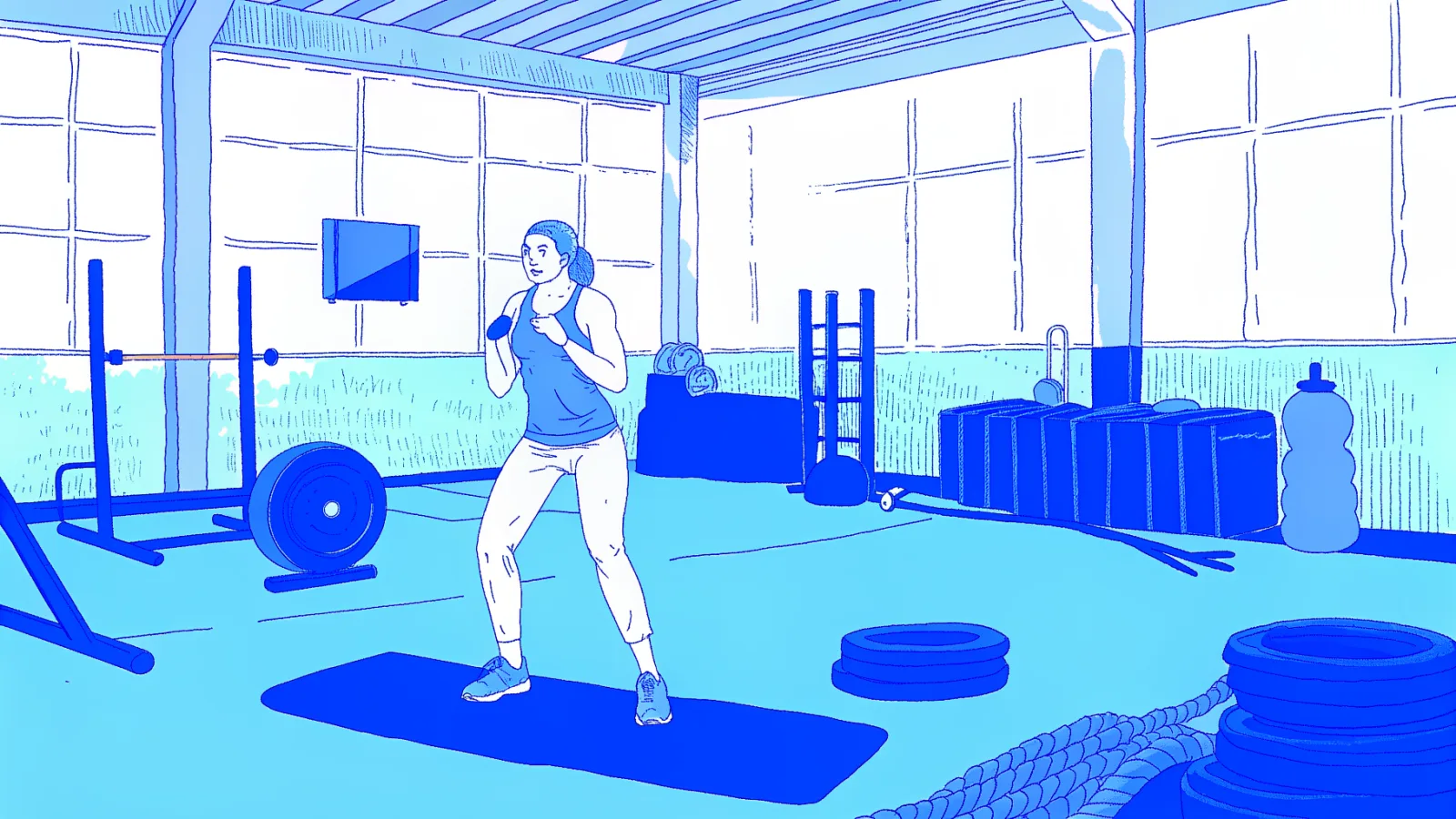
Acceleration Is the Speed Quality Beginners Can Improve the Fastest
Acceleration is the rate of change of velocity from a standstill to peak speed, and it is the steepest, most mechanically demanding portion of any sprint.
Because acceleration drills are neurally taxing, GetFit AI’s Athlete-Style Custom Workout Plans account for your full training load from the first workout session.
Top Speed Is a Separate Gear That Requires Its Own Training Stimulus
Top speed, or maximum velocity, is the peak the athlete reaches after acceleration is complete.
GetFit AI’s structured training programs are built around this distinction.
Running Form Is the Ceiling on Every Other Speed Gain
Arm drive, shin angle at ground contact, and foot strike position all determine how efficiently force transfers into forward motion, and poor mechanics waste energy that fitness cannot recover.
Form is the one variable that limits every other quality simultaneously.
GetFit AI Nutrition guides you on what to eat for each session type and lets you track it in the same app, so the fuel side of mechanical quality is managed alongside the training side rather than as an afterthought.
Agility Training Mechanics That Separate Athletes Who React from Athletes Who Just Run Fast
A 4.5-second 40-yard dash looks impressive on paper, but straight-line speed alone doesn’t tell the full story of athletic performance.
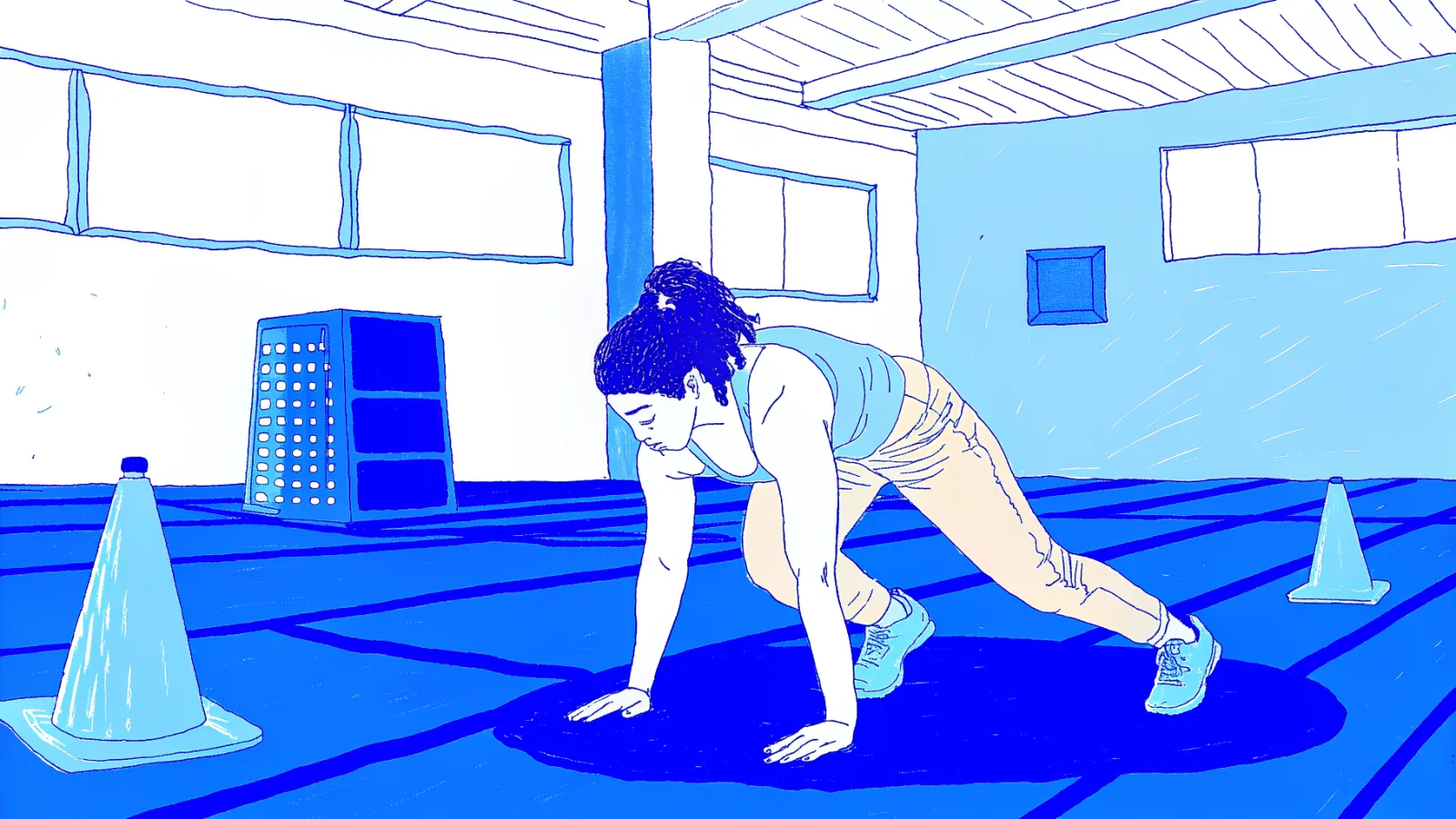
Change of Direction Is a Skill, Not a Reflex
Change of direction (COD) is the ability to redirect your body’s momentum efficiently across multiple planes of movement. As noted in a 2026 study published by the Research, Society and Development (RSD Journal), Application of functional tests in the evaluation of post-ACL injury performance in athletes, COD is developed through structured drills like the 5-10-5 shuttle and T-drill, which force repeated acceleration, deceleration, and re-acceleration in sequence. These qualities are trainable, but only when drills are structured to target them directly.
Reaction Time Is the Cognitive Half of Agility That Cone Drills Alone Cannot Build
Reaction time determines how quickly an athlete reads a situation and initiates movement, making it just as important as physical mechanics.
Deceleration - the Forgotten Third Pillar of Agility Training
Deceleration is the most neglected agility quality, and the most dangerous one to skip. The same Research, Society and Development (RSD Journal) study identifies deceleration deficits as a primary safety concern in post-ACL athletes, and Current Issues in Sport Science (CISS) (February 2024) confirms that deceleration mechanics and neuromuscular control are central to ACL injury prevention, not just speed output. Training deceleration deliberately closes the gap between raw speed and safe, effective movement.
GetFit AI addresses both. Its programming integrates reactive and deceleration work alongside traditional COD drills, so your training develops the full agility picture. GetFit AI’s friends, challenges, and leaderboards give you a social training environment that keeps you honest when motivation runs out, the exact point where most self-directed agility programs collapse. This feature is most effective once you have connected with at least one friend in the app, and is even more valuable when a training partner is also using GetFit AI, because the shared context makes challenges and progress comparisons meaningful rather than abstract.
GetFit AI is available on a Premium Weekly plan at $1.99, a Premium Monthly plan at $4.99, or a Premium Yearly plan at $49.99, so you can start at whatever commitment level fits your situation and scale from there.
Speed and Agility Drills and Exercises That Actually Build These Qualities
Order is the program. The drills are just ingredients, and if you scramble the sequence, you’re not training speed, you’re training tired muscles to move slowly.
That frustration of doing ladder drills every day and still getting beaten to a spot is almost always a sequencing problem. The fix is putting the right drill in the right place.
1. 10-to-30-Yard Sprint Drills - Building Raw Acceleration and Top-End Speed

Flat-ground sprints split into two distinct distances for a reason: 10-yard bursts from a stationary stance train the explosive first step, while 30-yard runs extend that effort into early top-speed mechanics. Run two reps of each distance with 90 seconds of full rest between efforts. As multiple industry sources confirm, unloaded sprinting at near-maximum velocity targets a different speed quality than resisted work, so both distances belong in the session. The trade-off for beginners: without true max effort on each rep, these become glorified jogs that train nothing specific.
2. Resisted Sled Push Sprints - Overloading the Drive Phase for Greater Force Output

Sled pushes loaded at 10 to 20 percent of bodyweight force a low drive angle and high horizontal force output that unloaded sprinting cannot replicate. Loads above 30 percent of bodyweight shift the stimulus away from acceleration mechanics entirely, reinforcing the exact movement deficits you are trying to correct rather than fixing them. Two sets of 15 yards is enough for a beginner session. This drill belongs immediately after unloaded acceleration sprints, while the nervous system is still fresh, not after COD work when fatigue has already accumulated.
3. Hill Sprint Repeats - Developing Speed-Strength With Built-In Injury Protection

A 6 to 10 percent grade caps the velocity you reach at maximum effort, which meaningfully reduces hamstring strain risk compared to flat-ground max-velocity sprinting. Research distinguishing injury exposure at peak velocity versus grade-limited velocity supports this range as a practical entry point for athletes whose sprint mechanics are not yet consistent enough for full-speed flat work. Four to six reps of 20 yards uphill, with a full walk-back recovery between each, build posterior chain strength and acceleration mechanics at the same time. Hill sprints are a safer on-ramp to flat sprints.
4. 5-10-5 Shuttle and T-Drill - Mastering Change-of-Direction From Pre-Planned to Reactive
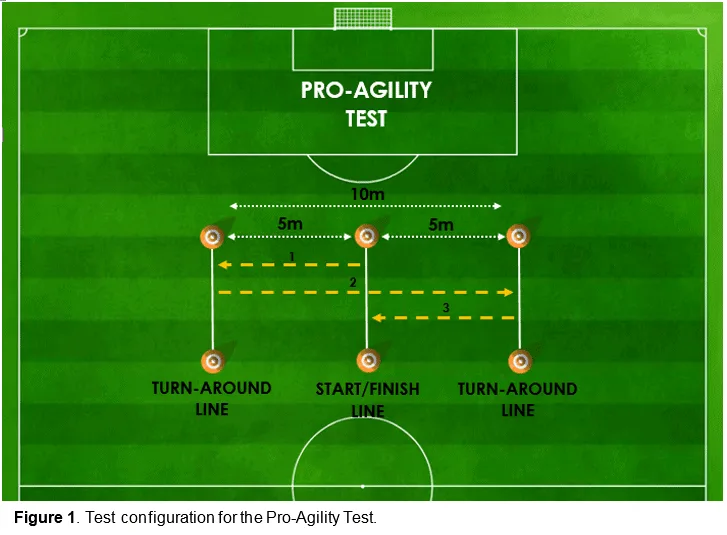
The 5-10-5 shuttle builds lateral acceleration and deceleration; the T-drill adds forward and backward transitions that mirror real sport movement. Start with two rounds of each, fully pre-planned, with two minutes of rest between rounds.
The common mistake is jogging through the cuts. If you are not decelerating hard into each cone, you are not training change of direction; you are running a pattern. Once the pre-planned route feels automatic, add a partner calling the direction at the last second to introduce a reactive layer.
5. Box Jumps, Bounding, and Lateral Hops - Plyometrics That Directly Feed Sprint Mechanics
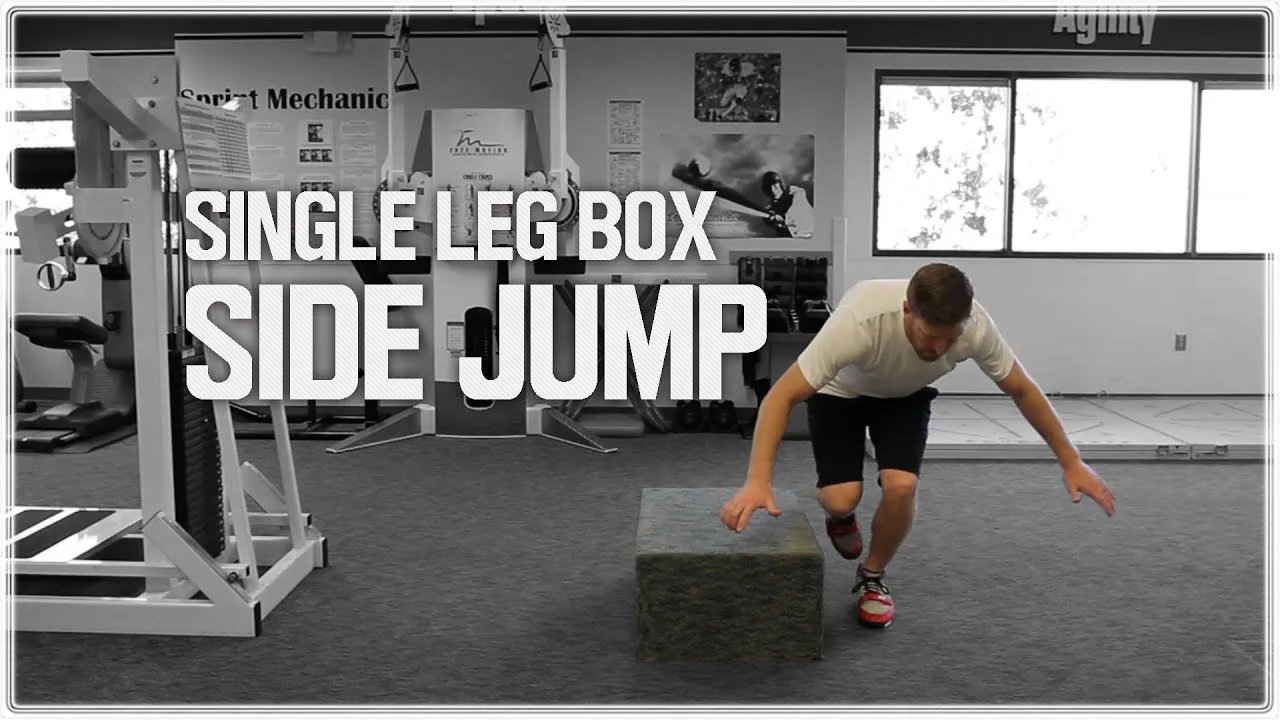
Plyometric exercises for speed and agility are explosive, ground-contact-based movements that train the neuromuscular system to produce force quickly and cycle through minimal contact time. A PMC meta-analysis on plyometric training found that reducing ground contact time improved sprint performance by approximately 3.6 percent across athlete populations. Equipment like VertiMax adds variable resistance to jump starts without altering natural movement mechanics, and VertiMax-style resistance plyometrics show measurable gains in reactive strength index (the ratio of jump height to ground contact time) in high-school athletes. Three sets of five box jumps on a 12-inch box, done after sprints but before ladder work, is the right placement.
6. Beginner Speed and Agility Session Structure - Warm-Up Through Cool-Down With Safe Volume
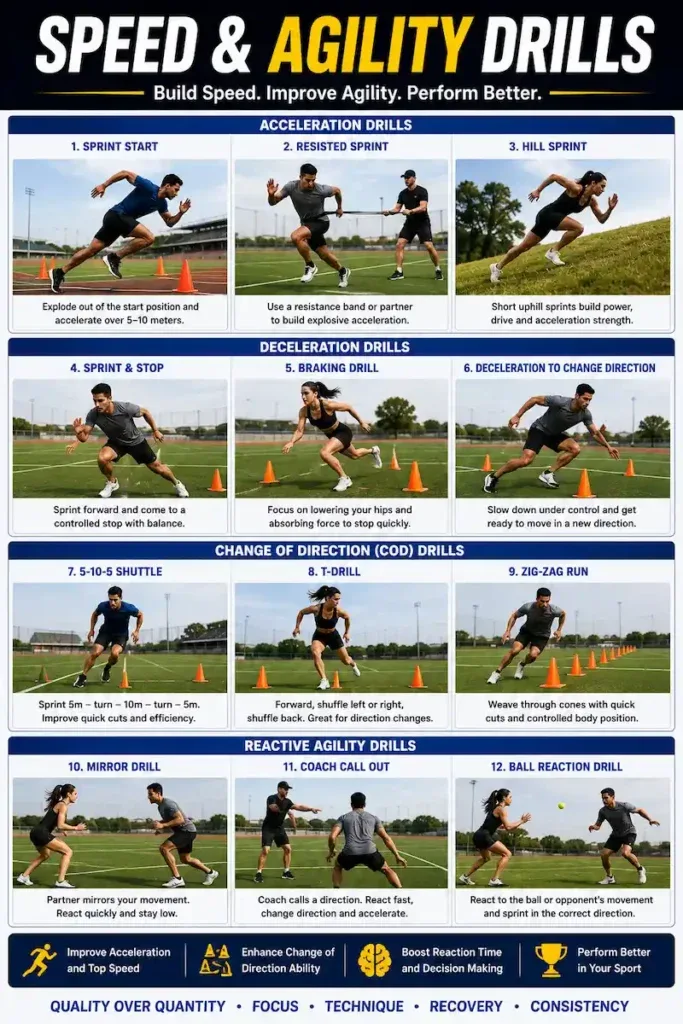
The sequence: dynamic warm-up (5 minutes of leg swings, skips, and A-marches), then 10-yard and 30-yard acceleration sprints, then sled pushes or hill sprints, then cone drills, then box jumps and lateral hops, then 10 minutes of agility ladder work. Total sprint volume should stay under 200 yards per session for beginners, a threshold the NSCA identifies as the point beyond which soft tissue injury risk rises sharply for athletes new to high-intensity running. Most athletes who find this drill list will screenshot it and show up doing the exercises in whatever order feels right.
GetFit AI’s custom workout plans solve this by delivering a sequenced, week-over-week protocol where the order, volume, and progression are already decided before you lace up, most beneficial when you have a specific athletic role model and a clear performance goal to train toward.
Related Reading
- Athletic Performance Analysis
- Does Vaping Affect Athletic Performance
- How to Avoid Feeling Sleepy After Workout
- How Does Sleep Affect Athletic Performance
- How to Measure Athleticism
- Velocity Based Training
- Building Stamina and Endurance
- Why Am I So Bad at Sports
- Endurance vs Strength Training
- Why Am I So Tired After Working Out
- How to Create a Personalized Workout Plan
How Strength Training and Speed Development Work Together Without Overtraining

Why Your Posterior Chain Is the Engine Behind Every Sprint
Research published in Frontiers in Physiology establishes that horizontal ground-force production is the primary mechanical driver of sprint acceleration, and the glutes and hamstrings generate the majority of it.
The same Frontiers in Physiology research found that when hamstrings fatigue during sprinting, the glutes compensate to maintain ground-force output, which partially shields the hamstrings from peak loading.
The CNS Fatigue Trap - Why Heavy Lifts and Speed Work Shouldn’t Share a Day
Speed development and strength training share the same recovery budget, so heavy lifts and maximal speed work on the same day compete for it. Without a plan built around these conflicts, most athletes default to whatever felt manageable that day, and that is how the CNS-fatigue trap closes around them week after week.
GetFit AI builds this sequencing directly into its athlete-style custom workout plans, structured training designed for athletes who have previously struggled with consistency because they lacked a program with this kind of deliberate architecture.
The Right Strength Tools for Young Athletes Still Building Their Speed Base
Not every strength tool carries the same risk-to-reward ratio for a 16-year-old still learning movement patterns. The trap-bar deadlift is the clearest starting point: it loads the posterior chain directly, keeps the spine in a safer position than a conventional barbell pull, and transfers immediately to the horizontal force demands that sprint acceleration requires, as supported by Frontiers in Physiology. Additional research from PubMed Central (PMC) reinforces the case for posterior-chain prioritization in speed-focused training programs.
The questions that stop athletes in the weight room, which lift, which load, how much, in what order relative to speed work, are exactly the kind of questions GetFit AI is built to answer without requiring you to track down a coach or piece together forum advice.
How Speed and Agility Training Translates to Real Sport Performance at Any Level
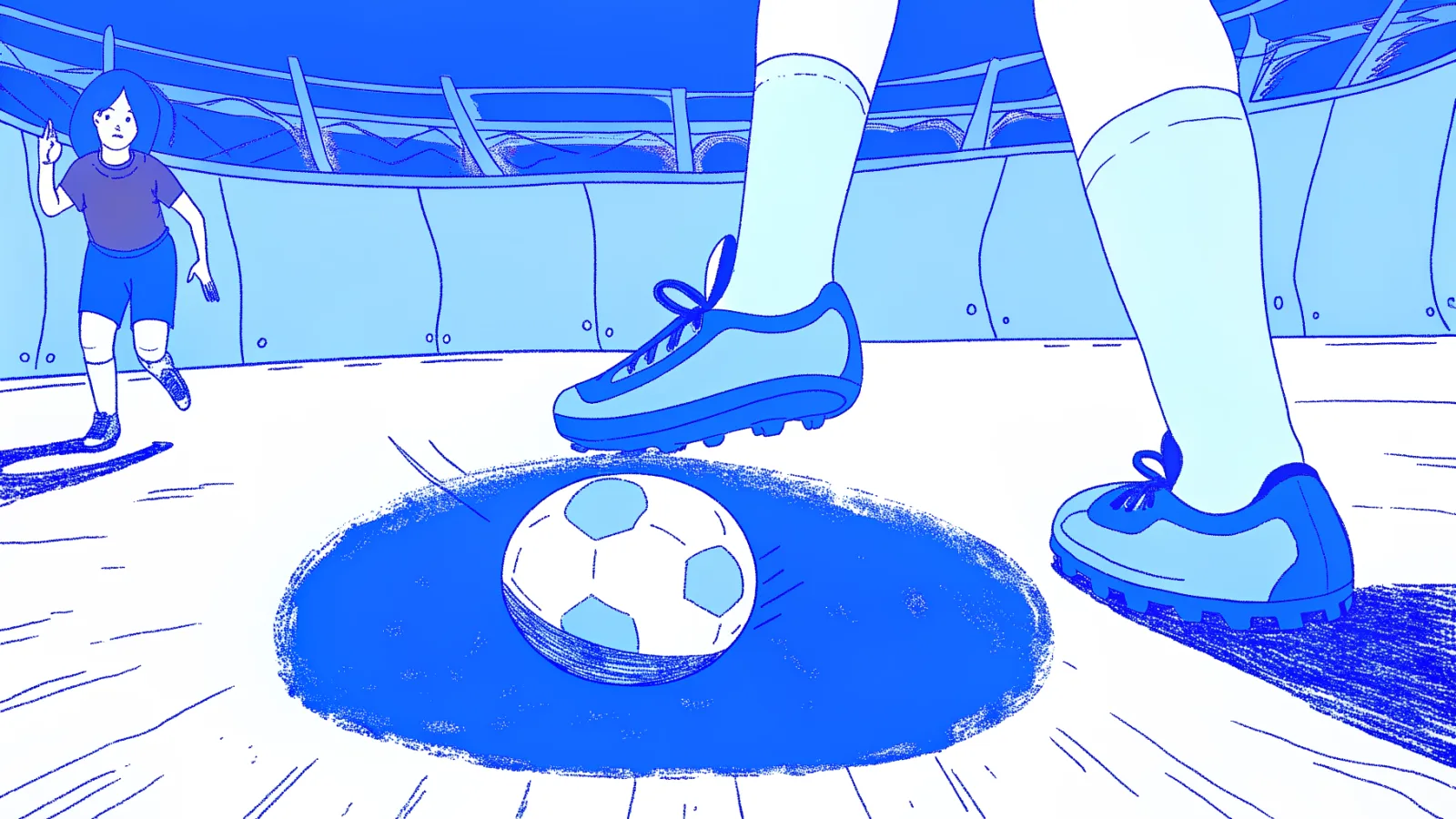
What Speed and Agility Gains Actually Look Like in a Game Moment
Research on change-of-direction speed and sport performance shows measurable improvements in on-court and on-field outcomes tied directly to COD training, not just timed sprint tests.
That is precisely where structured speed work earns its place: GetFit AI’s Athlete-Style Custom Workout Plans program the acceleration-specific work that match conditions alone never deliver.
The Mistakes That Keep Athletes Stuck at the Same Speed
Jogging through drills is the single most common reason athletes stop improving. Sub-maximal intensity during speed training fails to drive the neuromuscular adaptations that produce real quickness, so athletes can log hours of work and still plateau.
GetFit AI’s Structured Training addresses this from the very first workout session, sequencing each session so the right quality, acceleration, change-of-direction, reactive agility, is trained in the right order at the right intensity across the full program arc.
Consistency compounds those gains further, and social accountability is one of the most reliable ways to protect it. Athletes who connect with at least one friend inside GetFit AI, competing through challenges and leaderboards, train harder past the point where solo motivation fades.
GetFit AI’s Premium plans start at $1.99 per week, $4.99 per month, or $49.99 per year, structured access to athlete-style programming designed so the work you put in now shows up as that first step, in that decisive moment, when it counts.
Related Reading
- How to Deal With Performance Anxiety in Sports
- Hydration Tips for Athletes
- How to Build Mental Toughness in Athletes
- Food for Athletes During Competition
- Strength Training Workout for Runners
- Best Plyometric Exercises for Speed
- Exercises That Improve Muscular Endurance
- Conditioning Workouts for Athletes
- Speed Training for Athletes
- Balance Exercises for Athletes
- Best Core Exercises for Athletes
How to Turn Speed and Agility Knowledge into a Plan You’ll Actually Stick To
Knowing what speed and agility drills exist is not the same as having a plan. The gap between those two things is exactly where most beginner athletes stall, plateau, or quietly stop showing up.

Why Conceptual Understanding Rarely Becomes Consistent Training
Most beginner athletes show up to practice with no sequence, no progression, and no answer to the most basic question: what do I do first today? As broader trends across the market make clear, the gap between understanding fitness conceptually and having a system that drives consistent execution is what causes dropout.
Effort is not the missing variable.
The Structural Layer Most Beginner Plans Are Missing
A real speed and agility plan does three things a YouTube playlist cannot: it sequences sessions so each one builds on the last, it scales intensity as your body adapts, and it gives you a feedback loop so you know when to push and when to recover. What most coaches and athletes report bears out plainly: having a structured plan that adapts as you improve is the critical difference between athletes who see compounding progress and those who plateau or quit. Without that layer, even motivated athletes abandon training before their nervous system has consolidated the speed adaptations they are chasing.
How to Choose Between a Custom Speed Plan and an Athlete-Style Training Program
Random volume without progression is just cardio with cones. An AI fitness app like GetFit AI closes that gap with two concrete routes: build a fully custom speed and agility program around your own goals and equipment, or step directly into the training style of a specific athlete you admire, with the plan adapting automatically as your speed and agility develop. A chat coach is available mid-workout or at midnight when you’re wondering whether to add a new drill, a support model that mirrors the on-demand access format cited as a key driver of adherence in dropout research across the fitness space. One honest caveat: if you prefer total freedom to self-program, a structured AI plan will feel more prescriptive than you want.
Next steps
If your ladder drills and cone patterns have stopped producing results, the path forward starts with sequencing: acceleration mechanics before top-speed work, pre-planned COD drills before reactive stimuli, and full recovery between sessions before adding volume. Start with our AI fitness app.
Drilling the wrong quality under fatigue does not produce slow progress, it actively reinforces the movement deficits you are trying to fix, because fatigued posterior-chain muscles alter ground-force production in ways that train slowness rather than speed. And the difference between athletes who keep getting faster and those who plateau is not effort or drill selection, it is whether training compounds over time through structured progression and adaptive feedback. Together, those two realities point to one conclusion: you need a plan that sequences every session correctly and adjusts as your nervous system adapts, not a drill list you revisit at random.
Start with GetFit AI to get a custom speed and agility plan built around your goals, equipment, and training level. The plan sequences acceleration, COD, reactive agility, and recovery in the right order from day one, adapts automatically as you improve, and includes nutrition guidance so the fuel side of your training is managed alongside the work itself. Plans start at $1.99 per week.
Frequently Asked Questions
What is the biggest mistake beginners make in speed and agility training?
The most common mistake is treating speed as one thing when it is actually three separate, trainable skills: acceleration, top speed, and running form. Beginners who only repeat short acceleration drills like 10-yard bursts never challenge their neuromuscular system at high velocities, so they stall out, and poor running mechanics like overstriding act as a brake on every other gain they’ve made.
How does agility training actually protect you from knee and ankle injuries?
Agility training strengthens the muscles, tendons, and ligaments surrounding your knees, ankles, and hips through repeated, progressive loading at game-relevant speeds, which teaches your joints to absorb force correctly before a real cut or collision demands it. The mechanism is neuromuscular control, the nervous system learns to fire stabilizing muscles faster, which is what makes joints resilient, not just fast.
How long does it take to actually see results from speed and agility training?
Neuromuscular adaptation can begin in as little as four weeks among high-school athletes doing structured training, and a high-school basketball player doing agility ladder work may notice more stable ankles during cuts within that same window. However, joint resilience and deeper performance gains accumulate across weeks four through eight, which is why quitting before that point means missing most of the benefit.
What does a typical speed and agility training session actually look like?
A typical session runs 30 to 60 minutes and centers on short, maximal efforts followed by full recovery, your nervous system, not your lungs, is the limiting factor. Drills are structured around distinct goals: short 10-to-20-yard sprints, resisted sled pushes, or hill runs to build acceleration, and flying 30-to-60-yard sprints with a rolling start to train top-end speed, with change-of-direction work like the 5-10-5 shuttle or T-drill layered in to develop the ability to decelerate and redirect momentum.
Does change-of-direction speed improve on its own if I get faster in a straight line?
No, change of direction is a distinct, trainable skill, not a byproduct of straight-line speed. The post is direct about this: a fast 40-yard dash does not mean an athlete can stop on a dime and cut back efficiently, because COD training develops a completely different motor program through structured drills that force repeated acceleration, deceleration, and re-acceleration in sequence.