12 Reasons Why Am I Not Getting Faster at Running

Logging miles without getting faster is not a willpower problem. It is a structure problem, and once you see exactly why, fixing it becomes straightforward.
The common assumption is that more miles means more progress; if you just keep showing up and running, speed will come naturally over time. Months of early mornings, sore legs, and genuine effort, and the clock barely moves. That experience is more common than most runners realize, and the reason sits inside the training itself, not the runner’s work ethic. Understanding the gap between consistent training and effective training is what separates runners who break through from those who quietly accept the same finishing time, year after year. See our AI fitness app for how this works in practice.
Within roughly four to six weeks of starting a new running routine, your aerobic system adapts to that exact stress level and stops demanding more from itself. According to the Journal of Applied Physiology, speed-specific adaptations like lactate threshold and VO2 max take 8 to 12 weeks of the right stimulus to develop, not just accumulated mileage. Running the same comfortable pace every day builds aerobic endurance efficiently. It does not build speed. The neuromuscular and metabolic systems that produce faster paces need a different kind of stress entirely, one that comfortable miles never deliver.
Showing up three to five days a week is necessary. It is not sufficient.
Without a coherent, progressive structure forcing a new stimulus each week, every additional mile reinforces the ceiling instead of raising it. A plateau is a training problem. The discipline keeping you on the road is the same discipline quietly reinforcing your ceiling, and understanding exactly how that feedback-free loop works is the first step to breaking it.
Key takeaways
- Running the same loop at the same effort repeatedly stops producing adaptation within weeks, the body responds to stress, not to mileage totals.
- 63% of recreational runners never include a single speed session in their weekly training, which explains most plateaus better than low effort or low volume ever could.
- One genuinely hard session per week, structured intervals or a true tempo effort, is the minimum threshold that forces the body to build new speed capacity.
- Weak glutes and hips bleed speed from every stride by increasing the metabolic cost of each step, making strength work a non-negotiable part of faster running.
- Feeling fitter and actually getting faster are two separate biological events on different timelines, confusing them sends runners back to comfortable, plateau-reinforcing mileage before the speed signal arrives.
- Knowing the right workouts and executing them six weeks in a row are entirely different problems; the gap is almost never information, it's follow-through.
- GetFit AI's Structured Training closes that execution gap by delivering workouts as a coherent program progression, not random sessions, so the right stimulus shows up in the right order, week after week.
How Training Without a Plan Keeps Recreating the Same Plateau
Many runners assume more miles alone will bring speed. In reality, the body adapts to exactly the stress you give it, nothing more. We see this pattern repeatedly with runners who are just a few weeks in, doing a handful of 5Ks each week, moving on feel alone, and wondering why pace has not budged.
Why Your Body Stops Adapting When Every Run Feels the Same
Once your body can handle your usual 5K loop comfortably, running it again produces efficiency, not improvement. Sports science calls this the accommodation principle, and it is why runners who describe being “stuck at the same pace for a year” are almost always doing exactly that: one speed, one route, one effort level, repeated indefinitely. Informal or loosely assembled plans, including those generated without long-term periodisation in mind, tend to repeat the same demands week after week, which is precisely what the accommodation principle predicts will produce stagnation.
GetFit AI’s Athlete-Style Custom Workout Plans are designed to break that cycle. Rather than recycling the same stimulus, the plans are built around a specific performance goal and modelled on how athletes you actually follow train, delivering the kind of structured, escalating demand your body needs to keep adapting.
Inconsistent Mileage Starves the Aerobic Base Speed Runs Depend On
The aerobic system needs repeated, progressive load to grow the cardiac output and mitochondrial density that faster paces demand, a principle supported by research into skeletal muscle adaptation and twice-daily training protocols. GetFit AI’s Structured Training feature addresses this directly: it is active from the first workout and runs continuously across the full training arc, functioning as the retention layer that keeps you training past week three.
Related Reading
- Does Masturbation Affect Athletic Performance
- Biomechanics in Sports
- Why is Protein Important for Athletes
- What is Speed and Agility Training
- How to Be a Better Athlete
- How Does Sports Psychology Help Athletes
- Why is Hydration Important for Athletes
- Why Do Athletes Train at High Altitudes
- Why Do Athletes Stretch Before a Game?
- IV Therapy for Athletic Performance and Recovery
- Yoga and Athletic Performance
- Red Light Therapy for Athletic Performance
12 Reasons Why You Are Not Getting Faster at Running
Sixty-three percent of recreational runners never include a single speed session in their weekly training, according to data cited across running coaching communities. That one number explains most plateaus: a missing stimulus. Each of the 12 reasons below is a specific, diagnosable gap you can audit against your own training this week, and every item pairs the cause with the minimum viable fix.
1. Running Every Run at the Same Comfortable Pace

Every easy run logged without pace variation is a fast, repeated vote to lock in your current speed as your body’s default. Neuromuscular coordination adaptations occur within 24 to 48 hours of a stimulus, so the nervous system learns exactly what you practice. The physiological changes that actually drive speed, raised lactate threshold and improved VO2 max, require a distinct stimulus sustained across 8 to 12 weeks that comfortable mileage alone never delivers. The more consistent you are without variety, the harder the plateau becomes to break.
2. Skipping Speed Work Entirely
The vast majority of recreational runners never include a single interval session in their weekly training, which means most plateaus are not a mileage problem at all. One interval session per week is enough to restart the signal without overwhelming recovery.
3. No Tempo Runs in the Plan

Lactate threshold is the ceiling that determines how fast you can sustain effort before your legs force you to slow down, and tempo runs are the only session type that directly raises it. Strava’s 2024 training guide names tempo work one of the four most important sessions a runner can log each week. A runner who never holds a comfortably hard effort for 15 to 20 minutes never trains the system that controls race pace. The entry point is simple: warm up five minutes easy, hold an effort where you can speak in short phrases but not hold a conversation, then cool down.
4. Ignoring Strength Training for Glutes, Core, and Hips
Running economy measures how much energy each stride costs, and weak glutes, core, and hips reduce it stride by stride by bleeding power at the push-off phase. Research on hip and glute strength consistently links weakness in these muscle groups to both reduced running economy and higher injury rates, because the leg cannot fully extend and drive without a stable base above it. Two sessions per week targeting squats, walking lunges, calf raises, and single-leg work closes most of this gap without adding meaningful fatigue to running days. Runners who skip strength work consistently pay that cost in wasted energy per mile instead.
5. Inadequate Sleep and Recovery

Sleep deprivation measurably suppresses the mitochondrial growth and glycogen replenishment that hard sessions trigger, which means the adaptation from Tuesday’s interval session can be partially cancelled by sleeping six hours on Tuesday night. Strava’s session-type framework prescribes recovery runs as a deliberate, easy-effort session specifically to promote adaptation and reduce fatigue. Running those recovery days too hard, or sleeping too little between hard sessions, erases the signal before the body can act on it. Seven or more hours of sleep is where the speed gains actually get built.
6. Fueling on Insufficient Carbs and Hydration

Runners who train in a chronically low-carbohydrate state complete less total quality work per session, which compounds across weeks into a slower aerobic base rather than a faster one. Improper fueling and insufficient hydration cut energy before workouts end, meaning the last two intervals of a six-repeat session, the ones that matter most for adaptation, get skipped or jogged. A carbohydrate-containing meal two to three hours before any hard session is the minimum viable fix, and treating fueling as part of the training plan rather than an afterthought closes most of this gap quickly.
7. No Feedback Loop or Progress Tracking

A runner who cannot say whether their 5K time has changed in the last 60 days has no signal to act on. Without a monthly timed effort, a time trial, or even a consistent route where splits are recorded, there is no way to know whether training is working or which variable to change. The fix costs nothing: run a timed mile or a 5K effort on the same flat route once a month. That single data point turns a vague feeling of being stuck into a concrete number you can actually manage.
8. Running Too Hard on Easy Days
A runner whose GPS watch shows every run within ten seconds of the same moderate pace is not running easy; they are running moderate every single day, which is the training zone that produces the least adaptation per unit of fatigue. True easy effort means conversational pace, roughly a four out of ten on a perceived effort scale, where you could recite a paragraph without gasping. Slowing down on easy days preserves the capacity to push on hard days, and that is often the fastest path to a faster race.
9. No Aerobic Base or Consistently Low Mileage

Speed work builds on top of aerobic infrastructure. A runner averaging two or three miles per outing, with no weekly long run, has a cardiovascular ceiling so low that interval training has little foundation to develop. The long run, one session per week reaching 30 to 50 percent longer than average daily distance, is not about pace; its job is time on feet, which expands stroke volume, improves fat oxidation, and gives the heart more capacity to support faster efforts. Cutting it short consistently is one of the quietest ways to stall aerobic development without ever realizing the ceiling exists.
10. Overtraining Without Scheduled Rest Days
A training week with no planned rest day accumulates a recovery debt that compounds until the body forces the issue through fatigue, illness, or a minor injury. The adaptation from hard training happens during rest, so a schedule with no off days never lets the gains land. One full rest day and one active recovery day per week is the structural minimum. Runners who eliminate rest days have optimized for volume and accidentally removed the mechanism that converts volume into speed.
11. Poor Running Economy and Form
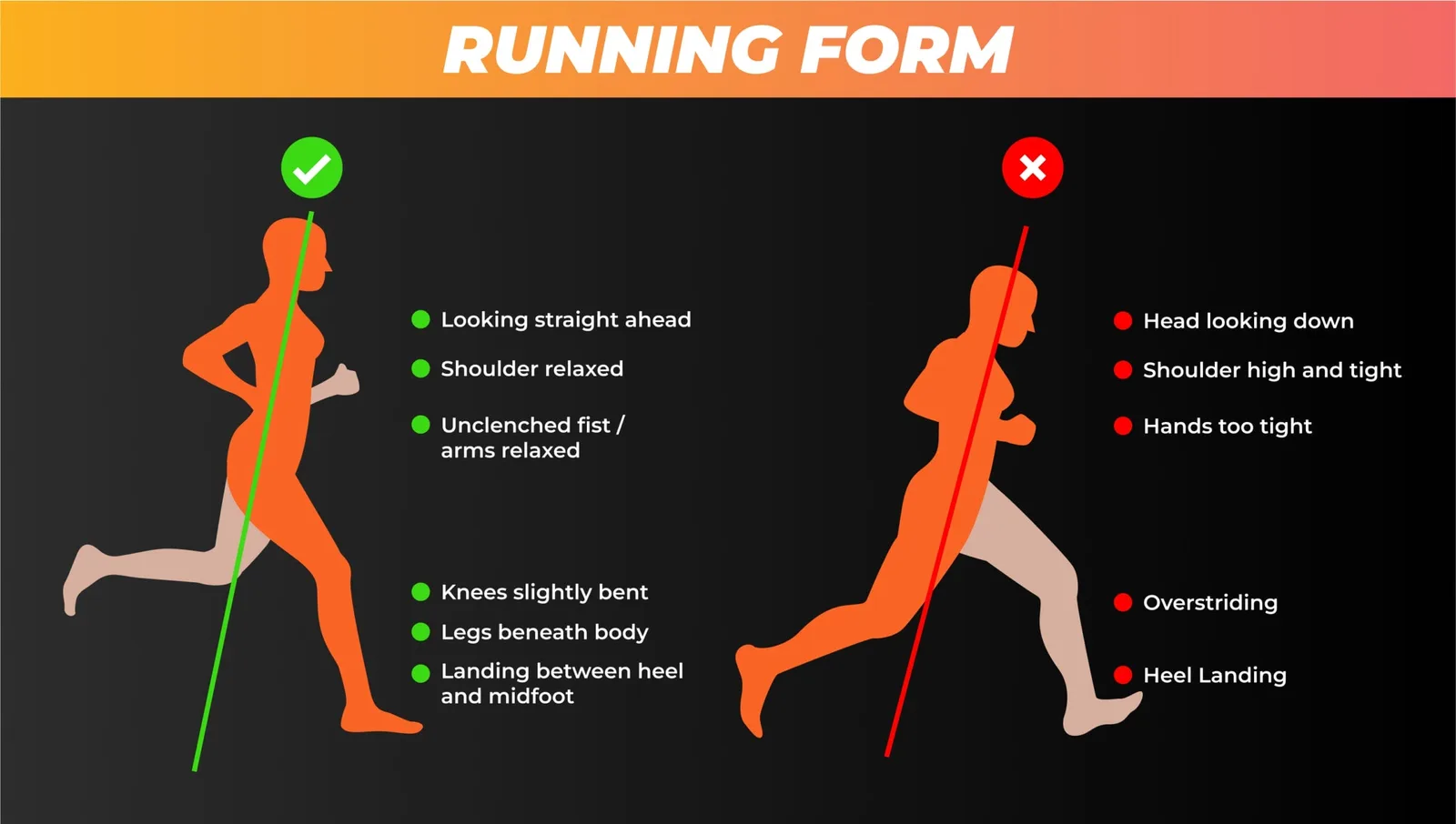
Running economy is the measure of how much oxygen a given pace costs, and inefficient form wastes energy on every stride. Overstriding (landing the foot far ahead of the center of mass), excessive vertical bounce, and collapsed posture all increase the cost of forward movement without adding speed. The fix does not require a biomechanics lab: a slight forward lean from the ankles, a cadence of roughly 170 to 180 steps per minute, and relaxed shoulders address the most common economy leaks for most recreational runners. Fartleks and strides at the end of easy runs are practical tools for training the neuromuscular patterns that efficient form requires.
12. Impatience and Unrealistic Timeline Expectations
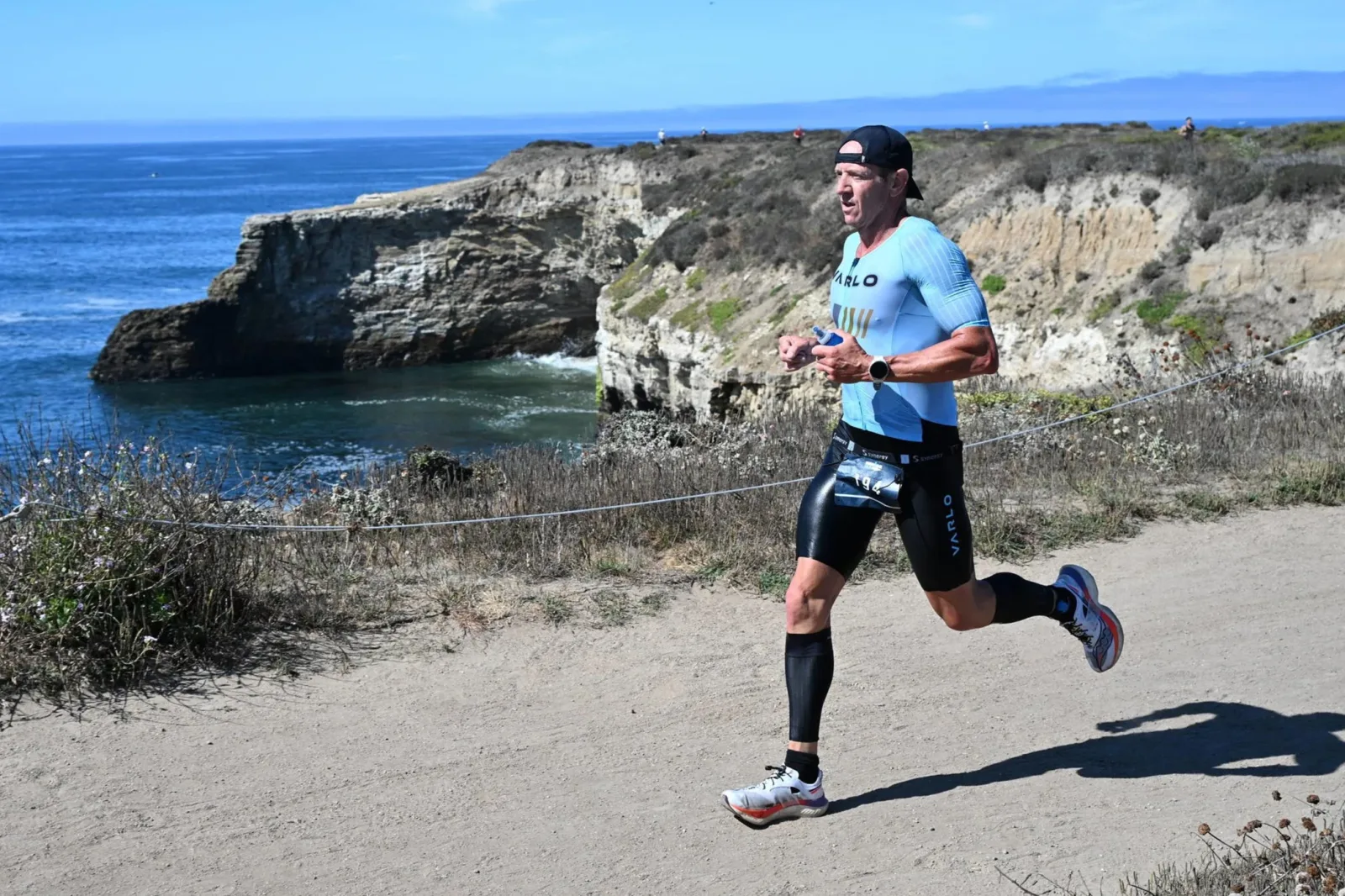
Most runners expect visible speed gains within two to three weeks and quietly abandon a plan that was actually working when those gains do not appear on schedule. Research on structured training timelines consistently points to a three to six month window before measurable pace improvement shows up reliably in time-trial or race results. That gap between effort and visible outcome is where most people give up. The fix is a concrete monthly check-in, a timed mile or 5K on the same flat route, that shows the trend line rather than a single discouraging workout. One bad week does not erase adaptation, but one abandoned plan absolutely does.
How to Add Speed Work Without Overtraining
One genuinely hard session per week, a structured effort that demands near-maximal output for short intervals, represents the minimum threshold at which the neuromuscular and cardiovascular systems receive a strong enough signal to produce lasting speed gains.
“As a heavier runner (95kg+), I face uncertainty about which shoes can support speed work without risking injury or instability during interval training and tempo runs.”
— what we hear from high-weight runners
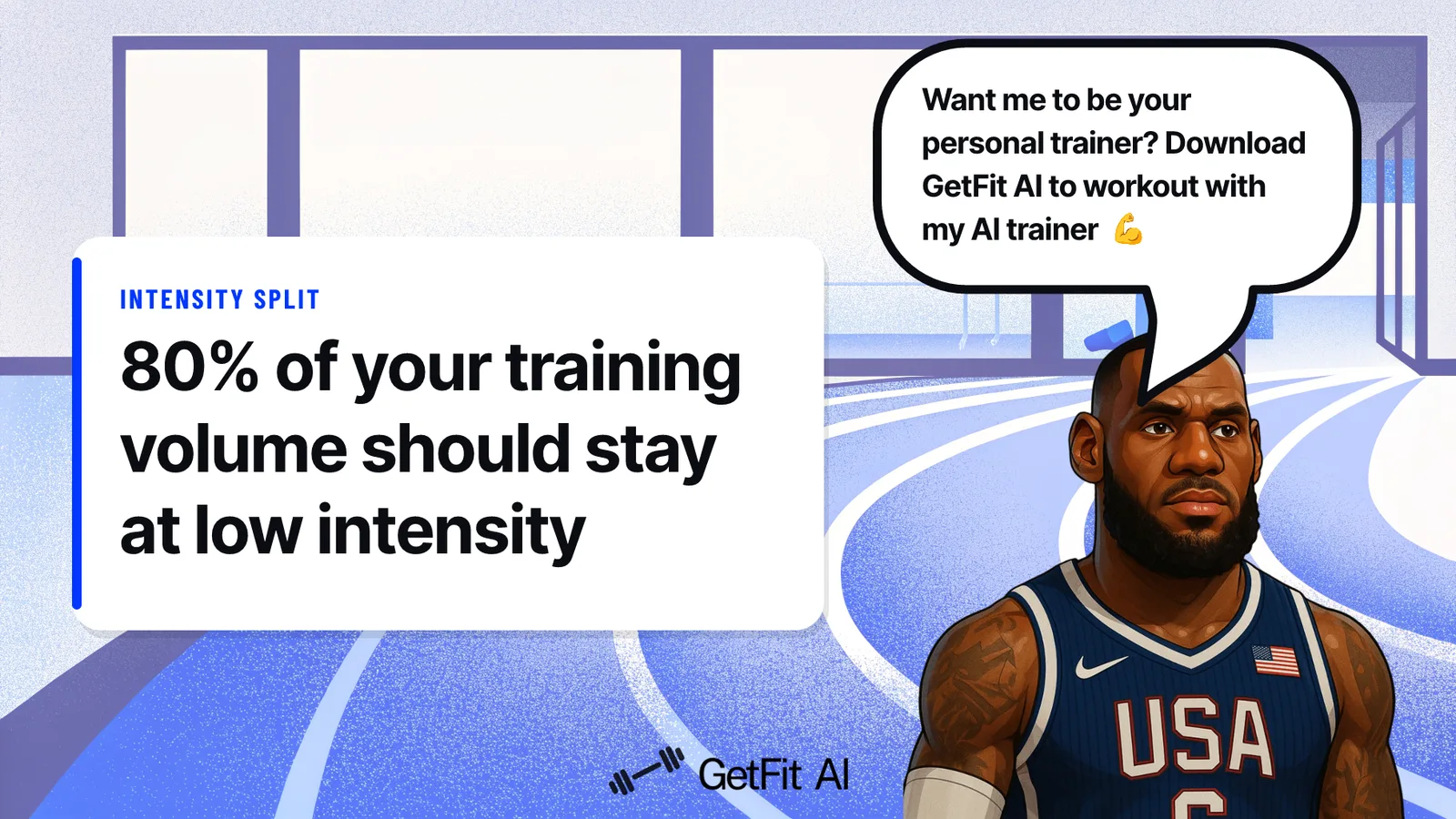
The Journal of Human Sport and Exercise, Polarized Training Improves Time Trial Performance in Triathletes (2023), found that roughly 80% of training volume should stay at low intensity, with only around 20% at high intensity. When runners drift into a moderate “grey zone” between the two, easy days become too hard for real recovery and too easy to produce speed adaptation, silently degrading the one hard session that was supposed to count.
One group of runners this bites hardest are those carrying more body weight, runners at 95 kg or above who are already managing questions about footwear stability and impact load during interval work. GetFit AI’s structured training is built to answer exactly that kind of question without making you track down a coach to ask it.
GetFit AI builds the easy-hard split into every week’s schedule from the first session, flagging when recovery runs drift too hard so the one session that’s supposed to deliver adaptation actually lands.
What a Tempo Run Is and How to Do It
The One-Sentence Definition That Removes All the Confusion
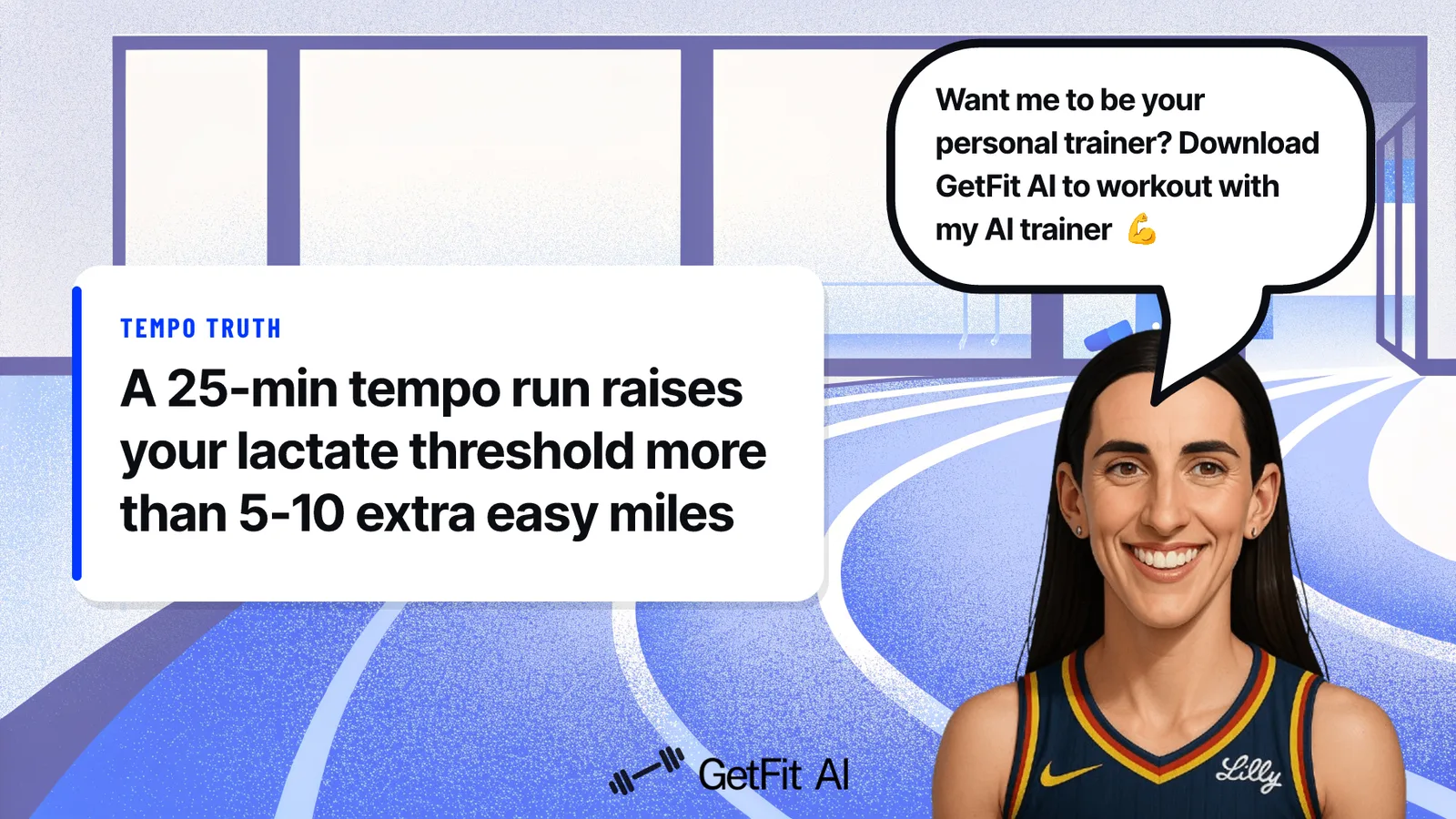
A tempo run is a comfortably hard effort held for 15 to 20 minutes, where you can speak in short phrases but not hold a conversation, and its job is to raise your lactate threshold. GetFit AI’s Athlete-Style Custom Workout Plans solve the terminology confusion at the structural level: every session is labeled by effort and purpose, not by interchangeable jargon, so you always know whether you’re training threshold or something else entirely, from the first workout session onward.
The Short Phrases Only Test for Nailing Tempo Effort Without a GPS Watch
At true tempo effort, you can squeeze out short phrases but cannot hold a full conversation.
GetFit AI’s Friends, challenges, and leaderboards feature is most powerful once you’ve connected with at least one friend in the app.
A Beginner’s First Tempo Session From Warm-Up to Cool-Down
Warm up with five minutes of easy running, hold tempo effort for 15 to 20 minutes, then cool down easy. GetFit AI’s Athlete-Style Custom Workout Plans include session-by-session guidance on effort and context, so gear decisions are informed by the actual demands of each workout.
GetFit AI is available with a Premium Weekly Subscription at $1.99, a Premium Monthly Subscription at $4.99, or a Premium Yearly Subscription at $49.99, so the accountability infrastructure that keeps your tempo sessions consistent costs less per week than most post-run coffees.
Related Reading
- Athletic Performance Analysis
- Does Vaping Affect Athletic Performance
- How to Avoid Feeling Sleepy After Workout
- How Does Sleep Affect Athletic Performance
- How to Measure Athleticism
- Velocity Based Training
- Building Stamina and Endurance
- Why Am I So Bad at Sports
- Endurance vs Strength Training
- Why Am I So Tired After Working Out
- How to Create a Personalized Workout Plan
What an Interval Workout Looks Like for Beginner Runners
The Beginner Interval Blueprint: 400m Repeats or 2-Minute Efforts Whichever You Have Access To
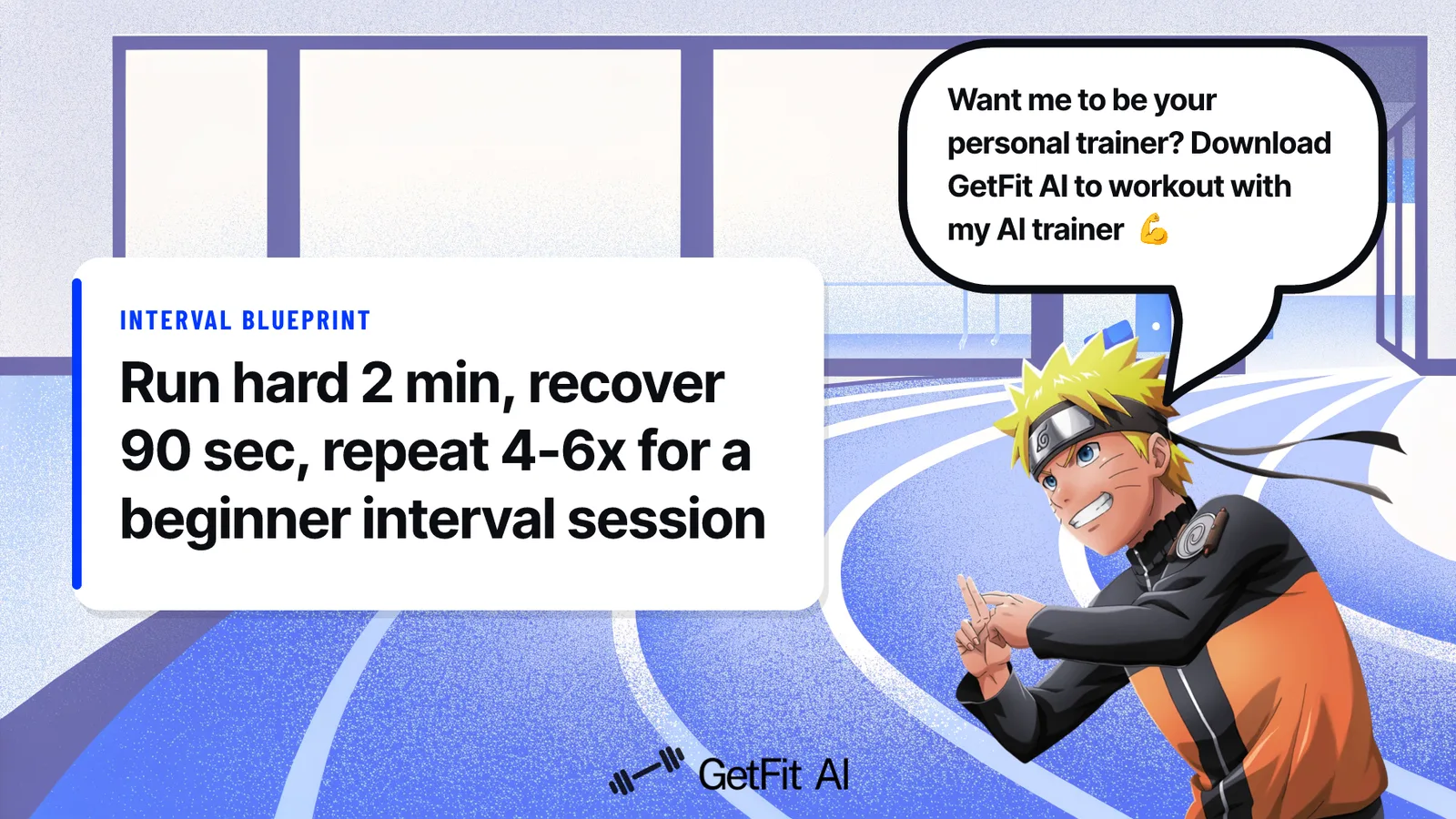
A beginner interval workout looks like this: warm up with 5 minutes of easy jogging, then run hard for 2 minutes (or one 400m lap if a track is available), jog easy for 90 seconds to recover, and repeat 4 to 6 times before cooling down with 5 minutes easy. That 90-second recovery window is required, and knowing exactly when each interval starts and ends matters just as much as the effort itself. GetFit AI’s free workout routines address this directly: from the first workout session, the app gives you a structured, scrollable exercise list so you can see your next interval step at a glance without breaking stride or doing mental arithmetic at a hard effort.
If a track isn’t available, the 2-minute time-based effort delivers the same cardiovascular trigger as a measured 400m repeat.
Why Intervals Drive Changes That Easy Miles Never Will
Short fast efforts improve speed and efficiency in ways that steady-state mileage cannot replicate. Neuromuscular coordination adaptations can begin within 24 to 48 hours of a hard stimulus, according to Nick Gornick DPT / Rebuilt PT’s May 2025 running adaptations breakdown. Showing up consistently for those hard sessions is where most beginners struggle, which is why accountability matters. GetFit AI’s structured training is most beneficial when you have a friend or workout partner using the app alongside you; shared sessions, challenges, and leaderboards create an external commitment that keeps the hard days from becoming optional.
The One-Repeat-Per-Week Progression Rule
Start at 4 repeats, then add no more than one repeat per week as the sessions begin to feel manageable. That one-repeat-per-week ceiling, recommended in Verywell Fit’s interval training guide, exists because adaptation from intervals happens during recovery, so rushing the progression undermines the process entirely. GetFit AI’s free workout routines are built around exactly this problem: you never have to wonder what comes next or how to scale up, because the program arc is already mapped across each session and across the full training program. Premium plans, available as a Weekly subscription at $1.99, a Monthly subscription at $4.99, or a Yearly subscription at $49.99, unlock athlete-style custom workout plans that adjust that arc to your specific progression rather than a generic template.
What Strength Exercises Help Runners Get Faster
Why Weak Glutes and Hips Bleed Speed From Every Stride
Research on running economy confirms that stronger glutes, hips, and calves directly enhance stride efficiency, translating to faster running speeds without additional cardiovascular strain, a finding supported by peer-reviewed work on Effects of Strength Training on Running Economy. Yet most recreational runners treat strength work as optional, logging heavy mileage while neglecting the muscles that make each stride count.
Some runners run seven days a week yet squeeze in fewer than 45 minutes of strength work across all of it, leaving significant speed gains on the table.
The Four Exercises That Directly Fix Running Economy
Squats, lunges, calf raises, and plyometrics (box jumps or broad jumps) target the exact muscle groups driving running propulsion, and knowing which to prioritize is half the battle. GetFit AI removes that friction entirely with Athlete-Style Custom Workout Plans that tell you precisely which exercises to perform, in what order, and for how many sets, from your very first workout session.
A Beginner Strength Circuit Finished in 20 Minutes
The circuit itself is straightforward: squats, lunges, calf raises, and box jumps or broad jumps, back to back. Rest 45 seconds between exercises.
Inside GetFit AI, this kind of Structured Training is built into every plan, sequenced, timed, and consistent across each workout session and across the overall training arc.
How Long It Actually Takes to Get Faster at Running and How to Track It
This section maps out what physiological adaptation actually looks like week by week, so you can measure your progress against a real frame of reference instead of guessing.
The 4-8 Week Window - What Physiological Adaptation Actually Looks Like on a Timeline
One of the most disorienting things beginners face is having no reliable frame of reference for how long speed improvement actually takes.
Endurance adaptations, improved oxygen delivery and cardiac output, begin showing up within 4-6 weeks of structured training. Unaging confirms that structured high-intensity work produces measurable cardiovascular and speed adaptations within weeks, but only when training targets the right physiological systems rather than simply accumulating easy miles. Unaging’s research on VO2 max and longevity further reinforces that the stimulus has to be specific.
A runner can feel noticeably fitter at week 6, conclude the plan is not producing speed, and quit before the adaptation they trained for ever lands. GetFit AI’s Athlete-Style Custom Workout Plans are built around this principle: from the first session, each workout is logged and sequenced to progress the right physiological targets in the right order, so the cumulative signal to your cardiovascular and neuromuscular systems stays coherent across the entire 8-12 week window rather than drifting toward comfortable mileage by default.
Replace Vague Feelings With a Monthly Time Trial
One poor night’s sleep or one missed long run does not erase eight weeks of cardiovascular and neuromuscular change, but without a monthly time trial anchoring your trend, that noise reads as evidence the plan has failed. GetFit AI’s workout execution and logging layer exists precisely for this moment: every session is recorded, so when doubt surfaces at week six, you are not relying on memory or mood.
Friends, challenges, and leaderboards inside GetFit AI are most impactful after you have connected with at least one training partner in the app, someone else whose logged sessions make your own consistency feel consequential.
Related Reading
- How to Deal With Performance Anxiety in Sports
- Hydration Tips for Athletes
- How to Build Mental Toughness in Athletes
- Food for Athletes During Competition
- Strength Training Workout for Runners
- Best Plyometric Exercises for Speed
- Exercises That Improve Muscular Endurance
- Conditioning Workouts for Athletes
- Speed Training for Athletes
- Balance Exercises for Athletes
- Best Core Exercises for Athletes
Why a Structured Adaptive Plan Closes the Gap That Speed Work Alone Cannot
Knowing the right workouts and actually completing them six weeks in a row are two entirely different problems. Most runners who plateau have already read the interval guides, watched the tempo run breakdowns, and bookmarked the training schedules. The gap is execution.

The Willpower Cliff
Willpower is a depletable resource, and structured speed work demands it at exactly the moments life pushes back hardest. Miss two sessions, feel hopelessly behind, quietly revert to casual jogging. That pattern is a predictable consequence of relying on motivation alone to carry a rigid plan. Research cited by The Resident in 2025 found that nearly half of runners (47%) say a run does not count unless they have tracked it, which reveals something important: runners are already psychologically dependent on external accountability structures to validate their effort.
How Adaptive Feedback Replaces the Rigid Plan
A rigid plan assumes every week goes to schedule. When it does not, the plan does not bend. For runners who have previously struggled with consistency because a missed week felt like a reason to quit entirely, an adaptive training plan solves this by reshaping around missed days automatically, removing the “I’m too far behind to restart” exit ramp that kills most self-programmed speed blocks.
Streaks and Friend Challenges Drive Consistency
Social accountability is a measurable consistency driver. GetFit AI’s friends, challenges, and leaderboards give that accountability a concrete, daily shape: a friend beating you on a leaderboard is a more reliable training prompt than self-discipline alone, a finding consistent with social accountability research showing that external commitment devices outperform internal motivation for sustaining exercise adherence (see: Strava’s year in sport data on social feature engagement and streak retention). One honest limitation: these social mechanics only activate meaningfully when at least one friend is also using the platform.
The gap between knowing what to do and consistently doing it is where most running plateaus live, and closing it requires more than a workout list.
Next steps
If your pace has barely moved despite months of consistent mileage, the path forward starts with accepting that mileage is the raw material, not the recipe. Running the same comfortable loop repeatedly programs your neuromuscular system to become more efficient at being slow, not faster. That is the ceiling. Breaking it requires a different stimulus entirely. Start with our AI fitness app.
The neuromuscular coordination insight makes this concrete: every easy run logged without pace variation is a fast, repeated vote to lock in your current speed as your body’s default, because those adaptations land within 24 to 48 hours of a stimulus. The timeline insight makes it urgent: speed adaptations tied to VO2 max and lactate threshold take 8 to 12 weeks to emerge even when everything is executed correctly, which means runners who quit at week six abandon a plan that was working. Together, they point to one action: start a structured, progressive plan now and track objective markers monthly so you can see the adaptation arriving before your race pace reflects it.
Start with GetFit AI, which builds your first custom workout plan from session one, rotates the right stimulus each week, and reshapes automatically around missed days so a skipped Wednesday never becomes a reason to quit. Connect with one friend inside the app and the social layer that keeps most runners consistent past week three activates immediately. The plan decides what you run today. You just run it.
Frequently Asked Questions
What’s the difference between a tempo run and an interval session, and do I need both?
They target different systems. Tempo runs, run at an effort where you can speak in short phrases but not hold a conversation for 15 to 20 minutes, build your lactate threshold, which controls how fast you can sustain pace before your legs give out. Interval sessions stress the cardiovascular and muscular systems in a way that steady mileage never reaches, and even one per week is enough to restart the adaptation signal. Both serve distinct roles, so dropping either one leaves a gap in your training.
Will adding strength training actually make me run faster?
Yes, because it directly improves running economy, the measure of how much energy each stride costs. Weakness in the glutes, hips, and core reduces running economy and increases injury risk because every stride loses power at the push-off phase. Two strength sessions per week targeting squats, walking lunges, calf raises, and single-leg work is enough to close most of this gap without adding meaningful fatigue to your running days.
How do I know if my easy runs are actually easy enough?
If your GPS watch shows every run landing within ten seconds of the same moderate pace, you are not running easy, you are running moderate every day, which is the training zone that produces the least adaptation per unit of fatigue. True easy effort means conversational pace, roughly a four out of ten on a perceived effort scale, and slowing down on easy days is often the fastest path to a faster race.
How long does it actually take to get faster from structured training?
Research on structured training timelines consistently points to a three to six month window before measurable pace improvement shows up in race or time-trial results. Speed-specific adaptations like lactate threshold and VO2 max take 8 to 12 weeks of the right stimulus to develop, not just accumulated mileage. The gap between effort and visible outcome is where most people abandon a plan that was actually working.
I keep running but never track my times, is that really hurting my progress?
Without a monthly timed effort or a consistent route where splits are recorded, there is no way to know whether training is working or which variable to change. Running a timed mile or a 5K effort on the same flat route once a month turns a vague feeling of being stuck into a concrete number you can actually manage. A runner who cannot say whether their 5K time has changed in the last 60 days has no signal to act on.