9 Best Balance Exercises for Athletes to Build Stability

Your nervous system outgrows a balance drill in two weeks. Here is the stage-by-stage progression that keeps it adapting, and the science behind why skipping it costs you more than a rolled ankle.
A substantial majority of non-contact ankle and knee injuries trace back to proprioceptive deficits, gaps in the nervous system’s ability to sense joint position and fire stabilizing muscles fast enough. That is a performance statistic, not just a rehab statistic. See our AI fitness app for how this works in practice.
“Athletes like trail runners cite falling as their primary fear, especially on technical downhill terrain, yet balance training is usually self-directed rather than coach-prescribed.”
— what we hear from trail runners / endurance athletes
Balance is the invisible layer underneath every athletic skill you already care about. A structured athlete training plan builds it in from day one, because the athletes who look naturally coordinated aren’t born that way; they’re quietly running progressions nobody posts about.
Balance is the invisible layer underneath every athletic skill you already care about.
Think about what actually happens when a basketball player cuts hard to the basket, or a soccer player holds their ground in a 50-50 challenge. The ankle, knee, and hip have to stabilize simultaneously, in milliseconds, before any force transfers to the ground. That stabilization is a trained neurological reflex, not a byproduct of squatting heavy. Skip the training and the reflex stays underdeveloped, no matter how strong your legs get.
The honest answer for why athletes skip it: it doesn’t feel hard enough. Balance drills don’t produce visible fatigue or a heavier number on a screen, so athletes dismiss them as warm-up filler.
A trail runner fearing technical descents, a basketball player rolling an ankle on a routine cut, a midfielder getting knocked off every challenge, these aren’t strength failures. They’re stability failures. Proprioception is the body’s position-sensing system: mechanoreceptors fire signals to the brain, which tells the right muscles to contract at the right moment. A 2023 systematic review in Human Movement confirmed that structured programs combining balance, speed, agility, and power are essential to athletic development, not optional extras.
Balance is the substrate everything else runs on.
Key takeaways
- Most non-contact ankle and knee injuries in sport trace back to proprioceptive deficits, not weak muscles, not bad luck.
- The pros who look effortlessly athletic aren't skipping balance work; they're doing single-leg progressions that never make it onto a highlight reel.
- Copying a balance drill from your feed and repeating it every warm-up feels productive, the nervous system adapts faster than you expect, and then nothing changes.
- Static control has to come before dynamic load, which has to come before reactive chaos; skipping that sequence is why most athletes plateau on the same shaky single-leg stance for months.
- A phase-based progression isn't a luxury add-on, it's the structural difference between building real stability and logging junk volume.
- 63% of new gym members quit before month three, and the most common trigger is hitting a wall mid-session with no one to answer the one question blocking the next rep.
- GetFit AI's Athlete-Style Custom Workout Plans close that gap: build a custom AI plan around your own goals and equipment, or step into an AI athlete's or trainer's plan and train in their style, either way, the program adapts as you get stronger so balance training is built in from day one, not bolted on after the fact.
What Random Balance Drills Without a Plan Actually Cost You
The problem with random balance drills is that your nervous system is far faster at adapting than most athletes realize, and once it adapts, the drill stops building anything.
How the Nervous System Plateaus on Repeated Balance Drills
That single-leg stand you’ve been holding for 30 seconds every Tuesday? Your nervous system likely solved it weeks ago.
Key takeaway: Your nervous system can plateau on a repeated balance stimulus in as little as one to two weeks, after which the same drill stops producing gains entirely.
GetFit AI’s Athlete-Style Custom Workout Plans are built around this exact reality. Starting from your very first workout session, the plan tracks your progress across each session and across the broader training arc so you can see concrete evidence that you’re adapting, not just showing up.
The Sequencing Trap of Unstable-Surface Work Before Single-Leg Stability
What most coaches and trainers consistently observe is direct: skipping foundational stability work before advancing to complex unstable-surface drills bypasses the nervous system’s required developmental hierarchy and elevates injury risk. Worse, a well-established principle of motor learning confirms that the nervous system encodes whatever motor pattern is repeatedly practiced, so bad reps actively wire in the wrong movement. Getting the sequence right from the start matters enormously, and that’s precisely what GetFit AI is built to handle.
When to Do Balance Work in Your Workout and How Often
Do balance work several times per week, at the start of your session. Fresh muscles fire more accurately, proprioceptive signals are cleaner, and motor learning sticks better before fatigue distorts movement patterns, as teams applying nervous system-based training design broadly report.
GetFit AI’s structured training layer builds that timing and frequency into your plan continuously, which is why it functions as the retention mechanism that keeps athletes training past the early weeks where most self-programmed routines stall. If you have a training partner or friends also using GetFit AI, the in-app challenges and leaderboards add an accountability layer that reinforces the structured progression further.
GetFit AI is available at $1.99/week, $4.99/month, or $49.99/year, so the cost of fixing your program is less than a single warm-up coffee.
Related Reading
- Why Am I Not Getting Faster at Running
- Does Masturbation Affect Athletic Performance
- Biomechanics in Sports
- Why is Protein Important for Athletes
- What is Speed and Agility Training
- How to Be a Better Athlete
- How Does Sports Psychology Help Athletes
- Why is Hydration Important for Athletes
- Why Do Athletes Train at High Altitudes
- Why Do Athletes Stretch Before a Game?
- IV Therapy for Athletic Performance and Recovery
- Yoga and Athletic Performance
- Red Light Therapy for Athletic Performance
9 Best Balance Exercises for Athletes Ranked by Training Stage
The nervous system adapts to a static balance drill faster than most athletes expect. That means the single-leg hold you copied from a highlight reel stops developing your proprioception almost before you’ve memorized the cue. The exercise isn’t broken; the missing piece is a stage-by-stage progression that adds load, instability, or eyes-closed demand on a predictable schedule. Without that structure, every balance routine becomes a maintenance routine pretending to be a development one.
The nine exercises below are ranked by training stage, not by difficulty rating or popularity. The order is the point. Work through them in sequence and the nervous system builds on each adaptation before the next challenge arrives. Skip ahead and you’re attempting dynamic and unstable-surface work on a proprioceptive foundation that isn’t ready, which is how athletes get hurt or plateau and blame the drill.
Why the Order Is the Whole Point
The Archives of Health and Exercise describe progressive balance training as a continuum from static to dynamic, with each stage building the neuromuscular adaptations required for the next. That continuum is exactly what this ranked list reflects. Skipping stages doesn’t save time; it removes the foundation the later drills depend on.
Most athletes who struggle with consistency in balance training aren’t lacking motivation. They’re lacking a structure that tells them when they’re ready to advance. That readiness signal, whether it’s a 60-second hold, eight clean reps, or a controlled landing, is what separates a development routine from a maintenance one. An AI fitness app like GetFit AI is most useful here when you have a specific performance or physique goal to train toward, whether that’s sport-style training inspired by an athlete you admire or a personal target you’ve set yourself. In either case, it can embed the right balance drill at the right training stage automatically, building a custom plan around your goal so the sequence below isn’t something you have to remember and schedule yourself.
Nine exercises in the right order is a list. Nine exercises mapped to phases, session slots, and progression triggers is a program, and that distinction is exactly what separates athletes who get visibly more stable from those who plateau after week three. After the ranked list below, the next section shows you how to take this sequence and wire it into a full training block so balance stops being an afterthought and starts being the foundation every other athletic quality is built on.
1. Static Single-Leg Stance - Foundational Proprioception Reset
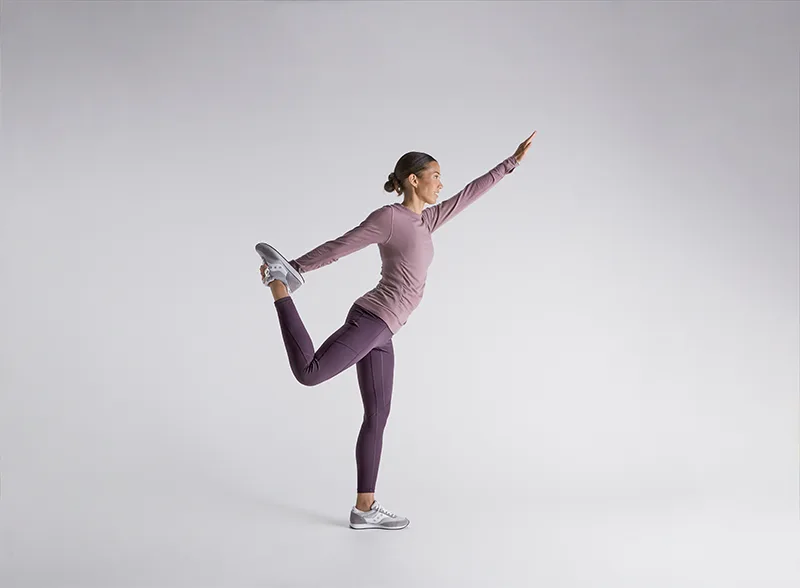
Single-leg balance is the entry point every athlete needs before anything else, because it isolates the unilateral proprioceptive demands that bilateral exercises like squats simply cannot replicate. Stand on one foot with a soft knee, hips level, and hold for 30 to 60 seconds. According to the Archives of Health and Exercise, single-leg exercises serve as the foundational starting point before advancing to dynamic or unstable-surface variations in any progressive balance program. Progress by closing your eyes, which strips out visual compensation and forces the ankle and hip stabilizers to handle the full proprioceptive load on their own.
2. Single-Leg Romanian Deadlift - Hip-Hinge Balance Builder for Posterior Chain
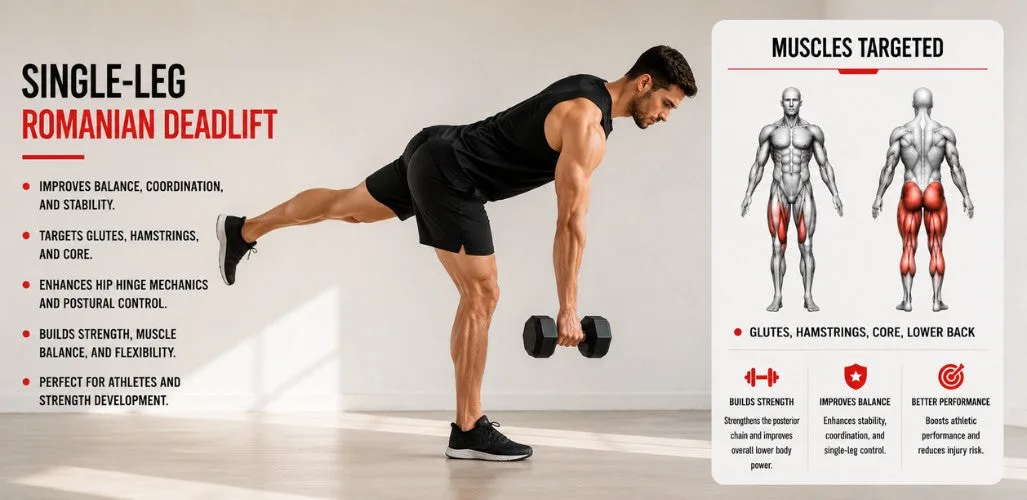
Hinge forward at the hips on one leg, extending the back leg behind you until your torso is roughly parallel to the floor, then return to standing. This is the drill that earns its ranking above static holds because of the posterior-chain demand it adds to the balance challenge. EMG research on single-leg Romanian deadlifts shows significantly higher hamstring activation compared to bilateral alternatives, meaning this movement builds the hip and hamstring strength that stabilizes the knee during cutting and landing. Progress by adding a light dumbbell in the opposite hand once you can complete a full set of clean reps without the standing knee caving inward.
3. Single-Leg Squat to Box - Controlled Eccentric Stability for Knee-Dominant Sports
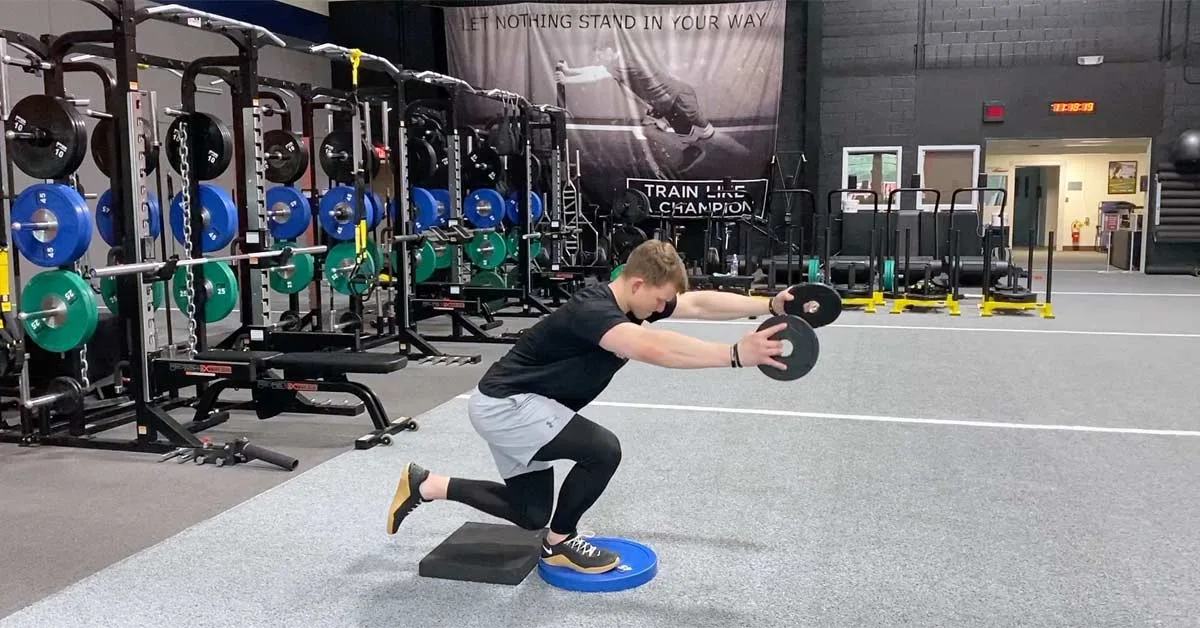
Stand on one foot in front of a box or bench set at knee height, push your hips back, and lower slowly until you just touch the surface before pressing back to standing. The box acts as a depth governor, so athletes who lack the eccentric control for a full pistol squat can still train the movement pattern safely and build toward it.
Knee tracking is the one cue that determines whether this drill transfers to sport: the knee must stay over the second toe throughout the descent. This is not the right pick if you cannot yet hold a static single-leg stance for 30 seconds without the hip dropping, because the squat pattern will reinforce the same compensation at higher speed.
4. Lateral Band Walk with Single-Leg Pause - Hip Abductor Activation for Cutting Athletes
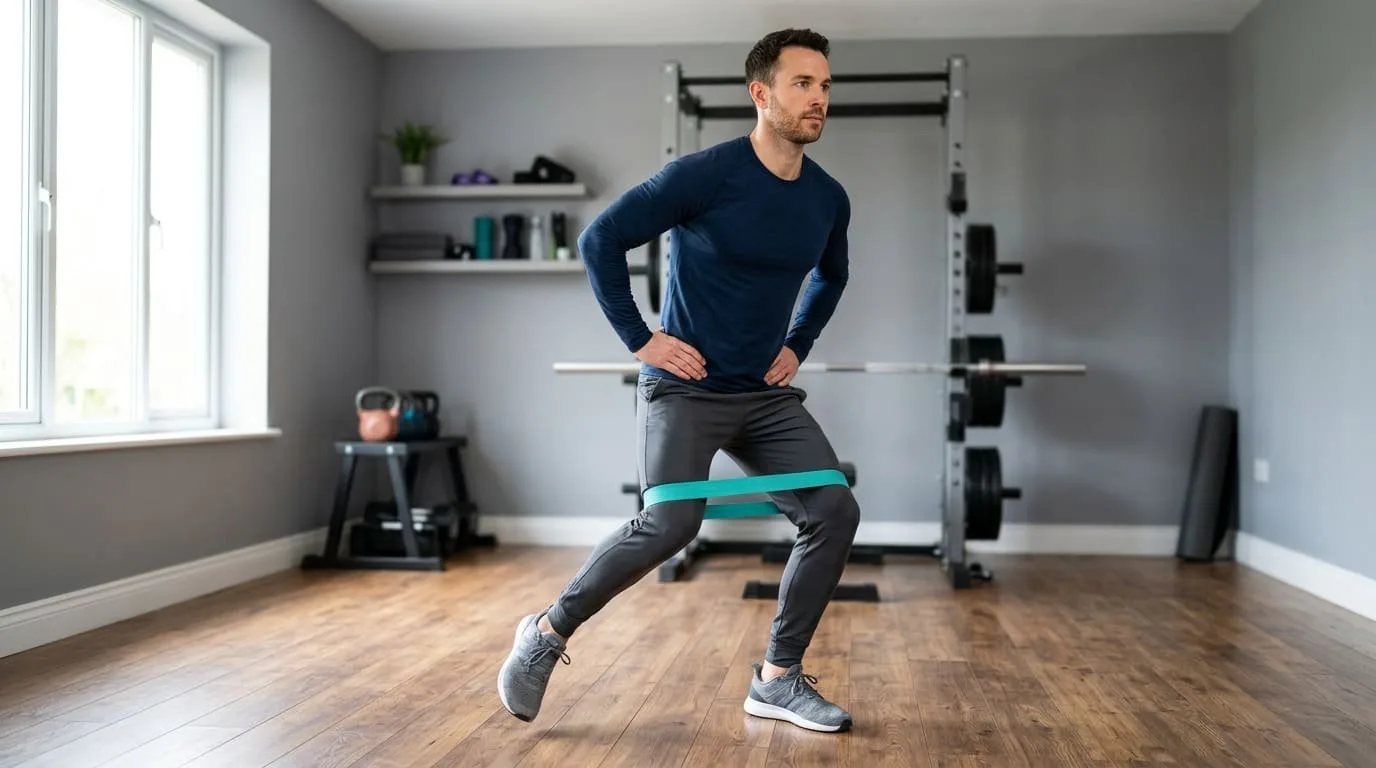
Place a resistance band just above the knees, take a lateral step, then shift your weight fully onto the lead foot and pause for two seconds in a single-leg stance before bringing the trail foot in. The pause is what separates this from a standard band walk: it forces the glute medius to stabilize the pelvis under load at the exact moment a cutting athlete would be absorbing lateral force. Weak hip abductors are a primary contributor to knee valgus on landing, so this drill addresses the root cause rather than the symptom. Progress by widening your step length or increasing band resistance once the two-second pause feels completely controlled with no hip drop.
5. Single-Leg Hop and Stick - Reactive Landing Control for Power-Sport Athletes
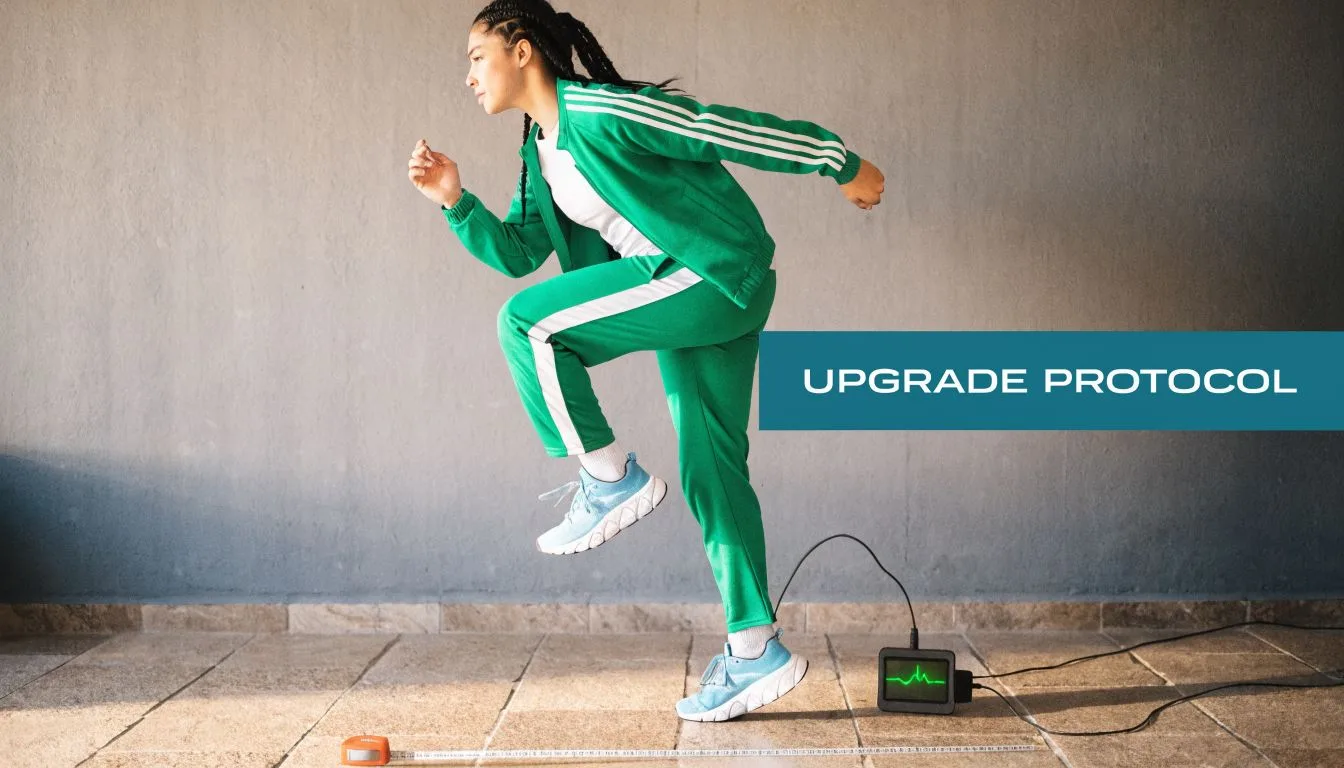
Jump forward, sideways, or diagonally off one foot, land on the same foot, and hold the landing position with full control before the next rep. This drill combines reactive force absorption with the proprioceptive demands of the earlier stages at once. Athletes who attempt this drill before completing stages one and two are practicing landing mechanics on a nervous system that hasn’t been trained to handle them.
6. Bosu Ball Single-Leg Stance with Arm Drivers - Unstable Surface Integration
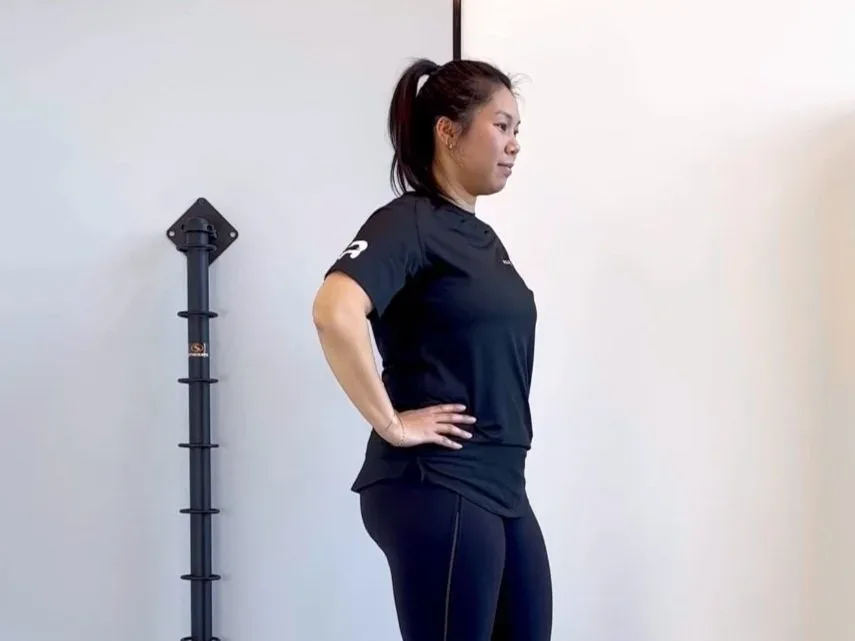
Stand on the dome side of a Bosu Ball on one foot, then move both arms through slow, deliberate patterns, such as reaching forward, overhead, and across your body, while keeping the standing foot stable. The arm drivers shift your center of mass continuously, which means the ankle and hip have to fire in real time to compensate, producing a proprioceptive demand that a static single-leg hold on flat ground cannot match. Research on unstable-surface training shows measurable balance performance improvements in sport athletes who integrate Bosu work into their programs, supporting this drill’s place in stage three rather than stage one. If a Bosu is unavailable, a folded yoga mat creates a comparable instability challenge for the arm-driver pattern.
7. Single-Leg Pallof Press - Anti-Rotation Balance for Rotational Sport Athletes
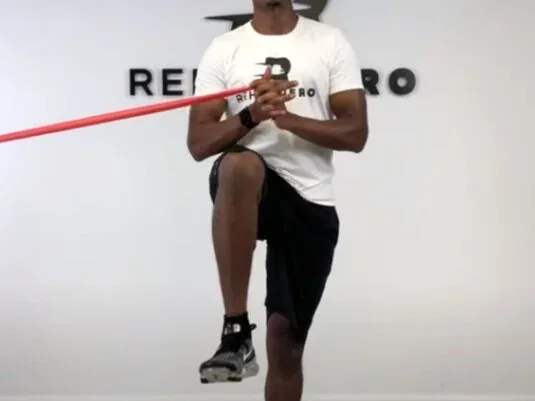
Attach a resistance band to a fixed anchor at chest height, stand perpendicular to it on one foot, and press both hands straight out from your chest before returning them to your sternum. The band pulls you toward the anchor on every rep, and your job is to resist that rotation while staying balanced on a single leg. This is the right drill for athletes in baseball, tennis, golf, or soccer who need to generate and absorb rotational force without losing a stable base. The honest limitation: the load has to stay light enough that your balance isn’t compromised; the moment you start swaying to complete the press, the anti-rotation benefit disappears entirely.
8. Single-Leg Cone Reach Series - Multi-Directional Dynamic Balance for Field Sports
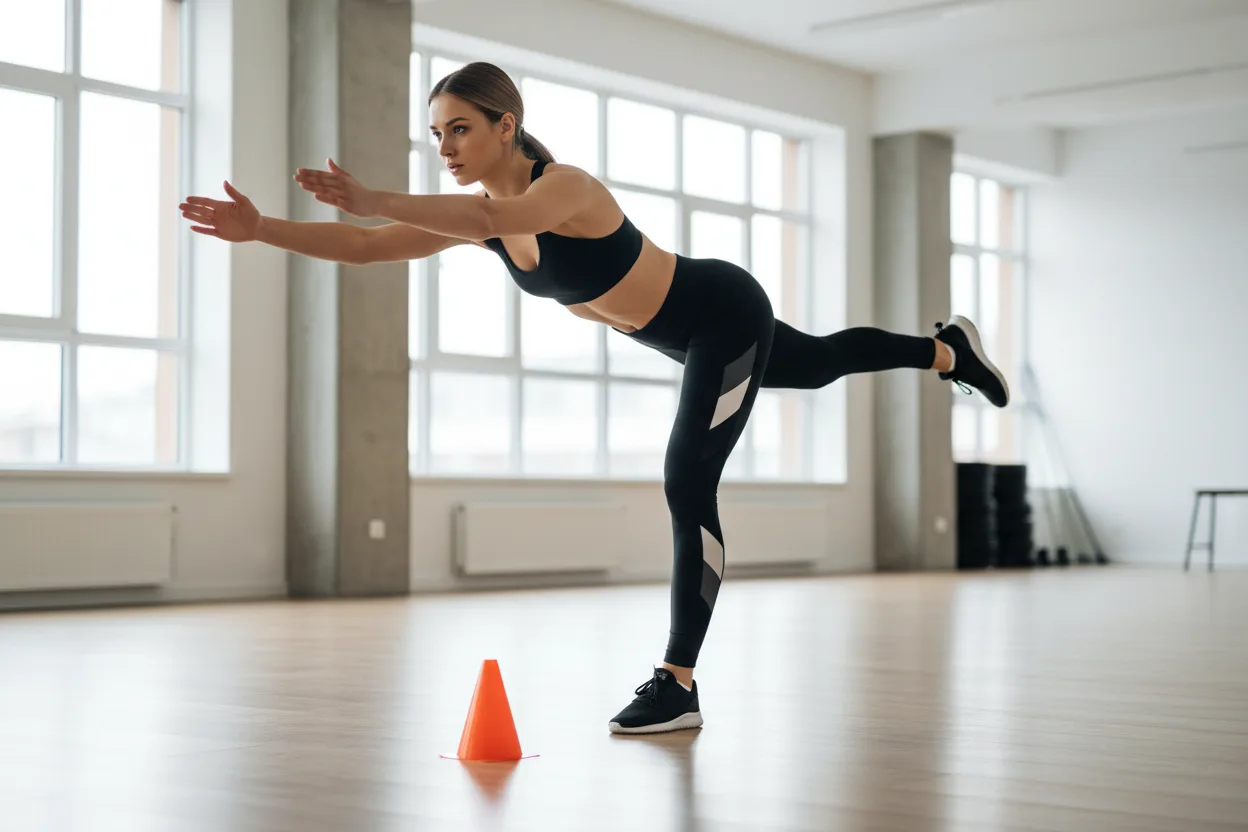
Place three to five cones in a semicircle around a center point, stand on one foot at the center, and reach forward to tap each cone in sequence without putting the raised foot down. Each reach shifts your center of mass in a different direction, training the hip, knee, and ankle to stabilize across multiple planes simultaneously. This is the drill that most directly mirrors the multi-directional demands of field sports like soccer and basketball, where balance is rarely tested in a single straight line. Progress by increasing the distance between the center point and the cones, which lengthens the reach and increases the demand on the hip stabilizers to control the movement.
9. Single-Leg Treadmill or Slide Board Deceleration - Sport-Specific Dynamic Stability Finisher
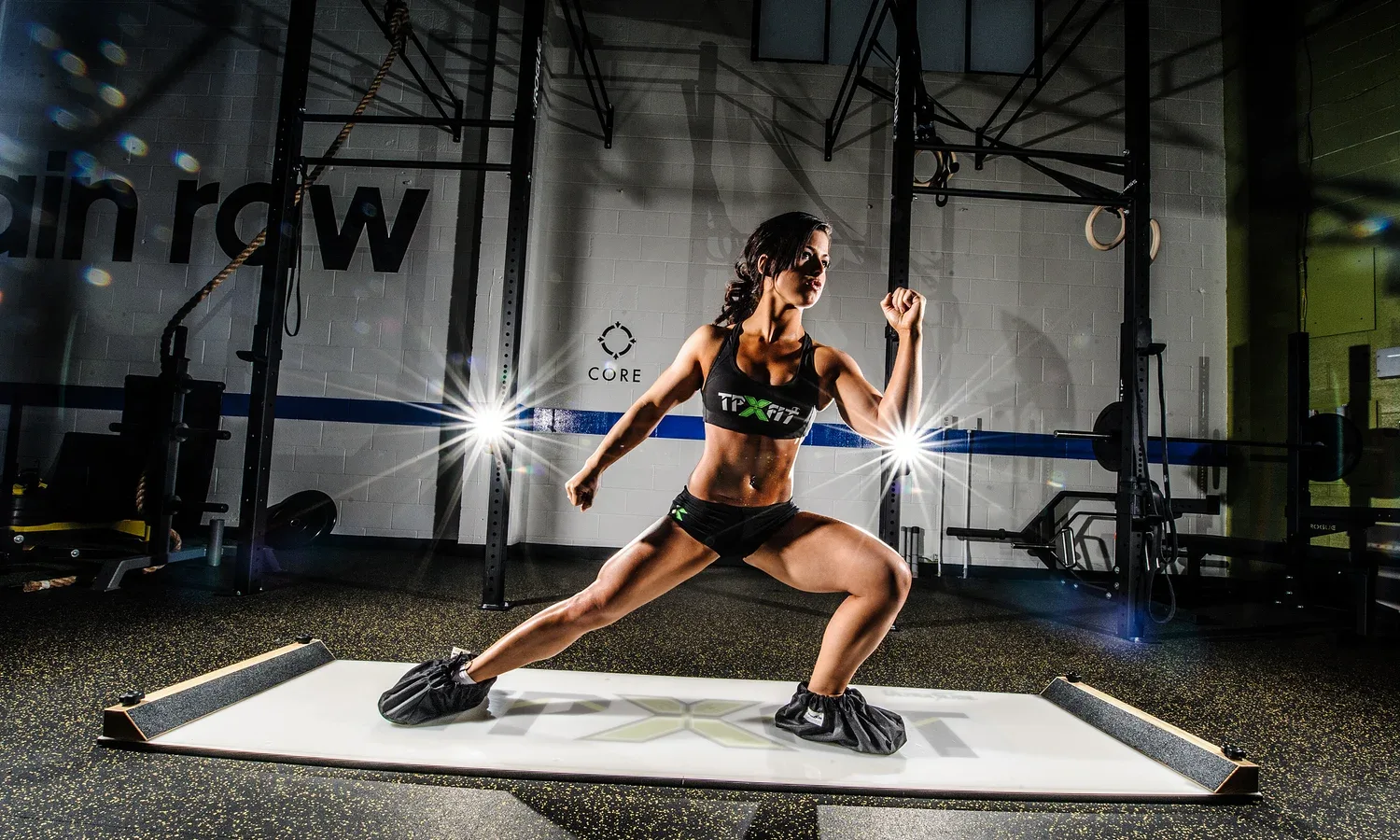
On a slide board, push off one foot, glide laterally, and land on the opposite foot with a bent knee, absorbing the force fully before the next push. On a treadmill set to a slow speed, practice single-leg stance holds while the belt moves beneath you, which adds a reactive element to an otherwise controlled environment. Plyometric landing mechanics training under real deceleration forces has documented ACL-risk reduction, which is the evidence base that places this drill last in the sequence rather than anywhere earlier.
Athletes who attempt reactive deceleration work before completing the static and dynamic stages are practicing force absorption on a nervous system that hasn’t been prepared to handle it, which is where injuries happen, not where progress does.
Related Reading
- Athletic Performance Analysis
- Does Vaping Affect Athletic Performance
- How to Avoid Feeling Sleepy After Workout
- How Does Sleep Affect Athletic Performance
- How to Measure Athleticism
- Velocity Based Training
- Building Stamina and Endurance
- Why Am I So Bad at Sports
- Endurance vs Strength Training
- Why Am I So Tired After Working Out
- How to Create a Personalized Workout Plan
How to Build a Progressive Balance Training Program Into Your Athletic Routine
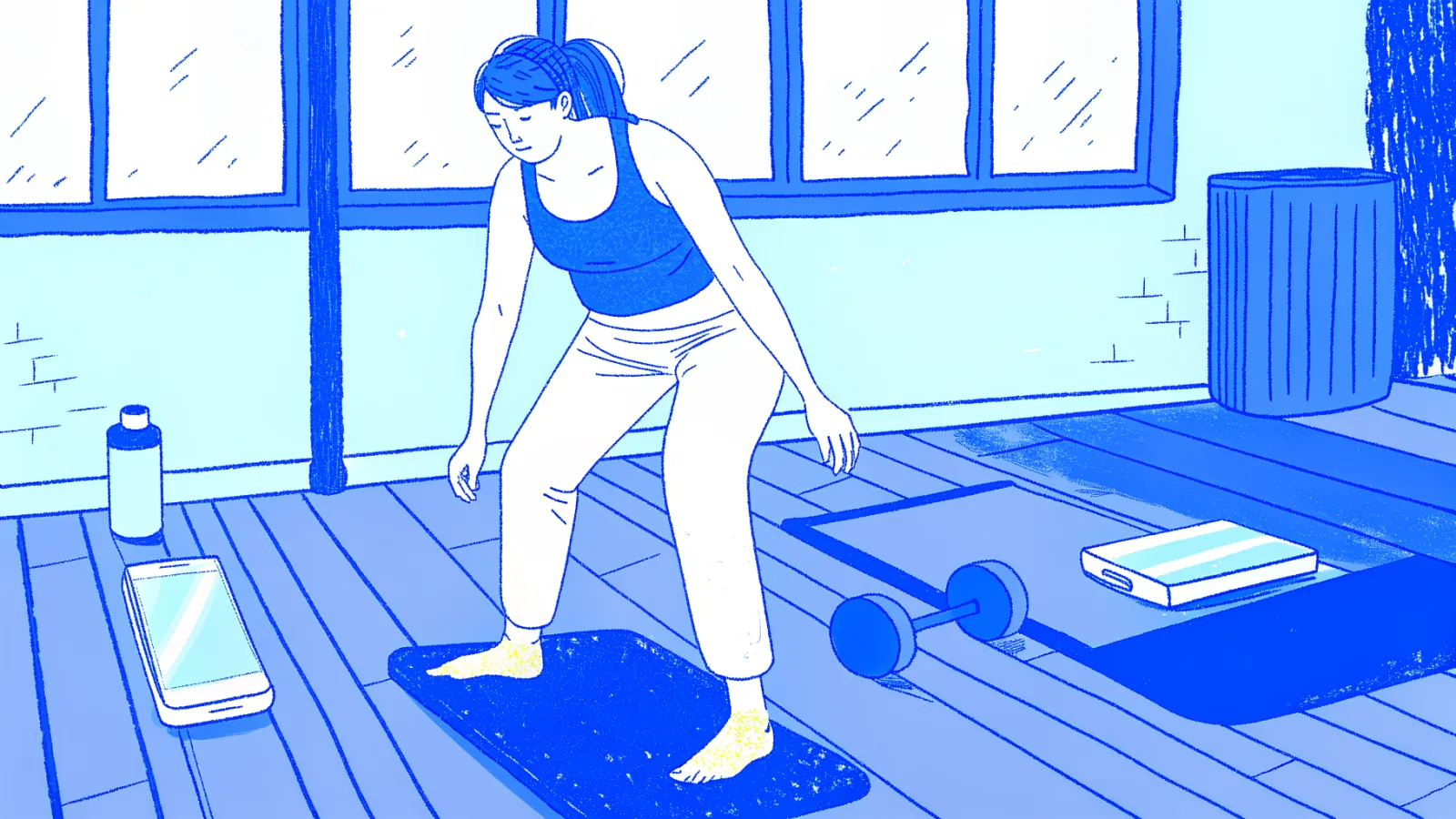
| Phase | Weeks | Focus | What You Do |
|---|---|---|---|
| Phase 1 | 1-2 | Static balance on flat ground | Both feet, then single-leg stance, held 30 seconds each side before every lower-body session. This is the nervous system's baseline calibration, not a warm-up filler. |
| Phase 2 | 3-5 | Add instability | Wobble boards, foam pads, or a folded mat. Same time demands, new sensory input. The neuromuscular system is forced to recruit stabilizers it ignored on solid ground. |
| Phase 3 | 6-9 | Dynamic loading | Single-leg Romanian deadlifts, lateral hops with a controlled landing pause, direction changes under light load. Balance now has to survive movement, not just stillness. |
| Phase 4 | 10 onward | Sport-specific chaos | Reactive drills, perturbation training, and unpredictable stimulus. This is where the earlier phases pay off in actual athletic performance. |
Session Placement - Where Balance Training Lives in a Workout
Balance training belongs at the start of a session, immediately after a general warm-up, before any heavy strength or conditioning work. Several sessions per week, placed at session-open, give the nervous system enough frequency to adapt without accumulating fatigue that undermines rep quality.
Phase Advancement - How to Know When You’re Ready to Progress
A reliable benchmark is a sustained single-leg stance with eyes closed, completed without a touch-down on several consecutive attempts, the graduation test for Phase 1. For Phase 2, the equivalent marker is completing a full set of controlled single-leg Romanian deadlifts per side with zero lateral trunk shift, confirmed across multiple sessions, before moving into dynamic loading.
-
Phase 1 → Phase 2: Single-leg stance, eyes closed, 30 sec each side, no touch-down on 3 consecutive attempts
-
Phase 2 → Phase 3: 10 controlled single-leg RDLs per side, zero lateral trunk shift, confirmed across 2 sessions
-
Phase 3 → Phase 4: Lateral hop-and-stick, controlled 2-sec landing pause, 8 reps each direction without knee cave
-
Phase 4 (ongoing): Reactive drill completion with no balance loss on 80% of reps across 2 consecutive sessions
Related Reading
- How to Deal With Performance Anxiety in Sports
- Hydration Tips for Athletes
- How to Build Mental Toughness in Athletes
- Food for Athletes During Competition
- Strength Training Workout for Runners
- Best Plyometric Exercises for Speed
- Exercises That Improve Muscular Endurance
- Conditioning Workouts for Athletes
- Speed Training for Athletes
- Best Core Exercises for Athletes
The Mid-Workout Problem Every Balance Training Guide Ignores
63% of new fitness-center members abandoned their activities before the third month. The single biggest trigger is hitting a wall mid-session with no one to answer the one question standing between you and the next rep.
Why Written Balance Guides Fall Short Once You’re Actually in the Gym
A PDF cannot talk back. You read the instructions at home, you walk into the gym, and the BOSU ball is taken. Or you start a single-leg Romanian deadlift and something in your hip feels off, but you have no idea if that is normal tension or a sign to stop. This pattern holds consistently across the market: athletes quit not from lack of motivation, but because unexpected mid-routine obstacles, wrong equipment, exercises that feel too hard, or no one to ask, leave them with no immediate path forward. The session falls apart. Eventually, the whole training category gets quietly abandoned.
Static guides assume the gym floor matches the plan. It never does.
Mid-Set Confusion Is a Coaching Problem, Not a Willpower Problem
The reason balance training disappears from athletes’ routines within weeks is structural, not personal. What most teams and trainers report bears this out: athletes with low prior activity and no personalised, in-the-moment support are the most likely to drop out entirely. That is a gap in the infrastructure around the training.
Key takeaway: Personal trainers solve the mid-session guidance gap cleanly, at rates that put consistent, session-by-session coaching out of reach for most high-school athletes training on their own.
How to Get Real-Time Guidance When You’re Stuck Mid-Set
This is exactly where an AI fitness app changes the equation. GetFit AI’s trainer chat closes that gap directly: ask whether your hip position is off on a single-leg squat, and the AI returns a coaching cue right there in the app. No BOSU ball? It can suggest an equipment substitute and a modified drill, keeping the session on track rather than derailed. This capability is most valuable when you lack access to or budget for a human coach, which describes most athletes training on their own.
The plan is built. The coach is in your pocket. The only thing left is the first rep.
Next steps
If your balance drills have stopped producing results within a few weeks of starting them, the path forward starts with a structured progression that earns each new stage rather than assuming readiness for it. Start with our AI fitness app.
The nervous system adapts to a repeated balance stimulus faster than most athletes expect, meaning any drill you repeat without adding load, instability, or eyes-closed demand quickly becomes a maintenance routine rather than a development one. That neurological reality means the sequence of exercises matters as much as the exercises themselves, and skipping foundational single-leg work before advancing to unstable surfaces actively encodes faulty movement patterns rather than correcting them. Together, these two realities point to one action: following a program that tracks where you currently are, matches you to the right stage, and advances you automatically when you have genuinely earned the next progression.
Start with GetFit to build a custom plan that sequences balance work in from session one. The app’s trainer chat handles mid-session questions in real time, so the obstacles that quietly kill solo balance routines never become reasons to abandon the training category entirely.
Frequently Asked Questions
How long before my nervous system stops adapting to the same balance drill?
Your nervous system can plateau on a repeated balance stimulus in as little as one to two weeks, after which the same drill stops producing gains entirely. That means a drill you’ve been doing every warm-up for a month likely stopped building anything after the first couple of weeks, it’s a program problem, not a discipline problem.
Can I use a wobble board or Bosu ball right away, or do I need to build up to it first?
You need to build up to it. Skipping foundational single-leg stability work before advancing to unstable-surface drills bypasses the nervous system’s required developmental hierarchy and elevates injury risk. In the phase plan above, wobble boards and foam pads don’t appear until Phase 2, after you can hold a 30-second single-leg stance with eyes closed, and the Bosu single-leg stance with arm drivers sits at stage three of the ranked exercise list.
When in my workout should I do balance training?
Do balance work at the start of your session, before fatigue sets in. Fresh muscles fire more accurately, proprioceptive signals are cleaner, and motor learning sticks better before fatigue distorts movement patterns.
I’m a runner, is balance training actually relevant to me?
Yes. The post specifically cites a trail runner who fears technical downhill terrain as an example of a stability failure, not a strength failure. Because most non-contact ankle and knee injuries trace back to proprioceptive deficits, structured balance training is directly relevant to runners navigating uneven surfaces.
What actually counts as athletic balance, isn’t it just not falling over?
Athletic balance is the trained neurological reflex that allows the ankle, knee, and hip to stabilize simultaneously, in milliseconds, before any force transfers to the ground during movements like cuts, landings, or 50-50 challenges. The underlying system is proprioception, mechanoreceptors in the joints and muscles fire signals to the brain, which tells the right muscles to contract at the right moment, and it can be deliberately developed through a progressive, stage-by-stage training program.