11 Ways How to Be a Better Athlete and Stop Holding Back
Hard work is not the problem. The problem is repeating the same stimulus until your body stops adapting, and never knowing it happened. Here is how to break the cycle for good.
Showing up is not the problem. The common assumption is that hard work and consistency are enough, that if you put in the hours, the body will eventually adapt and results will follow. The real problem is what happens, or rather what stops happening, after the first few weeks of training. Your body reads a repeated stimulus, adapts to it fast, and then simply stops responding. That cycle plays out quietly, without warning, until months of effort have produced almost nothing measurable. See our AI fitness app for how this works in practice.
The body’s adaptation window is brutally short. Lifters training without a structured progressive overload plan stop making measurable strength gains within the first few weeks, often as early as week three, because a fixed stimulus gives the body no reason to keep changing. It is basic physiology.
Most gym-goers are not lazy. They are structurally stuck. Without deliberate changes to load, volume, or intensity, the body habituates and results stall regardless of hours invested. As industry research puts it, “consistency without a structured plan produces no new adaptation stimulus.” The invisible ceiling is a system running on repeat.
consistency without a structured plan produces no new adaptation stimulus
The culprit is the absence of a plan that tells you exactly what to do today, how to progress next week, and when to change the stimulus entirely, precisely the gap that athlete-style custom workout plans close.
Key takeaways
- Your body adapts to a repeated stimulus fast, usually within a few weeks, and then stops responding entirely, no matter how hard you push.
- 65% of beginner gym-goers who start without a structured program quit within three months; the dropout isn't laziness, it's the absence of architecture.
- Forty-five minutes of hard work on the same three machines, three times a week, produces nothing after the first adaptation window closes, effort without progression is just maintenance.
- Willpower isn't the bottleneck. The missing piece is a system that tells you what to do today, what to eat, and what to change the moment you stop progressing.
- Collecting coaching cues and saved workout videos means nothing if the correction never makes it into next week's session, observation without a feedback loop is noise.
- For athletes managing ADHD or anxiety, a structured plan isn't a preference; it's the difference between a session that builds something and one that burns time.
- GetFit AI's Athlete-Style Custom Workout Plans close that loop directly: build a custom plan around your own goals and equipment, or train in the style of an AI athlete or trainer, and the plan adapts as you get stronger, so the system never goes stale.
What Staying Stuck Without a Plan Actually Costs You
Hard work and consistency alone are not enough. What most people report bears this out: most people quit by February precisely because effort without structure produces nothing measurable to hold onto, and nothing measurable means nothing worth continuing.
“Training without a structured plan led to severe under-preparation for the bike leg, resulting in an agonizing 8+ hour ride with no pacing strategy and near-cutoff panic, a direct cost of having no plan.”
— what we hear from triathlon athletes

The Zero-Stimulus Trap: Why the Same Workout Twice Is Wasted Time
From what we see across the market, random machine-hopping with no structured plan produces zero adaptive stimulus, so the body has no biological reason to change regardless of hours logged. Repeating the exact same session at the same load sends the same signal every time, and once the body has adapted, that signal stops producing change. A progressively harder stimulus each week is exactly what progressive overload delivers and random training never will.
The Nutrition Blindspot That Makes Every Hard Session Invisible in the Mirror
Across the market, this nutrition blindspot stands out as a core reason the mirror never changes: people train hard but eat in a way that directly undermines their goal because nobody has mapped their intake to their output.
Effort does not compensate for a calorie surplus you cannot see and did not know you were running.
Mid-Workout Dead Ends: The Hidden Cost of Having Nobody to Ask
From what we observe across the market, mid-workout confusion is a direct injury and dropout driver: wrong form, unfamiliar exercises, and no coaching support push beginners toward guessing or abandoning the session entirely. Guessing on form is how acute injuries happen, and one bad session can end a training block that was finally building momentum.
GetFit AI’s custom workout plans give you a plan that tells you exactly what to do today, adapts as you get stronger, and puts an AI trainer in your pocket the moment you are confused mid-session. Every one of these costs is reversible the moment you swap randomness for a repeatable system.
Related Reading
- Why Am I Not Getting Faster at Running
- Does Masturbation Affect Athletic Performance
- Biomechanics in Sports
- Why is Protein Important for Athletes
- What is Speed and Agility Training
- How Does Sports Psychology Help Athletes
- Why is Hydration Important for Athletes
- Why Do Athletes Train at High Altitudes
- Why Do Athletes Stretch Before a Game?
- IV Therapy for Athletic Performance and Recovery
- Yoga and Athletic Performance
- Red Light Therapy for Athletic Performance
11 Ways to Be a Better Athlete Starting This Week
Sixty-five percent of beginner gym-goers who start without a structured program quit within the first three months. That number is about what happens when effort has no architecture to attach itself to, exactly the trap a repeatable system is designed to close.
And for athletes managing ADHD or anxiety, that architecture matters even more: when mental health challenges are already taxing executive function and motivation, a vague plan does not bend, it breaks. The tips below are each a gear.
Skip one, and the others spin without catching. Use them together, and something shifts.
Training in the style of an athlete you admire is one of the fastest ways to close the gap between where you are and where you want to be. GetFit AI’s Athlete-Style Custom Workout Plans are built around exactly that impulse, letting you train the way the athlete you follow actually trains, from the first session, with a plan that adapts as you get stronger rather than staying static while you outgrow it.
The honest caveat across all eleven tips: none of them work in isolation, and most beginners already know several of them. Knowing a tip and executing it inside a system that connects nutrition to training, training to recovery, and recovery back to progression are two completely different things. Isolated tips are information. A system is what converts information into adaptation.
That system also has to keep you training past the point where motivation naturally fades, and PATH Fit points to week three as the danger zone where beginners are most likely to disappear. GetFit AI addresses this directly through:
-
Friends
-
Challenges
-
Leaderboards
This social layer is most effective once you have connected with at least one friend or workout partner also using the app, and it operates continuously as the retention mechanism that makes week four, eight, and twelve feel as anchored as week one.
Eleven tips is a list. What turns a list into athletic progress is the architecture that connects them: the sequence, the feedback loop, and the system that tells you when to push and when to adapt. The tips come first, and the section after them builds that system.
1. Build a Structured Weekly Workout Plan Before You Touch a Weight
A structured plan is the single biggest separator between athletes and everyone else wandering between machines. Research found that most beginners quit from lacking a structured plan with clear direction. Write your sessions for the week before Monday arrives: exercises, sets, reps, and target loads. That five-minute planning window is the difference between a productive hour and another lap of the same three machines.
2. Commit to Strength Training 3-4 Days Per Week for Measurable Gains
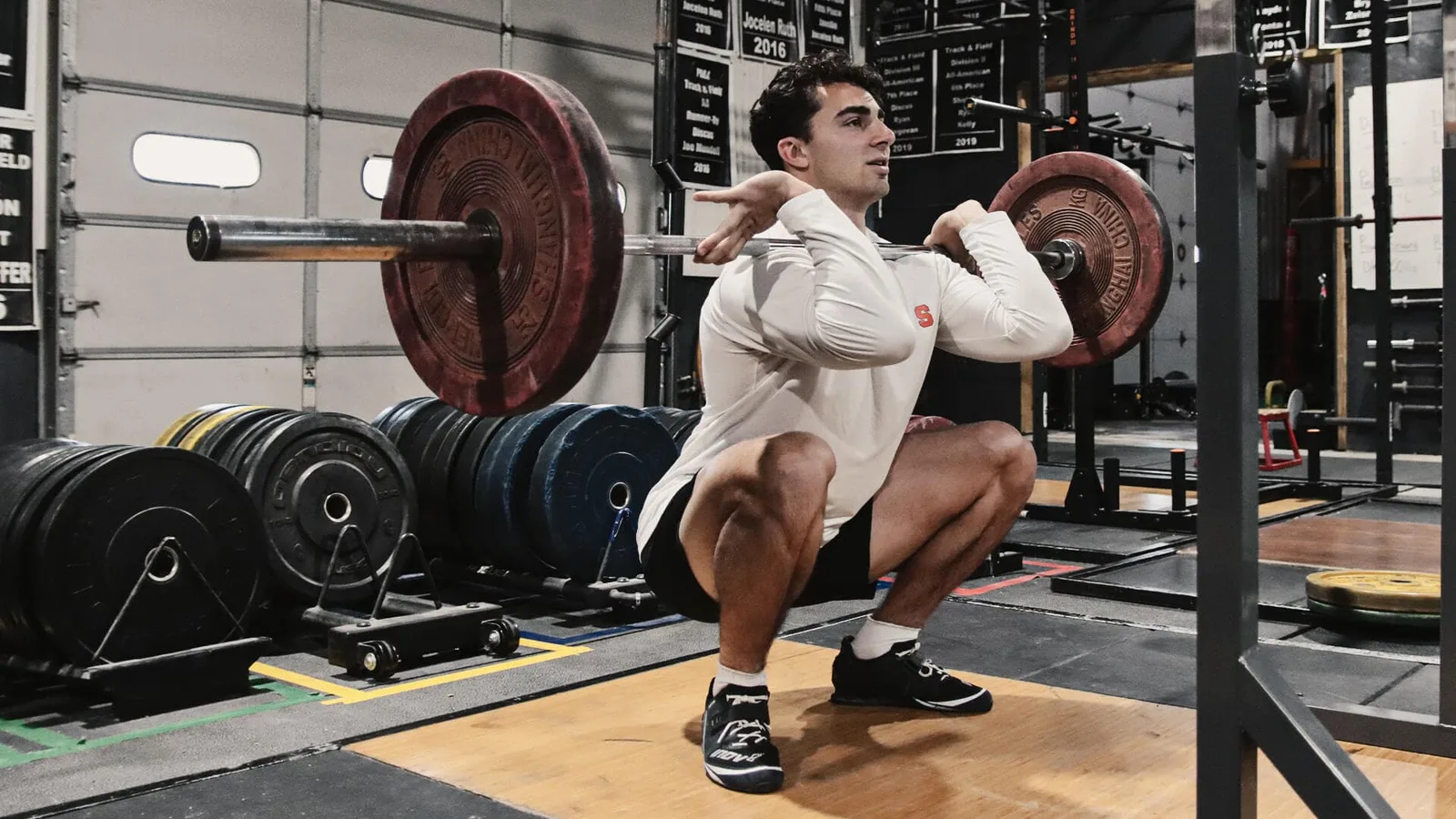
Strength training three to four days per week produces better gains than daily sessions for beginners, because muscle tissue repairs and grows during rest, not during the workout itself. The debate over whether three or four days is optimal misses the point: either beats one or five, provided each session has progressive intent and logged results to prove it.
3. Master Basic Sport-Specific Drills Before Advancing to Complex Techniques
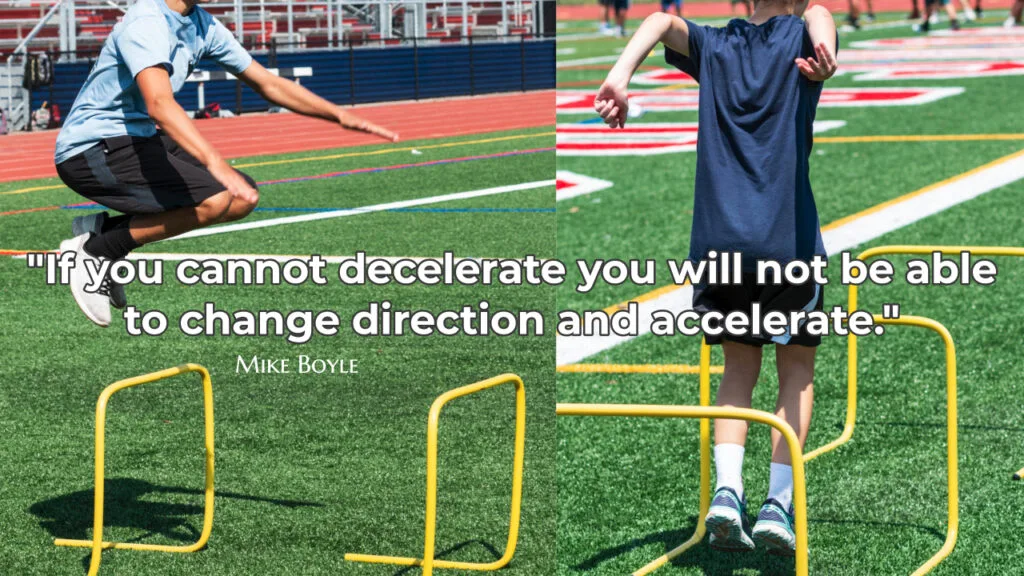
Athletes build on a foundation of mastered basics. Pick three to five drills that directly mirror the physical demand of your goal, whether that is a squat pattern, a lateral cut, or a hip hinge, and repeat them until they feel automatic. Attempting advanced techniques before the basics are locked in is how form breaks down under load and how injuries happen with nobody around to catch them.
4. Add Cross-Training Once Per Week to Break Plateaus and Prevent Overuse Injuries

Cross-training, swimming for a runner, cycling for a basketball player, rowing for a soccer athlete, challenges your cardiovascular system and stabilizer muscles in ways your primary sport never does. This unlocks hidden athletic potential and dramatically reduces overuse injury risk. Athletes who cross-train one day per week report faster recovery and broader physical capacity. The tradeoff: it requires ego-checking, since you’ll be a beginner in a new discipline.
5. Do 10-15 Minutes of Daily Mobility Work to Move Like an Athlete, Not a Desk Worker

Mobility is the silent separator between athletes who stay healthy and those who constantly break down. A daily 10-15 minute routine combining dynamic stretches, hip openers, and thoracic rotations improves range of motion, corrects posture, and primes your nervous system for performance. Tom Morrison’s approach emphasizes posture-corrective movements that deliver maximum benefit for minimum time. The tradeoff: results take two or more weeks of daily practice before they feel significant.
6. Fuel Athletic Performance with Whole Foods Timed Around Your Training Sessions

Proper nutrition for athletes starts with lean meats, vegetables, whole grains, and fruits timed around training. A meal or snack containing both protein and carbohydrates within ninety minutes of a session accelerates muscle repair. The real friction, especially for anyone working full time, is prep time, and the “what should I even eat?” paralysis that follows quietly derails weeks of solid training before the athlete even notices. Batch-cooking two proteins and two carbohydrate sources on Sunday eliminates it.
7. Use an AI Fitness App to Train in the Style of Elite Athletes with Real-Time Coaching

One of the biggest advantages available to modern athletes is personalized, always-on coaching. GetFit AI functions as an AI fitness app that lets you train in the style of a specific athlete or trainer, with an AI coach available mid-workout to correct your form and suggest substitutions when equipment or energy levels change. This closes the gap between having a plan and executing it correctly. The tradeoff: it works best when you already understand basic movement patterns.
8. Hydrate Strategically - Before, During, and After Training, Not Just When Thirsty
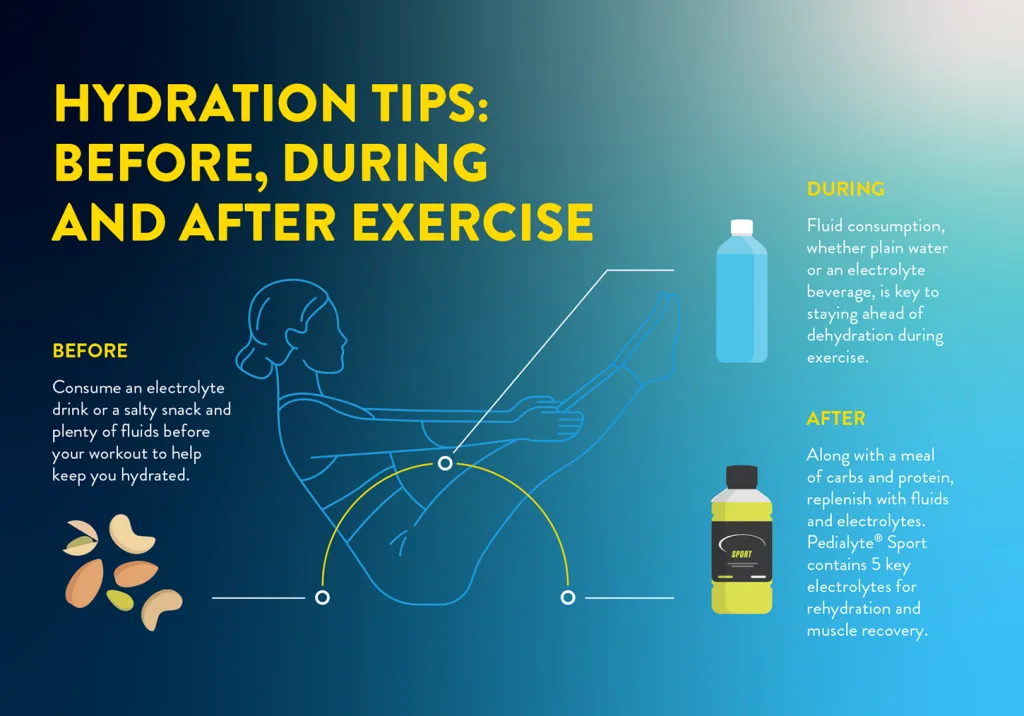
Thirst is a lagging indicator. A loss of just two percent of body weight through sweat produces measurable declines in strength, endurance, and reaction time before you feel the urge to drink. Hydration before, during, and after training is the infrastructure everything else runs on.
9. Prioritize 8-9 Hours of Sleep as Your Most Powerful Recovery Tool
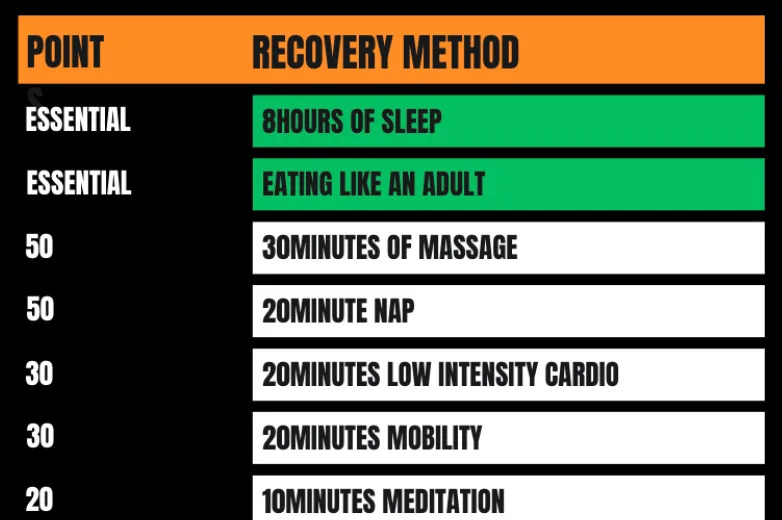
Sleep is when muscle repair happens. Athletes who consistently undersleep show measurable drops in reaction time and power output, two qualities that define athletic competitiveness. Eight to nine hours is the target, not a luxury. If your schedule makes that total difficult, protect the consistency of your sleep window first; irregular sleep timing disrupts recovery even when the total hours look adequate on paper, leaving you training on a body that never fully reset.
10. Set Specific, Measurable Athletic Goals with a 4-Week and 12-Week Horizon
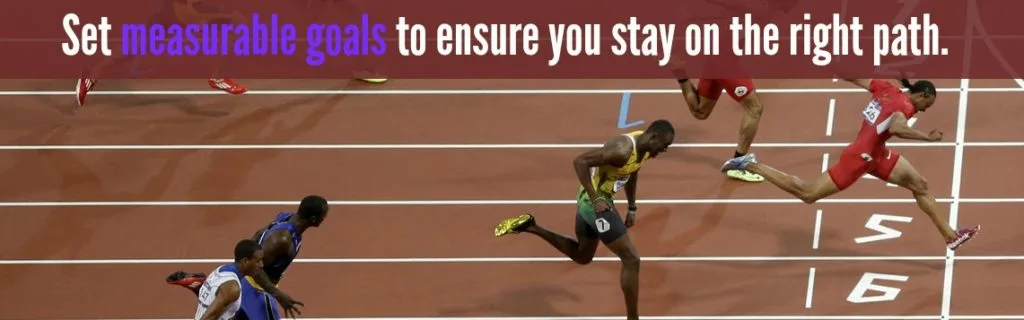
Vague intentions fail predictably. “Get stronger” is not a goal. “Add five pounds to my squat within four weeks and hit a bodyweight squat within twelve” is. Written goals with two horizons give you a short feedback loop to catch problems early and a long horizon to stay motivated past the first plateau. Athletes managing ADHD or anxiety know this gap between intention and execution acutely; the cognitive load of tracking progress without a structure that surfaces it automatically is real, and it is exactly where a system that logs and adapts inside each session removes friction that willpower alone cannot.
11. Study Film of Elite Athletes and Review Your Own Mistakes to Accelerate Skill Development
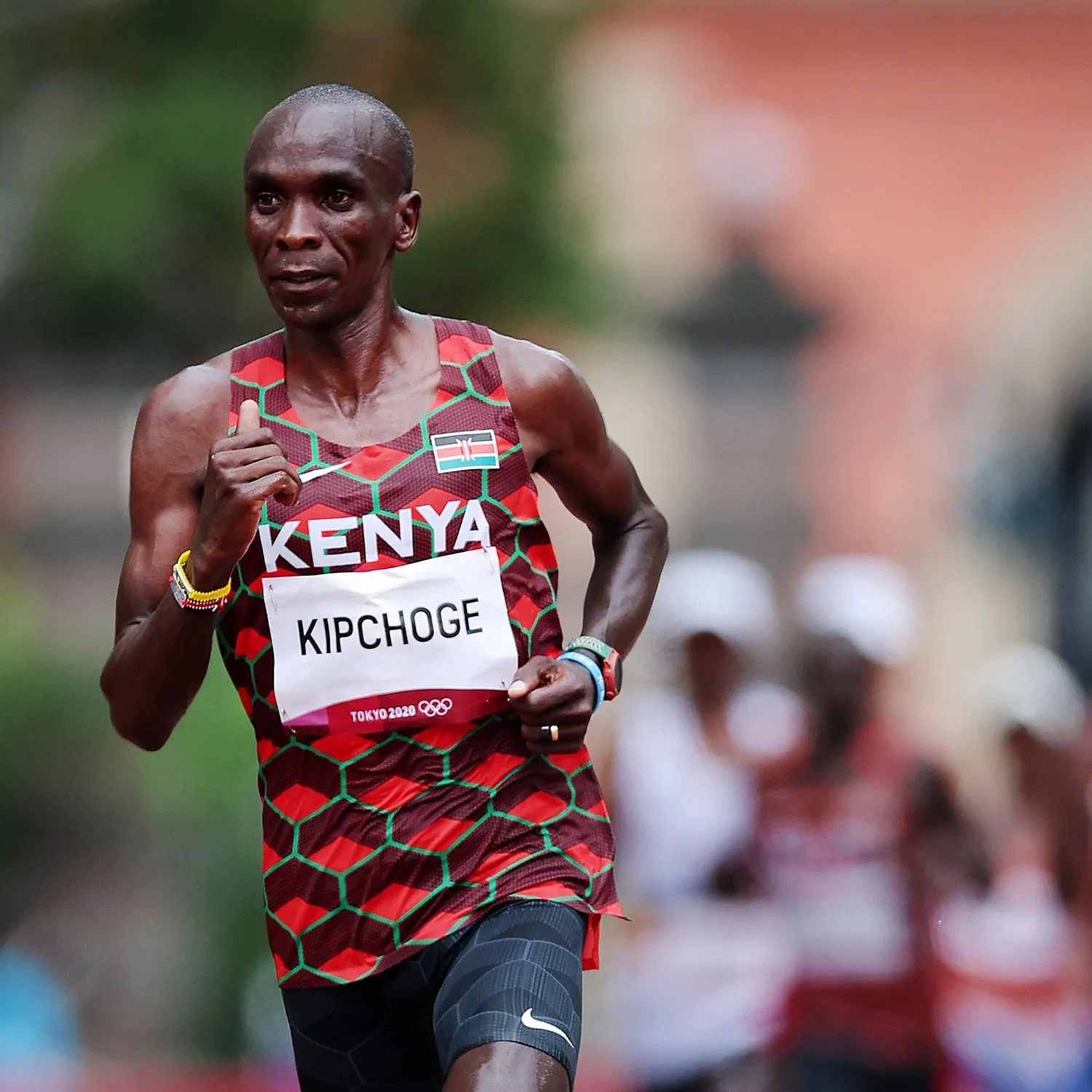
Film study is not just for professionals. Watching how a specific athlete positions their body during a lift, a sprint, or a change-of-direction drill gives you a mental model to imitate before you attempt the movement yourself. Then record a set on your phone, watch it back, and identify one thing to fix next session. This loop of observe, attempt, and review is how skill compounds faster than effort alone ever could, and it costs nothing except the habit of paying attention.
Related Reading
- Athletic Performance Analysis
- Does Vaping Affect Athletic Performance
- How to Avoid Feeling Sleepy After Workout
- How Does Sleep Affect Athletic Performance
- How to Measure Athleticism
- Velocity Based Training
- Building Stamina and Endurance
- Why Am I So Bad at Sports
- Endurance vs Strength Training
- Why Am I So Tired After Working Out
- How to Create a Personalized Workout Plan
The System That Turns These Tips Into Real Athletic Progress
Knowing what to fix means nothing if the fix never makes it into next week’s session, and most beginners collect corrections the way they collect saved videos, without ever acting on them.
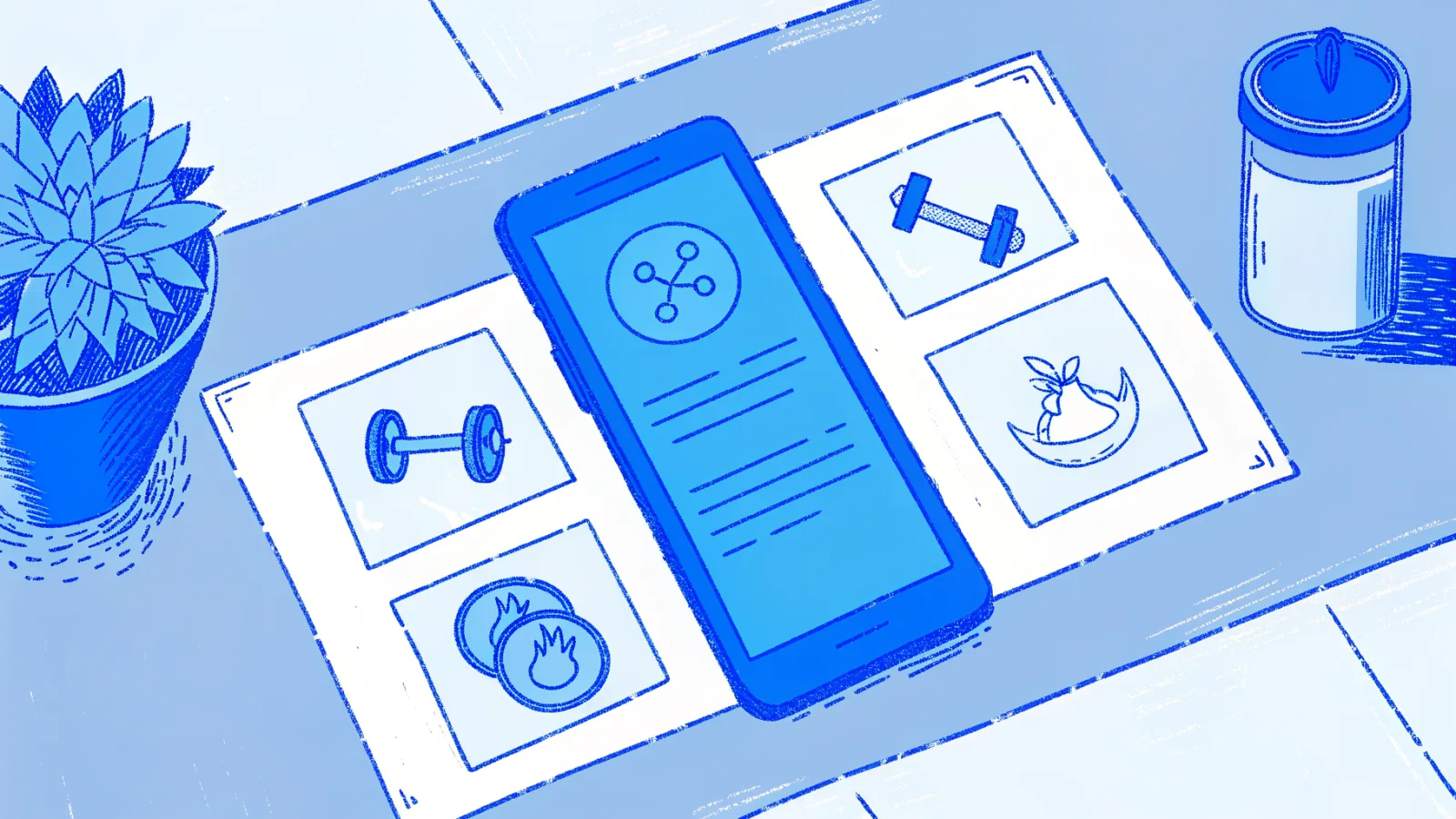
Why Isolated Tips Don’t Produce Adaptation
Reading about progressive overload is not the same as applying it in sequence, adjusting load each week, and eating enough protein to support the repair. Without that connected execution, individual pieces of good advice remain inert.
Key takeaway: Every individual variable, progressive overload, sleep, nutrition, form, works in isolation only to a point. The real performance gap opens when those variables are disconnected from each other; the athletes who pull ahead are doing the same things inside a connected structure where each variable reinforces the others.
That connection matters because a hard training stimulus paired with misaligned nutrition is a signal the body cannot fully express; corrected form without progressive load is technique without adaptation.
3 Problems That Kill Beginner Progress in the First Three Weeks
Real-time coaching access is a key differentiator between programs that produce results and those that stall, particularly for beginners who cannot self-correct. The three friction points that compound into quitting are:
-
Walking in with no plan and defaulting to the same machines, the same weights, the same stimulus that produced nothing last week.
-
Finishing a session and having no idea what to eat, so months of effort never show up in the mirror.
-
Hitting an unfamiliar exercise mid-session, guessing on form, and quietly skipping it next time.
What a Complete Beginner Athlete Training System Looks Like
-
A custom workout plan that tells you exactly what to do today and adjusts as you get stronger.
-
A calorie and macro calculator so your nutrition supports the stimulus you just created.
-
An AI trainer you can ask the moment something goes wrong mid-session.
A principle widely held across the fitness and sports science space is that exercise is activity performed for general health, while training is a structured, progressive process designed to produce a specific adaptation; only training reliably converts effort into measurable results.
Key takeaway: An AI fitness app like GetFit AI closes that gap by pairing a custom workout plan with anytime AI trainer access so you always have a system telling you exactly what to do next.
Related Reading
- How to Deal With Performance Anxiety in Sports
- Hydration Tips for Athletes
- How to Build Mental Toughness in Athletes
- Food for Athletes During Competition
- Strength Training Workout for Runners
- Best Plyometric Exercises for Speed
- Exercises That Improve Muscular Endurance
- Conditioning Workouts for Athletes
- Speed Training for Athletes
- Balance Exercises for Athletes
- Best Core Exercises for Athletes
Next steps
If months of consistent effort have left you with nothing measurable to show for it, the path forward starts with replacing unstructured repetition with a connected system where training, nutrition, and recovery reinforce each other rather than running in parallel and canceling out. Start with our AI fitness app.
The body adapts to a given stimulus within weeks, which means repeating the same sessions at the same loads is not consistency, it is compounding in the wrong direction. And because the body does not improve in modules, a hard training stimulus paired with misaligned nutrition is a signal it cannot fully express. Those two realities point to the same next step: stop layering tips onto an unstructured routine and step into a plan that links each variable to the others from session one.
Start with GetFit AI. Your custom plan is built at onboarding around your goals and available equipment, progressive overload is applied automatically each week, and an AI trainer is available the moment something goes wrong mid-session. Connect with one friend in the app and the social layer handles the retention problem that drops most beginners before week four ever arrives.
Frequently Asked Questions
How long before my body stops responding to the same workout?
The adaptation window is surprisingly short, the post notes that lifters training without a structured progressive overload plan can stop making measurable strength gains as early as week three. Once your body has read a repeated stimulus, it has no biological reason to keep changing.
Do I really need to train three or four days a week, or will more sessions get me there faster?
More is not better here. Strength training three to four days per week produces measurably better gains than daily sessions for beginners because muscle tissue repairs and grows during rest, not during the workout itself. Either three or four days beats one or five, as long as each session has progressive intent.
I eat pretty well and train consistently, why does the mirror never change?
The post points to a nutrition blindspot as the core culprit: people train hard but eat in a way that directly undermines their goal because nobody has mapped their intake to their output. Even twelve weeks of consistent training can leave you looking identical to week one if you are running a calorie surplus you cannot see and did not know you were running.
What actually counts as a specific goal versus a vague one?
The post draws a clear line: “Get stronger” is not a goal, but “Add five pounds to my squat within four weeks and hit a bodyweight squat within twelve” is. Written goals with two horizons create a feedback loop: a short one to catch problems early and a long one to stay motivated past the first plateau.
What injury prevention strategies does the post recommend for athletes?
The post highlights three practical layers of protection: do 10-15 minutes of daily mobility work combining dynamic stretches, hip openers, and thoracic rotations, add cross-training once per week to reduce overuse injury risk, and master basic drills before advancing to complex techniques, since attempting advanced movements before the basics are locked in is how form breaks down under load and how injuries happen.