How to Do Speed Training for Athletes Who Want Fast Results


Showing up and grinding harder is not why athletes get faster. Here is the training architecture your nervous system actually needs to drop your 40 time.
The common assumption among most high-school athletes, ages 15-18 and brand new to serious training, is that “if I just keep doing the drills I see online and show up consistently, my speed will eventually improve.” Six months of ladder drills, cone work, and YouTube sprint sessions. That is the reality for a staggering number of high-school athletes who put in genuine, consistent work and still wonder why nothing is moving. See our AI fitness app for how this works in practice.
Speed stagnation almost never comes down to talent. It comes down to planning. As Coaches Insider noted in their breakdown of neurological speed development, simply repeating drills without structured loading, full recovery, and progressive overload will not produce meaningful speed gains, because the nervous system must be specifically trained to recruit fast-twitch motor units at high rates. Drill volume without that structure does not build speed. It builds fatigue.

Most athletes never make that distinction. They feel exhausted after every session, and exhaustion reads like effort, and effort feels like progress. But the body is not a machine that rewards hours logged.
It is a system that adapts to specific stimuli, and random drill repetition is not a specific stimulus. It is noise. The athletes who get faster train with sessions that connect to each other in a deliberate sequence.
That gap between showing up and getting faster is what a structured AI fitness app is built to close, and understanding why that gap exists is the first step to crossing it.
The athletes who actually get faster are not grinding harder; they are training smarter, with sessions that connect to each other in a deliberate sequence.
Key takeaways
- Ladder drills and cone work done in isolation don't build speed, six months of consistent drill work with no structured progression produces the same 40-yard dash time, not a faster one.
- Four pillars hold speed development together: CNS readiness, mechanical quality, energy system recovery, and progressive overload. Remove any one and adaptation doesn't slow, it collapses.
- Static stretching before sprints actively suppresses the neuromuscular output you need; a dynamic warm-up isn't a formality, it's the first rep of the session.
- The phosphocreatine system, the only pathway that powers true max-speed efforts, requires full rest between reps. Cutting rest short doesn't build fitness; it converts speed work into cardio.
- Every essential drill (A-Skips, sled sprints, power skips, straight-leg bounds, flying sprints) targets a specific mechanical phase of sprinting. Using the wrong drill for the wrong phase produces almost no transfer to race speed.
- Strength training isn't supplemental to speed work, vertical ground reaction force rises proportionally with sprint velocity, meaning force production is the actual speed lever.
- Collecting drills from five different athletes' pages and stitching them into one session is a playlist, not a plan. Playlists don't make you faster; structured, progressive programs with defined loading parameters do.
- GetFit AI's Athlete-Style Custom Workout Plans close the gap drills alone never will, build a custom AI plan around your own goals and equipment, or train in the style of an AI athlete or trainer, with a plan that adapts as you get stronger.
What Speed Training for Athletes Actually Requires to Work

-
CNS readiness
-
Mechanical quality
-
Energy system recovery
The common assumption is that showing up and repeating drills is enough. That assumption misses the structural reasons speed stalls.
The Three-Phase Speed Spectrum Across Acceleration, Max Velocity, and Explosive Power
Speed development is not a single quality but a spectrum of three distinct phases, each with its own mechanical demands. The acceleration phase (roughly the first 20 yards) requires a low body lean, aggressive forward drive, and longer ground contact times to produce horizontal force.
Research on sprint biomechanics confirms that these mechanical demands are fundamentally different from those at top speed: max velocity sprinting requires an upright posture, elevated knee drive, and sharply reduced ground contact time as the goal shifts from producing force to applying it quickly. Wild & Bezodis’s biomechanical comparison of accelerative and maximum velocity sprinting underscores that these two phases aren’t just different in degree; they are different in kind, demanding separate mechanical cues and separate training stimuli. Explosive power development, built through plyometrics and strength work targeting the glutes and hamstrings, feeds both phases by raising the ceiling on how much force your legs can generate in any contact window.
That three-part structure is exactly the gap that GetFit AI’s Athlete-Style Custom Workout Plans are built to close, sequencing acceleration work, max-velocity sessions, and explosive power blocks into a progressive plan that adapts to where you are, starting from your very first workout session.
Why Your Nervous System Is the Real Limiting Factor in Speed Training
Speed is a neurological skill before it is a physical one. The CNS fires motor units in rapid, coordinated sequences that conditioning work cannot replicate. Sprint mechanical research at maximal running velocities consistently shows that the force-application demands at top speed place a recovery burden on the nervous system that aerobic work simply does not share, often requiring 48 hours or more between true maximum-effort sessions. Ignoring that window and sprinting again too soon means the third session is already compromised before it begins.
The third session becomes junk volume, mechanically degraded, neurologically depleted, and counterproductive, reinforcing poor movement patterns rather than faster ones.
GetFit AI’s structured training accounts for this directly, pacing CNS-demanding sessions across each week so athletes can see they are actually getting stronger, not just accumulating sessions.
The Nutritional Layer Most Speed Programs Skip
Speed training has a fuel requirement that most programs never address. Without adequate carbohydrate, fast-twitch muscle fibers are under-fueled before the session even starts. Skipping the nutritional layer means the mechanical and neurological work you did yesterday never fully converts into a faster time today.
GetFit AI addresses this directly as part of its custom athlete plans, guiding users on what to eat to put on size or lean out in ways that actually support the speed work, not undermine it.
GetFit AI’s Athlete-Style Custom Workout Plans bring all three layers together under one structured program, available through a Premium Weekly Subscription at $1.99, a Premium Monthly Subscription at $4.99, or a Premium Yearly Subscription at $49.99, so every session builds on the last with the architecture that actually makes speed development work.
How to Warm Up Before Speed Training So Your CNS Is Actually Ready

Why Static Stretching Before Sprints Kills the Power You Are About to Need
Most athletes stretch before speed work because that is what they were told to do in gym class. According to GetFit4Life’s November 2023 analysis, static stretching can measurably reduce muscle force production and muscle power, which are the exact qualities explosive sprint work demands. Research cited by GetFit4Life found that soccer players who performed static stretching before sprint and jump tests showed a decrease in performance compared to those who did not stretch.
The CNS Activation Sequence for Speed Training
Ten casual swings or a light jog may feel like enough, but the central nervous system requires a deliberate escalation to reach the activation state that high-intensity speed work demands. Start with leg swings and hip circles to open joint range of motion, move into A-skips and butt kicks to recruit fast-twitch motor units, then run build-up strides at 70-90 percent effort, and finish with Half-Kneeling Starts to groove the acceleration position.
Half-Kneeling Starts remove the distraction of the standing start and force the athlete to feel the first push-off from the correct hip-loaded position. The acceleration pattern becomes more deliberate and more transferable. Research from the Ohio Link ETD (Miami University thesis) further supports the principle that structured neuromuscular preparation, sequenced with intent, produces meaningfully better readiness for explosive output than ad hoc routines.
Why Speed Work Must Come First Before Strength Before Conditioning Before Everything
Train speed when the central nervous system is fully recovered. Speed work opens the session because any prior fatigue directly compromises the quality of every rep that follows.
GetFit AI addresses this directly through its Structured Training and Athlete-Style Custom Workout Plans features, both of which enforce correct session sequencing so speed work is never buried under accumulated fatigue.
The platform also supports a “train the way the athlete I follow trains” approach: if you have an athletic role model whose training philosophy you want to mirror, GetFit AI uses that as a style-specific sequencing layer on top of the base plan.
GetFit AI’s friends, challenges, and leaderboards feature is most beneficial once you have connected with at least one friend in the app, and it functions as the retention mechanism that keeps athletes training consistently past week three, the point where unstructured programs typically fall apart.
GetFit AI is available on a Premium Weekly Subscription at $1.99, a Premium Monthly Subscription at $4.99, or a Premium Yearly Subscription at $49.99, with structured program design and athlete-style sequencing included at every tier.
Related Reading
- Why Am I Not Getting Faster at Running
- Does Masturbation Affect Athletic Performance
- Biomechanics in Sports
- Why is Protein Important for Athletes
- What is Speed and Agility Training
- How to Be a Better Athlete
- How Does Sports Psychology Help Athletes
- Why is Hydration Important for Athletes
- Why Do Athletes Train at High Altitudes
- Why Do Athletes Stretch Before a Game?
- IV Therapy for Athletic Performance and Recovery
- Yoga and Athletic Performance
- Red Light Therapy for Athletic Performance
What Are the Essential Speed Drills Athletes Should Practice
The essential speed drills for athletes are: A-Skips, Resisted Sprints using sleds or resistance bands, Power Skips with vertical or distance focus, Straight-Leg Bounds, and Flying Sprints. Each one targets a distinct mechanical phase of sprinting, and using the wrong drill for the wrong phase produces far less transfer to actual race speed, a distinction JB Morin’s sprint mechanics research attributes to the mismatch between the force direction a drill trains and the force direction a given sprint phase demands.
Most athletes copy a drill list from a video and repeat it every session without knowing which drills target acceleration versus top-end velocity. That confusion is exactly what keeps them plateaued. Athletes we work with at GetFit AI who have previously struggled with consistency due to lack of program structure fall into this trap most often: they want to train the way the athlete they follow trains, but without the coaching infrastructure behind that athlete, a raw drill list has no mechanical logic connecting rep to rep. The drills you see on social media are not inherently wrong. The problem is that sprint acceleration is mechanically governed by horizontal force application into the ground, and unloaded, generic drills performed at sub-maximal effort never actually overload that specific quality.
According to industry research, sprint acceleration performance is determined not by how fast the legs move, but by the athlete’s ability to apply high horizontal force into the ground during each contact. Without targeted resistance that forces greater leg drive and ground reaction force, athletes can drill A-Skips indefinitely and still lack the mechanical output that physics requires to run faster.
1. A-Skips - Rhythm-Based Drill for Sprint Posture and Foot Strike
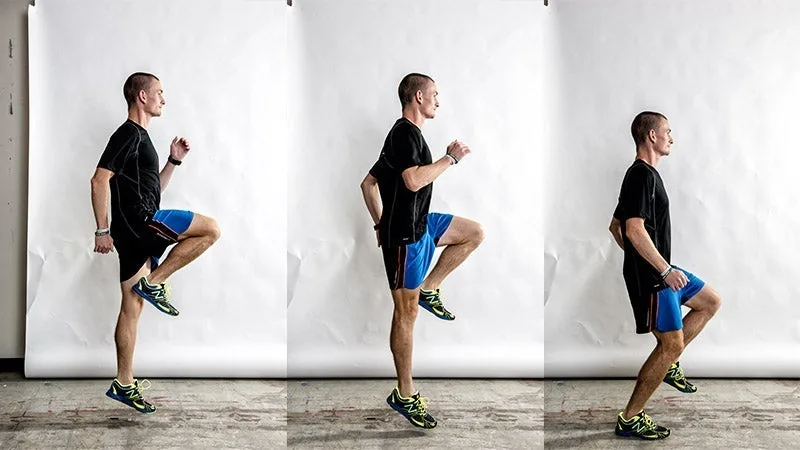
A-Skips train the cyclical rhythm of sprint mechanics: heel recovery under the hip, dorsiflexed foot strike, and coordinated arm drive. Two sets of 20 yards before acceleration reps reinforce the posture and contact mechanics that carry over directly to the first 10 to 20 yards of a sprint. The limitation is real: A-Skips are sub-maximal and unloaded, so they build pattern, not force. They prime mechanics; they do not develop the leg drive that actually moves the clock.
2. Resisted Sprints with Sleds or Bands - Overload Acceleration for Leg Drive

Resisted Sprints using sleds or resistance bands are the only drill that directly overloads horizontal force production. JB Morin’s research identifies insufficient horizontal force application during acceleration as the primary mechanical deficit resisted sprint training is designed to fix, and research on sled training for sprinters confirms that a moderate load preserves sprint-specific mechanics while demanding greater leg drive. Several sets of short resisted sprints at this load develop the starting strength that unloaded drills cannot touch. Too heavy a load breaks posture and trains the wrong pattern entirely.
3. Power Skips - Single-Leg Explosiveness and Ground Contact Development
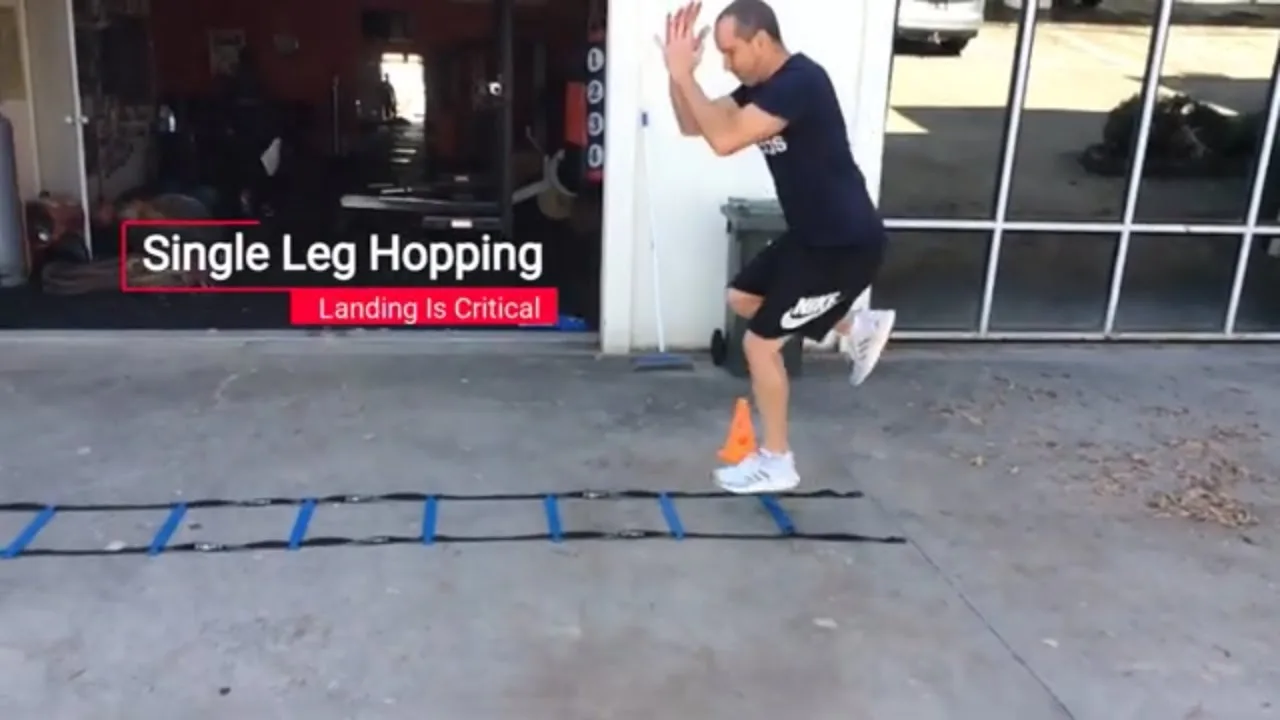
Power Skips with vertical or distance focus develop single-leg explosiveness and teach the athlete to produce force quickly off one foot, the exact demand of every stride in a sprint. Athletes can focus on vertical height to build power or horizontal distance to build stride length. The tradeoff: Power Skips are taxing on the hip flexor and glute complex, so volume should stay low to avoid pre-fatiguing the muscles needed for actual sprint reps.
4. Straight-Leg Bounds - Hamstring Loading and Posterior Chain Activation
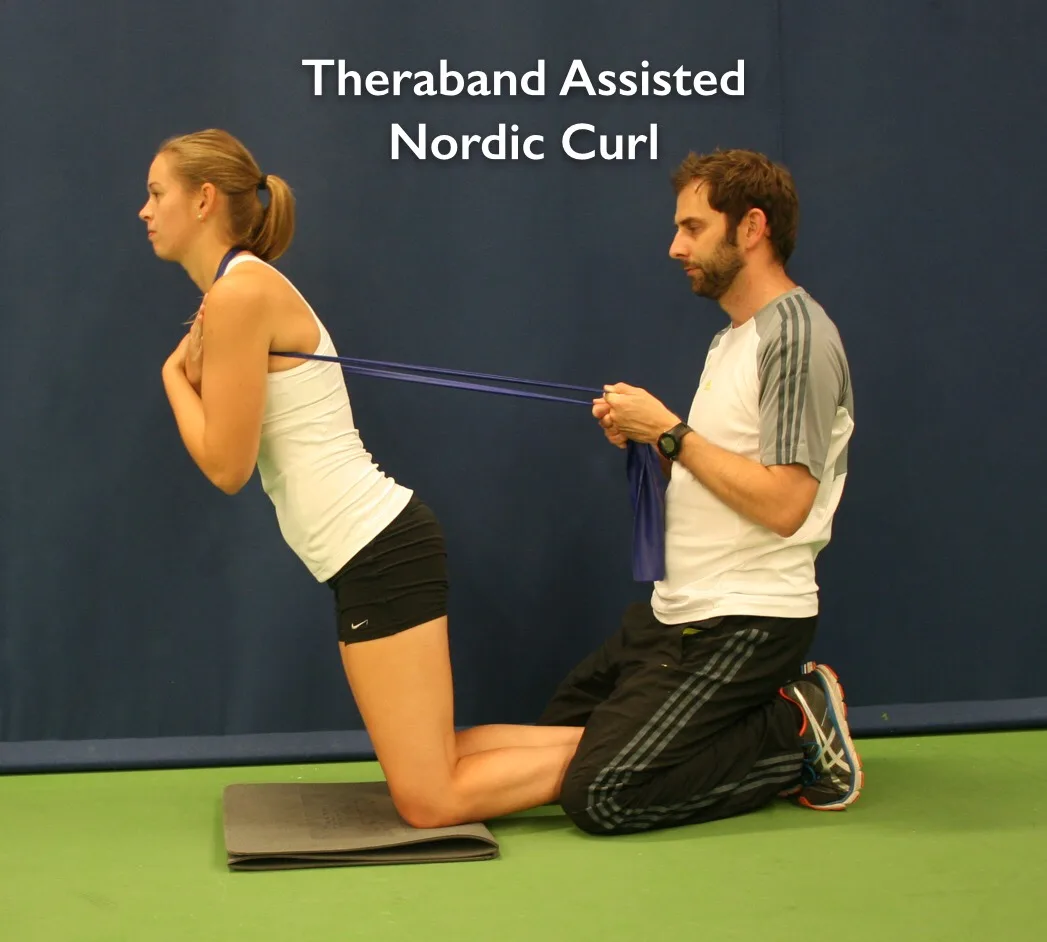
Straight-Leg Bounds target the hamstring’s role as a high-speed decelerator and ground-contact driver. The stiff-leg action during each bound teaches the posterior chain to absorb and redirect force rapidly, which is the same demand placed on the hamstring during max-velocity sprinting. This drill is most effective when placed after A-Skips and before Flying Sprints, bridging the gap between posture work and top-end speed.
5. Flying Sprints - Transitioning from Build-Up to Maximum Velocity Without Breaking Stride

Flying Sprints train true top-end velocity. The protocol: a controlled build-up zone followed immediately by a fly zone at full effort without breaking stride. This structure allows the athlete to reach maximum velocity before the timed zone begins, which is the only way to actually train the max-velocity mechanical phase. Standard acceleration sprints from a standing start never reach the speed required to stress top-end mechanics, making Flying Sprints irreplaceable for athletes chasing a faster 40-yard dash or 100-meter time.
Athletes who want to train the way the athlete they follow trains, with every drill tied to a mechanical rationale, sequenced correctly, and progressed deliberately, get exactly that inside GetFit AI’s Athlete-Style Custom Workout Plans. Each of these drills is mapped to the correct phase automatically, with sequencing and progression that adapts as mechanics and strength improve. For athletes who have historically struggled to stay consistent past the first few weeks, the friends, challenges, and leaderboard layer keeps training competitive and accountable, and it becomes most powerful after connecting with at least one friend or workout partner also using GetFit AI, turning solo speed work into shared progress.
Now that you have a drill for every mechanical output, from posture and foot strike all the way to maximum velocity, the next question is how long to rest between each rep so those drills actually train speed instead of just building fatigue. That answer lives in the work-to-rest ratio, and it changes everything about how a speed session is structured.
Force Application Principle - Why Speed Requires High Ground Force, Not Fast Feet
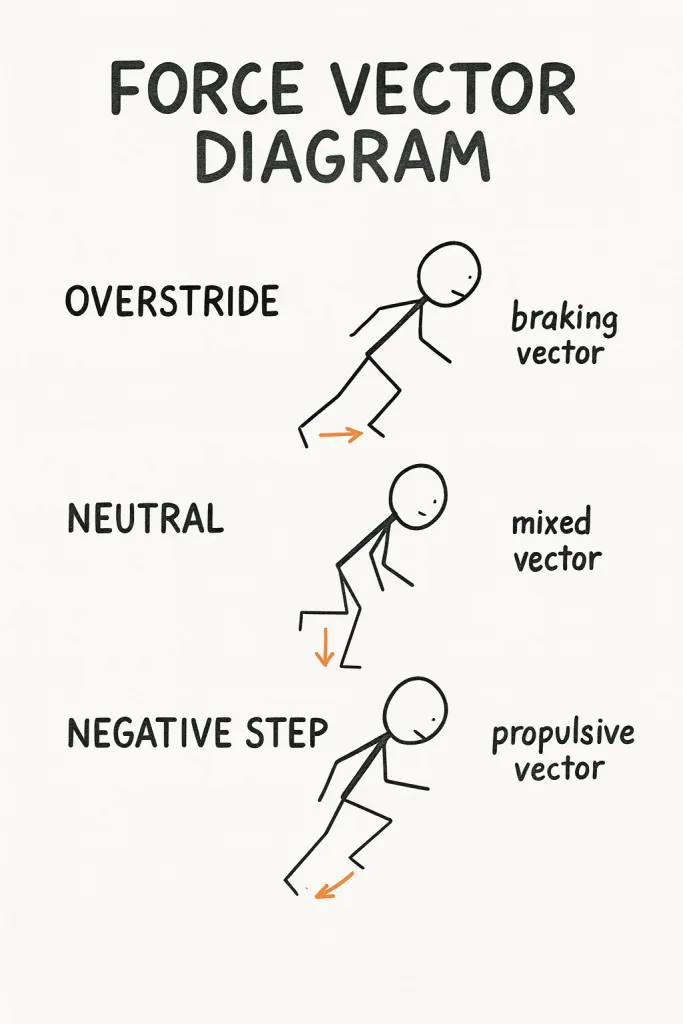
Speed is not about quick feet. JB Morin’s research shows that as velocity increases toward maximum speed, the mechanical demands shift: force must be applied more vertically to support body weight and maintain stride frequency. Every drill above is mapped to either horizontal force production (acceleration phase) or vertical force production (max velocity phase). Mixing them up without knowing the difference is the core reason athletes plateau, and it is exactly the kind of structural gap that GetFit AI’s Athlete-Style Custom Workout Plans are built to close, mapping each drill to its correct phase from the very first workout session.
What Is the Proper Work-to-Rest Ratio for Speed Training

According to research published in the Journal of Exercise Physiology online (JEPonline), PCr stores become depleted within seconds of a maximal sprint, and once depleted, performance deteriorates rapidly because the muscle can no longer resynthesize ATP at the required rate.
The 1-to-2-Minutes-Per-10-Yards Rule
The correct work-to-rest ratio for speed training is substantial, enough time to allow near-complete phosphocreatine resynthesis before the next rep: roughly 1 to 2 minutes of rest for every 10 yards sprinted. A flying sprint, for example, requires several full minutes before the next rep delivers a true speed stimulus. A Balsom-group study cited in the Journal of Exercise Physiology online (JEPonline) illustrated this precisely: across five 6-second sprints with only 30 seconds of rest, muscle PCr concentrations after the fifth sprint dropped to 46 mmol/kg dry mass compared to 70 mmol/kg in a supplemented group, showing how compressed rest systematically collapses the phosphagen system across a session.
5 to 8 Reps Is Enough Before Quality Breaks Down
Quality over quantity is a physiological ceiling. Research supports keeping sprint volume to a limited number of high-quality reps per session for speed development.
GetFit AI’s Athlete-Style Custom Workout Plans are built for athletes who want to train the way the athletes they follow actually train: structured, periodized, and anchored to the physiological rules above. The correct work-to-rest ratios and rep ceilings are baked directly into each session’s architecture from the first workout, removing the judgment call that turns speed work into conditioning work.
For athletes who want the full structure without the subscription barrier, GetFit AI’s Premium plans start at $1.99 per week, with a Monthly option at $4.99 and a Yearly option at $49.99, though no plan replaces a coach watching your mechanics deteriorate on rep seven.
A Sample Speed Training Workout Plan Athletes Can Run This Week
The weekly structure below gives you something you can run as early as tomorrow. GetFit AI can take it further by adjusting the plan in real time to how your body is actually responding.
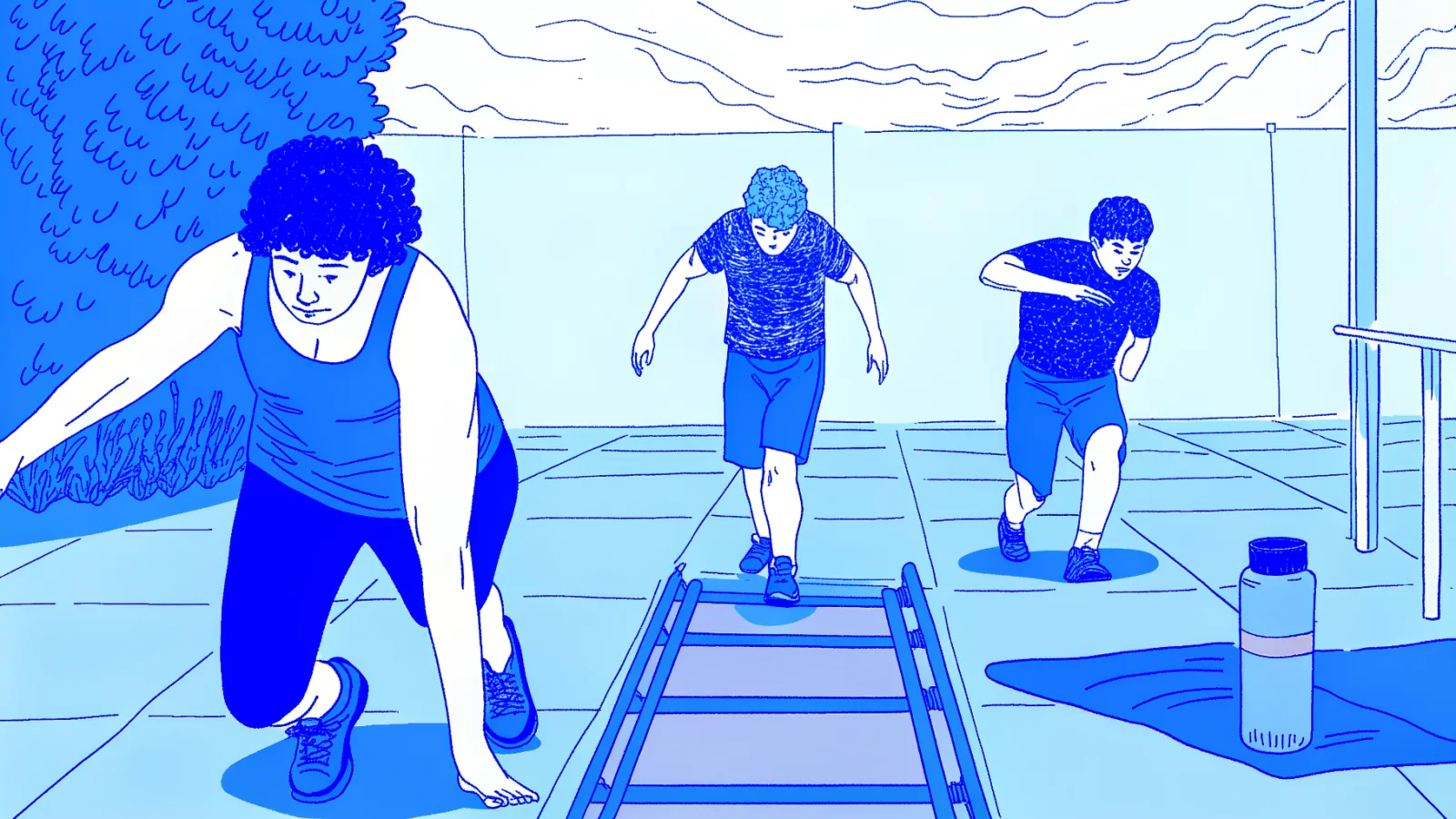
Day 1 Acceleration Focus - The Exact Order That Primes Force Production Before You Sprint
After your dynamic warm-up (covered in the earlier section on CNS priming), Day 1 moves immediately into positional work: half-kneeling starts, then A-Skips to groove hip mechanics, then the main event: resisted sled sprints over 20 yards, 5-6 reps with 2-4 minutes between reps.
“Athletes dread speed work sessions, it is the most psychologically difficult part of a training plan to stay consistent with, even when they understand its importance.”
— what we hear from endurance athletes
GetFit AI’s athlete-style custom workout plans are built with this in mind, the structure is generated at onboarding so you arrive at Monday’s session knowing exactly what you’re doing, removing the decision fatigue that quietly erodes consistency.
Day 2 Max Velocity Focus - How Flying Sprints and Straight-Leg Bounds Build Top-End Speed Without Frying Your CNS
Day 2 looks structurally different, and that difference is the point. Where Day 1 is about producing force from a dead stop, Day 2 is about sustaining mechanics at full speed.
Rest periods stay long, same principle as Day 1, because a flying sprint run on a half-recovered nervous system is just a medium-effort jog with good intentions. GetFit AI’s structured training layer flags this across the overall program arc, helping you maintain the pacing discipline that separates quality speed development from junk volume.
Why Deceleration and Change of Direction Belong in the Weekly Plan
Deceleration and change-of-direction work is where speed training connects directly to injury prevention. Research consistently links structured deceleration training to lower rates of hamstring and ACL injury, because the muscles that brake the body are the same ones that get torn when an athlete cuts unprepared.
Weekly Speed Training Session Planner, Minimum Viable Structure
| Day | Session Type | Primary Drill(s) | Volume | Rest Protocol |
|---|---|---|---|---|
| Monday | Acceleration | Resisted Sled Sprints (20 yd) | 5-6 reps | 2-4 min between reps |
| Tuesday | Strength | Trap Bar Deadlift, Bulgarian Split Squat, Hip Thrust | 3-4 sets each | 2-3 min between sets |
| Wednesday | Max Velocity | Flying Sprints (30-40 yd), Straight-Leg Bounds | 5-6 reps | 3-4 min between reps |
| Thursday | Active Recovery / Mobility | Dynamic stretching, hip circles, light A-Skips | 10-15 min | N/A |
| Friday | COD / Deceleration | Pro-Agility Shuttles, Lateral Bounds, Core Stability | 5-6 reps | 90 sec-2 min |
| Saturday/Sunday | Full Rest | N/A | N/A | N/A |
Decision criteria, use this table as your weekly template only when: (1) you have at least two dedicated outdoor or turf sessions available per week, (2) you are not in a sport-specific in-season block that already includes two or more practice days, and (3) you can commit to the full rest windows between speed and strength days. Consistency with those three conditions is what determines whether this structure produces adaptation or just accumulated fatigue.
GetFit AI’s friends, challenges, and leaderboards are most effective exactly here: after connecting with at least one friend in the app, the social accountability layer activates and functions as the retention mechanism that keeps athletes training past week three. If you have a training partner already using GetFit AI, that accountability compounds further, shared progress data and head-to-head challenges make skipping Wednesday’s flying sprints a decision you have to justify, not just quietly avoid. For athletes who have previously struggled with consistency because of a lack of program structure, the combination of a custom plan generated at onboarding and ongoing accountability built into the app removes the two most common exit ramps from a speed training block.
GetFit AI is available on a Premium Weekly Subscription at $1.99/week, a Premium Monthly Subscription at $4.99/month, or a Premium Yearly Subscription at $49.99/year.
Related Reading
- Athletic Performance Analysis
- Does Vaping Affect Athletic Performance
- How to Avoid Feeling Sleepy After Workout
- How Does Sleep Affect Athletic Performance
- How to Measure Athleticism
- Velocity Based Training
- Building Stamina and Endurance
- Why Am I So Bad at Sports
- Endurance vs Strength Training
- Why Am I So Tired After Working Out
- How to Create a Personalized Workout Plan
How Strength Training to Support Speed Actually Makes You Faster
Most athletes chasing faster times focus almost entirely on running more or running harder, but the actual ceiling on sprint velocity is set by how much force your legs can push into the ground, and that capacity is built in the weight room. Understanding the mechanical relationship between force production and speed changes how you train, and it changes what you prioritize when time is limited. GetFit AI is built around exactly this kind of evidence-based prioritization, so your program targets the inputs that actually move the needle.

Why Force Production Is the Real Speed Lever
Research from East Tennessee State University (Hierholzer) on the Effects of Increasing Running Speed on vertical ground reaction force confirms that vertical ground reaction force rises proportionally with running speed, so the faster you try to go, the more force your legs must produce per stride. Additional work by Hunter and Marshall reinforces that ground reaction force impulse is a primary mechanical determinant of sprint performance, alongside stride frequency and length.
Strength training is the ceiling on speed development.
The Four Lifts That Transfer Directly to Sprint Speed
Trap bar deadlifts, Bulgarian split squats, single-leg Romanian deadlifts, and hip thrusts are the four lifts with the clearest mechanical transfer to sprinting.
GetFit AI’s Athlete-Style Custom Workout Plans are built from the first session to sequence these four lifts in a way that accounts for where your unilateral imbalances sit, so you’re correcting the asymmetry rather than loading on top of it.
How to Sequence Strength Days Around Speed Days
Heavy strength work and maximal speed work draw on the same neurological reserves, so speed days need to land when the CNS is fresh, never the day after heavy squats. GetFit AI’s structured training manages this across the full program arc, not just session by session, so that each strength day and each speed day land at the right point in the recovery window.
A workout partner also on GetFit AI turns the leaderboard into a daily reason to show up.
Common Speed Training Mistakes That Keep Athletes Slower Than They Should Be
Showing up consistently and repeating the drills you see online feels like the path to speed. The problem is that exhaustion is not a reliable signal of speed adaptation, and the mistakes below don’t announce themselves as mistakes. They feel exactly like dedication, which is why athletes repeat them for months while their 40-yard dash time stays stubbornly the same. Athletes we work with through GetFit AI consistently describe the same breaking point: they fall behind a static program, lose confidence, and quit, not because they lacked effort, but because the plan never adapted to them.
1. Treating Speed Sessions Like Conditioning - Too Many Reps, Too Little Rest, Wrong Energy System

The single most common error is turning a speed session into a cardio workout by cutting rest short. CT Yeh’s 2024 research on phosphocreatine resynthesis shows that PCr stores are only about 50% replenished within 30 seconds of a maximal sprint effort and require a full 3 to 5 minutes to recover to roughly 95% capacity. Supporting this, the Vanderbilt University Medical Center Neuromuscular Physiology Lab’s work on phosphocreatine recovery kinetics following low- and high-intensity exercise in human triceps surae and rat posterior hindlimb muscles confirms that recovery timelines vary meaningfully with exercise intensity, so a true maximal sprint demands the longest rest.
Rest less than that, and every rep after the first is fueled by glycolysis, not the alactic system. You are no longer training speed. You are training the ability to repeat moderate efforts while tired, a completely different physiological outcome.
An athlete who runs 10 by 40-yard dashes with 30-second rest intervals will finish the session drenched and convinced they worked hard. They did. They just didn’t get faster.
GetFit AI’s Athlete-Style Custom Workout Plans have rest intervals built in from the first workout session, calibrated to the specific sprint distances and intensities in your plan, not left to guesswork in the moment.
2. No Session Sequencing - Running Acceleration Drills the Day After Heavy Squats
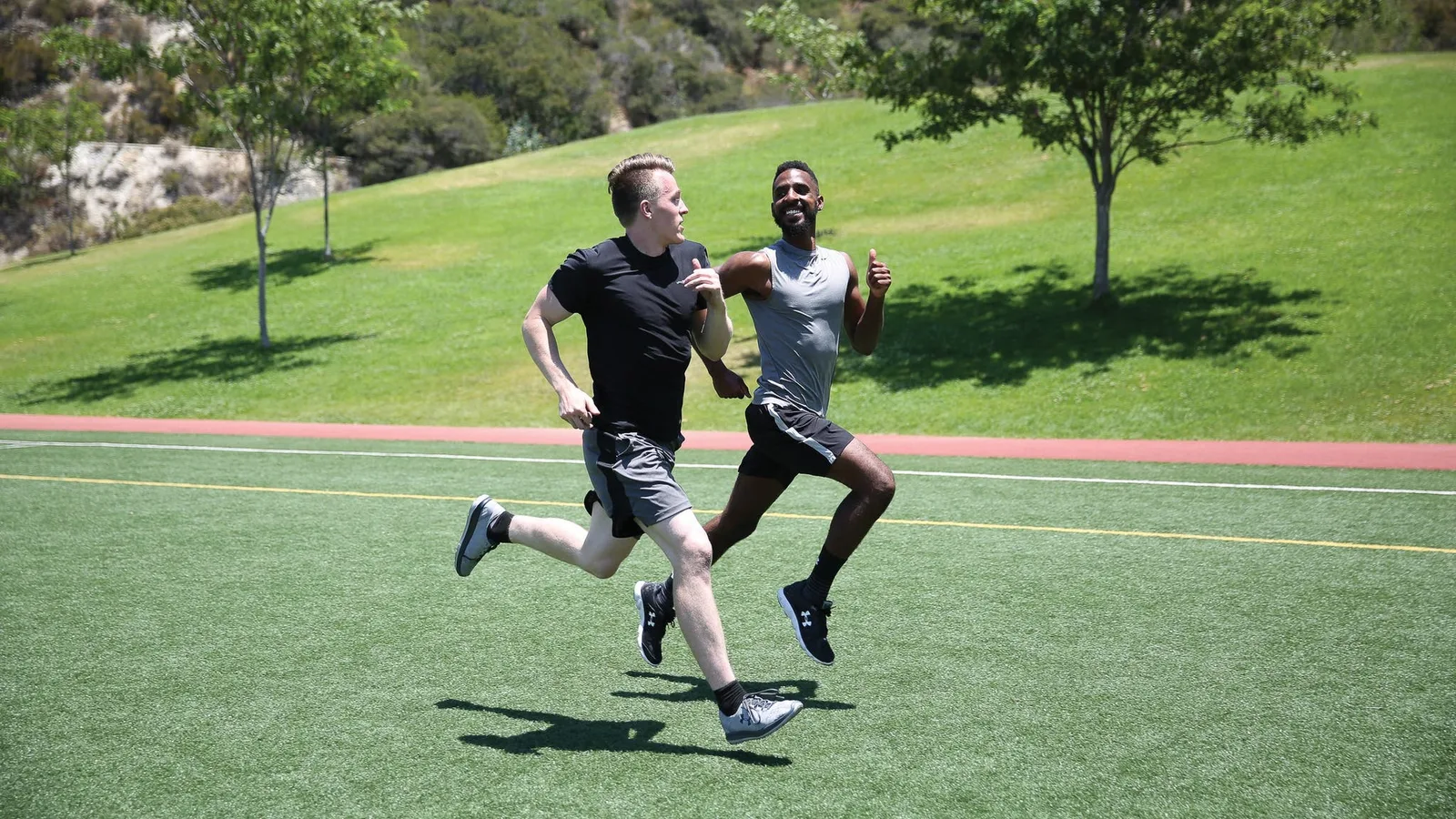
Speed is a neuromuscular output. The central nervous system has to fire motor units at very high rates to produce the ground force a true sprint demands. Running acceleration drills the day after heavy squats means the CNS is already partially depleted before the first rep begins, and sprint mechanics degrade faster under neuromuscular fatigue than almost any other performance quality. The result is that every rep reinforces a slower, less coordinated movement pattern rather than the sharp, high-force pattern speed training is supposed to build. Sequencing matters more than volume.
3. Stacking Speed and Strength on the Same Day Without Priority Ordering

Some athletes do both speed and lifting in the same session, which can work. The order, however, is non-negotiable. Speed work must come first, when the nervous system is fresh and PCr stores are full, a principle directly supported by CT Yeh’s research on energy systems in short sprint interval training. Strength work done before sprints pre-fatigues exactly the muscle groups and neural pathways that speed development depends on. Reversing the order wastes the speed session entirely.
GetFit AI’s Structured Training addresses this from day one: session sequencing is embedded in the program architecture across the overall training program arc, not left to the athlete to sort out mid-week.
4. Copying Drill Lists With No Overloading Progression - Same Drills, Same Intensity, Week After Week
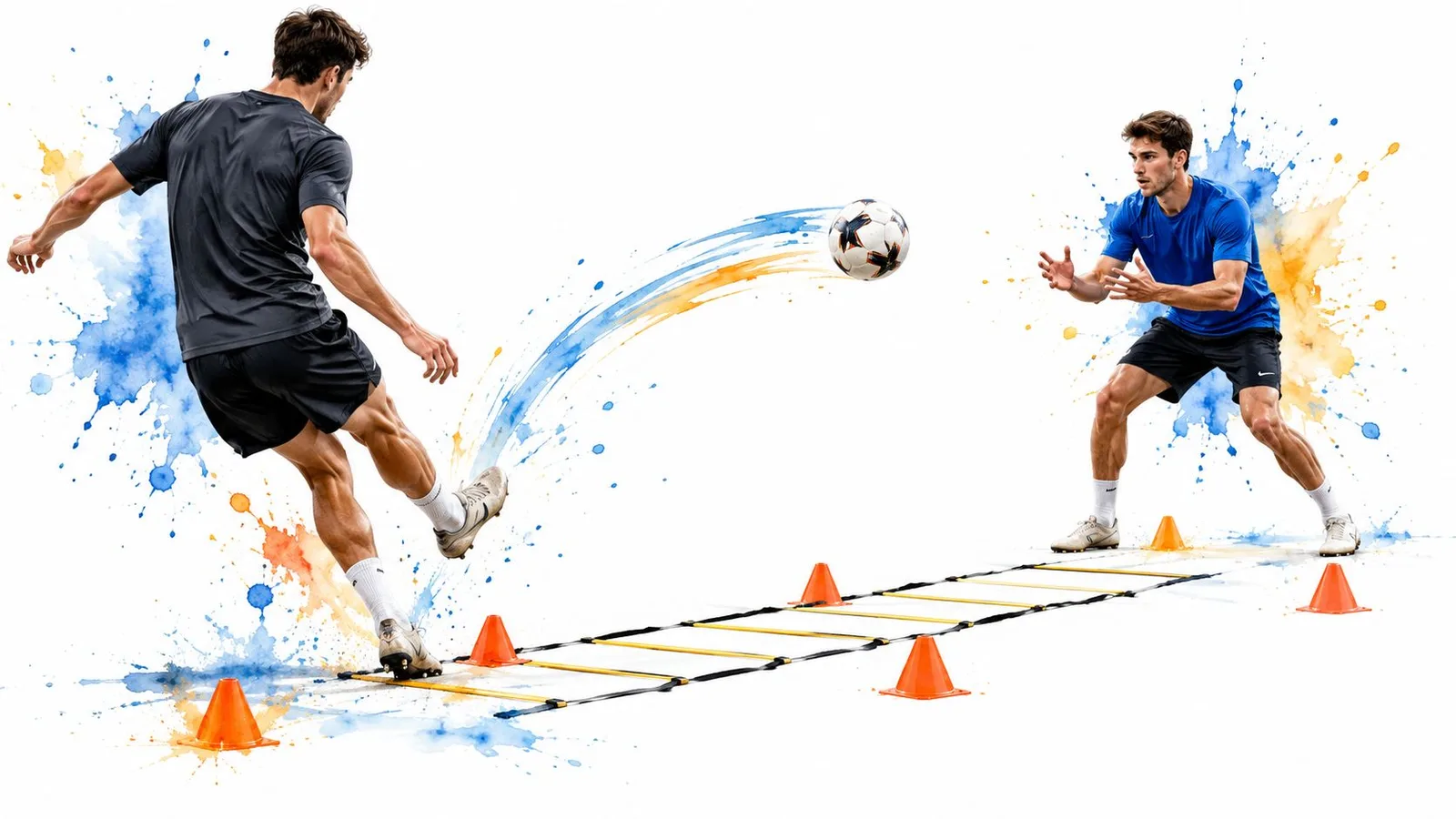
Doing the same A-Skip at the same distance, the same resistance, and the same rep count every week is not progressive training. CT Yeh’s 2024 research is direct on this point: consistent drill repetition without planned intensity or volume progression produces a conditioning stimulus, not a neuromuscular speed stimulus. The body adapts to a new drill stimulus within two to three sessions. After that, repeating the same protocol maintains fitness at best and stagnates speed at worst. Progression has to be built into the plan, not improvised.
This is precisely the pattern that causes beginners to fall behind and quit, and it’s the gap GetFit AI’s adaptive planning is built to close. Instead of a static drill menu you eventually outgrow, the plan adjusts weekly intensity bumps as you get faster, so the stimulus never goes stale. This benefit is most pronounced for athletes who have previously struggled with consistency due to lack of program structure: when the program moves with you, there is no version to fall behind on.
5. Neglecting Maximal Velocity Work in Favor of Only Short Acceleration Drills
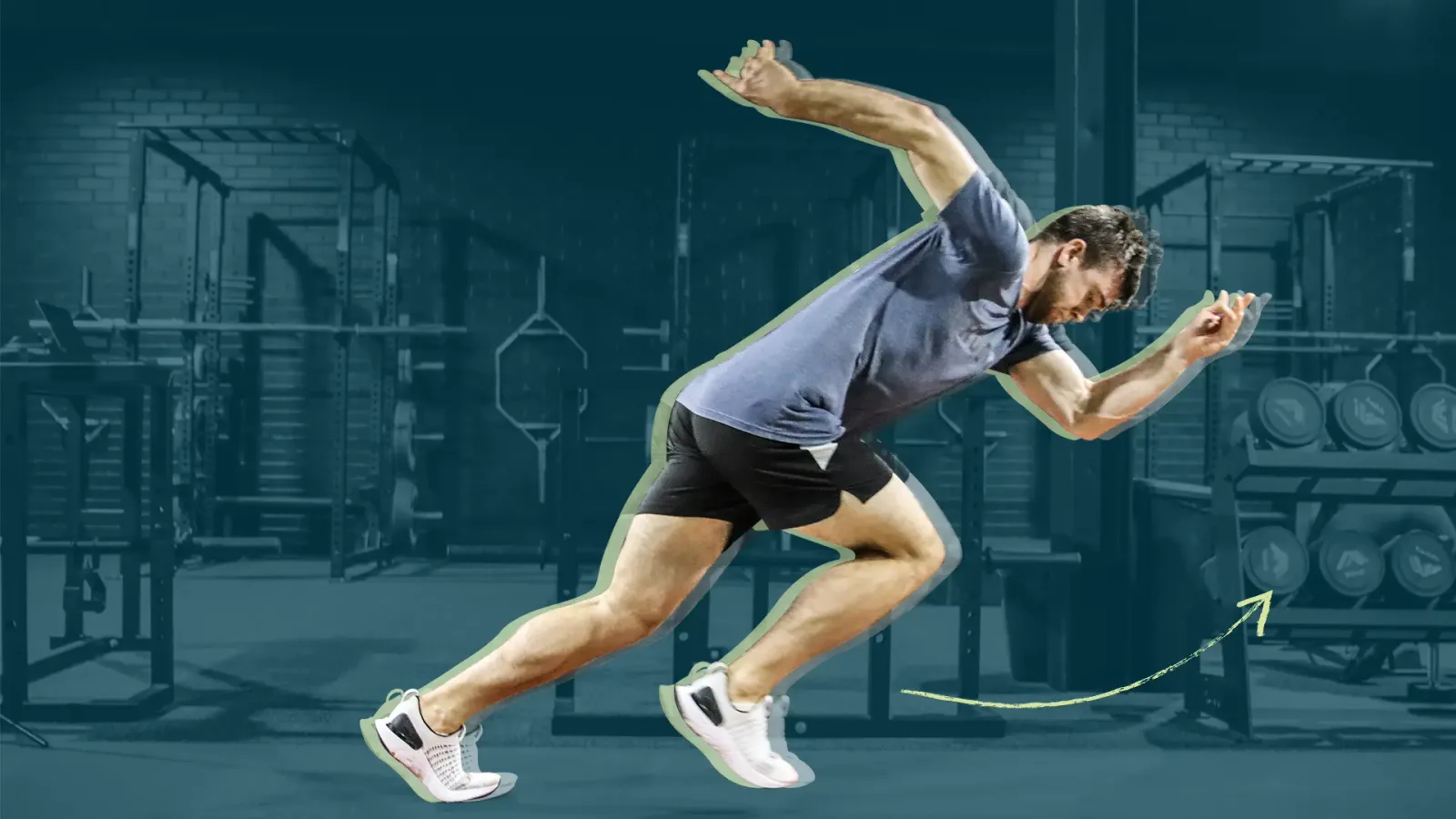
Many speed programs over-index on 10-yard acceleration work while completely ignoring top-end velocity development beyond 30 meters. Acceleration and maximal velocity are distinct mechanical phases requiring different training stimuli. Athletes who never practice running at true top speed fail to develop the stride frequency, hip extension, and elastic stiffness needed to reach and sustain peak velocity in competition. Flying sprints and extended speed endurance runs must be periodized alongside short acceleration work.
6. Skipping Speed Work Entirely During In-Season - Letting Competitive Play Substitute for Structured Training
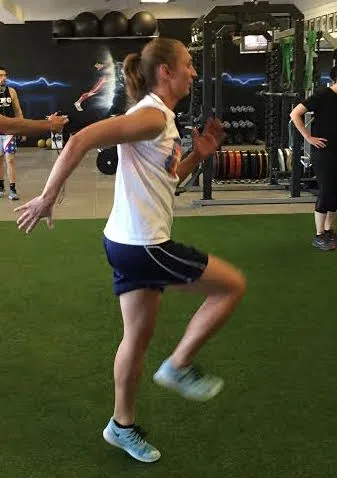
A widespread mistake among team-sport athletes is assuming that games and practices maintain speed qualities during the competitive season. In reality, game demands rarely produce the specific neuromuscular stimulus needed to preserve, let alone develop, maximal speed. Without at least one dedicated speed session per week during the season, athletes experience measurable velocity decline by mid-season. Even a single 15-minute block of quality sprint work preserves the adaptations built in the off-season.
Related Reading
- How to Deal With Performance Anxiety in Sports
- Hydration Tips for Athletes
- How to Build Mental Toughness in Athletes
- Food for Athletes During Competition
- Strength Training Workout for Runners
- Best Plyometric Exercises for Speed
- Exercises That Improve Muscular Endurance
- Conditioning Workouts for Athletes
- Balance Exercises for Athletes
- Best Core Exercises for Athletes
How an AI Athlete-Style Plan Fixes the Speed Training Gap Drills Alone Never Will
Collecting drills from five different athletes’ Instagram pages and forcing them into a single session is a playlist, not a training plan.
Research published in the Journal of Strength and Conditioning Research found that in-season structured sprint and power programs built around defined progressions produced significant speed and power improvements in elite junior soccer players, while unstructured repetition produced none. The mechanism is sequencing. Every session has to set up the next one, and that chain is what most self-coached athletes never build.

Why Training in an Athlete’s Style Beats Copying Their Highlight Drills
The athletes you want to train like are fast because their acceleration days, max-velocity sessions, and strength work connect to each other inside a coherent philosophy. Copying a single drill strips that context away completely.
A 16-year-old who selects a track sprinter’s training style inside GetFit AI receives a fully sequenced weekly plan organized around the same phase-separation principles, acceleration, max velocity, strength, and recovery, with rest intervals and a nutrition target already built into each session’s structure. The drill may look familiar, but now it belongs to a system.
How Built-In Progressive Overload Turns a Speed Session Into a Speed System
An 8-week periodized training study examining sprint-specific physiological markers found that athletes following structured, progressive blocks produced measurable speed improvements, while those following unstructured repetition did not, a pattern consistent with the overload principle documented across sprint science literature. The difference was progressive overload applied across connected sessions, not harder individual efforts.
Self-managed overload almost always stalls because most athletes have no reliable way to know when they have adapted enough to push further. A personalized AI speed training program removes that guesswork by advancing load and complexity automatically, session to session. You do not have to decide when to progress. The plan decides.
How Nutrition Targets Translate Speed Training Effort Into Results
Sprint performance is acutely sensitive to carbohydrate availability. Research published in the American Journal of Sports Science confirmed that body composition and fueling status are direct inputs to athletic output, not background variables. Train without a nutrition target attached to your training load, and a significant portion of your speed work simply does not convert into adaptation.
Most teen athletes skip this entirely. They train hard, feel tired, and assume the diet side can wait. It cannot, because underfueling quietly erodes the adaptation that hard sessions are supposed to build.
A structured athlete-style plan connects the training, the progression, and the fueling into something that compounds over time.
Next steps
If your sessions leave you exhausted but your 40 time never moves, the path forward starts with understanding that drill volume without structured sequencing is not speed training. It is conditioning with better branding. Start with our AI fitness app.
Phosphocreatine resynthesis takes 3 to 5 full minutes after a maximal sprint effort, meaning every rep you run on compressed rest is fueled by the wrong energy system entirely. That is not a small inefficiency; it rewires the entire physiological outcome of the session. Vertical ground reaction force rises proportionally with running speed, which means your ability to get faster is physically capped by how much force your posterior chain can produce into the ground, and no drill list closes that gap without the strength work behind it. Together, these two realities point to one action: stop adding drills and start following a plan that sequences phosphocreatine recovery, phase-separated speed sessions, and strength work in the right order, week over week.
Start with GetFit AI, choose an athlete-style sprint plan at onboarding, and your first full week of sequenced acceleration, max-velocity, and strength sessions is ready in under five minutes. The rest intervals are already built in, the session order is already correct, and the progressive overload advances automatically so the stimulus never goes stale. Plans start at $1.99 per week.
Frequently Asked Questions
Why am I not getting faster even though I’m showing up and doing drills consistently?
Consistent drill volume without structured loading, full recovery, and progressive overload won’t produce meaningful speed gains because the nervous system must be specifically trained to recruit fast-twitch motor units at high rates. Drill repetition without that structure builds fatigue, not speed. The athletes who actually get faster are training smarter, with sessions that connect to each other in a deliberate sequence, not just grinding harder.
Should I do high knees and A-skips before sprinting, and does the order matter?
Yes, and the order matters a great deal. A-skips and butt kicks should come after leg swings and hip circles in a deliberate escalation, the sequence moves from opening joint range of motion to recruiting fast-twitch motor units, then into build-up strides at 70-90 percent effort, and finally Half-Kneeling Starts to groove the acceleration position. The central nervous system requires this kind of structured escalation to reach the activation state that high-intensity speed work demands; ten casual swings or a light jog is not enough.
Is it okay to do my heavy lifting or conditioning before sprint work in the same session?
No, speed work must come first, before strength and before conditioning. A sprinter who does a heavy squat set before their first acceleration rep has already drawn down on the same neurological reserves that maximal speed work requires, dropping rep quality in ways the athlete often can’t detect because fatigue feels like effort.
Which speed drills should I actually be doing, and why do the ones I find online not seem to transfer?
The essential speed drills are A-skips, resisted sled sprints, power skips, straight-leg bounds, and flying sprints, each targeting a distinct mechanical phase of sprinting. Drills from social media aren’t inherently wrong, but sprint acceleration is governed by horizontal force application into the ground, and unloaded, generic drills performed at sub-maximal effort never actually overload that specific quality, which is why transfer to real race speed stays low.
How does nutrition affect my speed training, and do I really need to worry about it?
Nutrition directly affects neuromuscular recovery and power output between sessions. Without adequate carbohydrate, fast-twitch muscle fibers are under-fueled before the session even starts, and without sufficient protein, the structural repair that converts sprint stress into adaptation stalls, meaning the mechanical and neurological work you did yesterday never fully converts into a faster time today.