How to Use Red Light Therapy for Athletic Performance Gains
Most lifters stall not because they train too little, but because they never recover enough. Here is exactly how red light therapy fixes that at the cellular level.
The common assumption among beginner lifters in their mid-to-late twenties is that soreness means the training is working, so the right response is to push harder or wait it out. Recovery tools are for elite athletes or people with injuries, not regular gym-goers. They carve out four sessions a week, they push through fatigue, they feel the soreness that seems like proof the work is landing. And then, somewhere around month two or three, the squat weight stops climbing. The energy stops returning between sessions. Progress goes quiet. The effort is real. The results aren’t.
That disconnect has a name: an unmanaged recovery gap, and it’s more common than most gym-goers realize.
Persistent soreness feels productive. It doesn’t work that way biologically. Research from Sports Medicine and Health Science by Fiala et al. published in January 2025 found that athletes with Overtraining Syndrome exhibit higher morbidity rates tied to sleep deprivation and accumulated stress, directly contradicting the idea that pushing through soreness builds fitness. The body under chronic soreness isn’t adapting. It’s defending.
A hard set of squats doesn’t build muscle. The repair process that follows it does. Muscle protein synthesis, the biological mechanism that converts training stress into actual strength, operates inside a finite window after resistance training. If recovery inputs are absent during that window, the adaptation is blunted regardless of how hard the session was. According to the Madhav University Blog’s review of Overtraining Syndrome, excessive training load without adequate recovery doesn’t just slow muscle repair; it actively compromises performance, so the body moves backward.
Data tracking large cohorts of lifters consistently shows that a significant share report zero strength gains after months of consistent logging, suggesting that effort without recovery structure leads to stagnation rather than a genetic ceiling. The same pattern shows up repeatedly: someone trains five or six days a week, always feels wrecked, and wonders why they’ve been stuck at the same weight for months. The training isn’t the problem. The absence of a plan around the training is.
That’s the gap a personalized AI fitness app is designed to close. Rail Stop Fitness’s retention research confirms that beginners without a connected plan are among the groups most likely to stall early in their training. Without structure telling them when to push, when to back off, or what recovery looks like on a rest day, the repair cycle stalls quietly, and the lifter blames themselves.
The repair cycle isn’t broken. It’s unsupported.
Key takeaways
- Soreness is not a recovery strategy, pushing through fatigue without a plan stalls progress just as reliably as skipping the gym entirely.
- Red light therapy works at the mitochondrial level, accelerating ATP production and reducing inflammation through a specific photochemical process, not a placebo effect.
- Applying red light 5 to 10 minutes before training increases local blood flow and primes muscle tissue before the first rep, timing matters as much as the device itself.
- Most people who try red light therapy and quit were running sessions at the wrong wavelength, wrong distance, or wrong duration, the physics failed them before the science had a chance.
- Red light therapy follows a biphasic dose-response curve: the right amount stimulates recovery, excess suppresses it, more sessions do not compound the benefit.
- More than half of new exercisers quit within the first three months, and the culprit is almost never a missing tool, it's a missing structure to keep using the tools they have.
- GetFit AI closes that structure gap with custom training plans built in your favorite athlete's style and an AI trainer available anytime to keep recovery protocols like red light therapy integrated, not forgotten.
How Red Light Therapy Works at the Cellular Level
Muscle soreness is the result of specific cellular processes that either get resolved quickly or drag on for days, depending on how well your recovery supports them. Red light therapy targets those processes directly, and the mechanism is precise enough that understanding it changes how you think about recovery altogether.
The idea that shining light on muscle tissue could accelerate repair sounds implausible at first. But the skepticism dissolves once you understand why specific wavelengths do specific things inside a cell, which is exactly what the research makes clear.
Recovery is not simply a matter of rest. Repeated training loads without adequate recovery drive systemic inflammation, immune suppression, and multi-organ stress well before an athlete feels overtrained. The gym-goer who pushes through persistent soreness week after week is accumulating a biological debt that quietly reshapes body composition in the wrong direction and erodes the very strength ceiling they are training to raise.
Why 660 nm and 850 nm Are the Two Wavelengths That Actually Do Something
Red light therapy works because of photobiomodulation, the process by which specific light wavelengths trigger biological reactions inside cells. Not every wavelength qualifies. The two that consistently appear in peer-reviewed research are 660 nm (red) and 850 nm (near-infrared), and the distinction between them is physical, not marketing.
Wavelength and output power are separate variables, and both matter. A device can print “660 nm” on its packaging and still produce output too weak to trigger meaningful photon absorption in muscle tissue.
According to the Photobiomodulation Therapy Mechanisms Beyond Cytochrome c Oxidase (Scilit/MDPI) review, 660 nm red light is absorbed primarily in superficial tissue layers, making it effective for surface muscles like quads and biceps. Near-infrared light at 850 nm penetrates deeper into muscle tissue due to its longer wavelength, reaching mitochondria in deeper muscle fibers and connective tissue. Together, the two wavelengths cover a complementary range of tissue depth that neither achieves alone.
The Mitochondria Connection - How Photons Become ATP
The cellular mechanism begins at the mitochondria. The key player is cytochrome c oxidase, the terminal enzyme in the mitochondrial electron transport chain, which acts as the primary photoacceptor for both wavelengths.
When cytochrome c oxidase absorbs photons at 660 nm or 850 nm, it triggers increased electron transport chain activity, which drives elevated ATP synthesis inside the muscle cell. More available ATP means faster cellular repair and reduced recovery time. The Scilit/MDPI photobiomodulation mechanisms review confirms that photobiomodulation also reduces reactive oxygen species (ROS), the oxidative byproducts that accumulate after intense exercise and slow tissue repair, compounding the ATP-driven recovery benefit at the cellular level.
Nitric Oxide, Blood Flow, and the Oxygen Delivery Variable
Photobiomodulation stimulates the release of nitric oxide from cells, causing vasodilation and improving local blood flow so oxygen and nutrients reach damaged muscle tissue faster. The Scilit/MDPI photobiomodulation mechanisms review also documents that this process simultaneously downregulates pro-inflammatory cytokines, compounding the reduction in oxidative stress markers at the cellular level. Accelerated ATP production, lower oxidative stress, and improved nutrient delivery act in concert rather than in sequence. That combination is what separates a 24-hour recovery from a 72-hour one.
That is the integration GetFit AI is built around: structured training from the first workout session, sustained through each subsequent session, with the social accountability layer, friends, challenges, and leaderboards, that keeps users training consistently past the point where most programs fall apart.
Related Reading
- Why Am I Not Getting Faster at Running
- Does Masturbation Affect Athletic Performance
- Biomechanics in Sports
- Why is Protein Important for Athletes
- What is Speed and Agility Training
- How to Be a Better Athlete
- How Does Sports Psychology Help Athletes
- Why is Hydration Important for Athletes
- Why Do Athletes Train at High Altitudes
- Why Do Athletes Stretch Before a Game?
- IV Therapy for Athletic Performance and Recovery
- Yoga and Athletic Performance
Athletic Benefits of Red Light Therapy Most Gym-Goers Never Tap Into
The research behind those cellular mechanisms translates into specific, measurable outcomes for lifters dealing with three-day DOMS, stalled progress, or joints that ache through every session, yet most gym-goers have never encountered red light therapy outside elite sports science circles. That gap is worth closing, because the benefits are quantifiable and tied directly to the mechanisms the evidence already supports.
1. Up to 50% Reduction in DOMS - Quantified Soreness Relief After Hard Training
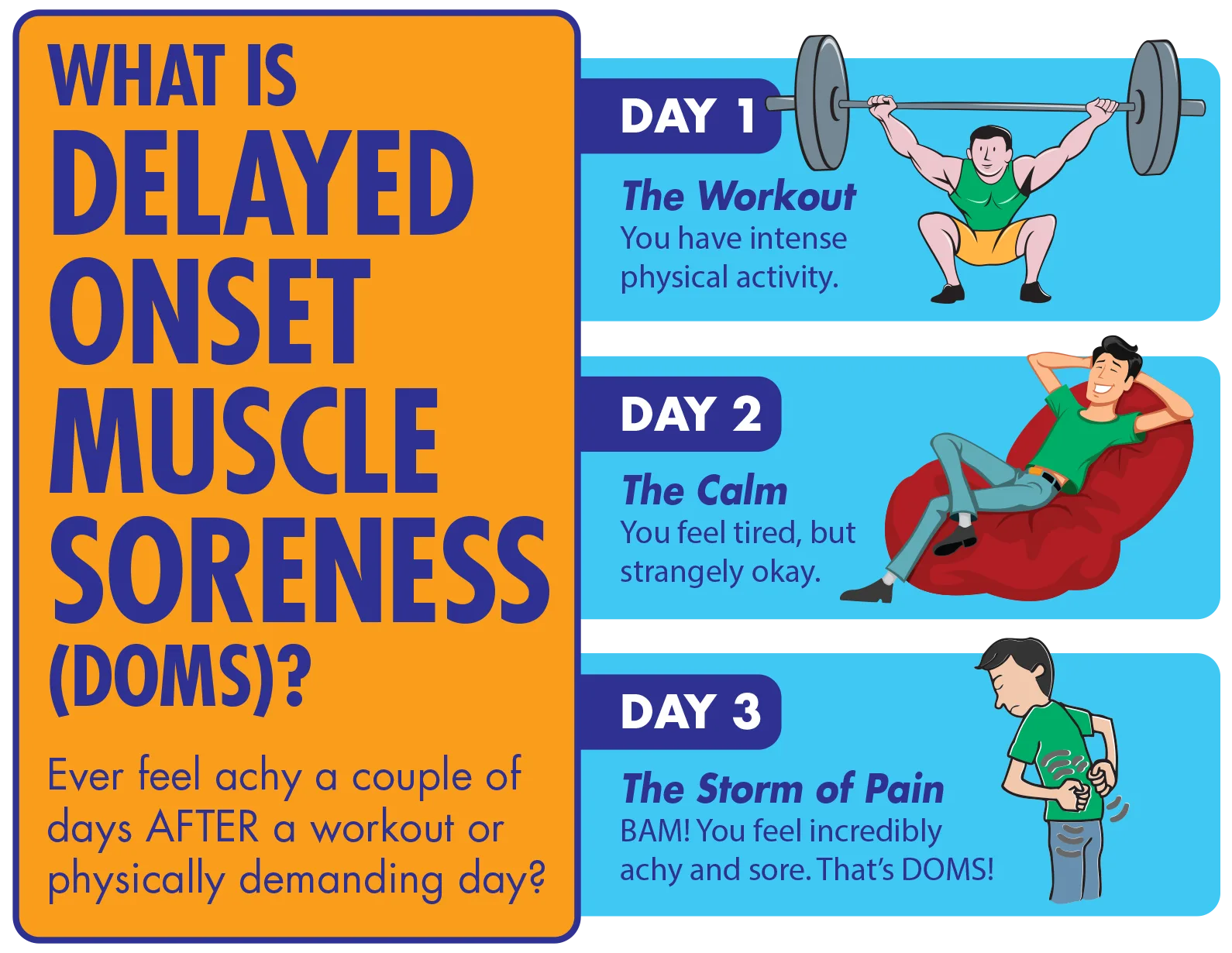
According to Quasar MD’s 2025 review, red light therapy can reduce DOMS by up to 50% after hard training sessions, a finding further supported by Vellgus’s comprehensive review of red light therapy and delayed onset muscle soreness. The same research documenting that reduction also confirms red light accelerates ATP synthesis and muscle repair without blunting anabolic signaling. Soreness is a marker of unresolved cellular stress; suppressing it removes noise, not gains. Regular gym-goers who equate feeling destroyed with training well are misreading a distress signal as a progress signal, which is precisely why their effort rarely compounds.
Red light therapy is most beneficial when applied within an hour of training, especially when paired with a structured program that tells you exactly what to do so you never stand in the gym looking lost between sets.
2. Accelerated Muscle Repair - Faster Recovery Between Back-to-Back Training Sessions
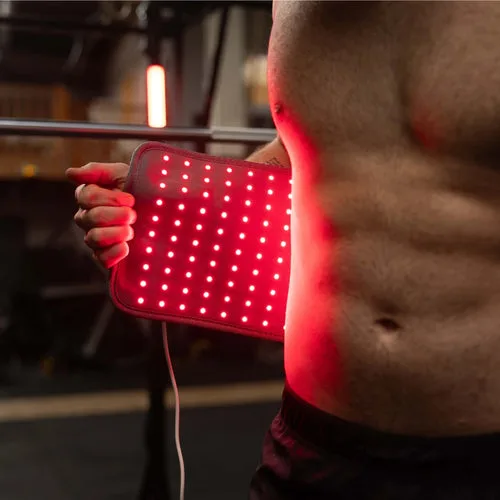
Red light therapy accelerates muscle repair by stimulating mitochondrial ATP synthesis, which directly fuels the cellular repair process rather than leaving muscle tissue waiting on passive recovery timelines. Quasar MD notes this accelerated repair enables faster turnaround between sessions. Consider a lifter hitting legs twice a week instead of once because accumulated fatigue no longer compresses the schedule.
That kind of training density only becomes an asset when your program is structured to absorb it, which is where GetFit AI’s Structured Training earns its place, building each workout session and the overall program arc around the recovery window you actually have, not the one you wish you had. Underpowered home devices frequently underdeliver on this benefit, just as a workout plan with no structure delivers inconsistency rather than adaptation.
3. Improved Power Output, Endurance Capacity, and Long-Term Strength Gains
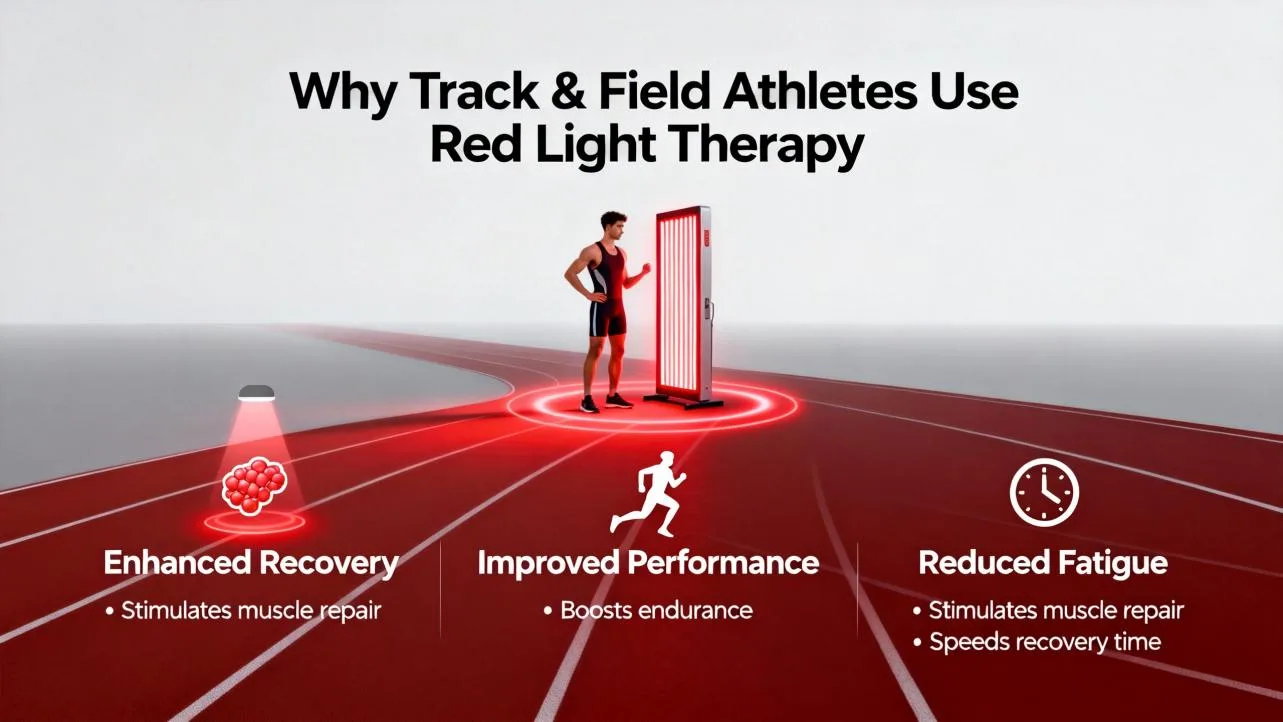
Faster repair compounds over weeks. When your body completes its recovery cycle before the next session rather than carrying unresolved damage into it, Quasar MD shows the downstream result is improved power output, endurance capacity, and strength accumulation over time. This compounding effect is most pronounced for lifters who train with a clear athletic role model or a specific physique or performance goal anchoring their program, because goal clarity determines whether the weekly adaptation stacks or dissipates.
GetFit AI’s Athlete-Style Custom Workout Plans are built for exactly this: they give you a target to train toward, and the flexibility to swap an exercise on the fly when the gym is packed, so a full cable station never derails your session or your recovery schedule. Free workout routines mean nothing if recovery is never structured around them; adaptation only stacks when training and recovery run on the same timeline.
4. Collagen Synthesis Support for Tendons, Joints, and Minor Strain Recovery
Near-infrared wavelengths penetrate deeper than visible red light, reaching connective tissue where chronic training stress accumulates. Quasar MD identifies collagen synthesis support as a key benefit, reducing joint stiffness and aiding recovery from minor strains. For a lifter with persistent knee ache or nagging shoulder tightness, this is the mechanism most relevant to staying consistent, and consistency past the first few weeks is where most beginners fall off.
GetFit AI’s social layer, including friends, challenges, and leaderboards, is most powerful after connecting with at least one friend in the app, functioning as the retention layer that keeps users training past week three, precisely when joint fatigue and motivational dip converge. It is not a substitute for medical evaluation of actual injuries, but for everyday training wear, the evidence is solid, and having a structured program with an accountability layer removes the decision fatigue that turns a sore knee into a skipped week.
5. Metabolic Waste Clearance - Removing Lactate and Byproducts That Stall Muscle Repair
Lactate and other metabolic byproducts accumulate during hard sessions and actively slow repair if they are not cleared efficiently. Red light therapy promotes microcirculation, accelerating that clearance rather than leaving muscles sitting in their own waste products. Gym-goers experiencing heavy post-session fatigue are often living in this window: the fatigue is uncleared cellular debris that specific wavelengths like 850 nm near-infrared light are documented to help address by enhancing circulation at the tissue level.
Pairing that clearance mechanism with a training schedule built around your recovery capacity, rather than a generic template, is the difference between fatigue that resolves and fatigue that accumulates. Structured, athlete-style programming should never be the variable you cut from the budget.
Red Light Therapy Usage Guidelines Most People Get Wrong
Most people who try red light therapy and quit aren’t quitting because the science failed them. They’re quitting because they unknowingly ran every session at the wrong wavelength, the wrong distance, and the wrong duration, and without any structure nudging them back to the device, they eventually forgot it existed. The physics didn’t cooperate, and they had no way to know it. Protocol confusion plus zero consistency layer is the real reason results don’t materialize.
1. Dual-Wavelength Devices (660 nm + 850 nm) Are Non-Negotiable for Athletes
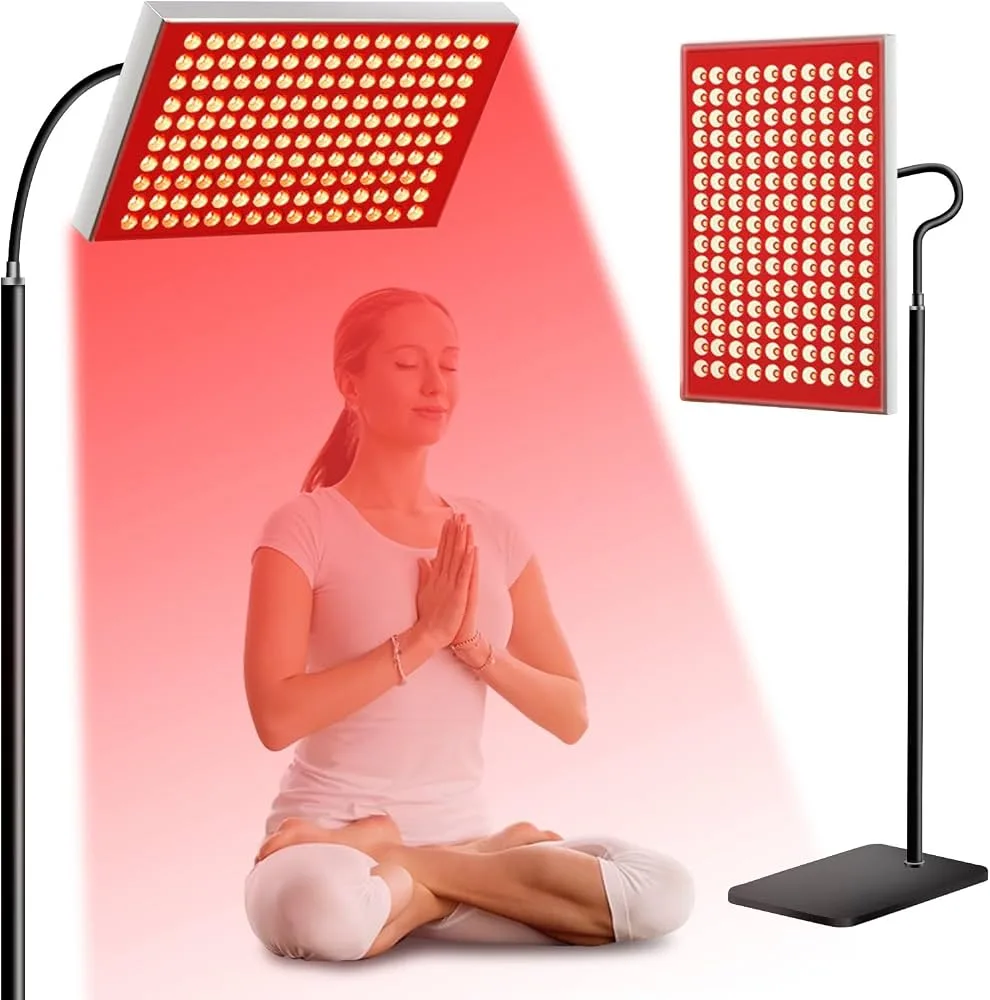
Tissue depth determines which wavelength you actually need, and muscle recovery demands both. According to Enhanced Human’s evidence review, 660 nm reaches superficial tissue while 850 nm penetrates deep muscle and joint structures. A single-wavelength device forces you to choose one target and abandon the other. For athletes treating post-workout soreness in large muscle groups, a single-wavelength panel is the equivalent of icing only the skin above the injury.
The device market makes this harder than it should be. Panels are frequently marketed with wavelength claims that don’t hold up to measurement, and without third-party irradiance data, there’s no reliable way to verify what you’re actually buying. If you’re comparing devices and feeling overwhelmed by unverified specs, that skepticism is warranted, and defaulting to products with independently measured output data is the only standard worth applying.
2. 6 to 12 Inches - The Only Distance Range That Delivers a Therapeutic Dose

Distance is the most common protocol mistake, and it’s invisible unless you measure it. Enhanced Human’s 2024 review specifies 6 to 12 inches (15 to 30 cm) as the correct treatment distance to hit therapeutic irradiance at tissue level. Beyond 12 inches, power density drops sharply due to the inverse square law, pushing the delivered dose below the threshold needed to activate cytochrome c oxidase. Too close risks overexposure; too far means the session delivers almost nothing useful.
Distance errors are silent. The device still glows, still feels warm, and still wastes your time. Athletes who lack a structured program find themselves drifting away from the practice entirely. When there’s no framework telling you what to do, when, and how, the easiest default is to stop.
3. 10 to 20 Minutes Per Muscle Group - Why Longer Sessions Backfire
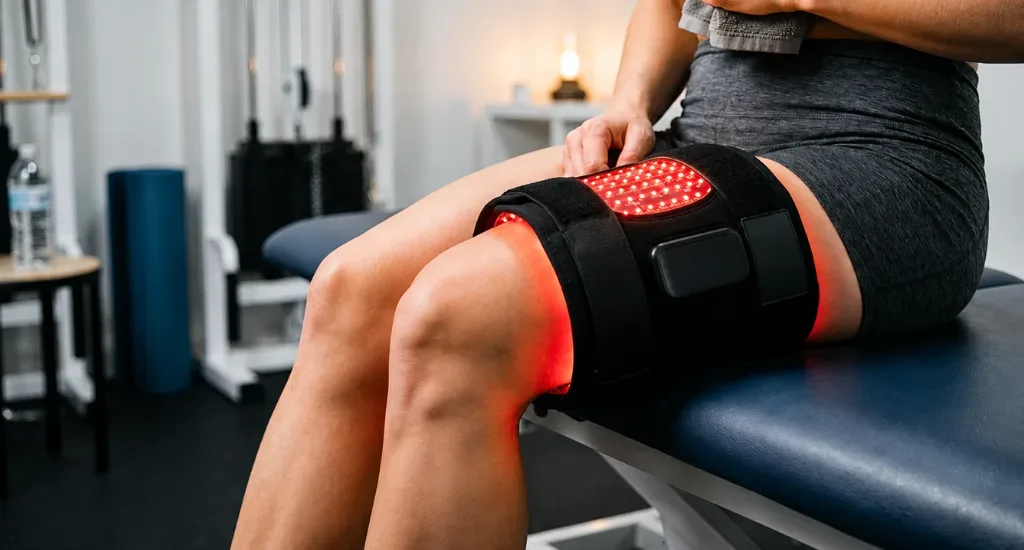
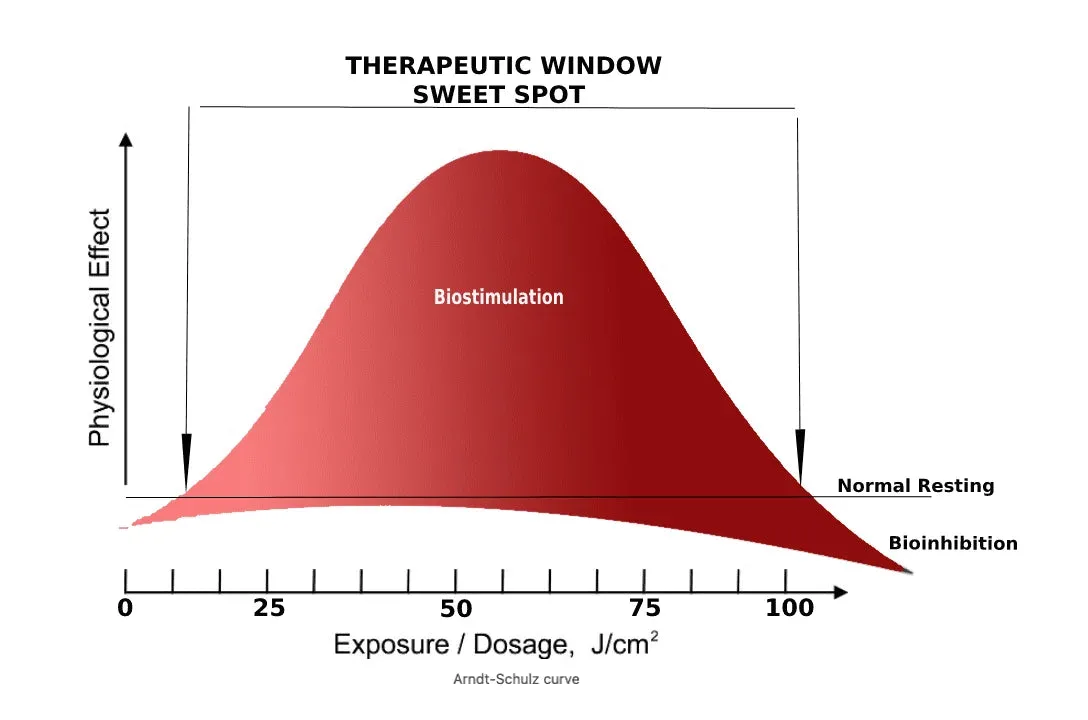
Red light therapy follows a biphasic dose response, meaning benefit rises with dose up to a point, then reverses. Enhanced Human’s evidence review places the therapeutic window at 10 to 40 J/cm², with sessions exceeding roughly 60 J/cm² capable of suppressing the mitochondrial response rather than stimulating it. Longer sessions produce a different biological outcome with the opposite effect.
4. Calculating Energy Dose in J/cm²: The Formula Athletes Skip at Their Own Risk
The calculation takes ten seconds and changes every decision that follows: irradiance (mW/cm²) multiplied by time in seconds, divided by 1,000, equals joules per cm². A 50 mW/cm² device run for 10 minutes delivers 30 J/cm², comfortably inside the therapeutic window. The same device run for 25 minutes delivers 75 J/cm², past the suppression threshold. Skipping this math is the difference between a session that accelerates recovery and one that actively works against it.
Athletes who have previously struggled with consistency due to lack of program structure are the ones most likely to skip this step. Without a system that surfaces the right information at the right time, the details fall through the gaps.
5. Panel vs. Handheld for Home Use - Irradiance Output Is the Deciding Factor
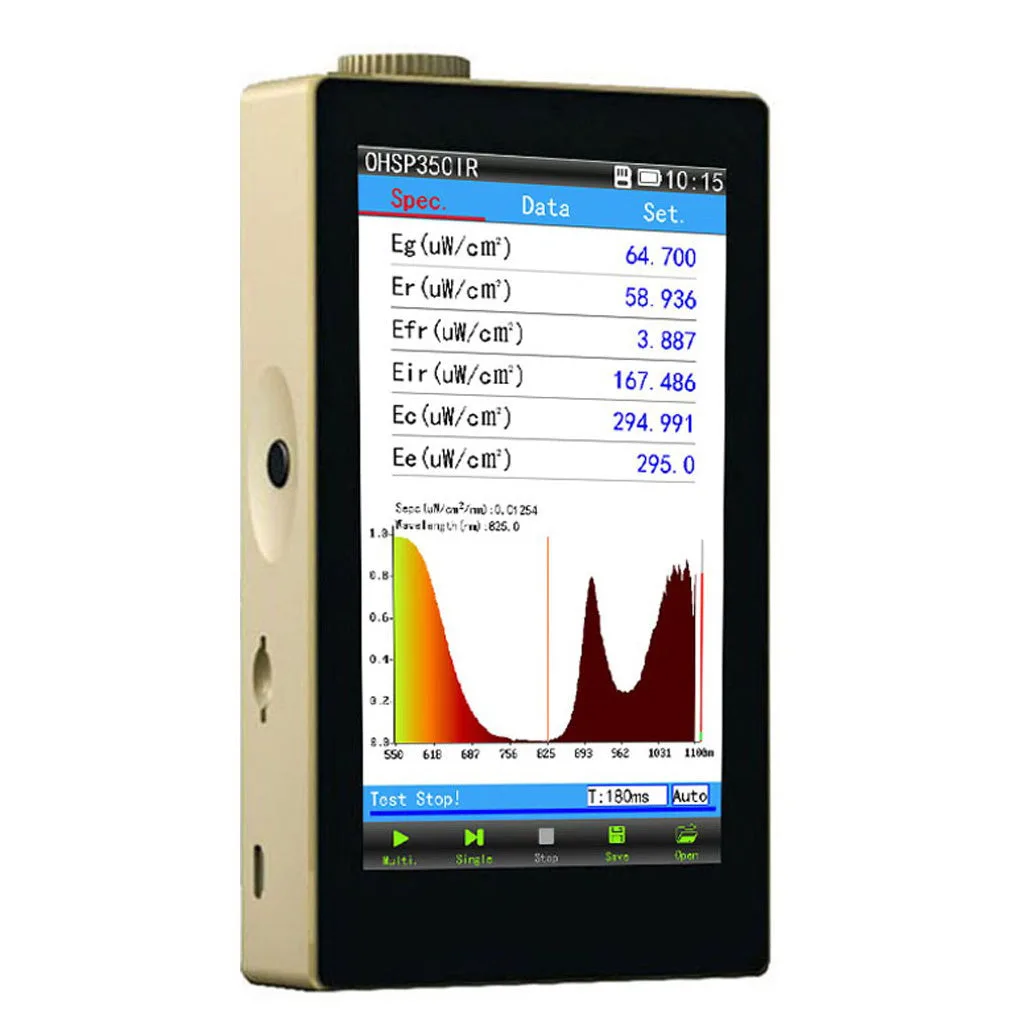
A handheld device covering a 4-inch area cannot dose the hamstrings, quads, and glutes in any practical session length. Enhanced Human’s review recommends full-body or large panel devices with a measured irradiance of at least 50 to 100 mW/cm² at the treatment distance. “Measured” is the operative word: many commercially sold devices are poorly calibrated, and manufacturer claims rarely match third-party testing results. For large muscle group recovery after hard training sessions, a panel is the practical minimum.
For athletes without access to a personal trainer who can cut through device marketing and prescribe a protocol grounded in their actual training load, the combination of verified equipment and a structured AI-driven program is the closest functional substitute. GetFit AI’s Premium plans, available weekly at $1.99, monthly at $4.99, or yearly at $49.99, are built to provide that structure continuously, functioning as the retention layer that keeps users training and recovering correctly past the point where most people, without a system, have already quit.
Related Reading
- Athletic Performance Analysis
- Does Vaping Affect Athletic Performance
- How to Avoid Feeling Sleepy After Workout
- How Does Sleep Affect Athletic Performance
- How to Measure Athleticism
- Velocity Based Training
- Building Stamina and Endurance
- Why Am I So Bad at Sports
- Endurance vs Strength Training
- Why Am I So Tired After Working Out
- How to Create a Personalized Workout Plan
Before and After Workout Timing for Red Light Therapy
The timing of your sessions relative to training determines whether you are priming muscles before they are loaded or accelerating recovery after the damage is done, and the two protocols produce meaningfully different results. GetFit AI helps you build both into your routine so you are not leaving performance on the table by defaulting to whatever time happens to be convenient.
Pre-Workout Red Light Exposure Primes Muscles Before the First Rep
According to a study published in the International Journal of Innovative Technologies in Social Science, ‘The Effect of Red Light Therapy (Photobiomodulation) on Muscle Recovery and Physical Performance in Athletes’, pre-workout photobiomodulation primes muscles by boosting ATP synthesis and increasing circulation ahead of physical output.
The One-Hour Post-Workout Window That Determines Recovery Speed
Post-workout red light therapy applied within one hour of training targets the inflammatory response at its peak.
Pre vs. Post as Two Distinct Biological Interventions
Merican Health’s review frames the distinction clearly: pre-workout use is oriented toward performance priming; post-workout use is oriented toward recovery acceleration.
GetFit AI’s Athlete-Style Custom Workout Plans can slot both windows directly into your session schedule, from the very first workout, so the protocol gets executed instead of skipped. And if you are training alongside a friend who is also using GetFit AI, the friends, challenges, and leaderboard layer adds the accountability that keeps both windows from quietly disappearing past week three.
Risks and Precautions of Red Light Therapy Worth Knowing
Skipping sessions is rarely where things go wrong. The more common mistake is doubling them and wondering why progress stalls.
1. Over-Exposure Risk - More Sessions Don’t Mean More Gains
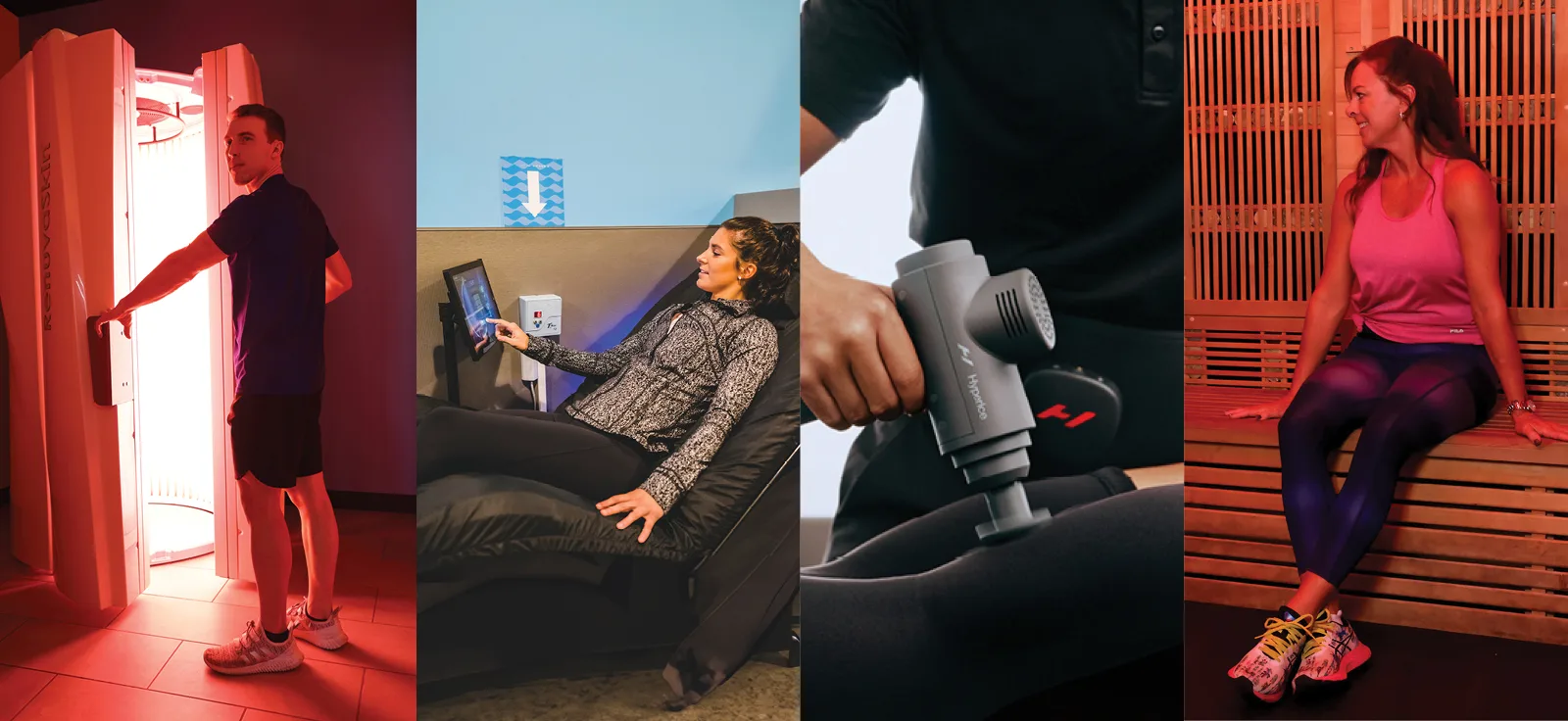
Red light therapy follows a biphasic dose-response curve: the right amount of light stimulates mitochondrial activity, but excess exposure suppresses it rather than compounding the benefit. Beginners we work with often assume that if 10 minutes is good, 30 minutes must be better, and they’re consistently surprised when soreness climbs instead of falling. As Celluma details, over-exposure can actively harm skin at the cellular level rather than help it.
The same principle that makes therapeutic light beneficial at the right dose makes it counterproductive past it. Stick to 10 to 20 minutes per target area. Past the optimal dose, it actively reverses the cellular signal.
2. Eye Safety - Near-Infrared Light Is Invisible and Can Damage Your Retina
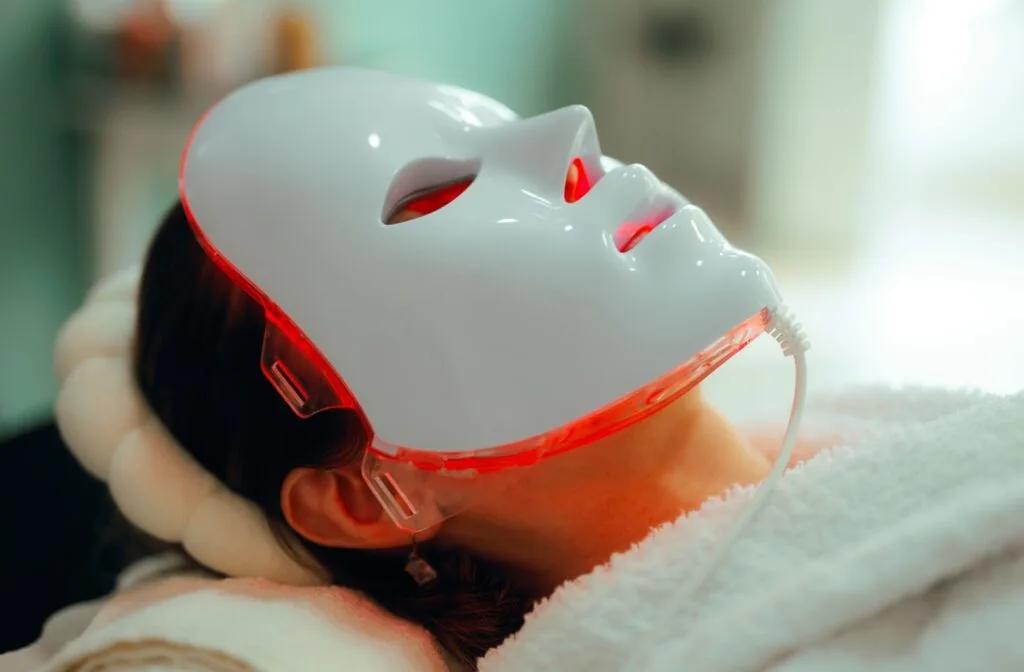
Near-infrared wavelengths are completely invisible to the naked eye, which creates a real hazard: users may not realize their eyes are being exposed during a session because the light appears dim compared to red LEDs. Standard sunglasses do not block near-infrared. Dedicated photobiomodulation safety goggles rated for the specific wavelength range are the only reliable protection. The stakes here are well-established in the research literature: Albarracin et al. in BMC Neuroscience demonstrated that 670 nm light can mitigate oxygen-induced retinal degeneration in animal models, evidence that these wavelengths interact directly with retinal tissue, which is precisely why unprotected exposure is a serious concern. This is non-negotiable.
3. Contraindications - Active Cancer, Photosensitizing Medications, and Open Wounds
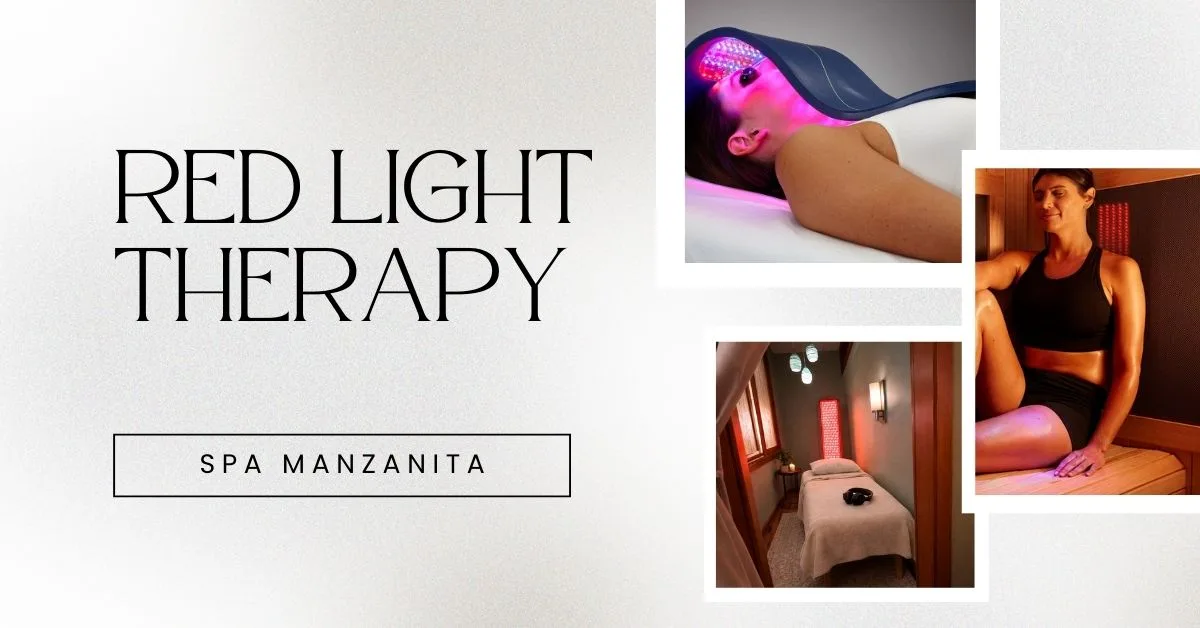
Recognized contraindications include active cancers, use of photosensitizing medications, and open or unhealed wounds where treatment may be harmful rather than beneficial. Photosensitizing drug classes include certain antibiotics, retinoids, and NSAIDs. As Celluma notes, interactions between photosensitizing compounds and light exposure can produce DNA-level harm that reverses any recovery benefit. If you start a new medication, the protocol needs to be reassessed before your next session. GetFit AI’s anytime chat access means you can flag a new prescription immediately and get a protocol-adjusted response instead of guessing, the kind of responsive guidance that makes athlete-style custom workout plans practical for people managing real-life variables.
4. Red Light Therapy Is a Recovery Adjunct, Not a Training Replacement
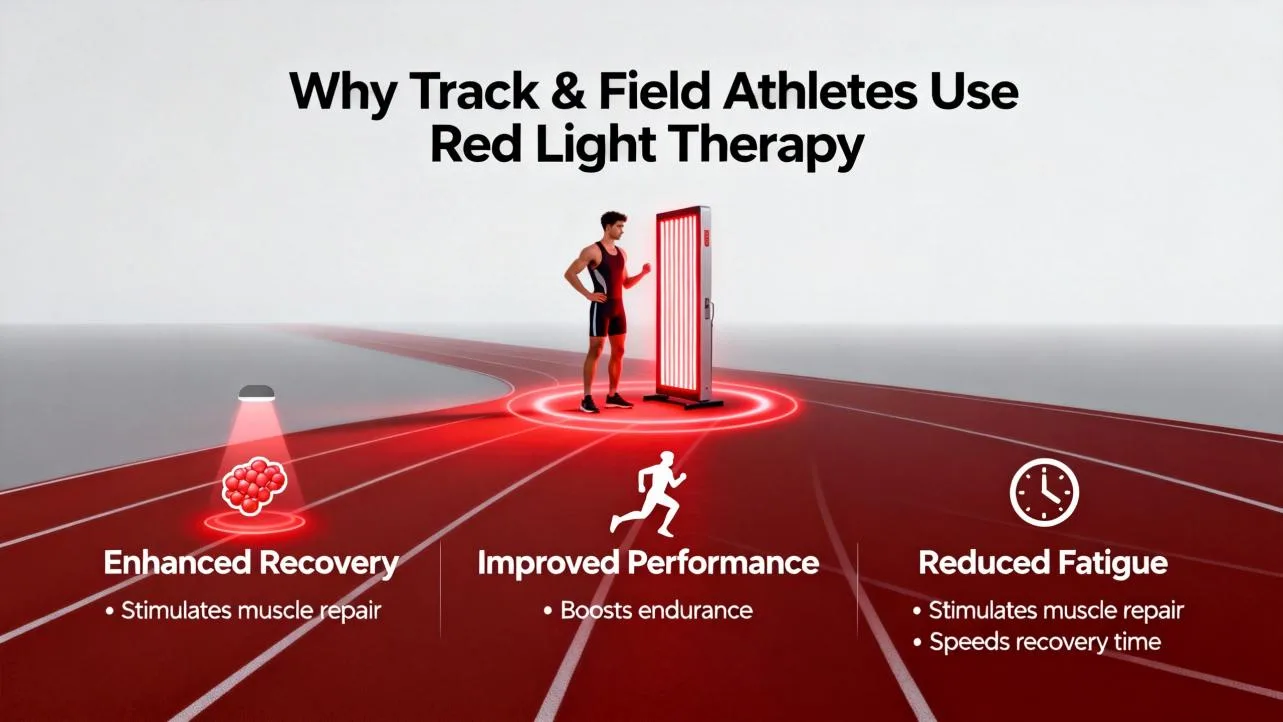
Red light therapy supports the body’s natural repair processes but does not substitute for structured training or medical care. Treating it as a shortcut that offsets poor sleep, inadequate nutrition, or no progressive overload is the wrong frame entirely. It amplifies a good recovery plan; it cannot replace one. GetFit AI’s Structured Training plans are most beneficial for people who have previously struggled with consistency due to lack of program structure, and they engage from the first workout session, giving red light therapy an actual training stimulus to support. Without that progressive overload foundation in place, red light therapy adds very little.
5. General Safety Precautions - Device Quality, Skin Sensitivity, and Session Monitoring
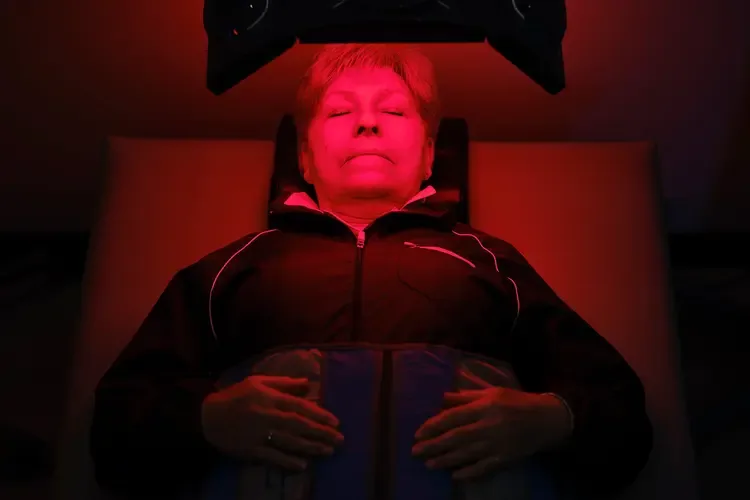
One of the most common concerns beginners bring to us is simple and legitimate: they don’t know which red light therapy devices are actually tested and effective, and they’re right to worry about spending money on panels that don’t deliver real results. Budget devices with inconsistent irradiance output are a genuine problem. A panel that under-delivers the therapeutic wavelength range provides no benefit, while one with uneven output creates hot spots that irritate skin. Celluma reinforces why device quality is a serious purchasing consideration: subtherapeutic or poorly regulated output can shift the dose-response curve in the wrong direction entirely.
Start with shorter sessions (5 to 10 minutes) if you have sensitive skin, and monitor for redness or unusual warmth after each session. Adverse events from quality devices are rare, but unregulated budget hardware changes that calculus significantly.
Knowing what not to do with red light therapy closes the safety gap, but safety alone doesn’t build a stronger athlete. The next section shows how to wire red light therapy into a structured, adaptive training plan so it works as part of a system.
Related Reading
- How to Deal With Performance Anxiety in Sports
- Hydration Tips for Athletes
- How to Build Mental Toughness in Athletes
- Food for Athletes During Competition
- Strength Training Workout for Runners
- Best Plyometric Exercises for Speed
- Exercises That Improve Muscular Endurance
- Conditioning Workouts for Athletes
- Speed Training for Athletes
- Balance Exercises for Athletes
- Best Core Exercises for Athletes
How to Build Red Light Therapy Into a Personalized Training Plan
Early dropout is well-documented in academic literature, with research confirming that more than 50% of new exercisers quit within the first three months of joining a fitness center. It is the absence of a connected plan that makes every good habit, including red light therapy, feel optional until it disappears entirely. The core claim here is this: red light therapy fails most regular gym-goers because it is dropped into a recovery routine that doesn’t exist, and the same personalization logic that makes AI-driven training plans effective applies directly to recovery scheduling.
“I initially struggled to notice benefits from red light therapy when using it post-workout for recovery. Timing within a training plan seems like a critical but unclear variable.”
— what we hear from fitness & recovery enthusiasts
Why Timing Red Light Therapy to Training Intensity Changes Everything
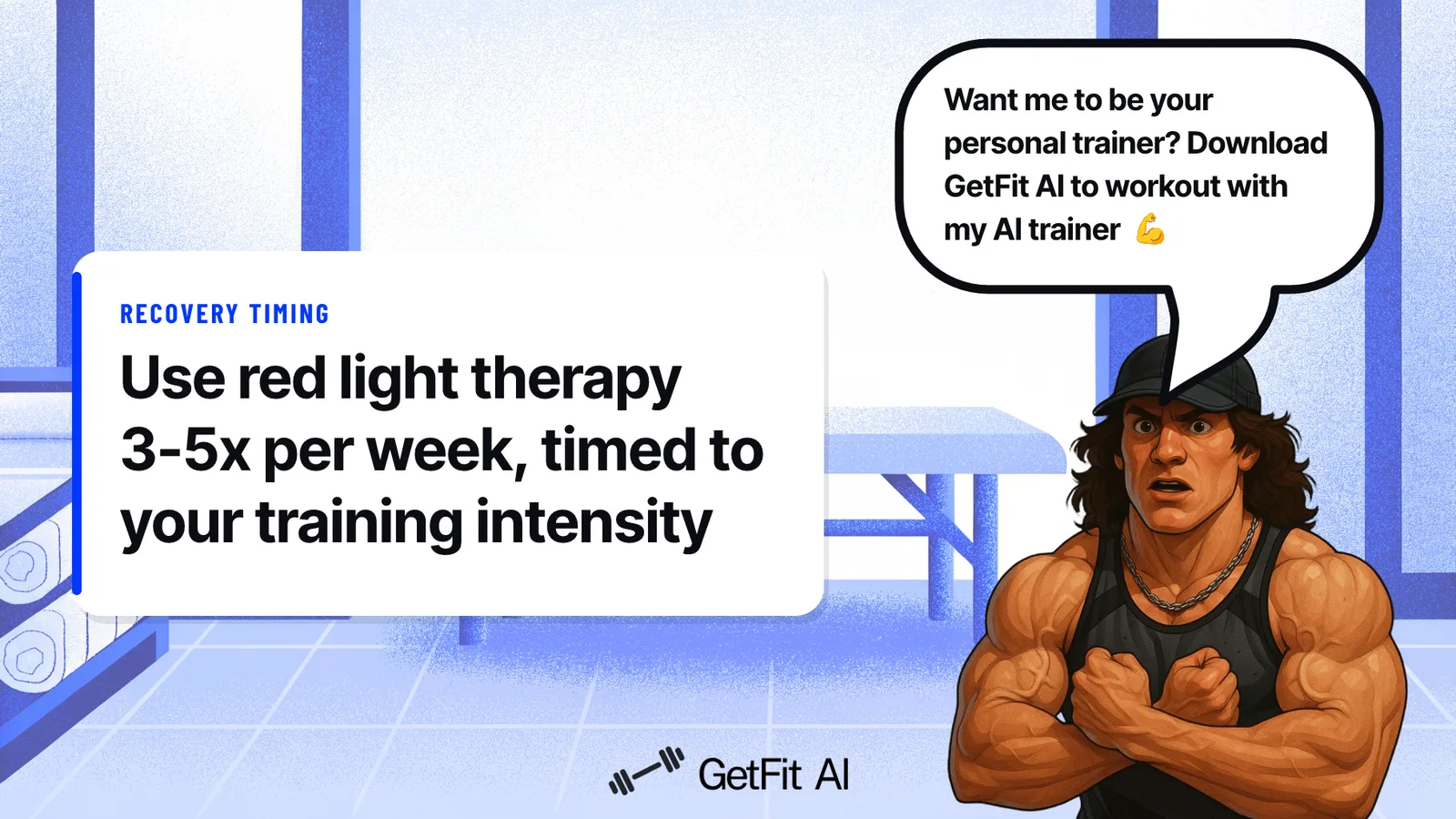
Research on photobiomodulation frequency points to three to five sessions per week as the optimal window for athletic recovery, which maps cleanly onto a structured training split: pre-workout exposure on heavy strength days to prime output, post-workout near-infrared sessions on high-volume or consecutive training days to intercept inflammation at its peak. Without that structure anchoring each session to a specific training context, even the correct frequency becomes guesswork.
How to Turn Protocol Knowledge Into a Consistent Weekly Habit
Rail Stop Fitness is direct on this point: without a connected, personalized plan, any evidence-backed recovery practice becomes an isolated tip that never gets consistently applied. Knowing the optimal frequency range is only the starting point.
That gap is exactly what GetFit AI is built to close. The AI fitness app generates a custom workout plan from your first onboarding quiz, then keeps the AI trainer available mid-session and on rest days, a setup Rail Stop Fitness’s retention data suggests is exactly the kind of connected, personalized plan that closes the dropout gap before week three. Recovery integration becomes part of the adaptive workout plan itself.
Next steps
If your training keeps stalling despite consistent effort, the path forward starts with treating recovery as a biological requirement, not an optional add-on. Soreness is a marker of unresolved cellular stress, not a growth signal, and a plan that ignores that distinction keeps accumulating damage faster than the body can resolve it. Start with our AI fitness app.
The research on red light therapy makes two things clear. First, pre-workout and post-workout applications are distinct biological interventions: pre-session exposure primes ATP production and vasodilates blood vessels for better output, while post-session near-infrared light suppresses the pro-inflammatory cytokine cascade and clears metabolic waste before it compounds into the next session’s performance debt. Treating it as a one-directional soreness tool captures less than half its measurable value.
Second, red light therapy fails most gym-goers not because the science is weak, but because it gets dropped into a recovery routine that does not exist. When it is integrated into a dynamic plan that adjusts to weekly training intensity, it shifts from a forgotten habit to a compounding performance input. Together, these two points make the next step obvious: you need a structured plan that tells you when and how to apply both windows, not just the knowledge that they exist.
Start with an AI fitness app that builds your training plan from day one and keeps an adaptive AI coach available the moment you need to ask whether tonight calls for a pre-session prime or a post-workout recovery window.
Frequently Asked Questions
Does red light therapy actually reduce soreness, or is it just a wellness fad?
The research supports a real, measurable effect, red light therapy can reduce DOMS by up to 50% after hard training sessions. The mechanism is cellular: it accelerates ATP synthesis and muscle repair without blunting anabolic signaling, meaning it removes unresolved cellular stress rather than masking any genuine growth signal.
Will red light therapy help with the joint aches and tendon tightness I get from training consistently?
Yes, and the reason is wavelength depth. Near-infrared light at 850 nm penetrates deeper than visible red light, reaching connective tissue where chronic training stress accumulates, and research identifies collagen synthesis support as a documented benefit that can reduce joint stiffness and aid recovery from minor strains. That said, the post is clear that this is not a substitute for medical evaluation of actual injuries.
What wavelengths should I actually look for in a red light therapy device?
The two wavelengths that consistently appear in peer-reviewed research are 660 nm (red) and 850 nm (near-infrared). The 660 nm wavelength is absorbed in superficial tissue layers and is effective for surface muscles like quads and biceps, while 850 nm penetrates deeper into muscle tissue and connective tissue. The post also flags that irradiance matters as much as wavelength, a device can list the right wavelengths on its packaging and still produce output too weak to trigger a meaningful cellular effect.
Can red light therapy improve my endurance and strength over time, or is it only useful right after a hard session?
Both, but the long-term compounding effect is where it becomes most valuable. When your body fully completes its recovery cycle before the next session rather than carrying unresolved damage into it, the downstream result is improved power output, endurance capacity, and strength accumulation over time. The post notes this effect is most pronounced for lifters who train toward a clear athletic role model or a specific physique or performance goal.
I always feel wrecked between sessions, is that just how training feels, or is something actually going wrong?
Something is likely going wrong. The post explains that persistent fatigue between sessions is often a sign of an unmanaged recovery gap, not normal adaptation, and research cited from Sports Medicine and Health Science found that athletes with Overtraining Syndrome show higher morbidity tied to sleep deprivation and accumulated stress, directly contradicting the idea that pushing through soreness builds fitness. A structured program that accounts for your recovery window, not just your training sessions, is what closes that gap.