56 Reasons Why Do Athletes Stretch Before a Game

Static stretching before a sprint doesn’t prime you. It quietly kills your explosiveness. Here’s what the correct order actually does, and why it changes everything from the first whistle.
Most high-school athletes and recreational players assume that stretching is stretching, any kind, any order, any amount is better than nothing. That belief is everywhere on the sideline, and it is quietly costing athletes before the game even begins. Research from the Healer Journal of Physiotherapy and Rehabilitation Sciences confirms what sports scientists have argued for years: stretching is commonly performed in warm-ups with the primary rationale of joint flexibility, without deeper consideration of type or order. The type, sequence, and timing of what you do before a game determines whether your body is primed or quietly set back before the whistle even blows. See our AI fitness app for how this works in practice.
The opening minutes of a game carry the highest injury risk of any period of play, and a disordered warm-up is a direct contributor. Research published in the Journal of Physical Education and Sport found that sprint performance in amateur soccer players differed significantly based on whether static or dynamic stretching preceded activity, with static-first sequences producing measurably worse explosive output. That sluggish first quarter, that pulled hamstring at the 90-second mark: both have a warm-up fingerprint on them.
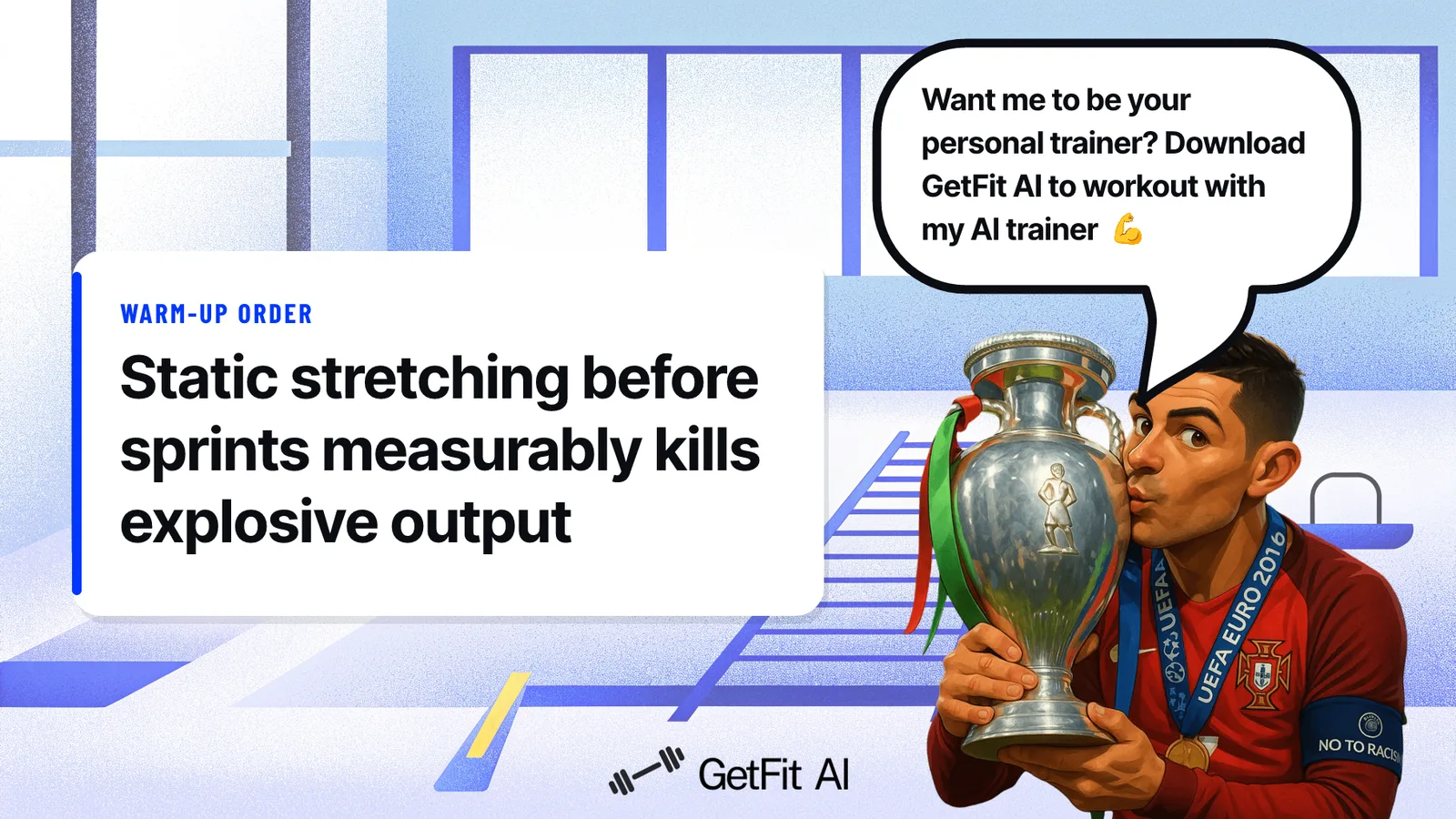
Static holds before a sprint are not neutral. They actively blunt the muscle power and reaction speed you need most right at the start. Most athletes have no idea which stretch belongs when, and that blind spot has a measurable cost. The next section names exactly what happens inside your muscles when you hold a static stretch right before you need to sprint, and the answer is the reason elite warm-up protocols look nothing like what you see on the sideline at a Friday night game.
Key takeaways
- Static stretching before explosive activity temporarily reduces force output and reaction speed, doing it wrong before a game is worse than skipping it entirely.
- 46% of soft-tissue injuries in competitive sport happen in the first 15 minutes of play, before the body has fully transitioned from rest to high-output movement.
- Pre-game stretching isn't about loosening up, it's about priming the nervous system through a deliberate sequence: general aerobic raise, dynamic mobility, then sport-specific activation.
- Sequence is the whole mechanism. Swap two phases or skip one, and you don't just lose the benefit of that phase, you actively undermine the one that follows.
- The 10 minutes immediately after a game are the most recovery-friendly window of the entire training day, and static holds only become optimal once muscles are already warm from exertion.
- Knowing the science has never been the missing piece, most athletes who plateau or keep getting hurt can already explain what they should do. The gap is having a ready sequence that removes the guesswork in real time.
- GetFit AI closes that gap by building a custom warm-up and training plan around your sport and your favorite athlete's style, with an AI trainer available anytime to adjust the plan as you go.
What Static Stretching Before Explosive Activity Actually Does to Your Performance
Prolonged static holds performed immediately before explosive movement can temporarily reduce force production and jump height, and for adult recreational athletes returning to court sports, that performance dip can also translate into real injury. Understanding exactly what is happening in your muscles during those holds is what lets GetFit AI guide you toward a warm-up that actually prepares your body instead of quietly working against it.
Why Prolonged Static Holds Temporarily Steal Your Explosiveness
“Adult returning athletes are unaware that static stretching before explosive activity (like tennis) can increase injury risk, leading to real injuries such as calf muscle pulls.”
— what we hear from adult recreational tennis players
Consider a runner debating how much static stretching to do before a long run; the answer matters more than most people realize.
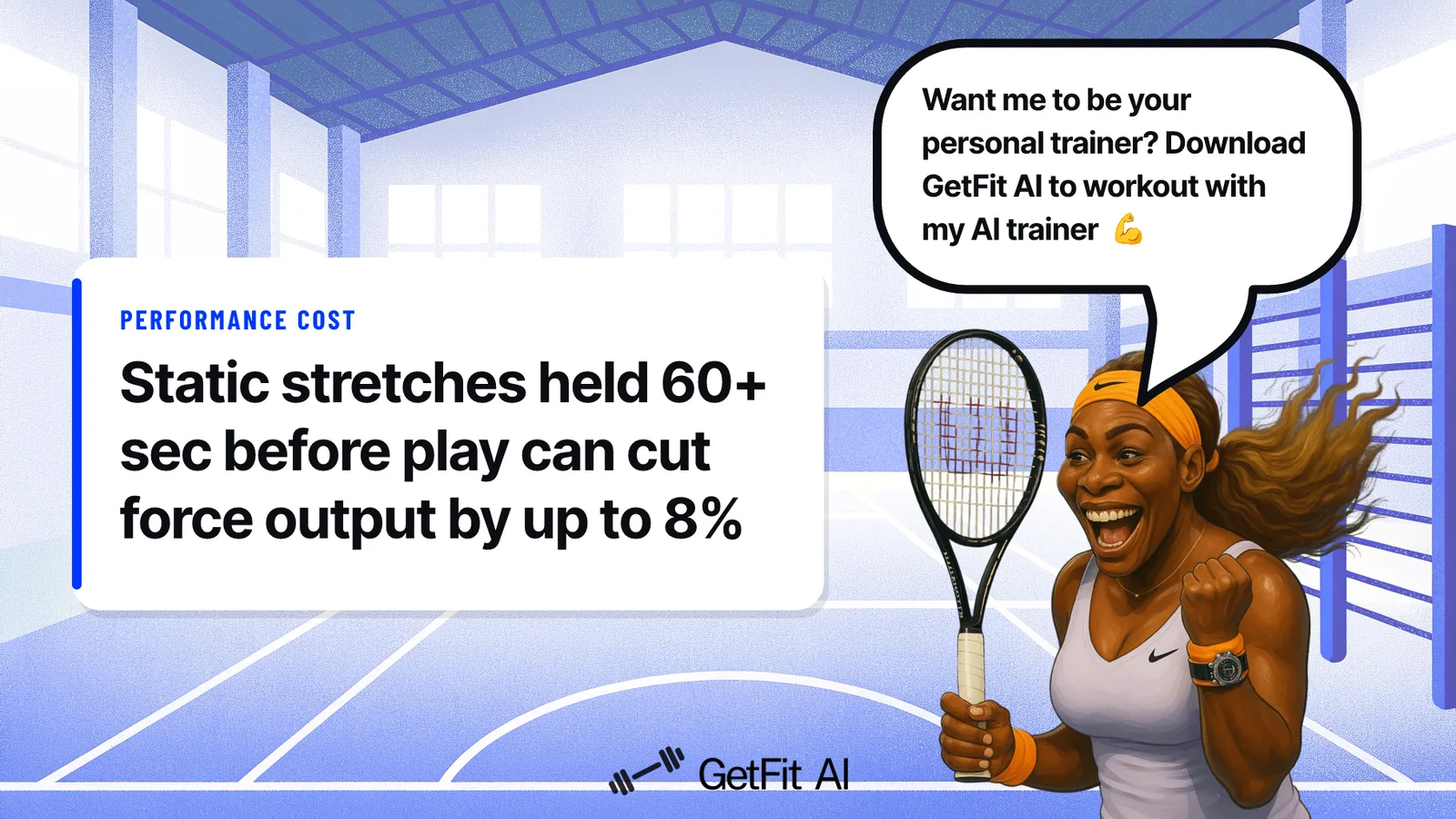
Force production drops. Prolonged static stretching holds of 60 seconds or more performed immediately before explosive activity can temporarily reduce force production and jump height by up to 8%, according to The Effects of Static Stretching on Measures of Gross Motor Coordination During Vigorous Physical Activity from Western Kentucky University. For a basketball player, 8% less vertical jump in the first quarter is the difference between getting to the ball and watching someone else grab it.
Key takeaway: Static holds of 60+ seconds before explosive activity can temporarily reduce force production and jump height by up to 8%. Feeling loose and moving powerfully are not the same thing.
Static stretching buys looseness by taxing power output.
The Nervous System Is the Real Target, Not Tight Hamstrings
Research on this mechanism explains directly: static stretching reduces muscle spindle sensitivity and decreases neural activation, which is the opposite of what explosive athletic output requires. Muscle spindles are the sensors inside your muscles that detect stretch and signal your nervous system to fire back hard and fast. When those sensors are quieted by prolonged holds, the rapid-response signaling your body depends on for explosive movement is dulled before play even begins.
When neural activation is suppressed and the body is asked to produce explosive force anyway, the weakest link gives first, and for returning athletes, that often means a calf, a hamstring, or a hip flexor that simply wasn’t ready.
How Misordered Stretching Leaves You Slower When the Whistle Blows
Industry research notes that the inhibitory effects of static holds are not fully reversed by subsequent dynamic movement within a typical warm-up window, so even athletes who jog or move afterward may still carry a deficit into the opening minutes of activity. The neuromuscular suppression carries into early play, which is precisely when many recreational athletes are most vulnerable to soft-tissue injury.
This is exactly the kind of structural detail that GetFit AI’s Athlete-Style Custom Workout Plans are built around. The warm-up sequence isn’t left to guesswork; it’s programmed from the first workout session with the correct order baked in, so that whether you’re a fighter heading into bag rounds or a runner stepping onto the trail, the preparation actually primes your nervous system instead of suppressing it.
Related Reading
- Why Am I Not Getting Faster at Running
- Does Masturbation Affect Athletic Performance
- Biomechanics in Sports
- Why is Protein Important for Athletes
- What is Speed and Agility Training
- How to Be a Better Athlete
- How Does Sports Psychology Help Athletes
- Why is Hydration Important for Athletes
- Why Do Athletes Train at High Altitudes
- IV Therapy for Athletic Performance and Recovery
- Yoga and Athletic Performance
- Red Light Therapy for Athletic Performance
56 Reasons Why Athletes Stretch Before a Game - From Injury Prevention to Peak Nervous System Priming
Industry research indicates that forty-six percent of all soft-tissue injuries in competitive sport happen in the first fifteen minutes of play, before the body has fully transitioned from rest to high-output movement. That single fact reframes the entire pre-game ritual. Stretching before a game is not about touching your toes because your coach is watching.
Every item below maps to a specific mechanism: a tissue protected, a nerve pathway opened, a force output unlocked that a cold body literally cannot access. Skip any of these, and you are not just leaving performance on the table. You are walking into the opening whistle already behind.
One critical warning before the list. Industry research found that stretching type determines the degree of muscle damage protection, not merely whether you stretched at all. Static holds done before dynamic movement leave your nervous system in a temporarily suppressed state that subsequent dynamic work cannot fully reverse within a normal warm-up window. An out-of-order routine can leave you measurably weaker at kickoff than if you had done nothing at all. Keep that in mind as you read every reason below, because the mechanism only works when the sequence is right.
1. Primes the Nervous System for Faster Signal Transmission
Neural conduction velocity increases with temperature. Research on dynamic warm-up protocols has shown reaction time improvements in the range of 18 to 25 milliseconds compared to a cold baseline, a margin that separates a blocked shot from a made basket. This is not a minor edge. In sport, 20 milliseconds is the difference between reading a pass and reacting to one after it has already left the passer’s hand.
2. Increased Muscle Temperature Reduces Tear Risk

Cold muscle fibers contract slowly and absorb force poorly. Warm tissue is also more extensible, which is the first mechanical defense against a muscle tear under sudden eccentric load.
3. Enhanced Range of Motion for Full Athletic Expression

A joint that cannot move through its full range cannot generate force through its full range. Every degree of hip extension lost to tightness is a degree of stride length lost at top speed. Every degree of shoulder external rotation restricted by a cold capsule is a degree of throwing arc lost on every pass. Dynamic stretching before competition restores the working range that training has built, so the athlete competes with the body they have trained rather than the compressed, restricted version that walks off the bench cold.
4. Improved Blood Flow to Working Muscles
Vasodilation during warm-up increases the cross-sectional area of capillaries feeding the working muscles. More blood means more oxygen arriving per unit time, which delays the onset of anaerobic metabolism and the lactate accumulation that causes the burning, heavy-legged sensation in the second half of the first quarter. Athletes who skip warm-up often describe feeling “gassed” earlier than usual. The mechanism is straightforward: their muscles ran out of oxygen faster because the delivery system was never opened up before the demand arrived.
5. Joint Lubrication Through Synovial Fluid Activation
Synovial fluid thickens at rest. Movement stimulates the synovial membrane to secrete more fluid and distribute it across the joint surface, reducing cartilage friction during the explosive cuts, landings, and pivots that define most team sports. Skipping this step is the equivalent of starting a cold engine and immediately pushing it to maximum RPM: the parts are not yet coated, and the wear rate spikes from the first movement. Knee and hip joints are particularly vulnerable to this effect in the opening minutes of competition.
6. Reduced Muscle-Tear Risk Through Viscoelastic Adaptation
The International Journal of Sports Physiology and Performance (April 2015) confirmed that pre-exercise stretching modality directly affects muscle stiffness outcomes during high-load eccentric movements. A properly warmed and dynamically stretched muscle behaves more like a spring and less like a rubber band left in a freezer. Elastic tissue stores and releases energy efficiently under eccentric load. Stiff tissue stores energy poorly and transfers excess force to the musculotendinous attachment points, which is precisely where most muscle tears begin.
7. Tendon Load Management Before High-Impact Activity
Tendons are viscoelastic structures, meaning they respond differently to load depending on how quickly that load is applied. A sudden, high-force demand on a cold, unloaded tendon can exceed the tissue’s mechanical tolerance and cause micro-tears that accumulate into tendinopathy over weeks. Calf raises, ankle circles, and progressive hopping during warm-up introduce load gradually, allowing the tendon to reach its optimal stiffness before sprint-level demands arrive. This graduated approach is the difference between a tendon that performs and one that is slowly degenerating.
8. Asymmetry Correction Reducing Compensatory Injury Patterns
Most athletes have dominant and non-dominant sides that differ meaningfully in strength and activation patterns. A structured warm-up that includes single-leg and single-arm movements forces the non-dominant side to activate independently rather than relying on the dominant side to compensate. Over a season, this bilateral activation during warm-up reduces the compensatory movement patterns that produce overuse injuries on the dominant side and acute injuries on the non-dominant side when it is suddenly asked to perform at full capacity without preparation.
9. Power Output Readiness Through Muscle Activation Sequencing
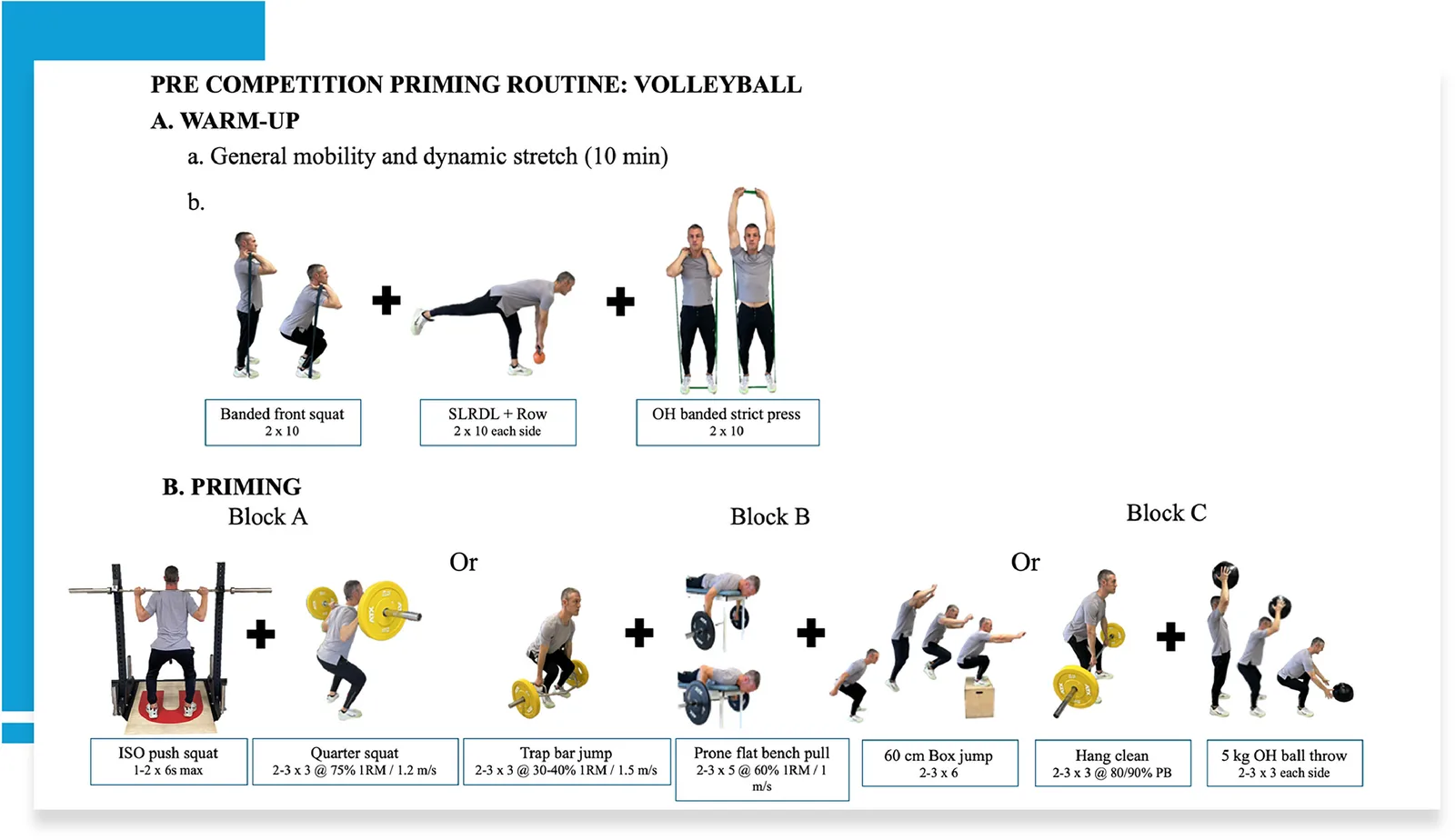
Meta-analyses on dynamic versus static stretching before explosive activity have documented reductions in peak force output of up to 8 percent following prolonged static holds, a deficit that dynamic protocols avoid entirely and in some cases reverse through potentiation.
10. Improved Stride Mechanics in Running-Based Sports
A hip joint compressed by hours of sitting does not immediately produce full range of motion when asked to sprint. Athletes who skip hip mobility work in warm-up are literally shortening every stride they take in the first quarter.
11. Enhanced Agility Through Improved Multi-Directional Flexibility
Agility is the product of rapid force production, accurate proprioception, and fast neural switching between muscle groups. All three components are temperature and activation dependent. The first lateral cut of the game is faster, more accurate, and less likely to result in a misstep when the neuromuscular system has been specifically prepared for multi-directional demands rather than linear movement alone.
12. Improved Coordination Through Proprioceptive Activation
Proprioceptors in the ankle joint capsule, knee ligaments, and hip musculature send positional data to the brain continuously during movement. When those sensors are cold and underactivated, the brain receives delayed, imprecise signals about limb position during landings and lateral shuffles. Single-leg balance work and dynamic movement drills during warm-up recalibrate these sensors, reducing the risk of the ankle rolling or the knee collapsing on the first lateral cut of the game, which is statistically one of the most common injury moments in basketball and soccer.
13. Faster Reaction Time Through Neural Pathway Priming
Reaction time is not purely cognitive. Dynamic warm-up protocols that include sport-specific movement patterns pre-activate the exact neural circuits used in competition, so the first defensive rotation is executed on a hot pathway rather than a cold one.
14. Nervous System Arousal Calibration for Optimal Activation
The autonomic nervous system operates on a spectrum from parasympathetic dominance at rest to sympathetic dominance under stress. Peak athletic performance requires a specific arousal level that is neither too calm nor too anxious. A structured warm-up guides the nervous system along this spectrum deliberately, starting with lower-intensity movement that raises arousal gradually and finishing with high-intensity activation drills that lock in the competitive arousal state. Athletes who skip warm-up arrive at competition with an uncalibrated nervous system, which shows up as sluggishness or uncontrolled anxiety depending on the individual.
15. Motor Unit Recruitment Enhancement Before Competition
A motor unit is a motor neuron and all the muscle fibers it controls. At rest, only a fraction of available motor units are recruited for any given movement. Progressive warm-up increases the number of motor units that are awake and ready to fire, so the first explosive movement of the game draws on a fuller pool of contractile capacity. Athletes who skip warm-up are competing with a reduced motor unit pool for the first several minutes, which is a direct and measurable reduction in force production that no amount of effort can fully compensate for.
16. Reduced Muscle Stiffness for Smoother Force Transmission
Muscle stiffness is not always a problem, but stiffness that exceeds the optimal range for a given movement pattern reduces the smoothness of force transmission from muscle to tendon to bone. A muscle that is too stiff absorbs energy that should be going into the ground or the ball, reducing the efficiency of every jump and sprint. Progressive dynamic movement during warm-up brings muscle stiffness to its optimal operating range, which is the mechanical sweet spot between too compliant and too rigid for the specific demands of the sport being played.
17. Psychological Readiness and Pre-Competition Focus Anchoring
Athletes who go directly from sitting in class to competing often describe feeling “mentally slow” in the opening minutes, which is a real neurological phenomenon: the prefrontal cortex is still in low-arousal mode and has not yet handed primary control to the motor cortex. The warm-up ritual is the trigger for that handoff, and skipping it means the handoff happens late, mid-game.
18. Confidence Building Through Physical Readiness Signals
Confidence before competition is partly cognitive and partly somatic. When the body feels warm, loose, and responsive during warm-up, it sends physical signals to the brain that reinforce the belief that the athlete is prepared. Athletes who skip warm-up and feel stiff and cold at the opening whistle often report lower confidence, not because anything has gone wrong cognitively but because the body’s physical state is communicating unreadiness. A proper warm-up is one of the few pre-game interventions that improves both physical and psychological readiness simultaneously.
19. Anxiety Reduction Through Parasympathetic Activation
Progressive movement during the early phases of warm-up increases parasympathetic activity, which counteracts the cortisol and adrenaline spikes that produce performance-impairing anxiety. As warm-up intensity rises toward competition level, the sympathetic system takes over in a controlled way, producing the focused arousal that characterizes peak performance rather than the scattered, heart-racing anxiety that impairs decision-making. Athletes who skip warm-up go directly from rest-state cortisol to competition-level adrenaline with no transition, which is a reliable recipe for first-quarter mistakes.
20. Mental Rehearsal Integration During Stretching Sequences
Stretching sequences, particularly those that are consistent and familiar, create natural windows for mental rehearsal. Athletes who use the warm-up period to visualize specific plays, defensive rotations, or first-touch scenarios are activating the same neural circuits that will execute those movements in competition. The combination of physical preparation and mental rehearsal during warm-up produces a state of readiness that neither component achieves alone. This is not a soft skill. It is a documented component of elite pre-competition preparation.
21. Team Cohesion and Collective Focus Through Group Stretching
Group warm-up creates a shared physical experience that synchronizes the team’s arousal state before competition. Athletes who warm up together arrive at the opening whistle at a similar physiological baseline, which supports coordinated team performance in the critical first minutes of play. The social dimension of group stretching also reinforces collective identity and accountability, factors that research in sport psychology consistently links to team performance outcomes. Skipping group warm-up is not just an individual decision; it disrupts the collective preparation of everyone around you.
22. Attention Narrowing and Distraction Filtering Before Kickoff
The transition from a noisy locker room or school hallway to the focused attention required for competition is not automatic. A structured warm-up, particularly one that includes progressively more sport-specific and cognitively demanding movements, narrows attention toward the task and filters out irrelevant stimuli. Athletes who complete a full warm-up report feeling “locked in” before the opening whistle. Athletes who skip it often describe feeling distracted or reactive rather than proactive in the first minutes of play, which is the attention state that leads to mental errors under pressure.
23. Gymnastics - The Sport Requiring the Most Flexibility
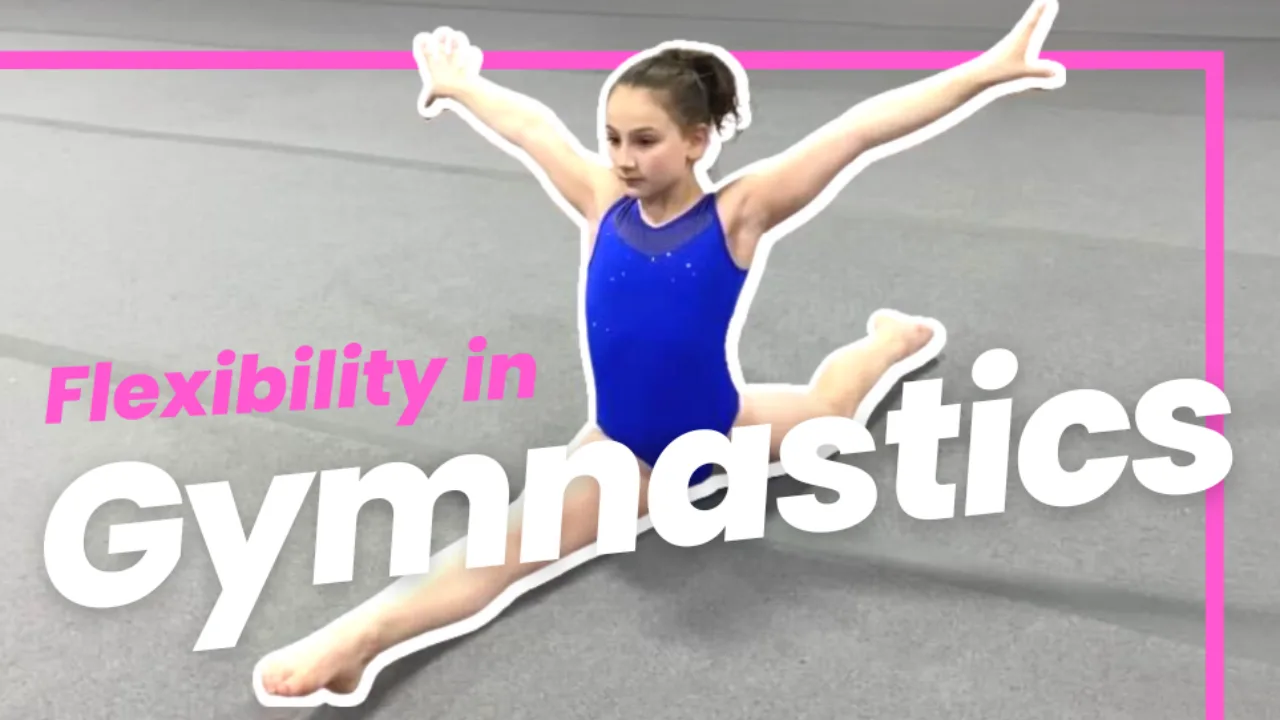
Gymnastics demands the greatest flexibility of any mainstream sport, requiring athletes to achieve full splits, back bridges, and extreme shoulder rotation under dynamic loading. Pre-competition stretching in gymnastics is extensive, often 20-30 minutes, targeting every major joint complex. Without thorough pre-event stretching, gymnasts risk acute muscle tears during skills that require end-range flexibility. The tradeoff is that gymnasts must balance flexibility with joint stability, as hypermobility without strength control increases dislocation risk.
24. Wrestling - Full-Body Flexibility for Grappling Dominance
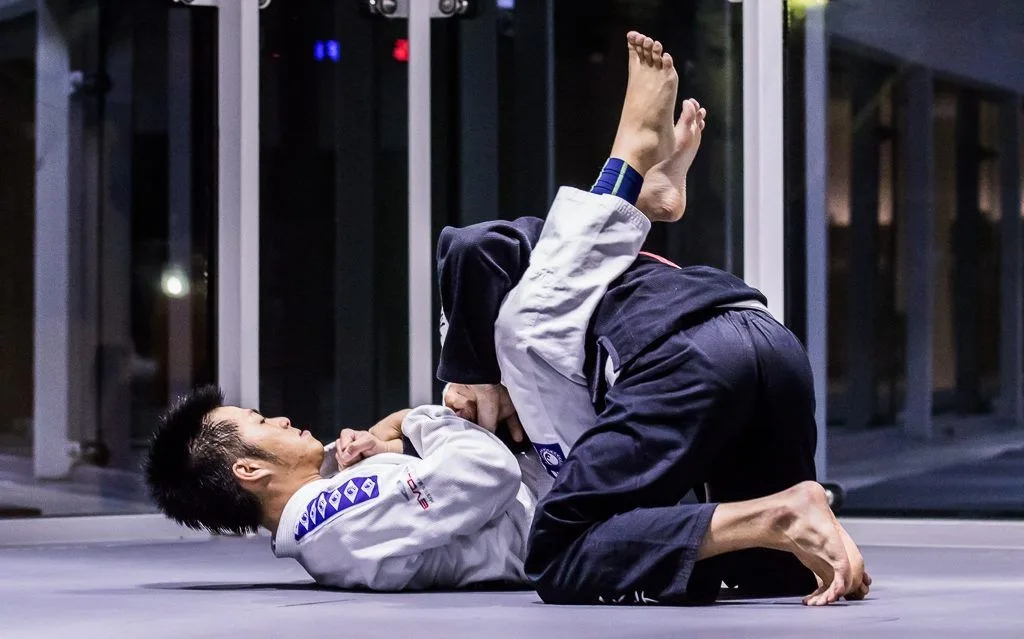
Wrestling demands full-body flexibility in positions that are impossible to predict or control in advance. A wrestler who is taken into a position their body cannot accommodate without preparation will either sustain a joint injury or be forced to submit from a position they could otherwise escape. Hip rotator, shoulder, and spinal mobility work during warm-up extends the range through which the body can move safely under resistance, which is both an injury prevention strategy and a direct competitive advantage in a sport where flexibility determines who controls the match.
25. Martial Arts - Flexibility as Both Safety and Weapon

In martial arts, a high kick that the hip cannot accommodate without preparation is a groin strain waiting to happen. Conversely, an athlete whose hip flexors and adductors are fully prepared can deliver kicks at heights and speeds that an unprepared opponent cannot defend against. Pre-competition stretching in martial arts therefore serves a dual function: it protects the athlete from self-inflicted injury through overextension and simultaneously expands the range of offensive techniques available during competition. Flexibility is not a background attribute in martial arts; it is a primary competitive variable.
26. Soccer - Hip Flexor and Groin Stretching for Kicking Power

Groin strains occur at rates of between 0.5 and 1.5 per 1,000 hours of exposure in soccer, making adductor and hip flexor preparation one of the highest-return targets in any soccer warm-up. Full kicking power requires complete hip flexor extensibility through the backswing and complete adductor control through the follow-through. Athletes who kick from tight hip flexors generate less power and place the adductor under greater eccentric stress at the end range, which is the mechanical scenario that produces the groin strains that sideline soccer players for six to eight weeks at a time.
27. Basketball - Ankle and Hip Mobility for Explosive Jumping
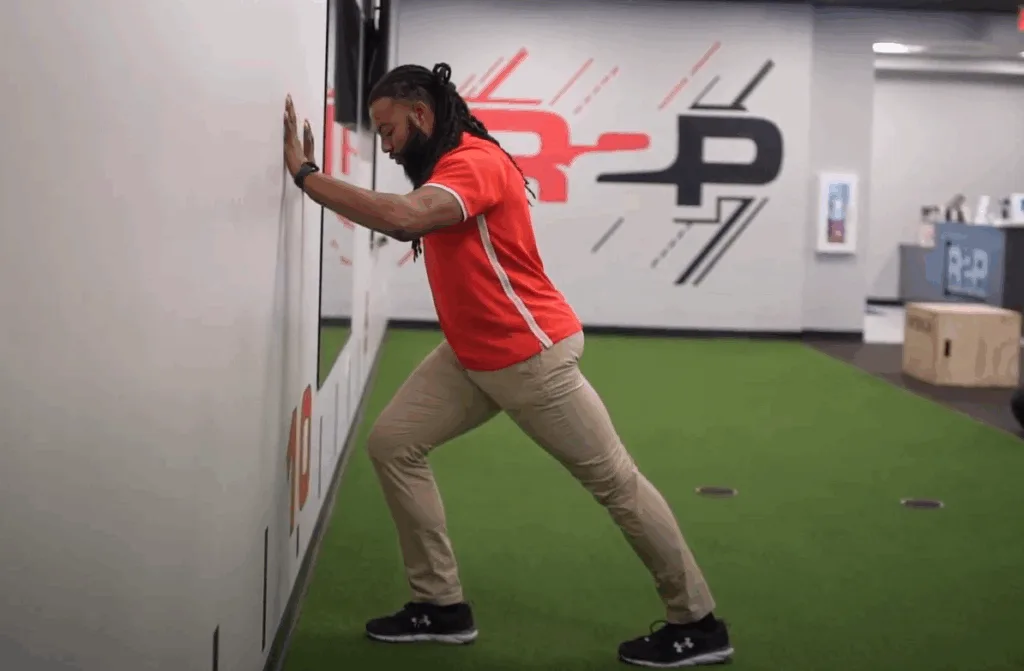
Vertical jump height in basketball is determined by the athlete’s ability to generate force through a full range of hip extension and to absorb landing forces through a full range of ankle dorsiflexion. Cold ankles with restricted dorsiflexion force the knee and hip to compensate during landing, increasing ACL and patellar tendon stress on every jump. Hip circles, ankle mobility drills, and progressive jumping during warm-up restore the ranges that allow the jump-land cycle to be executed safely and efficiently from the first possession of the game.
28. American Football - Thoracic and Hip Rotation for Linemen and Quarterbacks

Linemen need thoracic rotation to engage and disengage from blocks without lower back compensation. Quarterbacks need full hip and thoracic rotation to generate throwing velocity without overloading the medial elbow. Both positions are poorly served by a warm-up that focuses only on the lower body or only on linear movement. Thoracic rotation drills, hip mobility work, and rotational activation exercises during warm-up prepare the specific movement patterns that determine performance and protect the structures most vulnerable in each position.
29. Swimming - Shoulder and Lat Flexibility for Stroke Efficiency

Shoulder impingement in swimming is driven by restricted shoulder external rotation and lat tightness that narrows the subacromial space during the overhead pull phase. A swimmer who enters the water without shoulder and lat preparation is compressing the rotator cuff tendons on every stroke from the first lap. Arm circles, band pull-aparts, and lat stretches during warm-up restore the external rotation and overhead range that allow the stroke to be executed without impingement, which is both an injury prevention measure and a direct determinant of stroke efficiency.
30. Track and Field Sprinting - Hamstring and Hip Flexor Activation
Hamstring strains are the most common injury in sprinting, and athletes who skip a structured warm-up face significantly higher incidence rates than those who complete a dynamic protocol. The hamstring is under maximum eccentric load at the point of peak hip extension during a full-speed sprint. A cold, tight hamstring that is asked to decelerate the leg at full speed is at its highest mechanical risk. Leg swings, walking lunges, and progressive sprint build-ups during warm-up address this risk directly and are non-negotiable for any sprinting athlete.
31. Baseball and Softball - Rotator Cuff and Forearm Flexibility for Throwing
The medial elbow is under valgus stress during every throwing motion, and the rotator cuff is under eccentric load during every deceleration phase. Without rotator cuff activation and forearm flexor preparation during warm-up, the medial collateral ligament of the elbow is the primary restraint against valgus stress rather than the muscular system. Progressive forearm activation and rotator cuff warm-up before throwing reduces the ligamentous load on every pitch, which is the difference between a healthy elbow at season’s end and one that has accumulated enough micro-damage to require intervention.
32. Volleyball - Shoulder External Rotation for Spike Mechanics
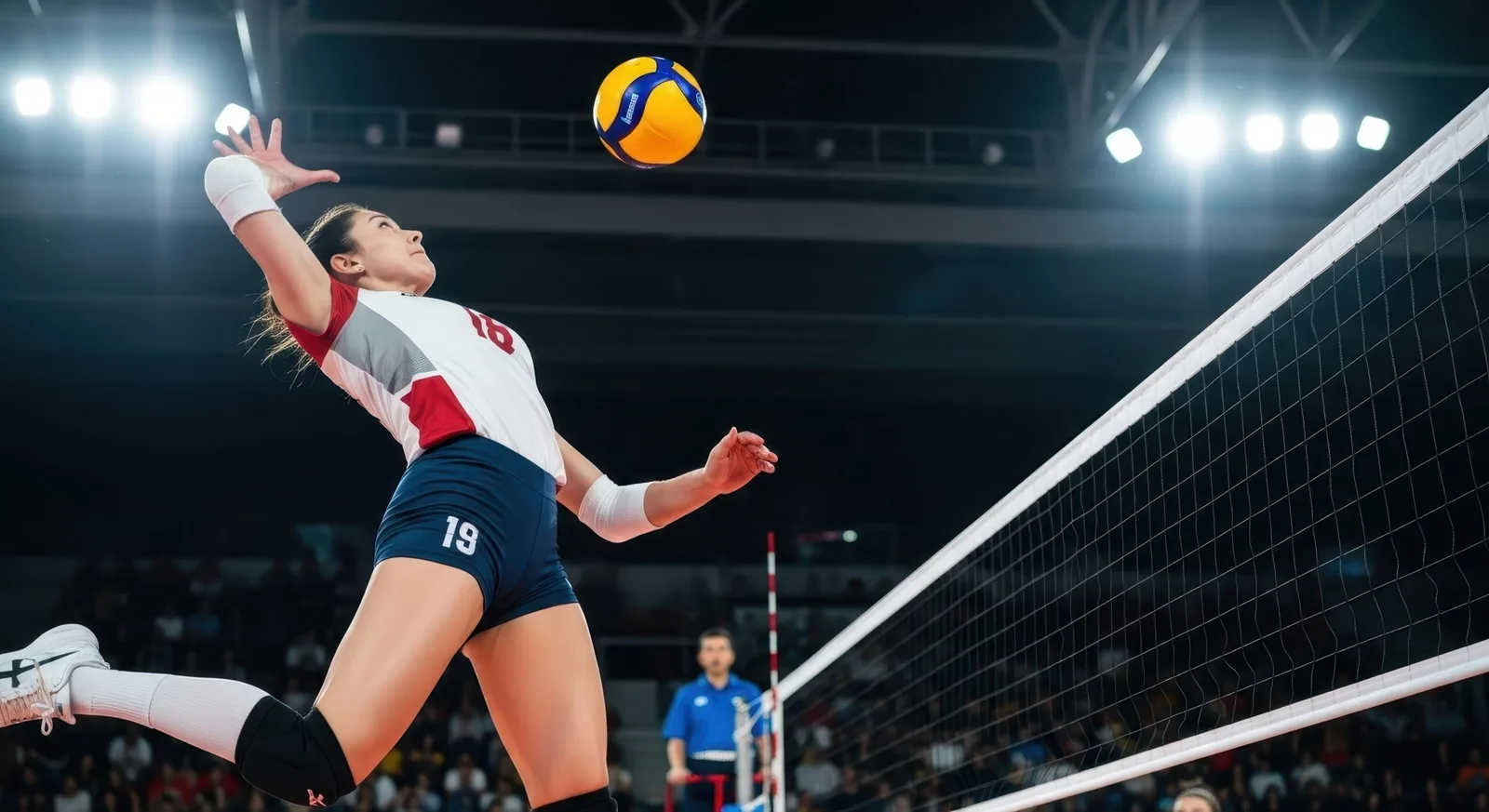
A volleyball spike requires maximum shoulder external rotation during the wind-up and rapid internal rotation during the strike. Without external rotation preparation, the rotator cuff cannot eccentrically control the deceleration phase of the spike, and the anterior capsule is stressed beyond its tolerance. Band pull-aparts, external rotation drills, and scapular retraction exercises during warm-up re-establish rotator cuff dominance before the first approach, protecting the shoulder structure that is most commonly injured in overhead court sports.
33. Tennis - Trunk Rotation and Wrist Flexibility for Serve Power
Serve power in tennis originates from ground reaction force transmitted through hip rotation, thoracic rotation, and finally wrist snap at ball contact. A restriction at any point in this kinetic chain reduces power and forces the next link to compensate. Thoracic rotation drills, hip mobility work, and wrist pronation and supination exercises during warm-up restore the full kinetic chain so the serve generates power from the ground up rather than relying disproportionately on the arm, which is both less powerful and more injury-prone as a primary power source.
34. Reduced Delayed-Onset Muscle Soreness (DOMS) After Competition
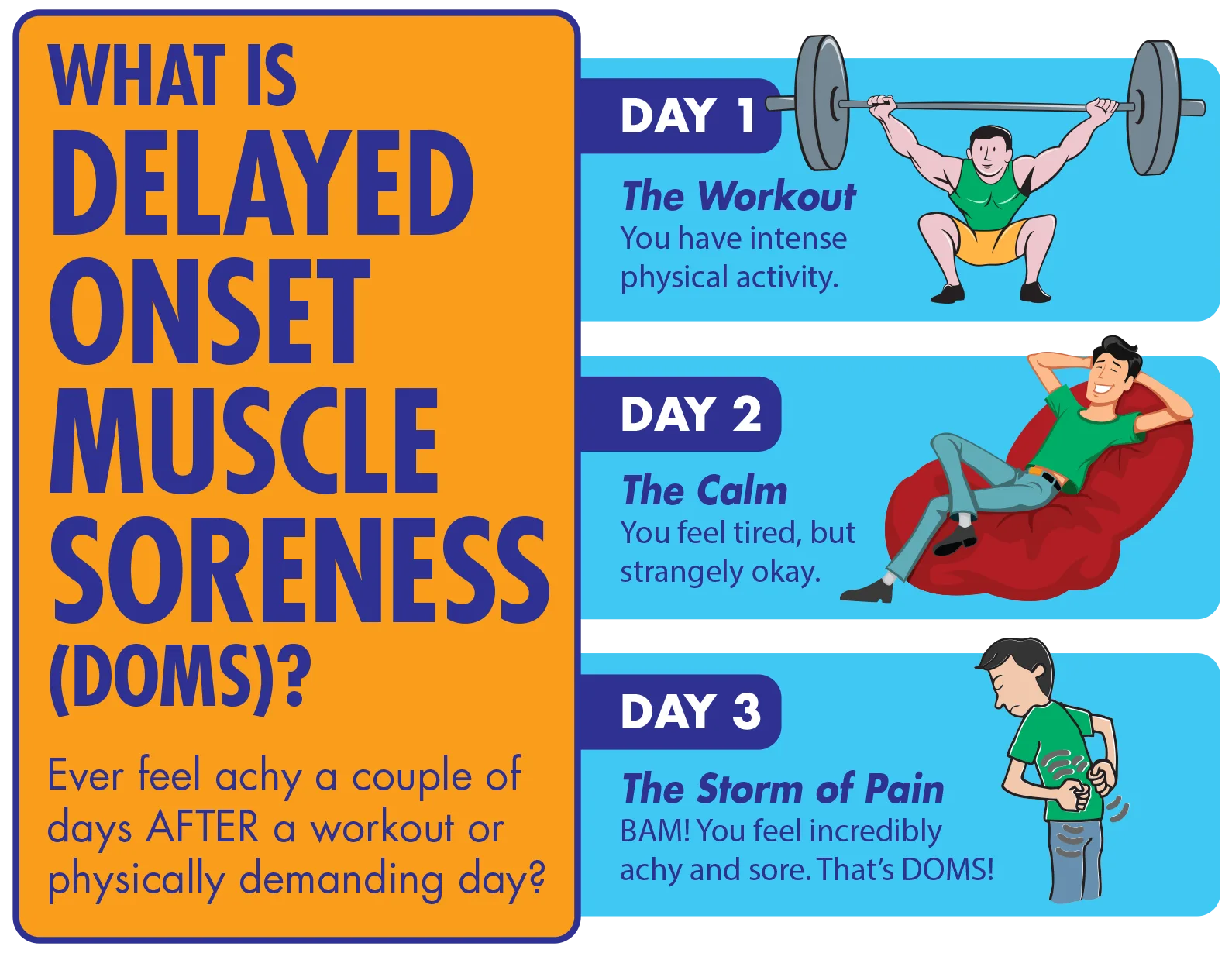
Industry research confirmed that stretching type differentially impacts muscle damage outcomes following eccentric exercise, with appropriate pre-exercise protocols reducing the inflammatory response that produces soreness in the 24 to 48 hours after competition. Less muscle damage during the game means less soreness the next day, which means better training quality in the days that follow. For athletes with games on consecutive days, this recovery benefit is not a minor convenience; it is a direct determinant of second-game performance.
35. Faster Post-Game Recovery Through Metabolic Waste Clearance Setup
A warm-up that fully establishes cardiovascular output and peripheral circulation creates a more efficient metabolic environment throughout the game. Muscles that are well-perfused from the first minute clear lactate and metabolic byproducts more efficiently during play, which reduces the total metabolic debt accumulated by the final whistle. Less metabolic debt at game’s end means faster recovery in the hours that follow, which compounds across a season of games into meaningfully better training availability and reduced accumulated fatigue.
36. Injury Prevention Continuity Across a Long Season
The FIFA 11+ program, a structured warm-up protocol studied in a large randomized controlled trial, reduced overall injury rates by approximately 30 to 50 percent across a full competitive season compared to teams using unstructured warm-ups. Single-session benefits compound into season-long resilience, and the inverse is equally true: single sessions skipped compound into the cumulative tissue damage that ends seasons early.
37. Reduced Re-Injury Risk for Athletes Returning from Injury
An athlete returning from a hamstring strain, ankle sprain, or shoulder injury is returning to a tissue that has healed with scar tissue rather than original fiber architecture. Scar tissue is less extensible and less tolerant of sudden load than the tissue it replaced. A structured warm-up that progressively loads the healing tissue before competition demands are applied is the primary mechanical defense against re-injury at the same site. Athletes who return from injury and skip warm-up are asking healed-but-compromised tissue to perform at full capacity from a cold start, which is the scenario most likely to produce a recurrence.
38. Improved Breathing Mechanics Through Respiratory Muscle Stretching
The intercostal muscles, diaphragm, and accessory breathing muscles benefit from pre-game stretching just as limb muscles do. Thoracic expansion stretches and side bends improve respiratory muscle flexibility, enabling deeper breaths and higher oxygen uptake during maximal effort. Endurance athletes in particular benefit from this often-neglected aspect of pre-game preparation. The limitation is that respiratory muscle stretching is rarely included in standard warm-up protocols, athletes must deliberately add it.
39. Core Activation and Spinal Stability Preparation
The multifidus, transverse abdominis, and pelvic floor are the deep stabilizers that protect the spine during every jump, cut, and contact. These muscles are among the first to go dormant during inactivity and among the last to reactivate spontaneously under load. Without deliberate activation through dead bugs, hollow body holds, or bird dogs during warm-up, the spine enters competition relying on passive structures like ligaments and intervertebral discs for stability, which is a reliable path to both acute injury and chronic lower back pain over a season.
40. Glute Activation Through Hip Flexor Reciprocal Inhibition Release
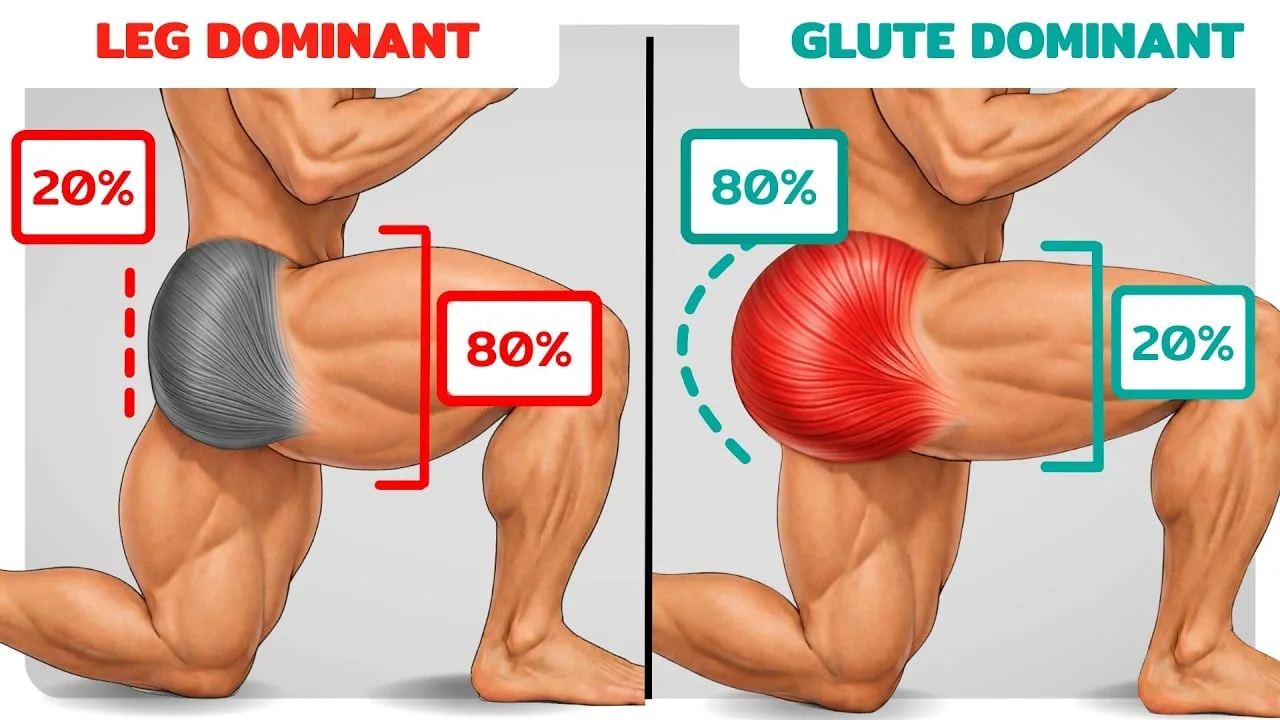
Tight hip flexors neurologically inhibit the glutes through a mechanism called reciprocal inhibition. When the hip flexor is shortened and overactive, the nervous system reduces the activation signal to the opposing glute, producing the “glute amnesia” that forces the lower back and hamstrings to compensate during hip extension movements. Hip flexor stretches during warm-up reduce this inhibitory signal, allowing the glutes to fire at full capacity during the sprints, jumps, and cuts that follow. This is one of the most mechanically important warm-up effects for any athlete who sits for most of their day.
41. Calf and Achilles Preparation for Explosive Push-Off

The gastrocnemius and soleus complex is under enormous eccentric demand during deceleration and change of direction, and the Achilles tendon transfers that force to the heel bone on every push-off. Progressive heel drops, calf raises, and dynamic ankle circles during warm-up load the tissue through its full range at sub-maximal intensity, preparing both the muscle and the tendon for the full-speed demands that arrive immediately at the opening whistle.
42. Quadriceps Flexibility for Safe Landing Mechanics
The quadriceps are under high eccentric demand during landing and deceleration. A cold quad that is asked to absorb a landing from maximum height is statistically more likely to strain at the distal musculotendinous junction, and a quad that cannot achieve full knee flexion during landing forces the knee into a stiffer, higher-impact landing pattern that increases ACL and patellar tendon stress.
43. IT Band and TFL Mobility for Knee Tracking in Lateral Sports
The iliotibial band is a thick band of fascia running from the hip to the knee. Side-lying clamshells, lateral band walks, and hip hike drills during warm-up activate the gluteus medius, reducing the tension transferred to the IT band during repeated running strides. Athletes in lateral sports like basketball and tennis are particularly exposed to this mechanism because their movement patterns place continuous valgus stress on the knee.
44. Piriformis and Deep Hip Rotator Stretching for Sciatic Protection

The piriformis and deep hip rotators sit beneath the glutes and are responsible for external rotation of the femur. When these muscles are tight and underactivated, they can compress the sciatic nerve and restrict the hip’s rotational range during sprinting and cutting. Targeted pigeon-pose progressions and seated figure-four stretches during warm-up open the deep hip rotators, reducing sciatic nerve compression and restoring the full rotational range that explosive lateral movement demands.
45. Neck and Upper Trapezius Stretching for Contact Sport Safety
Athletes who carry chronic neck tension from school posture and screen time enter competition with restricted cervical rotation, which limits the head turning needed to track a ball, read a defense, or check a blind spot before a collision. Neck rolls, cervical side bends, and upper trapezius stretches during warm-up restore the range of motion needed for full visual field access during play. In contact sports specifically, a neck that cannot rotate freely also absorbs impact forces less efficiently, concentrating stress at restricted segments rather than distributing it across the full cervical spine.
46. Wrist and Forearm Flexibility for Ball-Handling Sports
Wrist flexors and extensors are under repetitive load during dribbling, catching, and throwing, and cold forearm tissue is stiffer and less capable of absorbing those impact forces. Wrist circles, forearm pronation and supination drills, and progressive grip work during warm-up prepare this often-neglected complex before it faces game-speed demands. This benefit is most relevant when ambient temperature is low, since cold air compounds the stiffness that inactivity alone already produces.
47. Lumbar Spine Mobility for Rotational Power Sports
The lumbar spine is compressed during sitting and early-morning activity, losing intervertebral disc height that restricts segmental rotation. Spinal rotation and extension movements during warm-up restore that height, re-establish the normal lordotic curve, and activate the multifidus and erector spinae before they stabilize a heavy cut or a contested jump. Athletes in rotational sports like baseball, tennis, and golf who skip lumbar mobility work are generating rotational power from a compressed, restricted spine, which simultaneously reduces power output and concentrates shear stress at the lumbar facet joints.
48. Adductor and Groin Flexibility for Change-of-Direction Safety
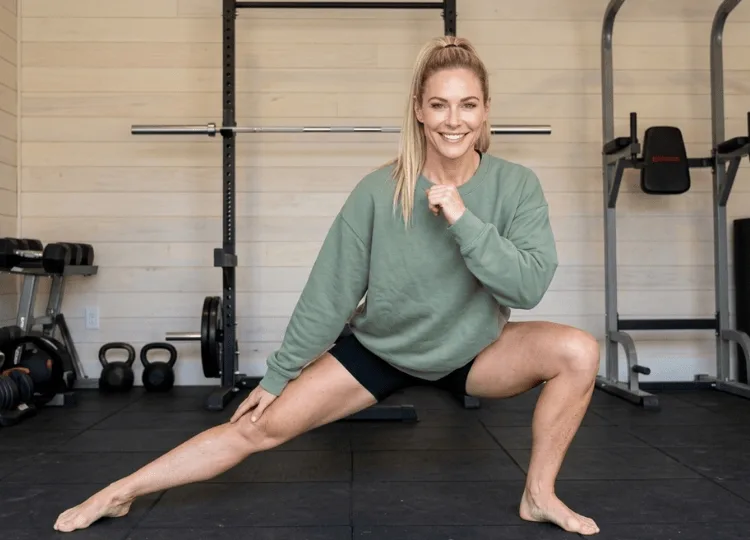
Groin strains occur at rates of between 0.5 and 1.5 per 1,000 hours of exposure in soccer and ice hockey, making adductor preparation one of the highest-return targets in any pre-game routine. Dynamic lateral lunges and adductor sweeps increase the range through which the groin can absorb force before reaching its mechanical limit, which is the margin that separates a clean cut from a six-week recovery.
49. Foot and Plantar Fascia Preparation for High-Mileage Sports
The plantar fascia is under maximum tension during the push-off phase of sprinting, and athletes who have spent the day in unsupportive shoes load this tissue from an already-shortened resting length. Toe curls, arch activation drills, and progressive calf stretches during warm-up restore the plantar fascia to its optimal resting length and reduce the peak tension it experiences during the first sprint. Runners, basketball players, and soccer athletes who skip this step are accumulating micro-damage to the plantar fascia from the opening whistle, which compounds across a season into the chronic heel pain that is notoriously slow to resolve.
50. Improved Sleep Quality and Recovery Through Consistent Stretching Habits

Consistent pre-game stretching habits, when they extend into a daily routine, have been linked to reduced resting muscle tension and improved parasympathetic tone at night, both of which support deeper, more restorative sleep. This benefit does not materialize from a single session but from the cumulative effect of regular movement practice on the nervous system’s ability to downregulate. For high-school athletes managing school stress, early practices, and late games, any intervention that improves sleep quality directly improves next-day training readiness, reaction time, and mood regulation during competition.
51. Hydration Distribution to Muscle Tissue Through Movement
Water makes up approximately 75 percent of muscle tissue by weight, and its distribution within the muscle is not uniform at rest. Movement during warm-up increases intramuscular circulation and promotes the redistribution of fluid to the regions of the muscle that are about to face the highest mechanical demand. A well-hydrated muscle is more extensible, conducts electrical signals faster, and generates force more efficiently than a dehydrated one. This benefit is amplified in athletes who arrive at competition mildly dehydrated after a school day, making warm-up movement a partial compensatory mechanism even when hydration has been imperfect.
52. Endorphin Release Creating Positive Pre-Game Emotional State
Progressive physical activity triggers endorphin release from the pituitary gland, producing a mild analgesic and mood-elevating effect that peaks during moderate-intensity exercise. A structured warm-up that builds from low to moderate intensity deliberately generates this response before competition begins, so the athlete enters the opening whistle in a physiologically positive emotional state rather than the flat, anxious, or irritable state that sitting in a locker room alone tends to produce. This is not a trivial effect. Emotional state at game start influences risk tolerance, communication with teammates, and decision-making under pressure throughout the first half.
53. Habit Consistency as a Performance Reliability Mechanism
The most underappreciated benefit of pre-game stretching is not any single physiological mechanism but the habit architecture it builds. Athletes who develop a consistent, structured warm-up routine create an automatic preparation sequence that delivers the same physiological baseline before every game, regardless of how tired, distracted, or rushed they feel. Consistency is the compounding return that no single session can deliver on its own, and it is the reason elite athletes treat warm-up as non-negotiable even when they feel good enough to skip it. Feeling ready and being physiologically ready are two different things, and the habit closes that gap reliably.
54. Collagen Fiber Alignment in Tendons Through Repeated Loading
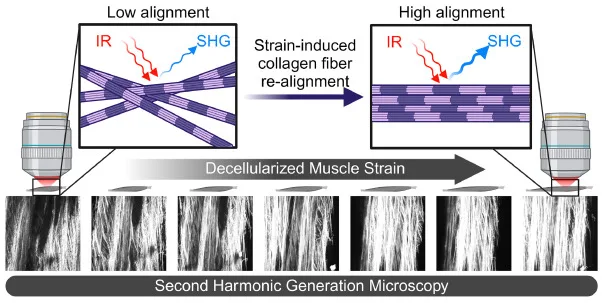
Collagen fibers in tendons align along the axis of mechanical load when that load is applied progressively and repeatedly. A warm-up that introduces tendon load through progressive calf raises, hip hinge movements, and jumping drills promotes this alignment, producing a tendon that is structurally better organized to resist the specific forces it will face during competition. Cold tendons that are loaded abruptly do not have the opportunity for this alignment response, and the disorganized collagen matrix that results is mechanically weaker and more prone to micro-tear accumulation over a season of games.
55. Neuromuscular Efficiency Gains Through Dynamic Warm-Up Protocols
Dynamic warm-up protocols improve the efficiency of communication between the nervous system and the muscles it controls, reducing the electromechanical delay between the neural signal and the muscular response. This efficiency gain means that the same neural effort produces a faster, more forceful muscular contraction, which is the definition of neuromuscular efficiency. Industry research found that stretching type determines the degree of protective and performance outcomes, confirming that dynamic protocols produce meaningfully different neuromuscular states than static ones. This benefit is most pronounced in the first five minutes of competition, exactly when neuromuscular efficiency is most likely to determine whether the opening play is executed cleanly or not.
56. Reduced Perception of Effort at Submaximal Intensities
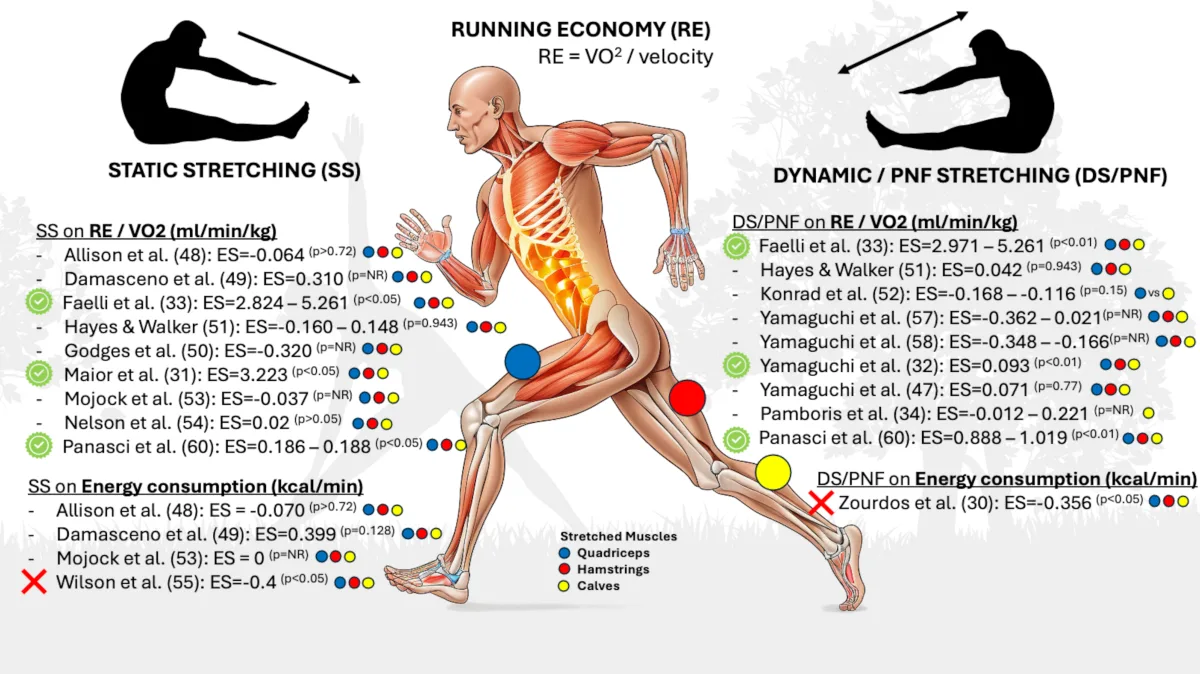
A properly warmed athlete perceives a given submaximal workload as easier than the same workload feels from a cold start, because the cardiovascular, muscular, and neural systems are already operating efficiently rather than scrambling to catch up. This reduced perception of effort at submaximal intensities allows the athlete to run harder, cut faster, and sustain higher output for longer before reaching the effort level that triggers conscious fatigue management. The practical consequence is that a warmed athlete chooses more aggressive lines, takes more initiative, and makes fewer conservative decisions driven by premature fatigue perception in the opening quarter.
Related Reading
- Athletic Performance Analysis
- Does Vaping Affect Athletic Performance
- How to Avoid Feeling Sleepy After Workout
- How Does Sleep Affect Athletic Performance
- How to Measure Athleticism
- Velocity Based Training
- Building Stamina and Endurance
- Why Am I So Bad at Sports
- Endurance vs Strength Training
- Why Am I So Tired After Working Out
- How to Create a Personalized Workout Plan
The Proper Pre-Game Warm-Up Sequence That Puts Every Stretch in the Right Order
-
General aerobic raise
-
Dynamic mobility
-
Sport-specific activation
Phase 1, General Aerobic Raise (Minutes 1 to 5)
Core temperature has to rise before any stretch, static or dynamic, delivers its full benefit.
GetFit AI’s Athlete-Style Custom Workout Plans build this phase into every session from the first workout, not as an afterthought, but as the structured opening block of your daily plan.
Phase 2, Dynamic Mobility (Minutes 6 to 12)
GetFit AI’s Structured Training layer sequences your dynamic mobility movements for you during each workout session and across the overall training program arc, so the order is never left to guesswork, and you never accidentally undo the work you just did in Phase 1.
Phase 3, Sport-Specific Activation (Minutes 13 to 18)
Broader trends in youth athletic preparation establish this sequenced protocol, general raise into dynamic mobility into sport-specific drills, as the standard framework for youth athletes preparing for competition. GetFit AI is built to adapt instead of punish.
Three Cues That Confirm You Are Ready
Three physical cues tell you the system worked. First, a light sweat, the surface warmth signaling core temperature has crossed the threshold. Second, an elevated resting heart rate that feels comfortable, not labored. Third, and most telling: your joints feel like they want to move.
Related Reading
- How to Deal With Performance Anxiety in Sports
- Hydration Tips for Athletes
- How to Build Mental Toughness in Athletes
- Food for Athletes During Competition
- Strength Training Workout for Runners
- Best Plyometric Exercises for Speed
- Exercises That Improve Muscular Endurance
- Conditioning Workouts for Athletes
- Speed Training for Athletes
- Balance Exercises for Athletes
- Best Core Exercises for Athletes
Post-Game Stretching and Cool-Down That Actually Speed Up Recovery
Why Post-Game Warm Muscles Are the Only Time for Static Holds
As the BMEG442: Engineering Exercise and Sports, University of Delaware review explains, muscles are already warm and pliable after activity, making them far more receptive to lengthening and range-of-motion gains without the performance-inhibiting drawbacks that come when static stretching is applied before explosive movement.
How Post-Game Static Stretching Reduces DOMS, Flushes Metabolic Waste, and Restores Resting Muscle Length
The BMEG442: Engineering Exercise and Sports, University of Delaware review confirms that post-exercise static holds restore muscles toward resting length. Metabolic byproducts accumulate during intense play, and the same BMEG442: Engineering Exercise and Sports, University of Delaware review shows that static stretching promotes blood flow and helps flush those byproducts, reducing delayed onset muscle soreness in the hours that follow.
Longer holds on cold muscles carry injury risk, which is exactly why this protocol only works in the post-game window.
A 5-Minute Cool-Down That Closes the Gap
The 5-minute cool-down requires zero equipment. That is where GetFit AI’s Athlete-Style Custom Workout Plans remove the friction. GetFit AI does track progress over time and makes improvement visible through its Strength Score, a single number that measures overall strength muscle by muscle and updates every session, as well as detailed workout history, progress charts, and strength standards from Beginner to World Class.
GetFit AI’s friends, challenges, and leaderboards add a social layer that is most effective once you have connected with at least one friend in the app, a workout partner who is also following their plan, turning your cool-down consistency into something you can both measure and compete on.
If you are ready to make post-game recovery a structured part of every session rather than an afterthought, GetFit AI Premium is available at $1.99 per week, $4.99 per month, or $49.99 per year, so you can choose the commitment level that matches where you are in your season right now.
How to Stop Winging Your Warm-Up and Start Training With a Plan That Protects You
Understanding why recovery works has never been the missing piece. Most beginners can tell you that muscles repair during rest, that lactic acid needs to clear, that sleep is when growth hormone peaks, and they still walk off the court, collapse on the nearest bench, and scroll their phone until the drive home. Knowledge without a ready sequence defaults to whatever feels easiest in the moment, which is almost always nothing.
Knowing why athletes stretch is useful. A 16-year-old who reads every reason in this article can still walk into practice Monday and copy whoever is nearest, because nothing is telling him what to do today, in this order, for his sport. Knowledge without a system is like owning a recipe you never cook.

Copying a warm-up routine from a teammate or TikTok video produces a compounding injury risk that goes unnoticed in any single session. Without understanding type, sequence, and timing, athletes reinforce the exact preparation gaps that lead to pulls and sluggish early performance every game. A deliberate, structured plan encodes the correct sequence automatically, so the logic does not have to be rebuilt before every warm-up.
As multiple industry sources note, understanding the reasons behind a warm-up only translates into protection when those elements are applied in the correct sequence every session. Knowledge alone does not reduce injury risk. Awareness is a one-time event. A structured warm-up plan is a daily habit.
The Hidden Cost of an Unsequenced Warm-Up
Without type, sequence, and timing locked in, athletes reinforce the same preparation gaps before every session. A structured warm-up plan built around your sport removes the guesswork entirely, encoding the correct order automatically so you are not rebuilding the logic from scratch before every session.
Next steps
If your warm-up still looks like whatever the nearest teammate is doing, the path forward starts with sequence. An out-of-order routine, specifically static holds performed before dynamic movement, leaves your nervous system in a temporarily suppressed state that subsequent dynamic work cannot fully reverse, meaning you can arrive at the opening whistle measurably weaker than if you had done nothing at all. Start with our AI fitness app.
The correct pre-game sequence matches each phase to what the nervous system can absorb in that moment, beginning with a general aerobic raise to elevate core temperature, then dynamic mobility, then sport-specific activation. That sequence matters because static stretching is not a pre-game tool at all. It is a post-game recovery tool, and moving it to the cool-down window is what earns you both the flexibility benefit and the soreness reduction without paying any performance cost.
One insight tells you what to avoid before the whistle. The other tells you exactly where that same movement belongs instead. Together, they point to one action: stop guessing at order and follow a plan that encodes the correct sequence automatically every session.
Start with GetFit to get a sport-specific warm-up sequence built around your position and training style. From there, every session opens with the right phase in the right order, tracked across your full program so the habit compounds instead of fading.
Frequently Asked Questions
What’s the biggest mistake athletes make when stretching before a game?
The most common mistake is doing prolonged static holds before explosive activity, the post explains that static holds of 60 seconds or more can temporarily reduce force production and jump height by up to 8%, and the inhibitory effects are not fully reversed by subsequent dynamic movement within a typical warm-up window. The second layer of the mistake is order: most athletes have no idea which stretch belongs when, and an out-of-order routine can leave you measurably weaker at kickoff than if you had done nothing at all.
If I do static stretches first and then jog a lap, doesn’t that cancel out the negative effects?
No, the post is explicit that the inhibitory effects of static holds are not fully reversed by subsequent dynamic movement within a normal warm-up window. The neuromuscular suppression carries into early play, which is exactly why the order of stretching is described as the whole mechanism, not a minor detail.
Should I stretch before every game, or only for certain sports?
Based on the post, a correctly ordered warm-up is important any time explosive effort is required, and the examples span soccer, basketball, tennis, running, and fighting, so the principle applies broadly across sports. The post frames skipping or misordering the warm-up as a direct contributor to the highest injury risk period of any game: the opening fifteen minutes.
What actually happens inside your muscles when you hold a static stretch too long before playing?
Static stretching reduces muscle spindle sensitivity and decreases neural activation, muscle spindles are the sensors that detect stretch and signal your nervous system to fire back hard and fast, so passive holds quiet those sensors at the exact moment you need them primed. The result is temporarily suppressed force output and slower reaction, and when the body is then asked to produce explosive movement anyway, the weakest link, such as a calf muscle or hamstring, gives first.
Why are the first few minutes of a game the most dangerous time for injuries?
The post cites research indicating that forty-six percent of all soft-tissue injuries in competitive sport happen in the first fifteen minutes of play, before the body has fully transitioned from rest to high-output movement. A disordered or skipped warm-up is a direct contributor because cold muscle fibers contract slowly, synovial fluid hasn’t been distributed across joint surfaces, and neural conduction velocity is lower, all of which combine to leave the body underprepared for the explosive demands of early play.