14 Best HIIT Workout Apps to Burn Fat Fast in 2026
Most HIIT apps give you a timer and a library. Neither builds results. Here is what actually separates the apps that produce change from the ones you quit before week two.
The failure is structural, not personal.
“Users struggle to recreate the structured field class experience on their own, spending more time planning workouts than actually training, a core reason most field apps fail to deliver results.”
— what we hear from HIIT app users
The common assumption is: “I just need to push harder or do more sessions, the effort will eventually show up.” Most beginner lifters, ages 25-30, with no plan and no idea what to eat, operate on this belief, that intensity alone is the missing variable, and that grinding through more of the same will eventually force a result. It won’t. The problem isn’t effort. It’s structure. See our AI fitness app for how this works in practice.
High-intensity interval training works by alternating short bursts of near-maximal effort with controlled rest periods. That pattern forces your cardiovascular system and working muscles to recover under stress repeatedly, which elevates your metabolic rate well beyond the session itself. A 2:1 work-to-rest ratio (40 seconds on, 20 seconds off) produces a meaningfully different physiological demand than a 1:2 ratio. The ratio determines whether you’re building aerobic capacity, burning fat, or getting tired. Most HIIT apps set a default ratio and never explain why, so you’re following a timer with no understanding of what it’s training.
Short sessions work. The research on HIIT consistently shows it outperforms steady-state cardio for fat loss in less time, which is why the modality earned its reputation. But duration is not the variable that determines results.
Progressive overload is. Research on fitness adaptation is clear: the body stops responding when sessions repeat the same stimulus without escalation. Twenty minutes of HIIT that grows harder, denser, or more complex week over week will produce visible change.
Twenty minutes of the same circuit on a loop will not. The session length is fine. The absence of progression is the problem.
According to industry research, most fitness apps fail to deliver results because they present random, unstructured sessions with no progressive overload or contextual guidance, leaving users to repeat the same circuits without adaptation. The timer beeps. You suffer. Nothing connects session one to session twelve.
Industry retention data confirms the scale of the problem: according to FitPocket (2026), the average fitness app retains only 4% of users at day 30, with roughly 80% of people abandoning a new fitness app within the first month. That number reflects apps that give you a timer and a library and no mechanism to tell you whether any of it is working.
Key takeaways
- Most HIIT apps hand you a timer and a circuit, neither one knows your current fitness level, your equipment, or what you ate today, which is why progress stalls after the first few weeks.
- Intensity alone is not the missing variable. Grinding harder through the same unstructured sessions does not force adaptation; it just accumulates fatigue on top of a broken plan.
- A HIIT app earns its place on five criteria that actually predict results: structured progression, nutrition guidance, adaptive programming, movement coaching, and plan personalization, most reviewed apps score well on one or two, not all five.
- Free apps like Nike Training Club and FitOn are genuinely useful for building a movement habit, but they top out fast once you need a plan that responds to how your body is changing.
- Feeling wrecked after a session and actually driving fat loss are two different physiological outcomes, the sessions that consistently produce the second one follow a structured, progressive plan, not a random circuit.
- GetFit AI's Athlete-Style Custom Workout Plans close the gap: build a fully custom AI plan around your goals and available equipment, or adopt an AI athlete's or trainer's plan and train in their style, either route adapts automatically as you get stronger.
How to Choose the Best HIIT App: The 4 Criteria That Actually Predict Results
Most people picking a HIIT app default to whatever looks polished or has the most reviews, then wonder why they quit within a month. The criteria that actually drive results come down to four specific things: whether the app builds structured progression, matches your current experience level, fits your equipment situation, and integrates the other variables that affect recovery and output. Getting those four right is the difference between an app that moves you forward and one that just fills your phone storage.
Structured Progression vs. Random Circuits
Quick Decision Framework, Which App Type Fits You Right Now?
| Your Situation | What You Need | Best App Type |
|---|---|---|
| Zero gym experience, don't know the movements | Form guidance + simple structure | Video-guided app (e.g. Nike Training Club, 7 Minute Workout) |
| Know the exercises, want to self-program | Flexible timer + interval builder | Customizable timer (e.g. Seconds Pro, Intervals Pro) |
| Want a full system: plan + nutrition + adaptation | AI-adaptive coaching | AI-personalized app (e.g. GetFit AI, Freeletics) |
| Need nutrition + recovery in one place | Integrated wellness platform | Centr, Shred |
| Training in a gym with unpredictable equipment | Exercise swap + equipment flexibility | GetFit AI, Jefit |
The common assumption among beginner lifters, typically 25-30, no structured plan, and no clear idea of what to eat, is that “I just need to push harder or do more sessions; the effort will eventually show up.” That belief is widespread, and it’s also why so many people plateau. That feeling has a structural cause. According to retention research across the fitness app market, fitness apps lose up to 90% of their users within 30 days, and the primary driver is the absence of measurable progress. When every session feels interchangeable, there’s no signal that you’re moving forward.
Apps that offer structured, progressive plans show significantly higher 30-day and 90-day retention, precisely because users can track improvement rather than repeat undifferentiated effort. Two hundred workouts means nothing if workout 47 is no harder than workout 3.
Video-Guided Classes vs. Customizable Timers
Video-guided apps are best for beginners who need form guidance and don’t yet know what a movement looks like at full speed. The format reduces injury risk and removes guesswork from rest intervals. Customizable timers suit self-directed users who already know their exercises and want to program their own work-to-rest ratios. The limitation is real: a timer tells you when, not what or how. The best criterion here is honest self-assessment; if your gym knowledge feels limited or inconsistent, start with video guidance.
Nutrition Guidance Integration
Training hard and seeing nothing change in the mirror is predictable when an app handles the workout and ignores everything else. Teams in the space consistently report that nutrition integration is among the features most correlated with long-term user outcomes. HIIT burns calories during the session, but body composition shifts happen across the other 23 hours.
Exercise Swap Capability
Exercise swap capability is non-negotiable for anyone training in a commercial gym. Equipment availability is unpredictable. An app that can’t adapt to a taken machine forces you to either skip the movement entirely or improvise a substitution on the spot, neither of which is a coaching decision. Exercise swap capability closes that gap before it becomes a reason to cut the session short.
Related Reading
- Best Fitness Apps
- How Many Pull Ups Should I Be Able To Do
- Average Grip Strength Male
- Average Bench Press
- How Much Does A Bench Press Bar Weigh
- Average Male Bench Press
- How Much Can The Average Man Bench Press
- Grip Strength Chart
- Symmetric Strength
- Bench Press Standards
14 Best HIIT Workout Apps to Burn Fat Fast in 2026: Reviewed and Ranked
Fourteen apps, five criteria, zero guesswork: that is what the scored breakdown ahead delivers. Before the numbers land, though, it is worth understanding why most people never reach the point of needing a second opinion on an app. Fitness app stores are full of five-star reviews written by people who downloaded, sweated through two sessions, and never came back.
That pattern is not a coincidence. The majority of fitness app users abandon the app within the first 30 days, long before the content library ever becomes relevant. The real problem is a shortage of signal: nothing in the app tells you whether last Tuesday’s session is building toward something or just burning time.
Most people scanning this list have already downloaded at least one HIIT app. The honest question is which app will still be moving you forward in week six, when the novelty is gone and nothing in the mirror has changed yet. That produces a very different ranking than “which app has the most workouts?”
The 14 apps below are judged on five criteria pulled directly from the friction points real users hit:
-
Does the app give you a structured, progressive plan or just a random circuit?
-
Does it help when you are stuck mid-session with a machine taken or a movement you do not recognize?
-
Does it address nutrition, or hand you a sweaty workout and wish you luck?
-
Does it adapt over time as your fitness changes?
-
Does it work across the equipment you actually have available?
A timer and a library of videos solve neither the second nor the third problem. Keep that filter in mind as you read.
1. GetFit AI: Best Overall HIIT Workout App for 2026
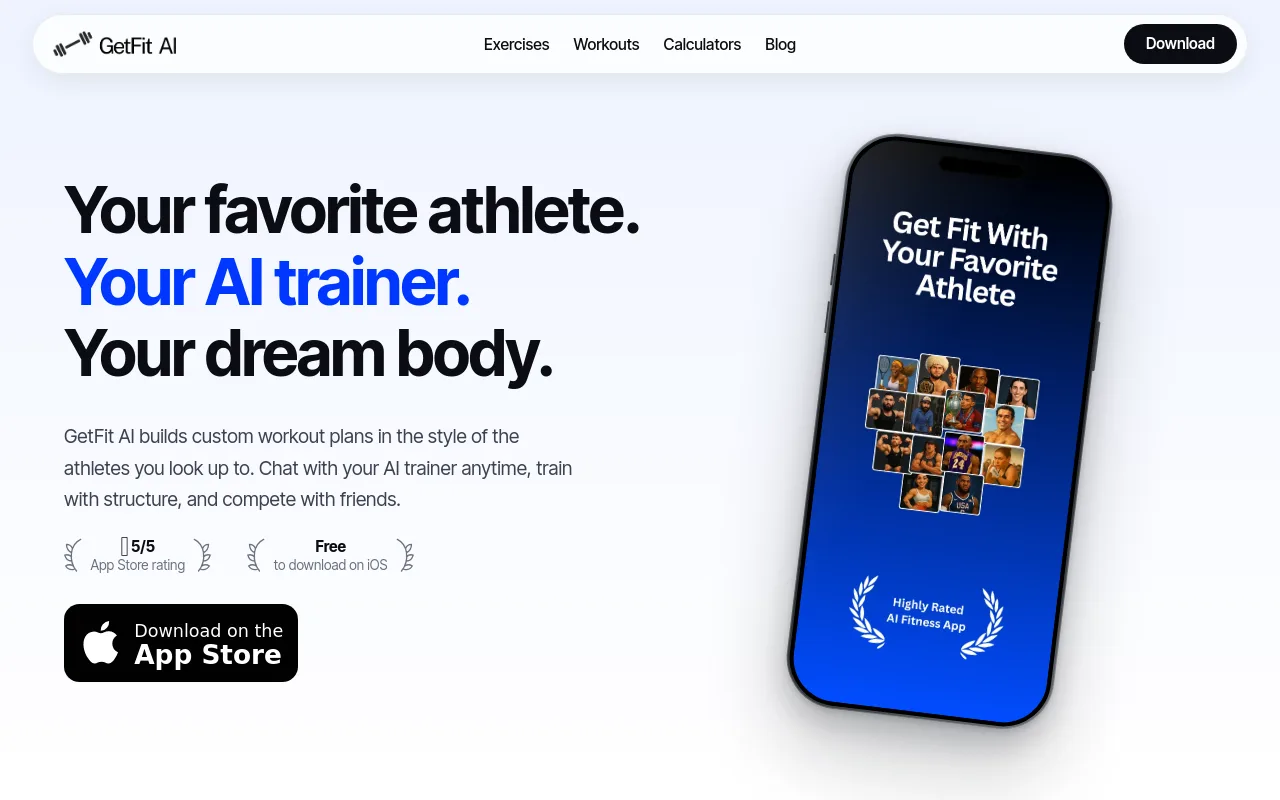
The best HIIT app with AI personalization is GetFit AI, because it is the only option in this review that addresses all three gaps in a single product: a structured progressive plan from day one, an AI trainer available mid-session when equipment is unavailable or form breaks down, and integrated macro guidance. Based on a feature-by-feature evaluation against the five criteria above, no other app in this comparison combines all three; each of the alternatives reviewed here either handles programming without nutrition, or nutrition without adaptation, or adaptation without equipment flexibility. You pick a goal, your available equipment, and an athlete whose training style you want to train in, and a full custom workout plan is generated before you finish onboarding.
The AI trainer chat is available the moment a machine is taken or a movement feels wrong, so you are never left guessing mid-session.
Most beneficial when you have a specific physique goal and a clear athletic role model you want to train like, this AI fitness app also layers in macro and calorie guidance so the training shows up in the mirror. Shred markets itself as providing a continuously adapting long-term plan via its Adaptive AI Engine, which auto-progresses programming from day one, adjusts weight, tempo, and rest week over week, and adapts as users get stronger, faster, or leaner, positioning it as an open-ended, evolving system rather than one limited to defined, fixed-duration challenges.
2. Nike Training Club: Best Free HIIT Workout App for All Levels
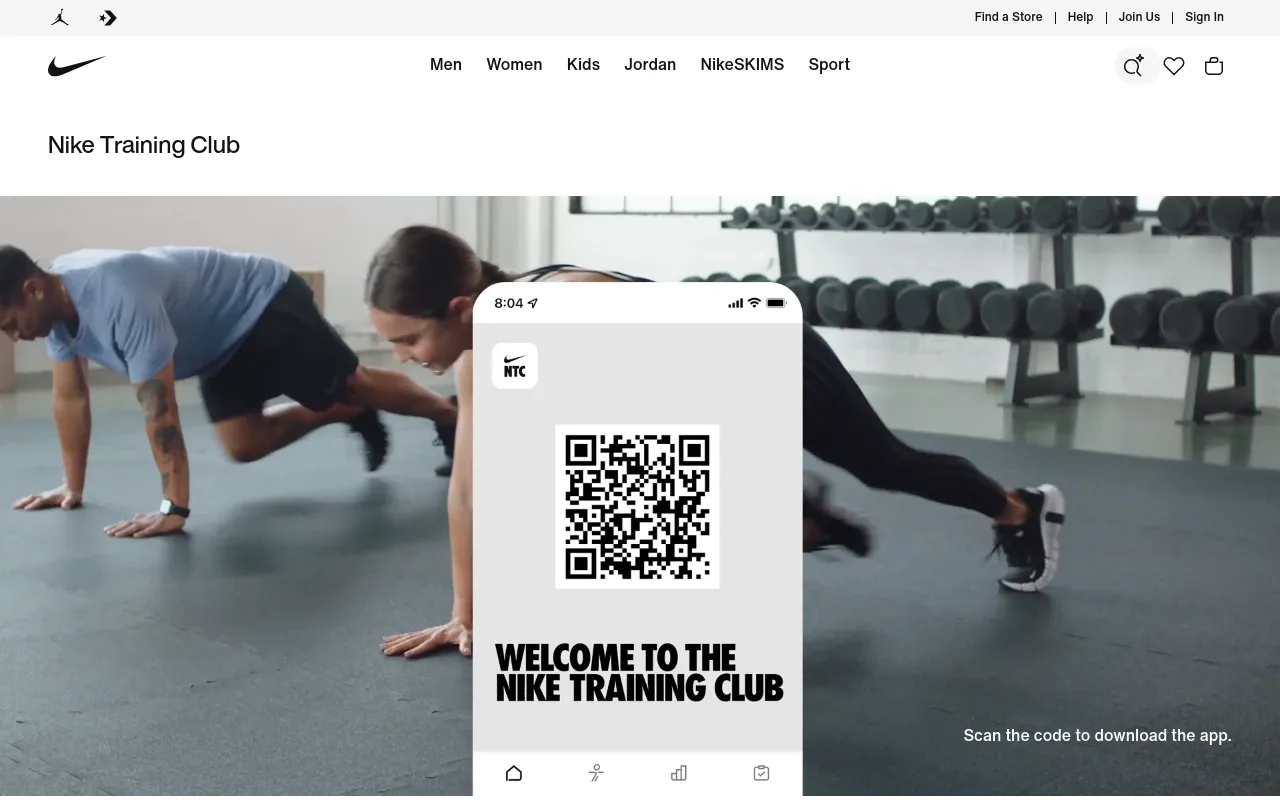
The best free HIIT workout app for content volume is Nike Training Club. According to its Apple App Store listing (2025), NTC offers 202 HIIT workouts ranging from 5 minutes to one hour, led by master trainers, with zero paywalls on its core library. It works across iPhone, iPad, Apple TV, and Apple Watch, making it genuinely versatile for home training. The real limitation for this audience: NTC gives you excellent guided sessions but no mechanism to sequence them into a progressive plan, track whether you are getting stronger, or tell you what to eat afterward. It is a strong starting point; it is not a system.
3. FitOn: Best Free HIIT App with Celebrity Trainer Workouts
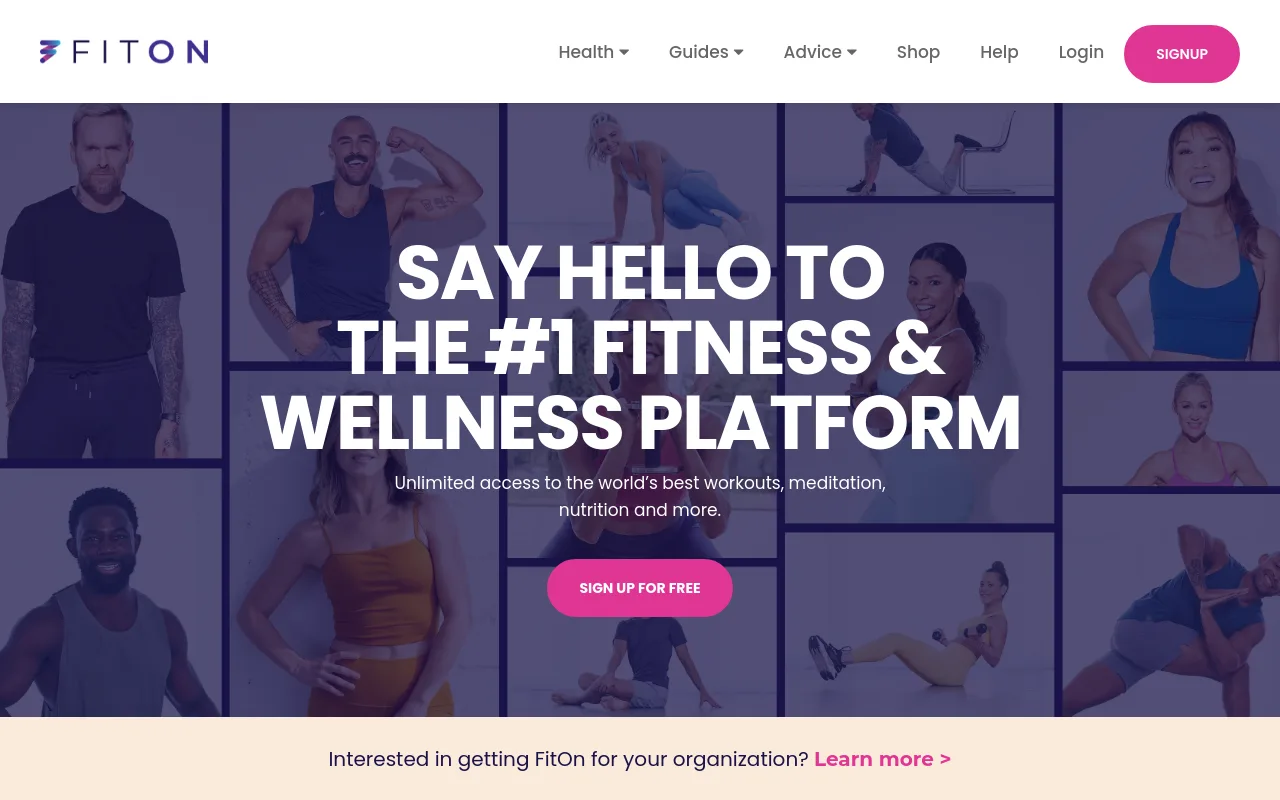
FitOn describes itself as the #1 fitness & wellness platform offering a wide variety of workouts including cardio, yoga, strength, pilates, toning, meditation, and nutrition, not specifically a HIIT app. It offers free access to instructor-led sessions, real-time heart rate integration with Apple Watch, and social leaderboards that let you compete with friends during live workouts. The community angle is genuine: FitOn reports a community of over 15 million members on its own website, which means the leaderboard and group workout features are populated, a meaningful accountability advantage over smaller free apps where social features sit empty.
The trade-off is the same one that limits every free content app: there is no adaptive plan underneath the classes, no nutrition layer, and no mechanism to tell you whether your effort is compounding into progress or just accumulating fatigue.
4. Peloton App: Best HIIT App for Structured Cardio Programming
Peloton App earns its place for users who want structured, instructor-led cardio programming with high production quality. Peloton’s instructors hold certified personal training credentials and the class library spans over 1,000 on-demand and live sessions across formats. The class library is deep, the instructors are motivating, and the scheduling tools help you build a consistent weekly rhythm.
It works without Peloton hardware, which removes the biggest barrier for most people. The limitation worth naming: Peloton’s programming is built around cardio output and class attendance, not individual strength progression or nutrition. If your goal is fat loss that shows up in the mirror rather than improved cardio endurance, the app handles the sweat but leaves the rest of the equation blank.
5. Freeletics: Best No-Equipment Home HIIT App for Body-Weight Training
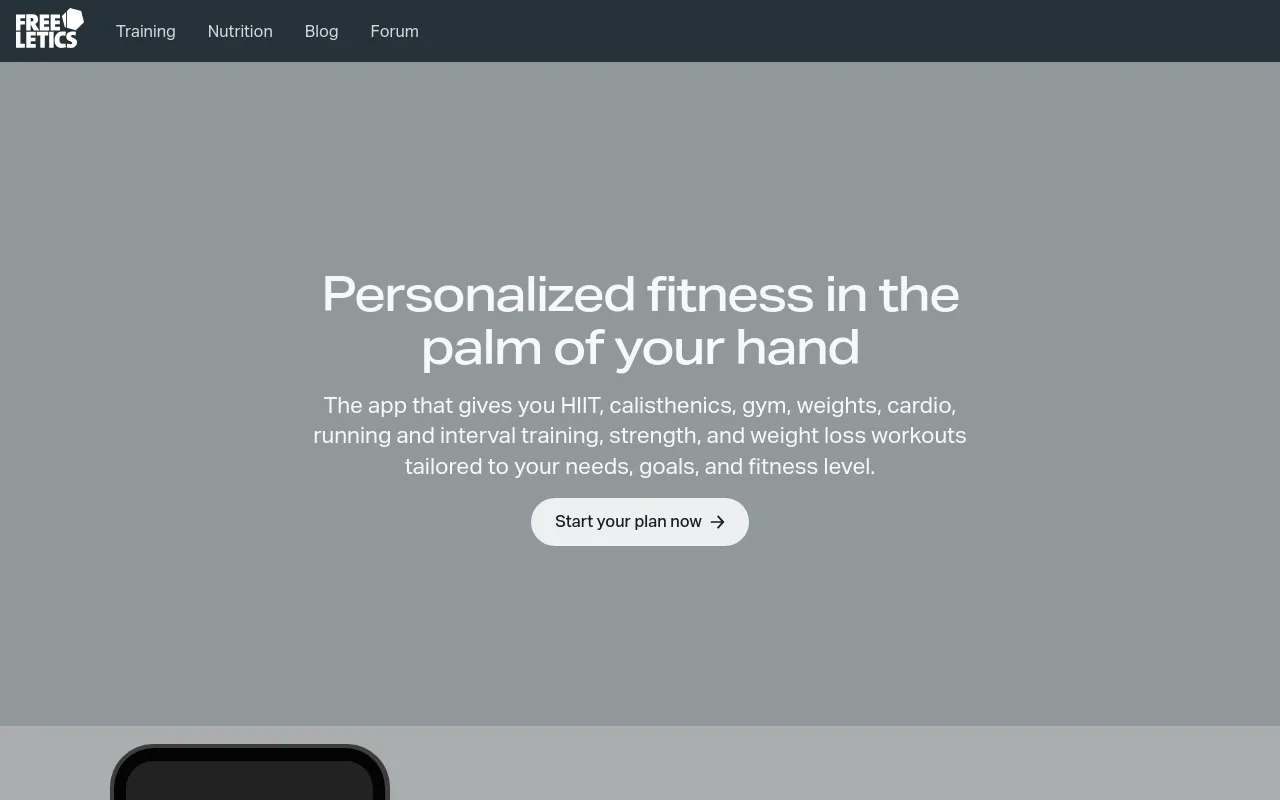
Freeletics is the best no-equipment HIIT app for users who want AI-adapted bodyweight programming. The Freeletics AI Coach builds personalized routines and, critically, adapts those routines based on post-session feedback you give after every workout, adjusting difficulty and volume as your fitness changes. That feedback loop is what separates it from a static bodyweight library.
The honest caveat: Freeletics is not bodyweight-only. Its app explicitly programs gym, weights, and equipment-based workouts in addition to bodyweight and calisthenics training. It is an excellent pick for home training or travel; it is a poor fit for anyone who wants barbell or machine work integrated into their plan.
6. Down Dog HIIT: Best Customizable No-Equipment Home HIIT App
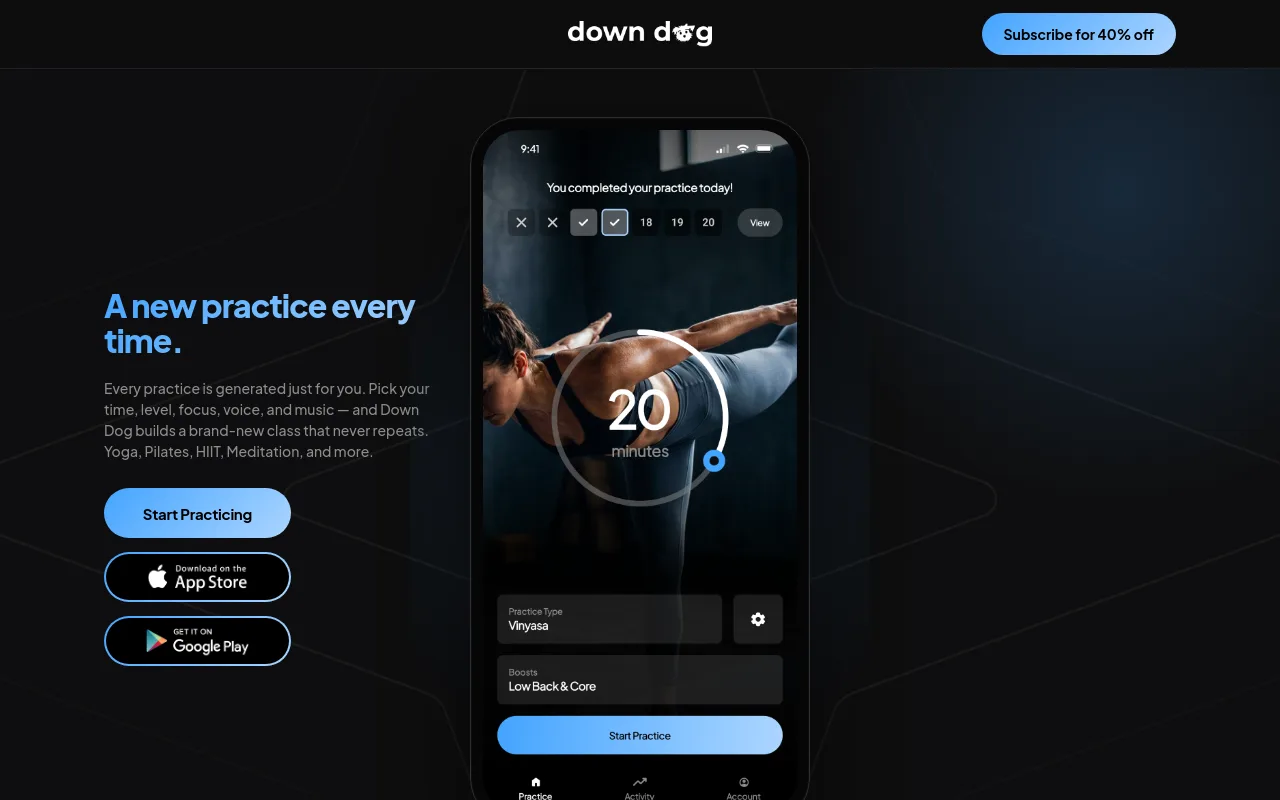
The best HIIT app for users who want infinite variety without repetition is Down Dog HIIT. It generates a new workout every single session, with no two workouts repeating, and allows deep customization of voice, music, target muscle areas, and interval lengths before each session starts. That level of pre-session control is rare in a free or low-cost app.
The trade-off: Down Dog HIIT’s strength is variety and customization, not progression. It will never give you the same workout twice, but it also will not tell you that this week’s sessions should be harder than last week’s because you have adapted. For structured progression, you need something else layered on top.
7. Seconds Pro: Best HIIT Interval Timer App for DIY Training
Seconds Pro is the right pick for self-programmers who already know their training protocol and need a reliable, flexible timer to execute it. Its text-to-speech engine reads your custom exercise names aloud during sessions, the display is large and color-coded for fast visual reference, and it handles complex interval structures including Tabata, EMOM, and custom circuits without friction. The limitation is the flip side of its strength: Seconds Pro is a tool, not a coach. It executes whatever plan you bring to it. If you do not already have a structured, progressive plan, the timer will faithfully run you through the same circuit indefinitely with no feedback that anything needs to change.
8. Intervals Pro: Best HIIT Timer App with Visual Interval Mapping
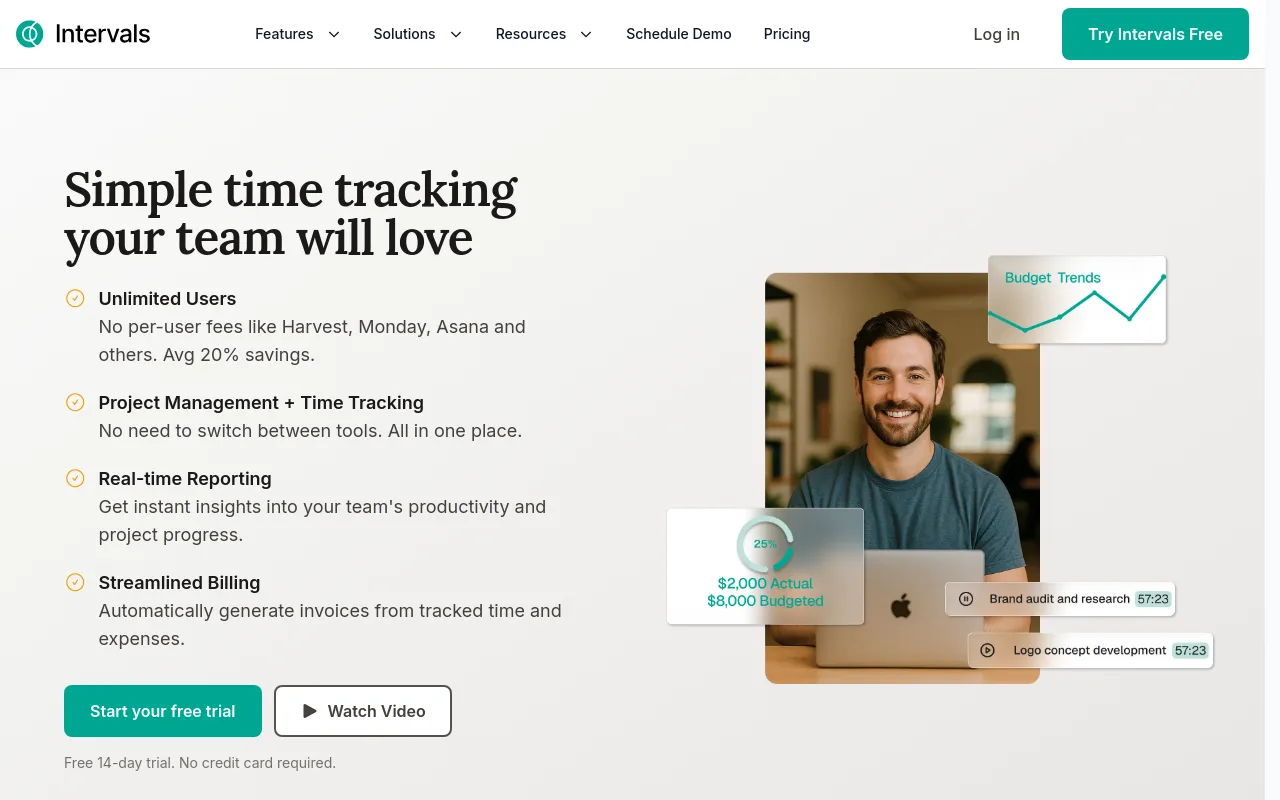
Intervals Pro is built for Apple Watch users who want standalone interval tracking without pulling out their phone mid-session. It features custom heart rate zones, haptic alerts timed to interval transitions, and a visual timeline that shows the full structure of your session at a glance before you start. Threads across Apple Watch communities consistently surface Intervals Pro for exactly this use case: haptic feedback that works reliably during outdoor runs or gym sessions where glancing at a screen is impractical. Like Seconds Pro, it is a precision timer, not a programming system. Best for experienced users who have a plan and want a wrist-native tool to run it cleanly.
9. Apple Fitness+: Best HIIT App for Apple Ecosystem Users
Apple Fitness+ integrates directly with Apple Watch to display real-time heart rate, calories, and effort rings on screen during HIIT sessions, making it uniquely suited to users already in the Apple ecosystem. Trainer-led HIIT, kickboxing, and core classes are well-produced and updated weekly. It’s the right pick for Apple Watch owners who want seamless biometric feedback during every interval. The pain point is hard exclusivity, it requires an Apple Watch to unlock most of its value, making it a non-starter for Android users.
10. Centr: Best HIIT App with Integrated Nutrition and Recovery Plans
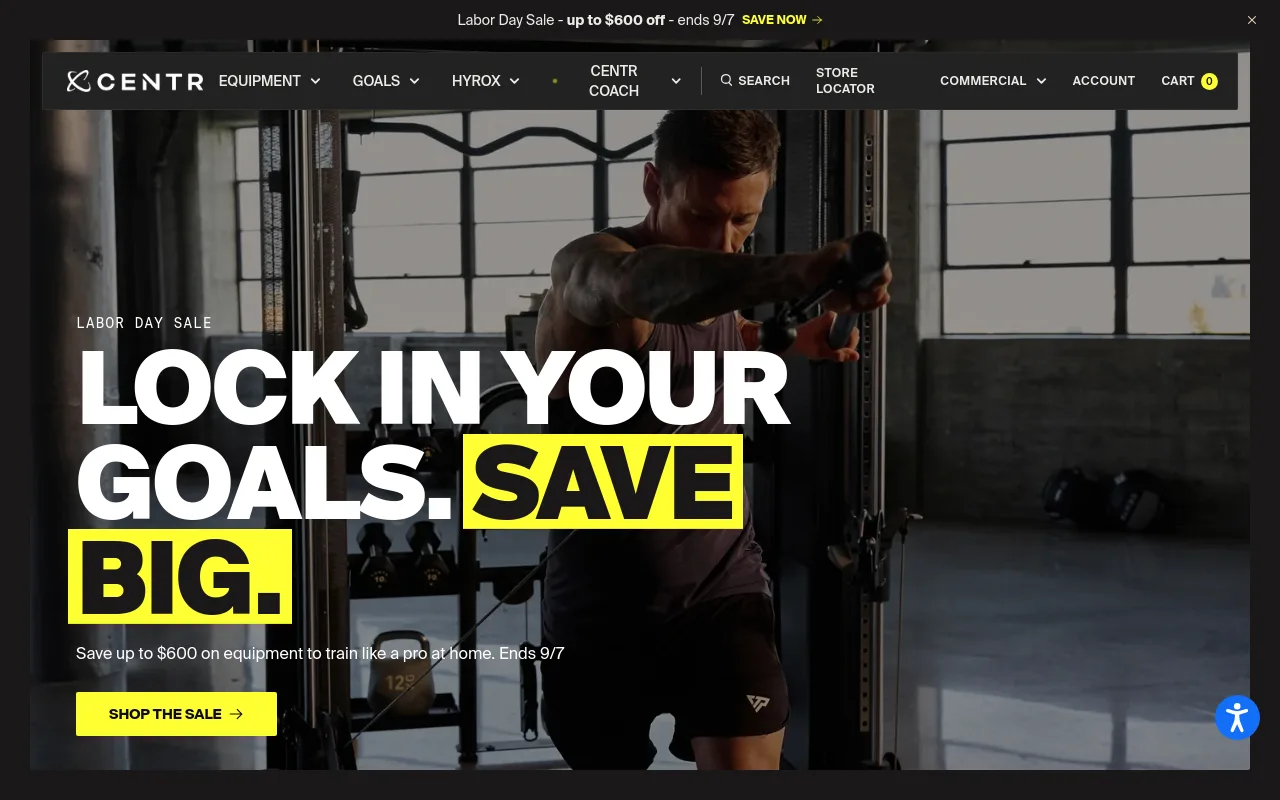
Centr, created by Chris Hemsworth’s team, combines HIIT workouts with meal plans and mindfulness content in a single subscription, making it the strongest all-in-one lifestyle app on this list. It’s best for people who want their training, eating, and recovery managed in one place rather than juggling multiple apps. Expert trainers lead the HIIT sessions, and the meal planning is genuinely detailed. The tradeoff is cost: Centr is one of the pricier subscriptions here, and the HIIT library alone doesn’t justify the price without using the nutrition features.
11. 7 Minute Workout: Best HIIT App for Absolute Beginners with No Time
The 7 Minute Workout app is built around the scientifically validated high-intensity circuit protocol that delivers a full-body HIIT session in under ten minutes. It’s the right pick for complete beginners, busy professionals, or anyone who struggles to commit to longer sessions, the low time barrier removes the most common excuse for skipping workouts. The interface is dead simple and requires no equipment. The limitation is ceiling: once you’re past beginner fitness, the fixed seven-minute format offers little room to progress or increase challenge.
12. Aaptiv: Best Audio-Only HIIT Workout App for Distraction-Free Training
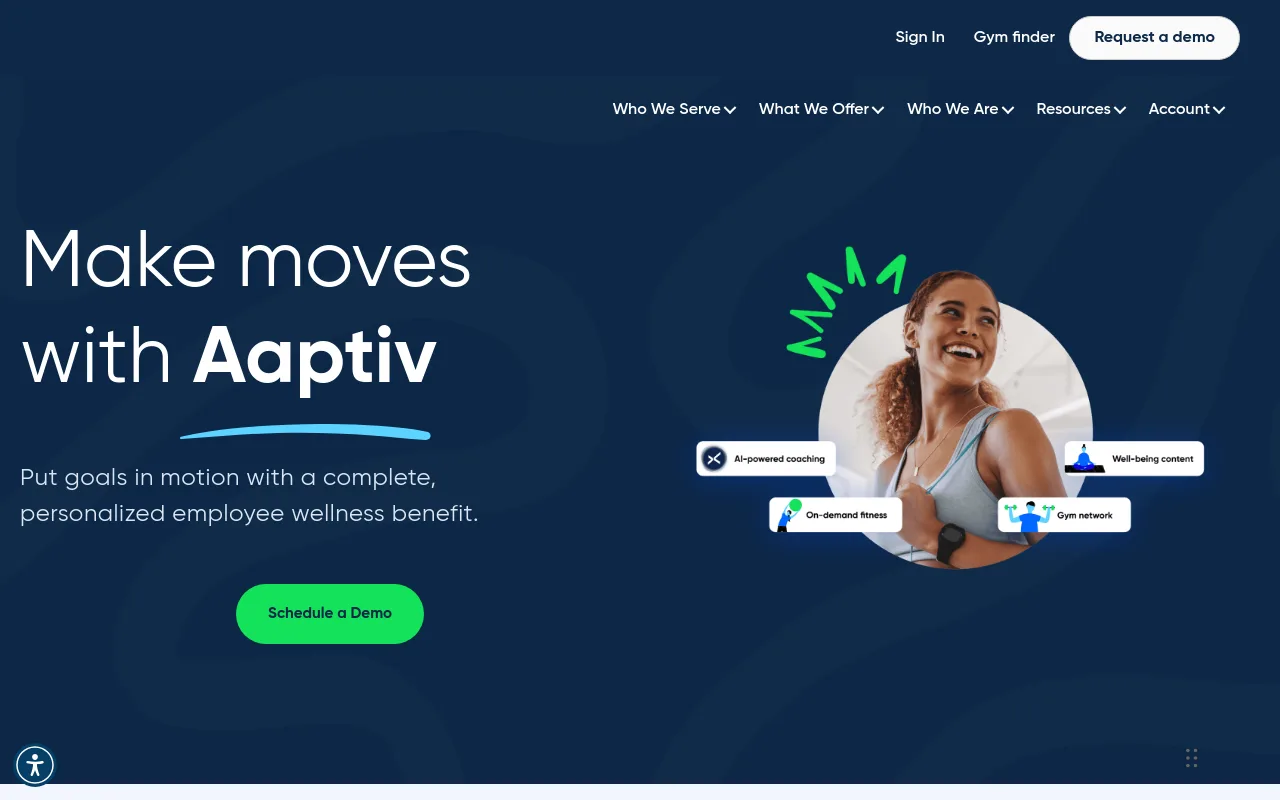
Aaptiv delivers HIIT workouts entirely through audio coaching, no video, no screen-watching, just a trainer’s voice guiding you through intervals with music synced to the pace. It’s the right pick for people who find video workouts distracting or who train outdoors and can’t watch a screen. The audio-first format works well for treadmill HIIT, outdoor sprints, and gym floor sessions. The pain it fails to solve: without visual demonstrations, beginners who don’t know exercise form can develop bad habits with no correction mechanism.
13. Shred: Best HIIT App for Rapid Fat-Loss Programs with Daily Accountability
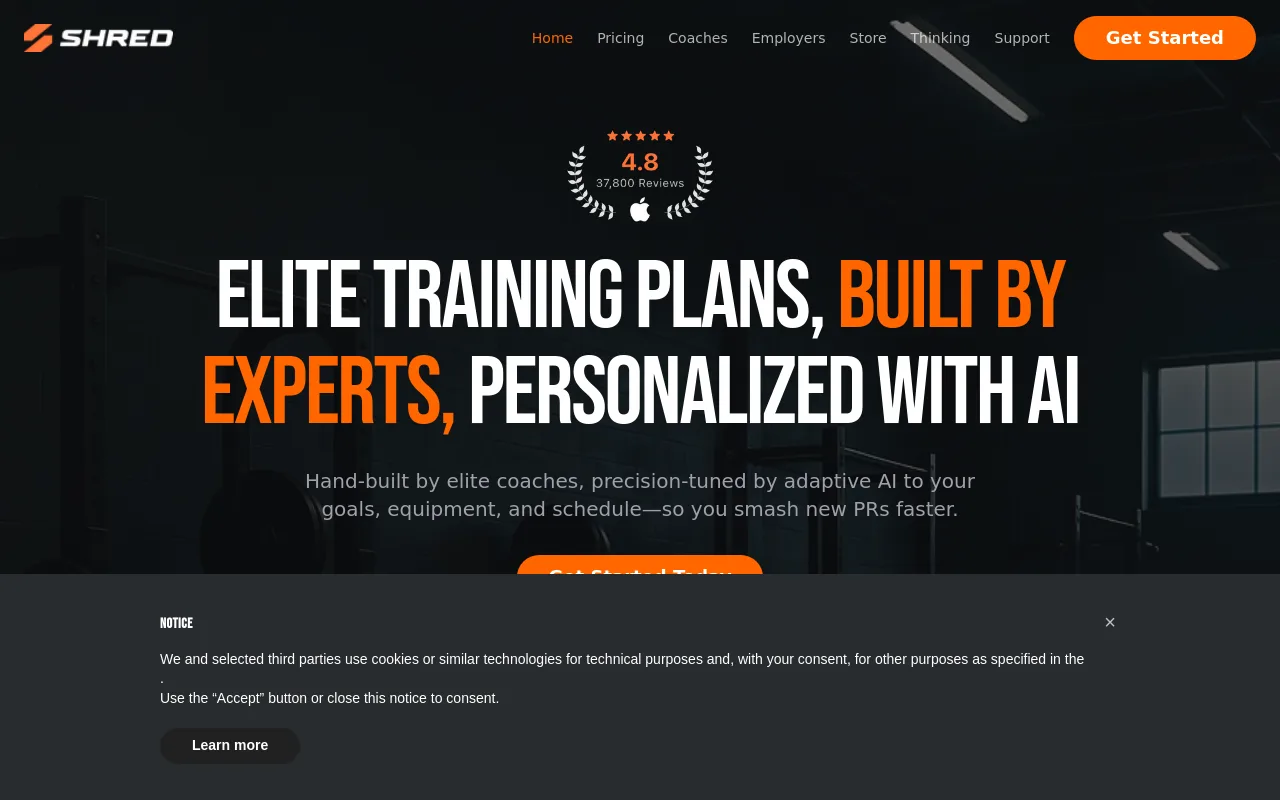
Shred is built around short, intense daily HIIT programs, typically four to eight weeks, with a strong emphasis on accountability through daily check-ins, progress photos, and community challenges. It’s best for people who respond well to defined program end-dates and visible transformation tracking rather than open-ended workout libraries. The structured challenge format drives consistency better than most apps in this list. The tradeoff is that once a program ends, content variety drops sharply and the app feels thin without purchasing additional program packs.
14. Jefit: Best HIIT App for Gym-Based Interval Training with Equipment Logging
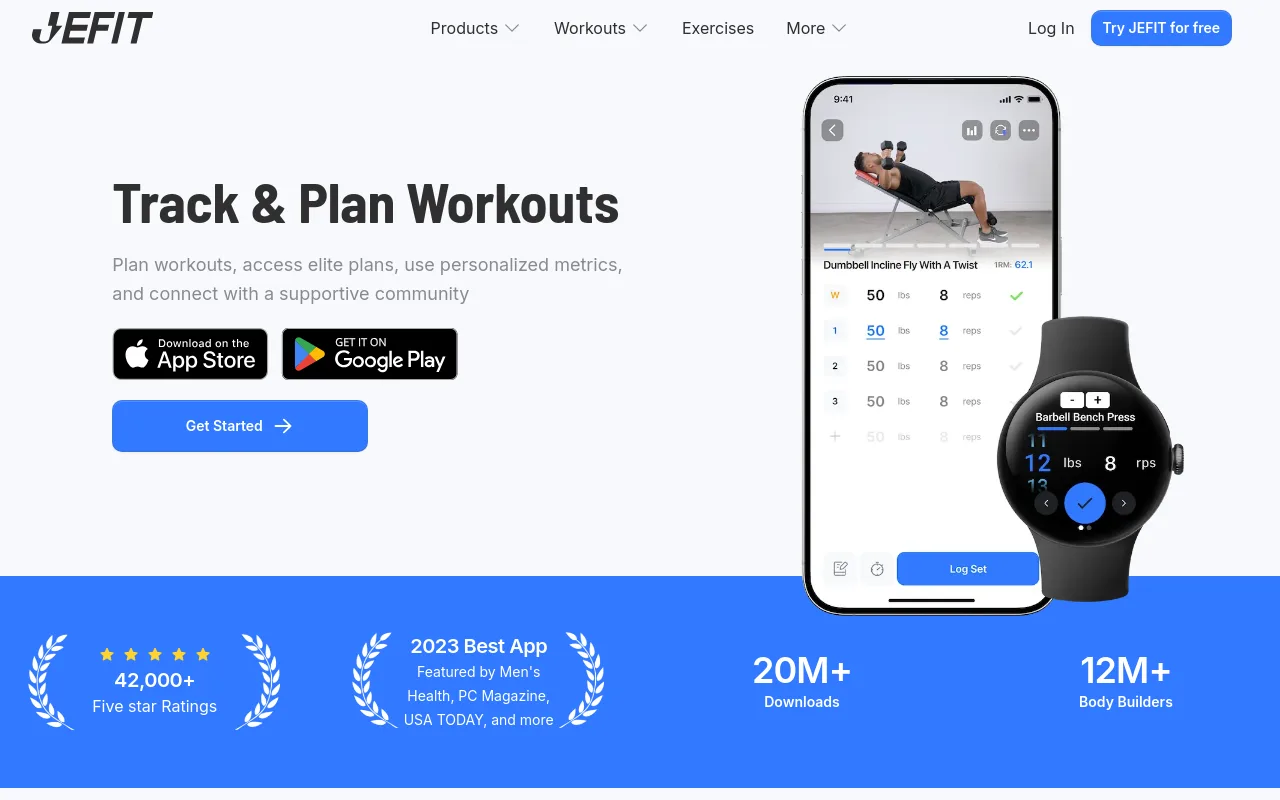
Jefit bridges the gap between HIIT and traditional gym training by letting users build and log equipment-based interval workouts, kettlebell circuits, barbell complexes, and machine-based HIIT, with detailed set, rep, and rest tracking. It’s the right pick for gym-goers who want HIIT programming that incorporates weights rather than purely bodyweight cardio. The exercise database is one of the largest available. The limitation is that the HIIT-specific features feel secondary to its strength-training roots, and the free tier is heavily restricted by ads and feature locks.
Related Reading
- Do Pull Ups Work Chest
- Grip Strength Norms
- Average Deadlift Weight
- 1 Rep Max Chart
- Average Male Deadlift
- Good Bench Press Weight
- Weightlifting Standards
- Average Bench Press Kg By Age
- Average Deadlift Weight Kg
Free vs. Paid HIIT Apps: Which Option Actually Gets You Results?
The answer depends less on price and more on what stage of your fitness journey you’re in. Free apps like Nike Training Club and FitOn deliver genuine value early on, but they have a structural blind spot: they can’t tell when you’ve stopped responding to the work, which is exactly when most people quietly quit. What you’re really choosing between is variety versus a feedback loop that adjusts when your body does.
Where Free Apps Like Nike Training Club and FitOn Genuinely Win
Free apps earn their place. Nike Training Club’s free tier offers hundreds of workouts across HIIT, Yoga, and Bodyweight Burn, and FitOn layers in celebrity-led classes that make showing up feel less like a chore. For someone who needs variety and zero financial commitment, both apps deliver real value. If your only goal is to move more than you did last week, either app gets you there.
The Exact Moment Free Stops Being Enough
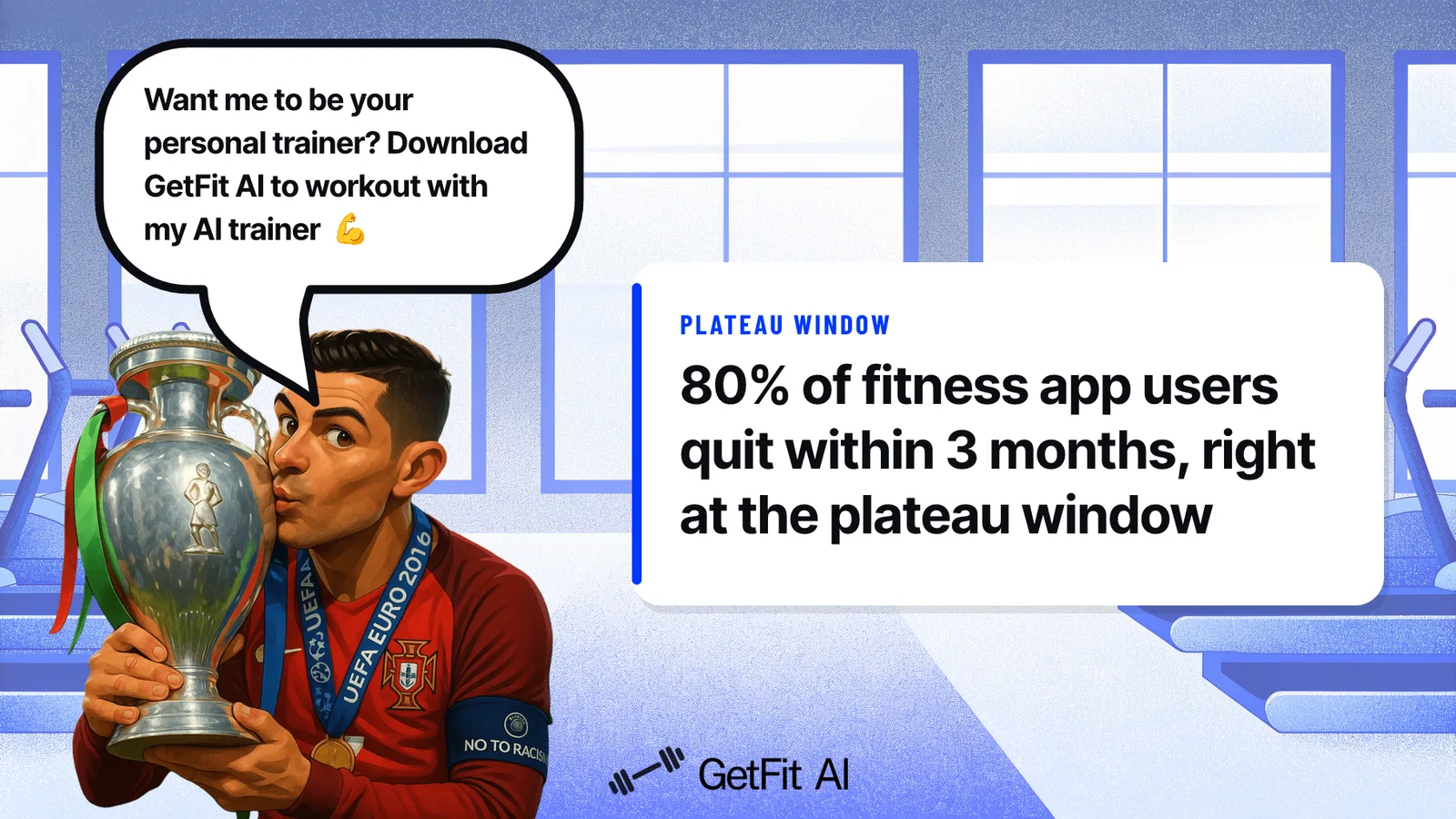
The problem is what happens around week six or eight, when the sessions start feeling easier but the mirror stays the same. 80% of fitness app users abandon the app within 3 months of downloading it. That drop-off tracks almost exactly with the plateau window. Free apps have no mechanism to detect that you’ve stopped responding, so they hand you another circuit and wait.
That’s the hidden cost. Not the ads. Not the interface. The absence of any feedback loop that says: this stopped working, here’s what changes next.
What You’re Actually Paying to Avoid in a Paid AI-Adaptive Plan
As industry retention analysis explains, users on personalized or coach-guided plans retain at significantly higher rates because structured progression gives them a reason to return tied to measurable outcomes, not novelty. You pay for three specific things: a plan that escalates as you get stronger, a nutrition layer that makes training show up in your body, and an adaptive mechanism that fixes a plateau instead of ignoring it. Without all three, consistent effort conditions your body to repeat the same output at the same intensity. That is maintenance at best, and a plateau disguised as discipline at worst.
Related Reading
- Average Deadlift Weight For Male
- Best Calisthenics Workout App
- Best Gym Workout App
- Best Workout Apps
- Best Free Workout Apps
Next steps
If your effort keeps climbing while your body stays exactly the same, the path forward starts with accepting that structure, not intensity, is the variable that determines whether training produces a visible result.
Doing more sessions inside an unstructured app doesn’t just slow progress, retention data shows it actively conditions your body to stop responding, because the stimulus never escalates to match your improving fitness. At the same time, the absence of nutrition guidance means the work never shows up in the mirror regardless of how hard the sessions feel. Together, those two gaps point to one logical next step: a plan that adapts as you get stronger and tells you exactly what to eat to make the training visible.
Start with a custom, progressive program by trying the AI fitness app GetFit AI builds around your goals, equipment, and current fitness level from day one, with integrated macro guidance so your effort compounds into a result you can actually see.
Frequently Asked Questions
Which HIIT app actually adapts as I get stronger instead of repeating the same circuits?
GetFit AI is the only app in this review that combines a structured progressive plan, AI coaching mid-session, and integrated macro guidance in a single product, meaning the plan evolves as you do rather than looping the same workout indefinitely. The post notes that the body stops responding when sessions repeat the same stimulus without escalation, so an app that auto-progresses is what separates visible change from wasted effort.
Is a bodyweight or calisthenics HIIT app actually effective without gym equipment?
Yes, the post highlights Freeletics as a strong no-equipment option that uses an AI Coach to adapt bodyweight routines based on feedback you give after every session, adjusting difficulty and volume as your fitness changes. That post-session feedback loop is what separates it from a static bodyweight library.
What’s the best AI-powered HIIT coaching app?
GetFit AI is the top-ranked pick in this post for AI-powered coaching, it generates a full custom workout plan based on your goal, available equipment, and a chosen athletic role model, and its AI trainer chat is available mid-session whenever a machine is taken or a movement feels wrong.
Which HIIT interval timer app is best if I already have my own training plan?
Seconds Pro is the post’s recommended pick for self-programmers, it reads your custom exercise names aloud via text-to-speech, uses a large color-coded display, and handles complex structures like Tabata, EMOM, and custom circuits without friction. Intervals Pro is the stronger choice specifically for Apple Watch users who want standalone interval tracking with haptic alerts and heart rate zones without pulling out their phone mid-session.
Why do most HIIT apps fail to produce results even when I’m showing up consistently?
According to the post, the core problem is a lack of progressive overload and measurable signal, most apps present random, unstructured sessions with no mechanism to tell you whether any of it is working, so the body stops adapting because every session repeats the same stimulus. Industry retention data cited in the post backs this up: the average fitness app retains only 3-4% of users at day 30, and the primary driver isn’t laziness but the absence of measurable progress.