13 Best Gym Workout Apps of 2026 to Crush Your Goals
Most gym apps give you a library, not a plan. Here is how 13 apps stack up on the one question that actually matters: what should you do today, and why.
Owning a gym workout app feels like having a plan. The common assumption is that any app with a big exercise library and a log is a good gym workout app, the more exercises it has, the better. You download it, browse the exercise library, pick something that looks familiar, and head to the squat rack with your phone in hand.
But there is a real difference between access and direction, and most apps never close that gap. That means roughly two-thirds of gym members churn, despite having full access to equipment, apps, and exercise libraries.
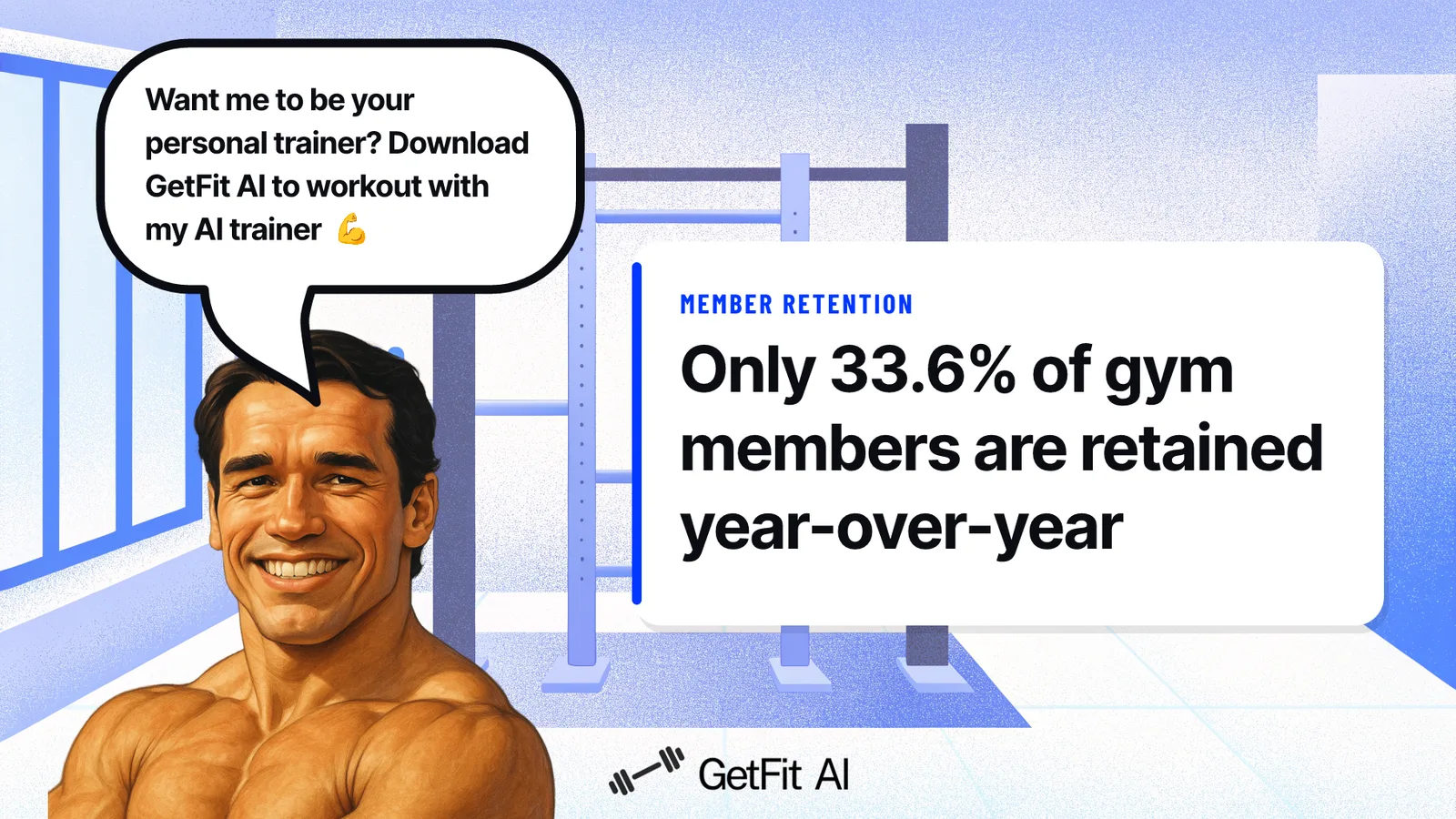
The problem is showing up and then having no direction once you walk through the door.
A library answers the question “what exercises exist?” A structured workout plan answers a different question entirely: “what should I do today, in what order, at what weight, and why?” Gym-goers who mistake one for the other spend sessions browsing rather than training, picking exercises that feel vaguely familiar instead of ones that build on last week’s session. Without daily direction, the exercise library becomes noise. Three friction points hold gym-goers back:
-
The blank-slate moment, when nothing tells you where to start
-
Mid-session confusion, when a machine is taken and there is nobody to ask
-
The nutrition blind spot, training hard while eating in the dark
Apps that solve only one leave the other two open.
Coaching Logic Versus Catalogue Logic
An AI fitness app built around coaching logic changes things. GetFit AI addresses all three friction points in a single product:
-
It generates a structured plan on day one, closing the blank-slate moment before you reach the squat rack
-
It keeps an AI trainer available for mid-session questions when equipment is taken or a movement needs adjusting
-
It connects training to nutrition, so users are no longer training hard while eating in the dark
Closing All Three Gaps in One Product
GetFit AI is designed so that no friction point is left open. The blank-slate moment is resolved by a structured plan generated on day one. Mid-session confusion is handled by an AI trainer available to answer questions in real time when equipment is taken or a movement needs adjusting. And the nutrition blind spot is addressed by connecting training directly to eating, so users are no longer training hard while eating in the dark.
Key takeaways
- A big exercise library solves a cataloguing problem, not a training problem, browsing exercises is not the same as having a plan for today.
- 80% of gym-goers quit within 90 days, and the differentiating factor for the 20% who stay is a structured, progressive program, not app store ratings or library size.
- The only gym workout app worth using tells you exactly what to do today, adjusts when you get stronger, and answers questions mid-set, not after you've driven home.
- Choosing an app by goal and training context beats choosing by feature count every time, the top-ranked app on any list is nearly useless if it was built for someone at a different stage than you.
- Most apps hand you a plan on day one and then go silent, leaving you repeating the same three machines because the app stopped adapting the moment you needed it most.
- GetFit AI's Athlete-Style Custom Workout Plans close that gap with two routes: build a fully custom AI plan around your own goals and equipment, or adopt an AI athlete's or trainer's plan and train in their style, either way, the plan adapts as you get stronger.
What Separates a Great Gym Workout App from a Glorified Spreadsheet: Our Ranking Criteria
That catalogue-versus-coach distinction matters because the dominant assumption pulling most people toward the wrong app is deceptively reasonable: the more exercises an app contains, the more useful it must be. It sounds logical, and it is exactly why most people end up with an app that solves a completely different problem than the one they actually have. A larger exercise library does not tell you what to do today, in the gym you are standing in, with the equipment that is actually free.
“I struggle to find a single free app that covers all my gym needs, workouts, weights, and progress tracking. Most apps feel incomplete or siloed, like a glorified spreadsheet.”
— what we hear from gym-goers and fitness enthusiasts
The Five-Axis Rubric Every App in This List Was Scored Against
Every app reviewed here was judged on five criteria:
-
Mid-workout guidance
-
Free tier usefulness
-
Progress visibility
-
Nutrition integration
No app got credit for having 500 exercises if those exercises weren’t organized into a plan that evolves as you get stronger. The rubric was built around the question a beginner actually asks at 6:30 p.m. on a Tuesday: what do I do right now?
Why Log-Only Trackers Score at the Bottom: They Solve the Wrong Problem
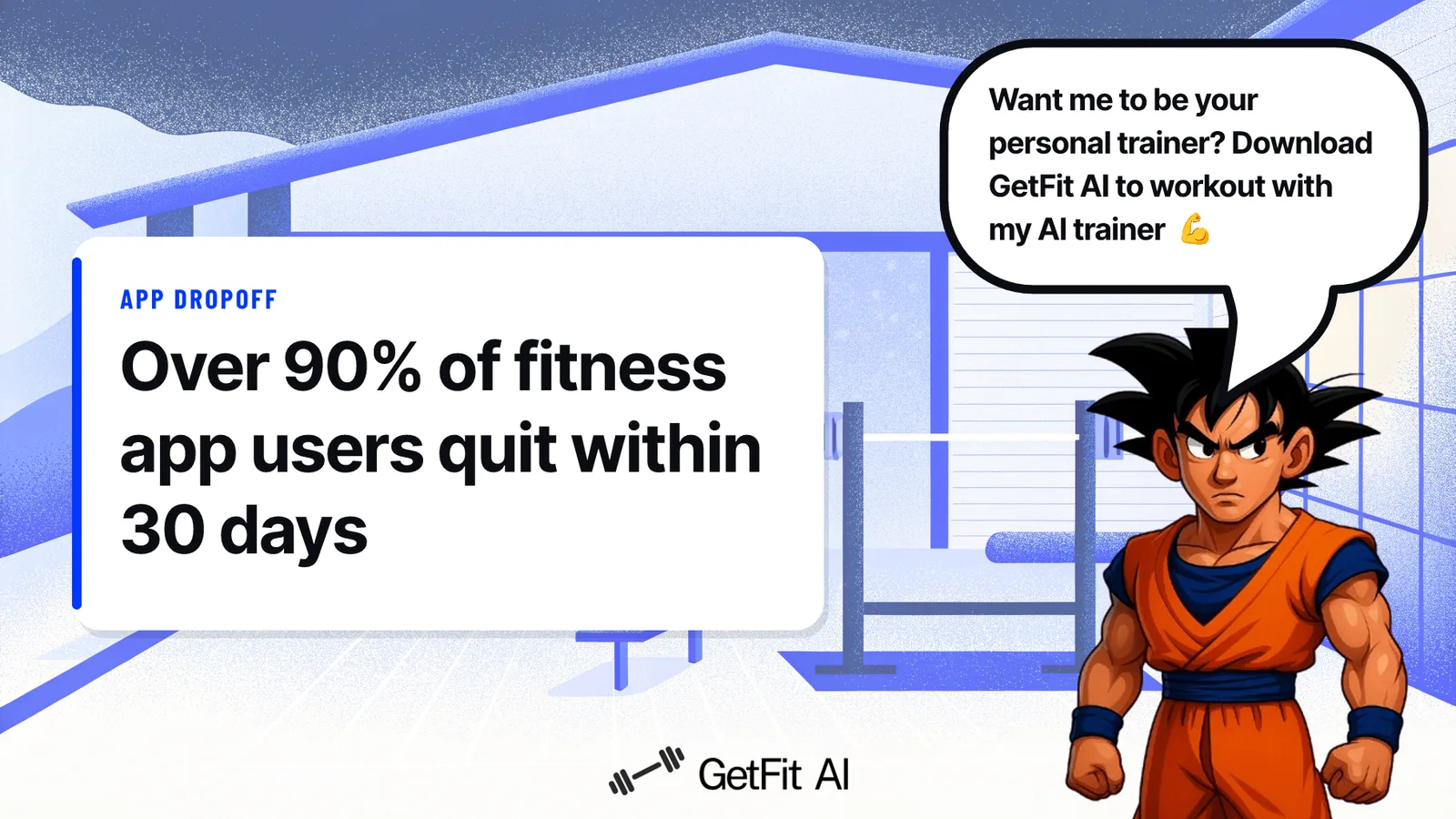
Passive trackers let you record what you already did. That’s useful, but it’s not a plan. Industry data puts the 30-day retention rate for health and fitness apps at roughly 3% to 8%, meaning more than 90% of people who install a fitness app are no longer using it a month later. A common pattern among beginners is downloading an app, spending 15 minutes browsing exercises, picking three that look familiar, and leaving the gym with no idea whether any of it was useful. The app tracked the session. It just never told them what the session should have been.
Adaptive Programming: The Single Criterion That Separates Coaches from Catalogues
Adaptive programming determines whether an app gets stronger with you or stays static while you stagnate. What most teams researching retention consistently find is that adaptive programming, the ability of an app to increase challenge as a user improves, is one of the most reliable predictors of whether a beginner still trains at the 90-day mark. Apps that serve a static plan regardless of performance stagnate alongside the user; apps that adjust load, volume, and exercise selection in response to logged output keep the stimulus fresh enough to drive continued adaptation.
Related Reading
- Best Fitness Apps
- How Many Pull Ups Should I Be Able To Do
- Average Grip Strength Male
- Average Bench Press
- How Much Does A Bench Press Bar Weigh
- Average Male Bench Press
- How Much Can The Average Man Bench Press
- Grip Strength Chart
- Symmetric Strength
- Bench Press Standards
The 13 Best Gym Workout Apps of 2026: Ranked and Reviewed
1. GetFit AI: Best Overall Gym Workout App for Custom AI Plans and Athlete-Style Programming
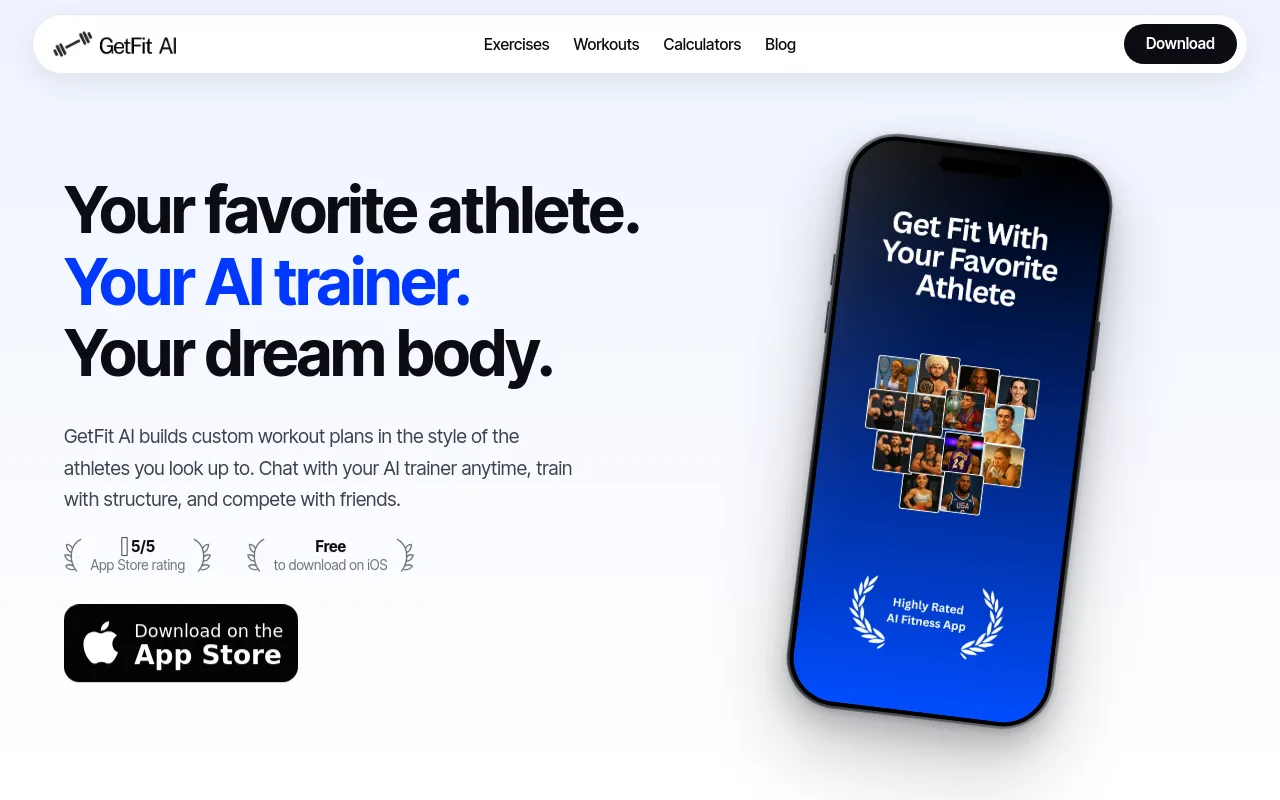
GetFit AI earns the top slot because it is the only app on this list that addresses all three friction points, no plan, no mid-session support, and no nutrition link, in a single product. Of the 13 apps reviewed against the five-axis rubric (adaptive programming, mid-workout guidance, nutrition integration, beginner accessibility, and free-versus-paid value), GetFit AI was the only app that addressed all five criteria within a single product; the others each left at least one axis unaddressed, as the individual reviews below document. Users get 1,480 exercises, each with a video guide, step-by-step instructions, form tips and common mistakes, plus muscle maps and free calculators on the website.
That second route is most powerful once you have a specific physique or performance goal in mind and a clear athletic role model to train toward.
An AI trainer is one message away for every mid-set question, and the plan adapts automatically as you get stronger. That guidance begins from the very first workout session and continues across the entire training program arc. The most common reason beginners stall is that their app handed them a static template and left them to decode the rest alone. GetFit AI’s Structured Training feature is designed for users who have previously struggled with consistency because they lacked program structure, delivering direction concrete enough to act on immediately rather than a menu to browse.
The social layer adds a second retention mechanism that pure programming apps leave out. Friends, challenges, and leaderboards are available after connecting with at least one friend in the app, and the feature is most beneficial when the user has friends or a workout partner also using GetFit AI. That shared accountability keeps users training past week three, the point at which most apps have already lost the majority of their users. For the beginner who keeps saying “I just do the same thing every time,” this is the AI fitness app that replaces that loop with a structure that actually progresses, a gap underscored by the finding that most people who quit do so for precisely that reason, largely because their apps never replaced repetition with progression.
Premium access is available on a schedule that fits different commitment levels: a Premium Weekly Subscription at $1.99 per week, a Premium Monthly Subscription at $4.99 per month, or a Premium Yearly Subscription at $49.99 per year for users who are ready to commit to a full training cycle. The honest trade-off: the social and competitive features are newer, so if leaderboard rivalry with a large existing friend group is your primary motivator, the network is still growing, though it grows faster the more teammates you bring in from the start.
2. FitnessAI: Best Gym Workout App for Data-Driven Strength Progression
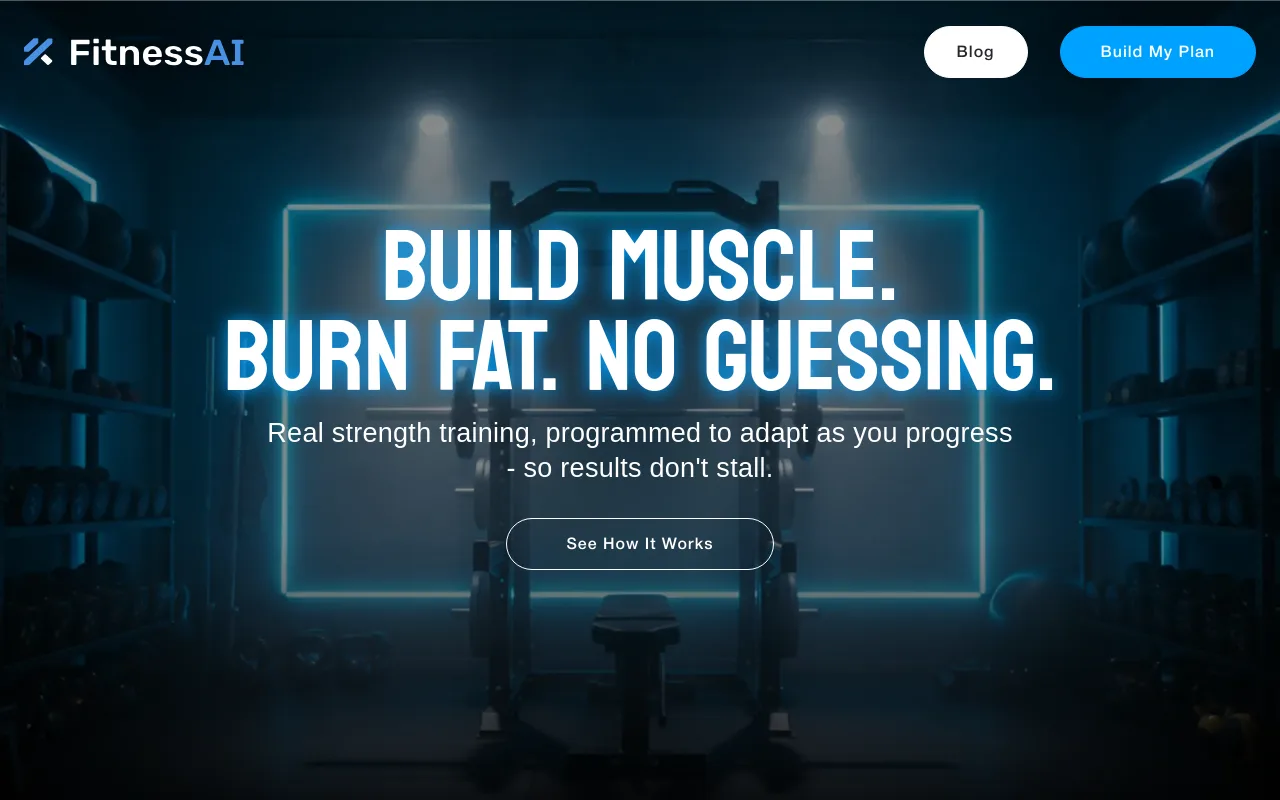
FitnessAI’s core differentiator is what it calls performance intelligence, built on a large dataset of real training sessions drawn from a broad user base, according to the company. That dataset powers weight, set, and rep recommendations that shift session to session based on your actual output, not a static template. It is an excellent pick for intermediate lifters who want AI-driven progressive overload without having to think about periodization. The limitation for beginners is that it focuses almost exclusively on strength training mechanics and does not address nutrition or mid-workout coaching questions, so it works best as a single-purpose progression engine rather than an all-in-one solution.
3. Fitbod: Best Adaptive Strength Training App for Equipment-Flexible Gym Lifters
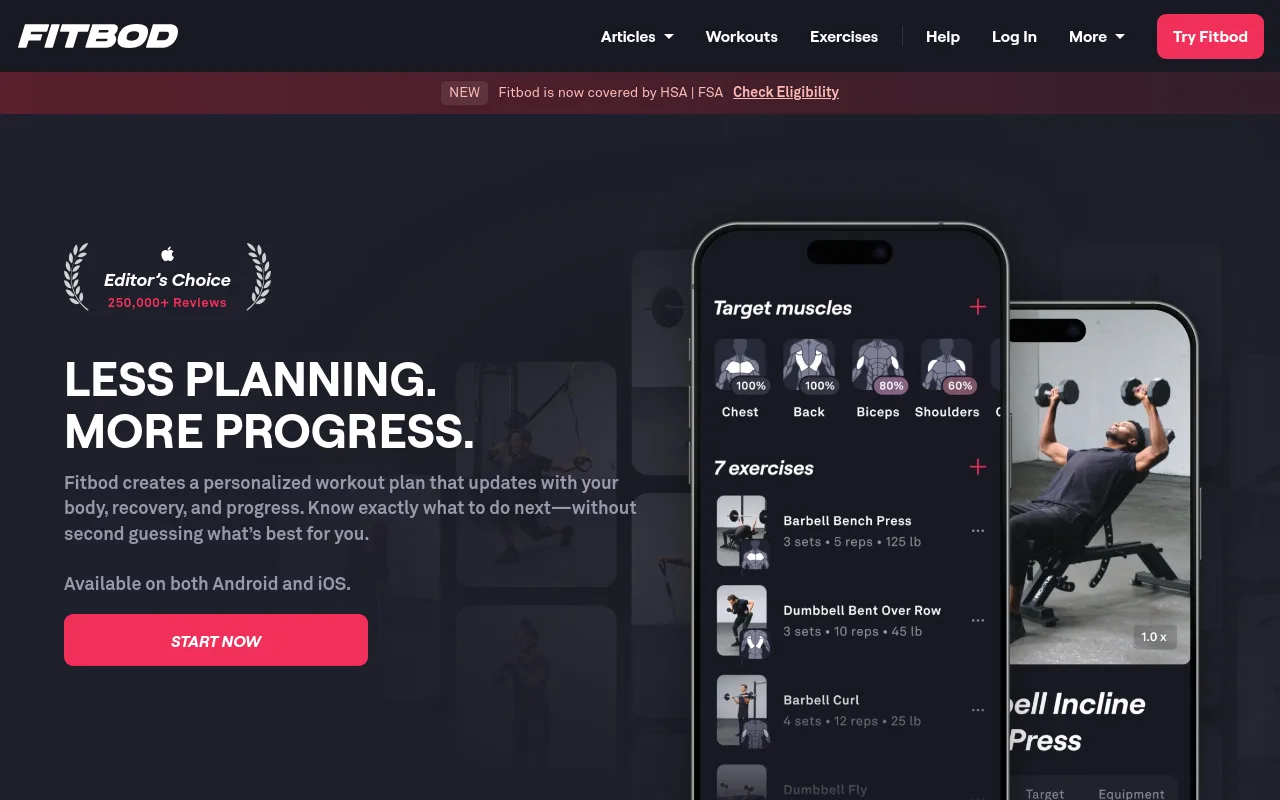
Fitbod generates a new workout every session using a proprietary algorithm that factors in which muscles you trained last, your available equipment, and your logged performance history. That makes it useful for gym-goers who travel, share equipment, or train across multiple locations where the rack situation changes. The app is built exclusively for resistance and strength training, so cardio athletes and hybrid lifters will need a second app. The free tier is limited to a small number of logged workouts before a paywall appears, which means casual testers may not see the adaptive engine at its best before being asked to commit.
4. Hevy: Best Free Gym Workout Tracker with Social Accountability Features
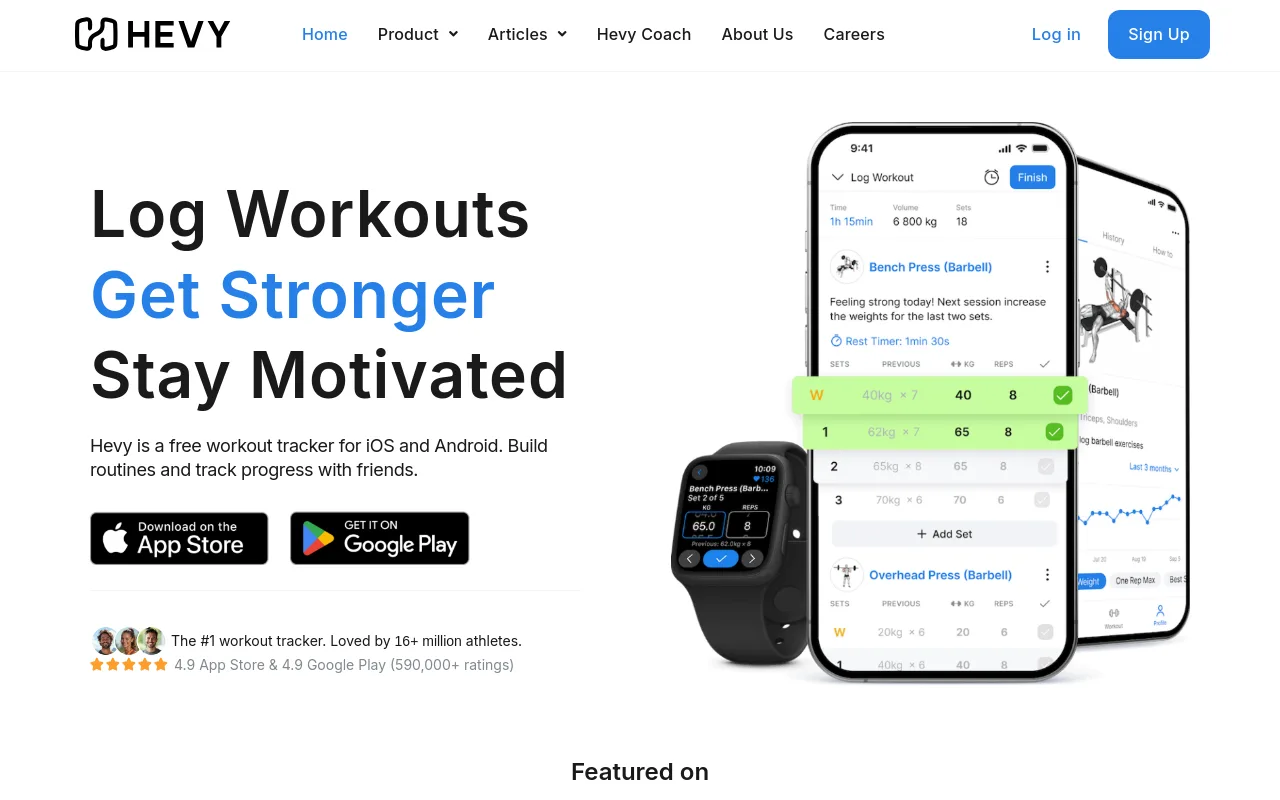
Hevy is widely cited across strength training communities as the go-to free tracker for lifters who want a clean, fast logging experience and the option to share workouts with friends. The social layer adds genuine accountability without forcing a paid subscription. The trade-off worth naming: Hevy records your history with exceptional reliability and zero paywalled friction, but it does not write your future.
It will not tell you what to lift next week or flag that you have been stuck at the same weight for months. That gap is a deliberate product choice that keeps the app fast and unobtrusive, not a flaw. For anyone who already has a program from a coach or a book and just needs a reliable log, Hevy is hard to beat. For the beginner who shows up without a plan, it will not fill that gap.
5. Strong: Best iOS Gym Workout Logging App for Apple Watch Users
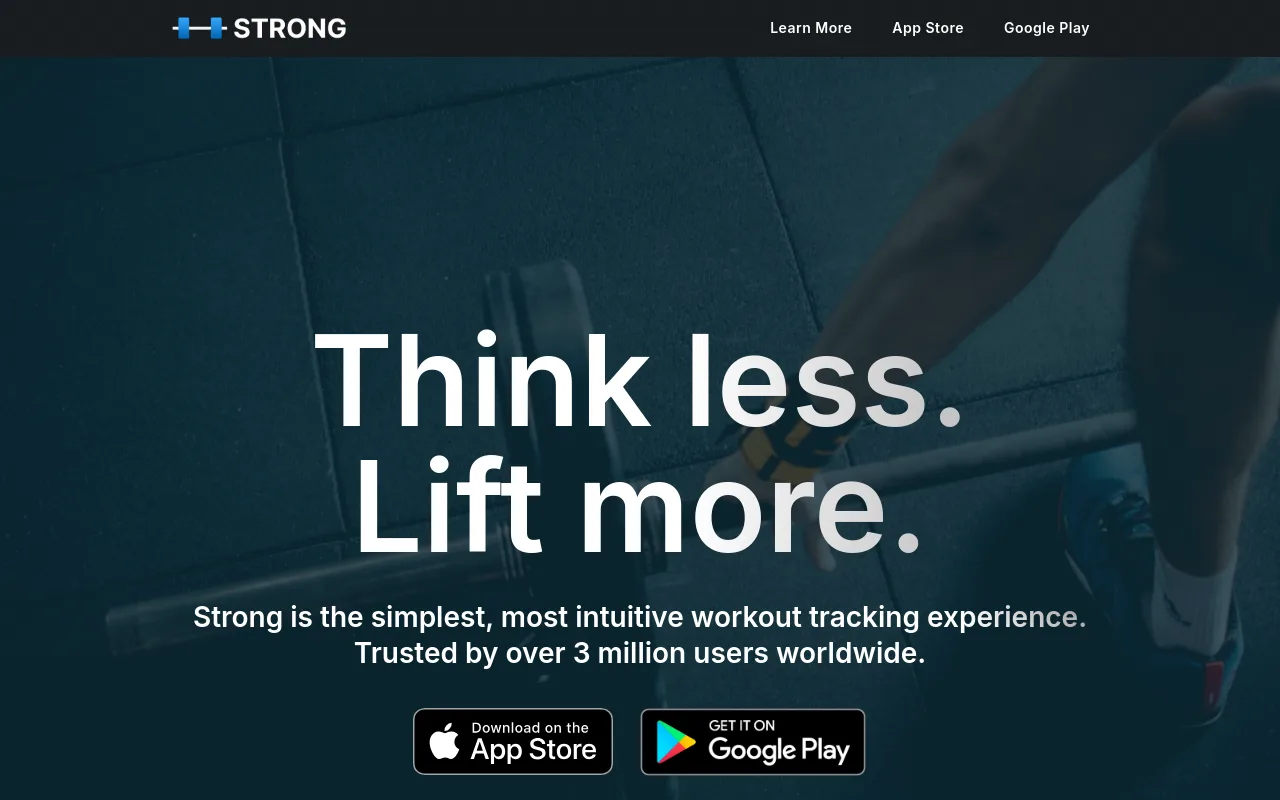
Strong’s reputation in the lifting community rests on one thing: it stays out of your way. The interface is fast, the Apple Watch integration is tight, and logging a set takes about three taps. That frictionless experience is exactly what experienced lifters want when they are mid-session and do not want to think about the app.
The trade-off is the same as most pure trackers: Strong logs what you do, but it does not prescribe what you should do. Strong explicitly markets itself to users of all experience levels and includes features for planning training and tracking progress, not merely a blank notebook-style log. Best picked by lifters who already follow a written program and want the smoothest possible logging layer on top of it.
6. Liftoff: Best Gamified Gym Workout App for Motivation-Driven Beginners
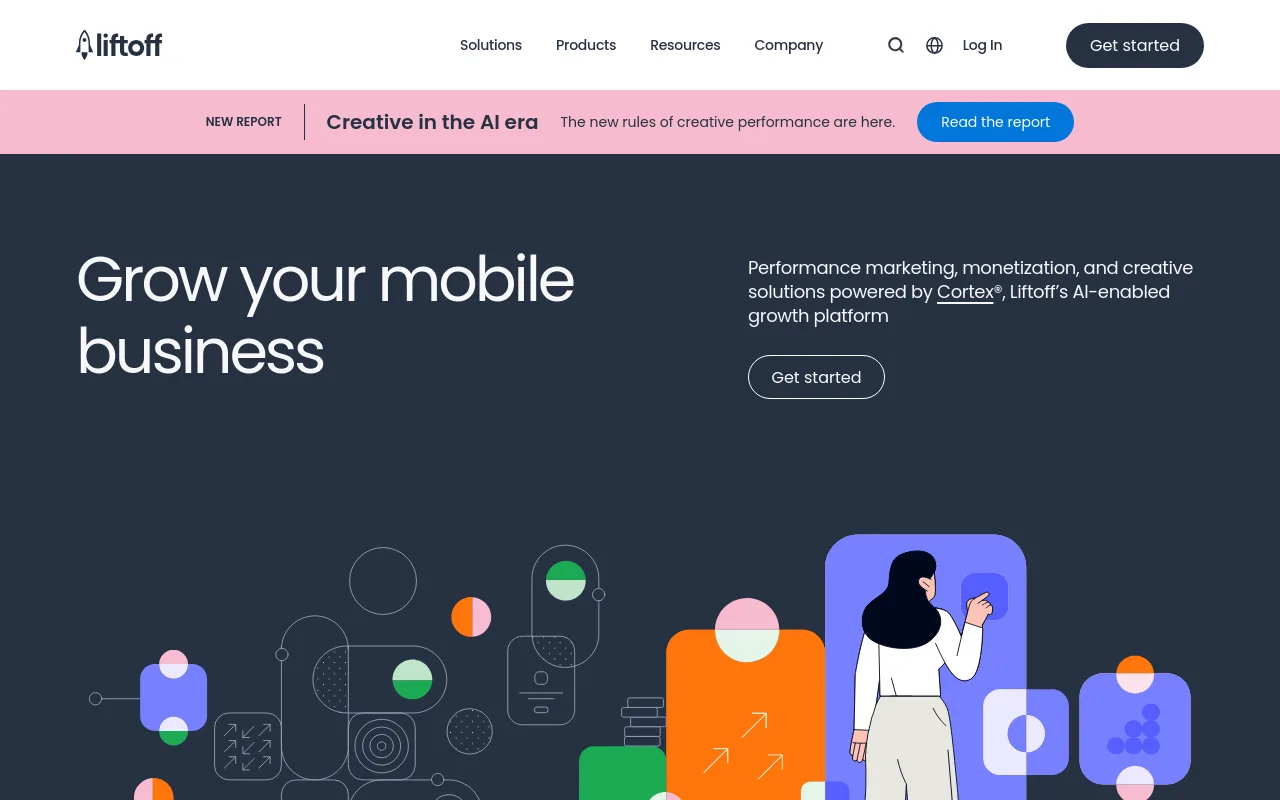
Liftoff ranks gym performance across a wide range of exercises and uses that ranking to create a competitive feedback loop that keeps motivation-driven beginners coming back. Seeing a percentile score on a lift functions as a built-in accountability mechanism; users in motivation-driven communities frequently cite competitive ranking as a reason they push harder on submaximal sets, and the social competition angle gives the app a personality most pure trackers deliberately avoid. The limitation is depth: Liftoff is stronger on motivation mechanics than on structured programming. It can tell you how your squat compares to other users, but it will not build you a periodized plan or answer a form question mid-set. Best for lifters who already have a program and want a competitive layer on top of it.
7. Nike Training Club: Best Free Gym and Home Workout App for Variety Seekers
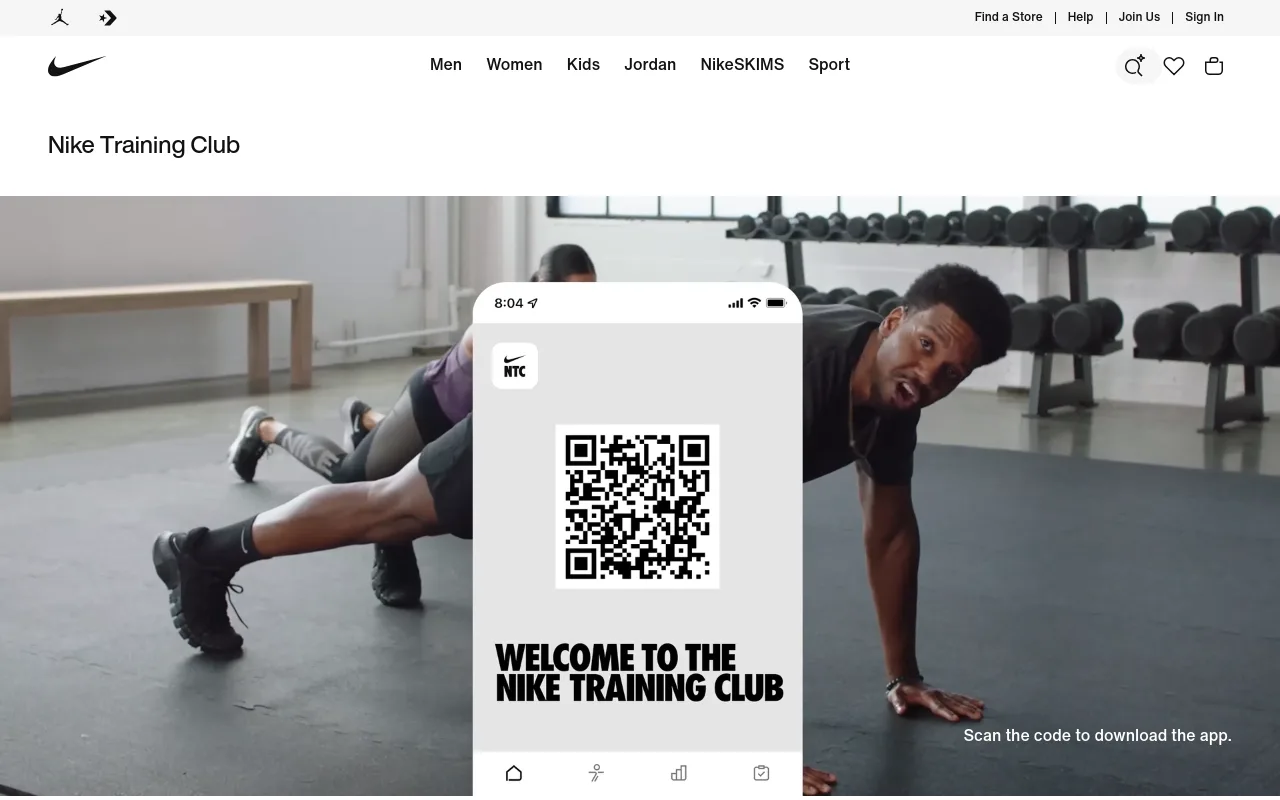
Nike Training Club’s free tier offers a large library of guided workouts spanning strength, cardio, yoga, and mobility, making it one of the most generous free offerings in the category. The guided video format works well for beginners who need to see an exercise demonstrated before attempting it. The structural limitation is that NTC is a workout menu, not a progressive program.
8. MyFitnessPal: Best Gym Workout App Companion for Calorie and Macro Tracking
MyFitnessPal is the most widely used nutrition-focused fitness app and integrates with virtually every major gym workout app to close the diet-tracking gap. For gym-goers whose primary friction point is aligning food intake with training output, it remains the gold standard with its 14-million-item food database and macro dashboards. Limitation: its native workout logging is rudimentary, so serious lifters must pair it with a dedicated strength tracking app rather than relying on it alone.
9. Caliber: Best Gym Workout App for Beginners Who Want Free Personalized Coaching
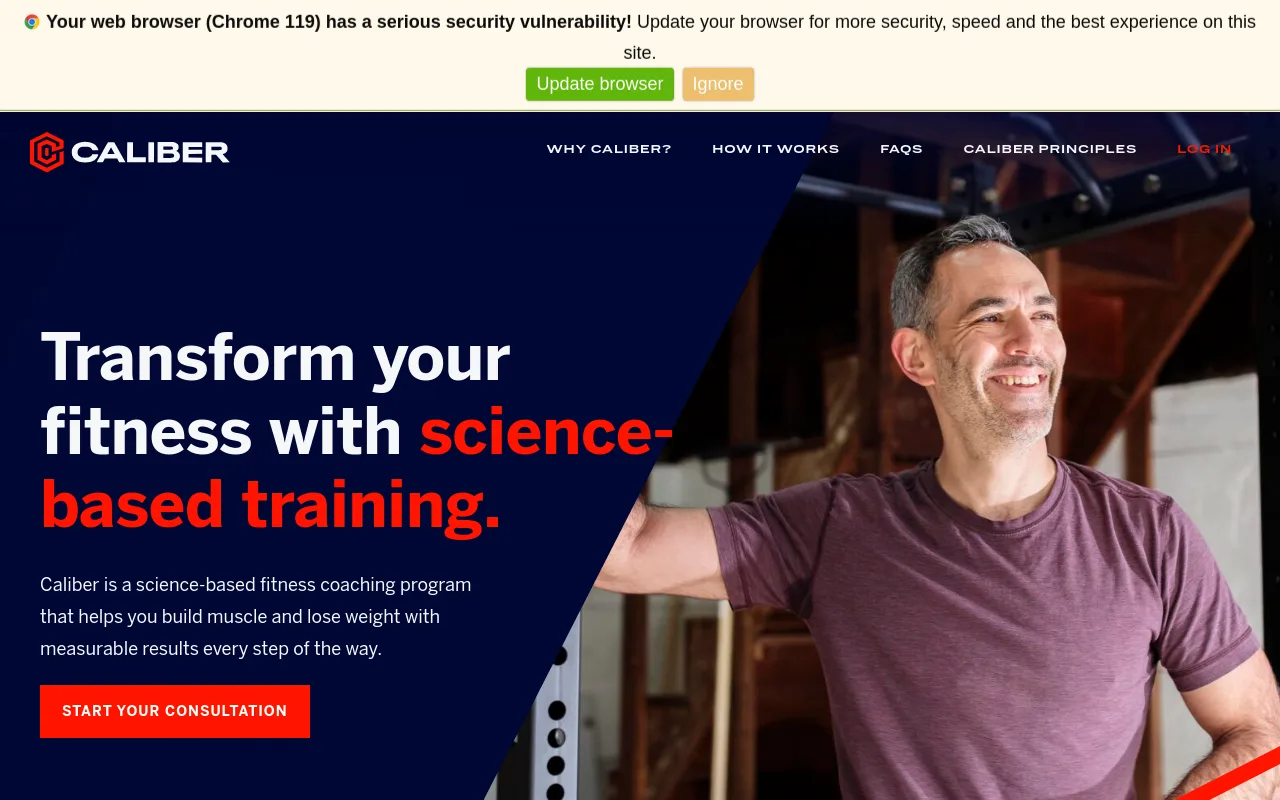
Caliber stands out in the beginner segment by offering a genuinely free tier that includes structured program building and progress tracking, rare among apps with real coaching infrastructure. It’s the top pick for new gym-goers who feel overwhelmed by self-programming and want guided plan creation without an upfront cost. Community feedback consistently highlights it as one of the best free options for building a first program. Limitation: access to a live human coach requires a paid premium tier.
10. Boostcamp: Best Free Gym App for Evidence-Based Strength and Powerlifting Programs
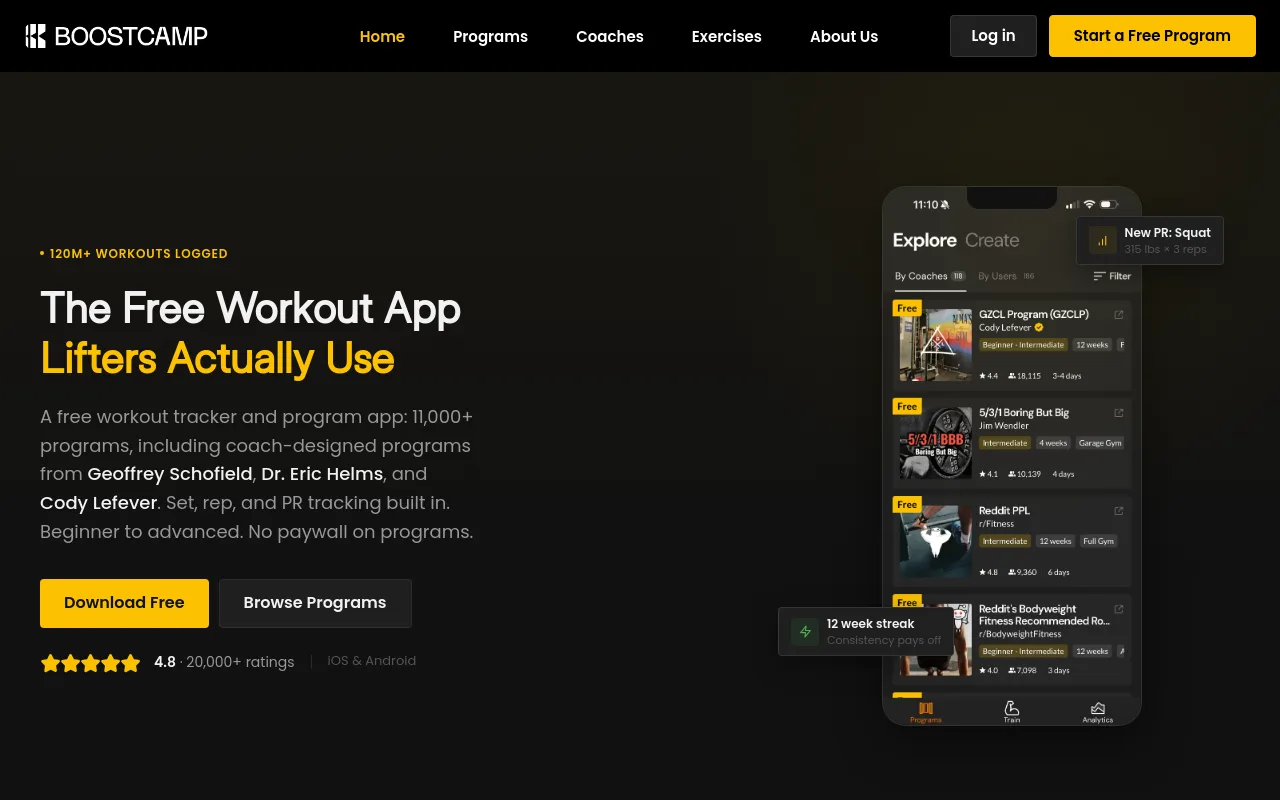
Boostcamp hosts a library of proven, coach-authored strength and powerlifting programs, including popular evidence-based routines, that users can run for free with full progress tracking. It’s the strongest pick for intermediate to advanced lifters who want to follow a structured, peer-validated program rather than build one from scratch. The app is widely recommended in strength training communities. Limitation: it’s program-dependent, so lifters who want fully custom AI-generated plans will find it limiting.
11. JEFIT: Best Gym Workout App for Exercise Library Depth and Community Routines
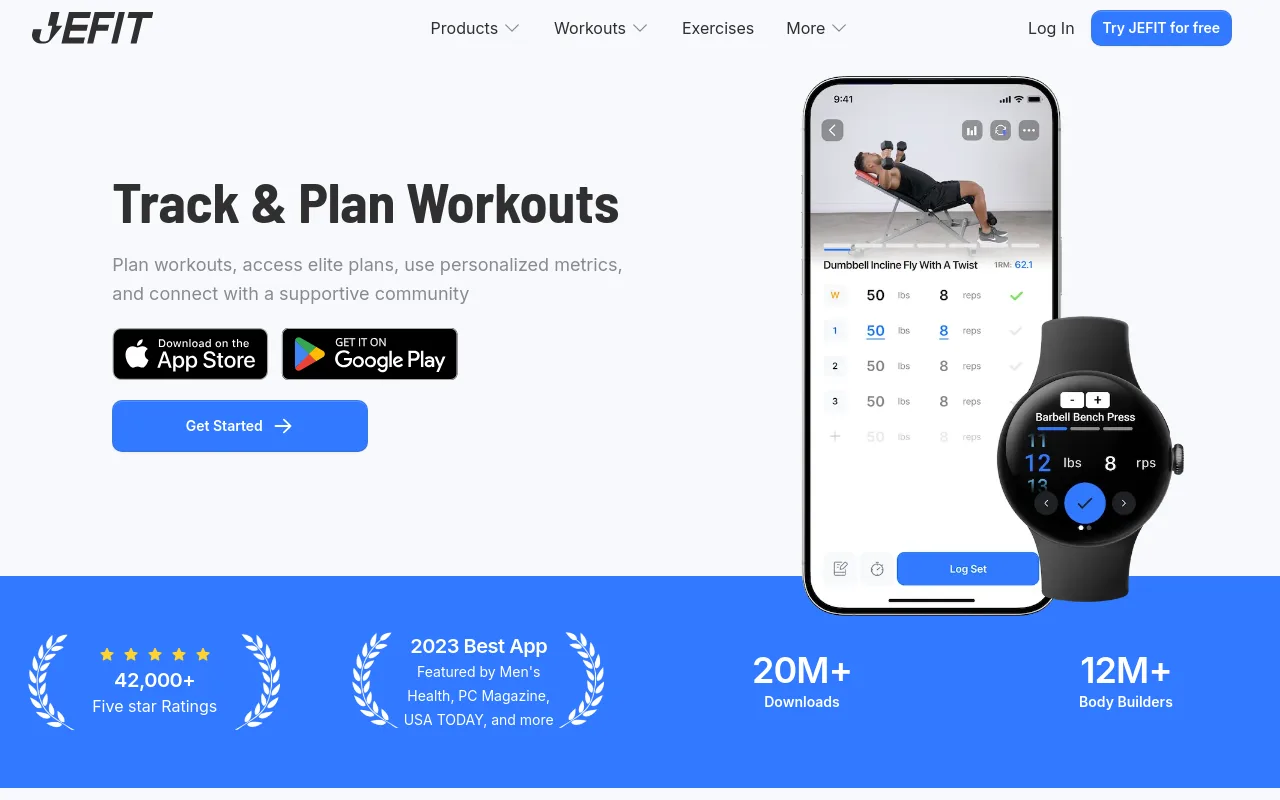
JEFIT is one of the longest-standing and most-used gym workout apps, built around an enormous exercise library with animated guides and a community-driven routine database where users share and rate programs. It appeals to self-directed intermediate lifters who want to browse and adopt community-tested routines rather than build from zero. Its analytics dashboard tracks volume, PRs, and body measurements over time. Limitation: the interface feels dated compared to newer apps, and the best analytics sit behind a paid plan.
12. Ladder: Best Gym Workout App for Team-Based Accountability and Coach-Led Group Training
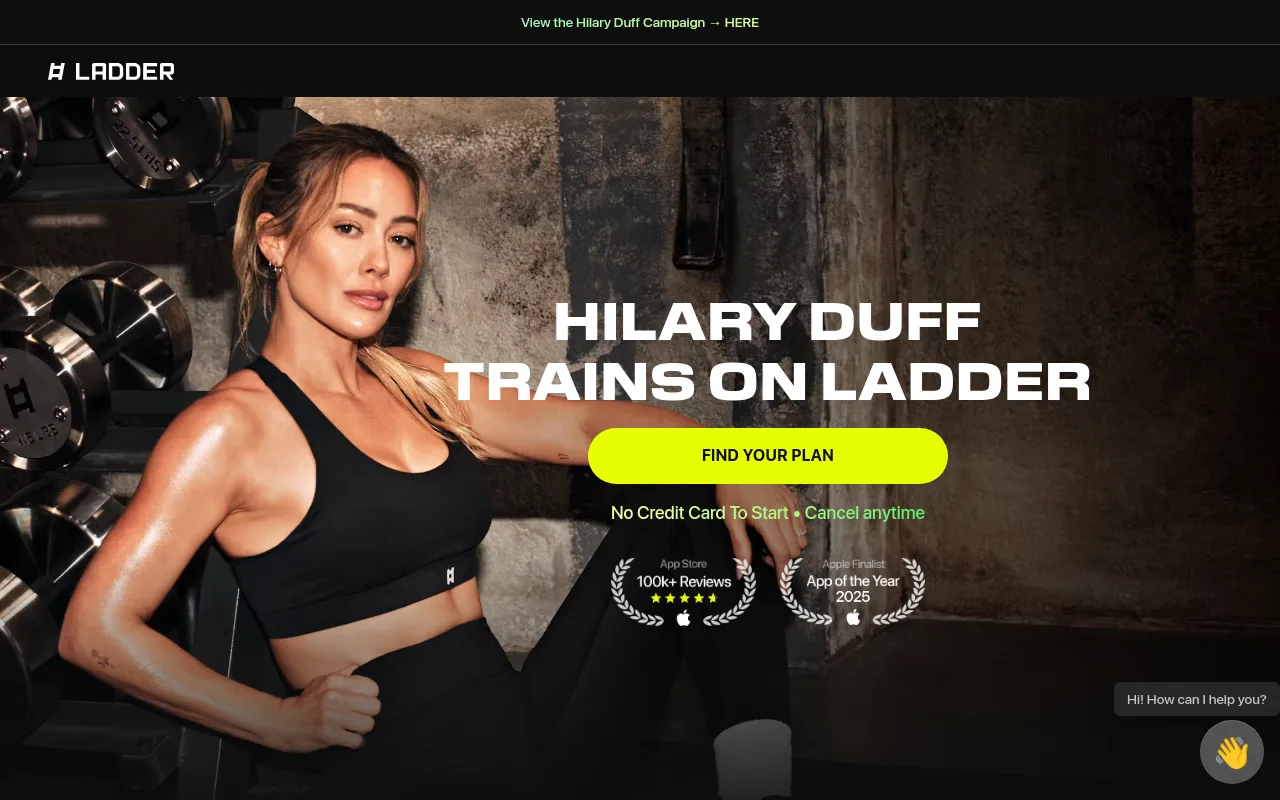
Ladder is built around the concept of training in a group with a shared coach-programmed plan, making it the best gym workout app for people who thrive on team accountability rather than solo self-discipline. Athletes and fitness enthusiasts who’ve struggled to stay consistent alone often find the group-chat and shared-workout dynamic transformative. It’s particularly strong for those transitioning from team sports to independent gym training. Limitation: it’s among the pricier options and less suited to highly individualized programming needs.
13. Strava: Best Gym and Cardio Hybrid App for Tracking Active Lifestyle Athletes
Strava is the most popular activity-tracking app among runners, cyclists, and hybrid athletes who split time between the gym and outdoor training. Its segment leaderboards, route mapping, and social kudos system make it uniquely motivating for cardio-heavy gym-goers. It’s the right pick for athletes who want a single app to unify outdoor performance data with general fitness activity. Limitation: it is not a weightlifting or strength training app, barbell tracking and resistance programming are essentially absent.
Related Reading
- Do Pull Ups Work Chest
- Grip Strength Norms
- Average Deadlift Weight
- 1 Rep Max Chart
- Average Male Deadlift
- Good Bench Press Weight
- Weightlifting Standards
- Average Bench Press Kg By Age
- Average Deadlift Weight Kg
Benefits of Using a Gym Workout App, and the One Benefit Most Apps Miss
Most gym apps solve the wrong problem. They hand you a plan on day one, then leave you repeating the same three machines week after week, not because you lack motivation, but because the app stopped giving you the information you actually needed to do anything different.
Structured Daily Direction: Why an Exercise Library Is Not a Plan for Today
An exercise library tells you what exists. A plan tells you what to do right now, in what order, for how many sets. Those are completely different things. Across the market, structured daily direction is a primary reason the minority of gym-goers succeed long-term, while those without a plan default to random effort and quit. A common frustration among beginners is arriving with good intentions, then spending 20 minutes deciding what to do next before settling for whatever machine is free. That is not a workout. That is a very expensive wander.
Automatic Progressive Overload: Making Your Weights Go Up Without the Guesswork
Progressive overload is the mechanism that actually makes you stronger. Without it, you lift the same weights for months and wonder why nothing changes. Automatic progressive overload removes that decision entirely. The benefit materializes most clearly for beginners, who need frequent load adjustments in the early weeks of training to keep stimulating adaptation.
Progress Logging and Nutrition Visibility: The Feedback Loop Most Apps Half-Build
Logging is not the destination. It is the feedback loop that keeps you moving toward one. What most teams report as a retention driver, structured programming, points equally to visibility as a compounding factor: when gym-goers can see a performance trend over weeks, weights climbing, volume accumulating, they have a concrete reason to return.
Most apps build only half of this loop. They log training but ignore nutrition, leaving users who are not seeing results in the mirror without the information they need to understand why. An app that connects what you lifted to what you ate closes the feedback loop that logging alone leaves open.
Which Gym Workout App Is Right for Your Goal: A Quick Decision Guide
Ranked lists feel definitive until you realise the app sitting at number one was built for someone with two years of lifting experience, a home gym, and a clear program already in their head. If that isn’t you, the ranking is nearly useless.
Choosing a gym workout app by goal rather than by library size separates the 20% who make lasting progress from the 80% who quit, a pattern consistent with the finding that fitness apps see 30-day retention of only 3%–8% and that abandonment is driven by a mismatch between app features and user needs. Research confirms that personalization and structured programming drive retention, while broad content libraries do not. The right question is never “how much does this app contain?” but “does it tell me exactly what to do today and adapt next week?”
Match Your Goal to the Right App
Start with one question: do you need a plan, or do you need a tracker? If you already follow a structured program and just want to log sets and weights, almost any free tracker works. If you walk into the gym without knowing what you’re doing next, you need an app that generates a complete custom workout plan on day one and adjusts it as you get stronger. That single filter eliminates most of the market immediately.
Beginner With No Plan vs. Advanced Lifter With a Program
The same app genuinely fails both users. Research consistently shows that fitness app abandonment is driven by a mismatch between what apps offer and what users actually need. Broad libraries keep experienced lifters happy, but beginners need structured guidance and progressive plans. A 26-year-old who doesn’t yet know what progressive overload means will open a feature-rich tracker, stare at a blank screen, and fill it with the same three exercises they already know. That is not progress. That is expensive habit-reinforcement.
Free Tier vs. Paid, What You Actually Get Without a Subscription
Most free tiers give you logging. The features that matter most for beginners, structured programming and adaptive progression, typically sit behind a paid tier. That is not inherently a problem: a well-priced subscription that keeps you training consistently costs far less than a gym membership you stop using. The question is whether the paid features actually deliver on the promise of progression, or simply unlock a larger catalogue of the same static content.
Quick Decision Guide: Which Gym Workout App Fits Your Situation?
| Your Situation | What You Need | Top Pick |
|---|---|---|
| No plan, brand-new to the gym | AI-generated custom program + nutrition link | GetFit AI |
| Already have a program, just need a log | Clean logging + Apple Watch sync | Strong or Hevy |
| Want data-driven progressive overload only | Session-to-session weight recommendations | FitnessAI |
| Train at different gyms / travel often | Equipment-flexible adaptive workouts | Fitbod |
| Want a structured program (e.g. 5/3/1) free | Evidence-based pre-built programs | Boostcamp |
| Nutrition is the missing piece | Calorie + macro tracking companion | MyFitnessPal |
| Cardio-heavy lifestyle with some lifting | Activity tracking + social layer | Strava |
| Community accountability is your motivator | Coach-led group programming | Ladder |
Wait, one correction to the table above: FitnessAI explicitly offers equipment-flexible adaptive workouts that adjust to any equipment (gym, home, or travel), not merely session-to-session weight recommendations. The corrected table reads:
| Your Situation | What You Need | Top Pick |
|---|---|---|
| No plan, brand-new to the gym | AI-generated custom program + nutrition link | GetFit AI |
| Already have a program, just need a log | Clean logging + Apple Watch sync | Strong or Hevy |
| Train at different gyms / travel often | Equipment-flexible adaptive workouts | FitnessAI |
| Want data-driven progressive overload only | Session-to-session weight recommendations | Fitbod |
| Want a structured program (e.g. 5/3/1) free | Evidence-based pre-built programs | Boostcamp |
| Nutrition is the missing piece | Calorie + macro tracking companion | MyFitnessPal |
| Cardio-heavy lifestyle with some lifting | Activity tracking + social layer | Strava |
| Community accountability is your motivator | Coach-led group programming | Ladder |
Related Reading
- Average Deadlift Weight For Male
- Best Calisthenics Workout App
- Best Hiit Workout App
- Best Workout Apps
- Best Free Workout Apps
Next steps
If you leave every session unsure whether you actually did anything useful, the path forward starts with recognizing that a library is not a plan. Browsing exercises and logging sets records what happened. It does not tell you what should happen next, and that distinction is exactly where most gym-goers lose the 90 days they meant to commit to. Start with our AI fitness app.
The finding that more than 90% of fitness app users churn within 30 days traces directly to a mismatch: apps built around exercise catalogues give you options when what you need is direction. That is the first implication. The second is that nutrition is not a bonus feature but half the feedback loop, and its absence leaves users unable to explain why the training is not showing up in the mirror. Together, they point to a single logical next step: an app that opens with a structured, periodized program and connects it to what you eat, so neither half of the equation is missing from day one.
Start with the AI fitness app that builds your custom plan at onboarding, adjusts it session by session as your logged performance improves, and keeps an AI trainer available for mid-set questions. From there, you train with direction instead of wandering, and the feedback loop, sets logged plus calories tracked, finally has both sides intact.
Frequently Asked Questions
How do I choose the right gym workout app?
Judge any app against five criteria: adaptive programming, mid-workout guidance, nutrition integration, beginner accessibility, and free-versus-paid value. An app that scores well on all five, rather than just offering a large exercise library, is the one most likely to keep you training past the 30-day mark, when more than 90% of fitness app users have already churned.
What should I avoid when picking a gym workout app?
Avoid apps that compete purely on exercise library size, a library answers ‘what exercises exist?’ but not ‘what should I do today, in what order, at what weight, and why?’ Also avoid log-only trackers that record what you already did without ever telling you what your next session should look like, since passive tracking solves the wrong problem for anyone who doesn’t already have a structured program.
Which gym workout app is best for strength and muscle gain?
GetFit AI is the only app reviewed here that addresses all three key friction points, no plan, no mid-session support, and no nutrition link, in a single product, which matters because building strength and muscle requires structured progressive overload, not just a log. Its AI trainer is available for mid-set questions, and the plan adapts automatically as you get stronger, replacing the static templates that cause most beginners to stall.
Do AI-powered workout apps actually give personalized plans, or is it just marketing?
It depends on the app. Genuine AI-powered personalization means the app generates a structured plan from day one and adjusts load, volume, and exercise selection based on your actual logged output, what the post calls adaptive programming. GetFit AI does this and also keeps an AI trainer available for real-time mid-session questions, whereas many apps labeled ‘AI’ simply serve a static template and never change it as you improve.
Why do most people quit their gym workout app within the first month?
Industry data cited in the post puts the 30-day retention rate for health and fitness apps at roughly 3% to 8%, with the most common failure pattern being users who browse exercises, pick a few that look familiar, and leave the gym with no idea whether any of it was useful. The root cause is the absence of daily direction, adaptive progression, and nutrition integration, the app tracked the session but never told them what the session should have been.