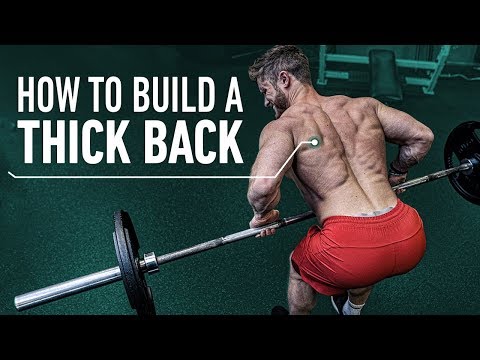
Pendlay Row Overview
The pendlay row works your lats. Your lats are the big wing muscles on your back. You bend over and pull a barbell off the floor. Each rep starts from a full stop on the ground. It also works your middle back, biceps, and forearms. You need a barbell and plates. The pendlay row builds real back power and thickness. The dead stop makes each rep strict. This teaches a strong, flat back position. It fits on a pull day after your big lifts. Start light and learn the hinge first. Skilled lifters get the most from it.
What Is The Point of the Pendlay Row?
The pendlay row builds serious pulling strength and a thick back. It targets your lats and middle back while improving your deadlift power off the floor.
How To Do The Pendlay Row
- Load a barbell on the floor with plates that put it at a good starting height, usually standard bumper or 45-pound plate height. Stand with your feet about hip-width apart, shins close to the bar.
- Hinge at your hips and knees to grab the bar with an overhand grip a bit wider than shoulder width. Your back should be flat and roughly parallel to the floor.
- Set your spine neutral, chest up, and shoulders pulled back. This flat, horizontal torso position is fixed for the whole rep, unlike a bent-over row where you stand more upright.
- Brace your core hard and take a big breath. Grip the bar tight and think about pulling the slack out before you move it.
- Explosively pull the bar off the floor toward your lower chest, driving your elbows back and up. The pull is powerful but your torso stays flat and still.
- Touch the bar to your lower chest or upper abdomen and squeeze your shoulder blades together hard. Do not let your torso rise up to meet the bar.
- Lower the bar back to the floor under control, keeping your back flat. Let it come to a complete, dead stop on the ground between reps.
- Reset your breath and brace before each rep, since every rep starts fresh from the floor. This dead-stop reset is what makes the Pendlay unique.
- Because each rep is explosive and starts from a dead stop, keep the reps crisp in the 5 to 8 range for 3 to 5 sets.
Pendlay Row Form Tips
- Keep your back flat and firm the whole time.
- Set your torso close to parallel with the floor.
- Pull the bar with power to your lower chest.
- Drive your elbows up and back on each pull.
- Squeeze your shoulder blades together at the top.
- Lower the bar with control. Let it fully stop on the floor.
- Keep your hips still. Do not stand up as you pull.
- Breathe out as you pull. Breathe in as you lower.
- Keep your head in line with your spine.
Common Mistakes to Avoid for the Pendlay Row
- Rounding your back to reach the bar. A flat torso parallel to the floor is the whole setup, and rounding under a heavy barbell risks real injury. Set a hard neutral spine and brace before every single rep off the floor.
- Standing up as you pull. Letting your torso rise turns the strict Pendlay into a sloppy bent-over row and kills the strength benefit. Keep your chest pointed at the floor and pull with your back while your hips stay put.
- Not letting the bar settle on the floor. If you bounce the bar or hover it between reps, you lose the dead-stop reset that defines this row. Let it come to a full stop each rep so every pull starts from a true dead position.
- Going too heavy for a flat back. Ego weight forces your hips to shoot up and your spine to round. Pick a load you can pull explosively while keeping your torso locked and parallel.
- Pulling with the arms only. Yanking with the biceps skips the powerful mid-back and lat contraction. Drive the elbows back and squeeze the shoulder blades to load the target muscles.
- Cutting the pull short of your chest. Stopping the bar low leaves the peak contraction unused. Pull it all the way to your lower chest or upper belly and squeeze.
- Jerking with a bent, weak setup. Trying to explode from a loose position leaks power and can tweak your back. Pull the slack out and get tight before you fire the bar upward.
- Craning the neck up. Looking straight ahead cranks the neck and encourages your torso to rise. Keep your neck in line with your spine and gaze at the floor a foot ahead of the bar.
- Using straps as a crutch too early. Leaning on straps before building grip can mask a weak setup. Build honest grip strength, then add straps for your heaviest sets when the back is the true limiter.
- Flaring the elbows wide. A wide elbow path rolls the shoulders and pulls tension off the mid-back. Track the elbows back along your ribs toward your hips.
- Holding your breath across multiple reps. Since each rep resets on the floor, take a fresh breath and brace each time. Skipping that reset leaves you weak and unstable on the next pull.
Pendlay Row Workout Tips
- Reset every rep on the floor. The dead stop is the point of the Pendlay, forcing you to generate power from scratch and building serious pulling strength.
- Keep your torso flat and locked the whole set. A parallel, unmoving back is what separates a strict Pendlay from a regular bent-over row.
- Pull explosively but stay controlled on the way down. Fire the bar up with power, then lower it back to the floor with a flat back rather than dropping it carelessly.
- Lead with your elbows and squeeze the shoulder blades. Driving the elbows back loads the lats and mid-back and builds thickness fast.
- Brace hard and take a fresh breath each rep. Because you reset on the floor, re-establish your tightness before every pull.
- Program it as a strength builder on pull day. The explosive, dead-stop nature makes it a favorite for building a powerful back and better deadlift off the floor.
- Keep the reps crisp in the 5 to 8 range for 3 to 5 sets. Lower reps suit the explosive, heavier nature of this row.
- Named after weightlifting coach Glenn Pendlay, who popularized it for building a strong, athletic back. It carries over well to Olympic lifts and heavy pulls.
- Add weight in small steps and never at the cost of a flat back. Progressive overload here builds real power, but a rounded spine erases the benefit.
- Use straps on your heaviest sets if grip is the limiter. Straps let the back keep working when your forearms would otherwise give out first.
- Keep your shins close to the bar at the start. Starting over the bar sets a strong pulling line and keeps the load balanced.
- Feel the mid-back and lats do the work. Chasing that mind-muscle connection ensures your back, not your arms, drives the explosive pull.
- Do not turn it into a bouncing rhythm row. The clean pause on the floor is what builds the strength, so resist the urge to touch and go.
- Film yourself from the side to check your torso angle. Video quickly reveals if you are standing up as you pull, which is easy to miss mid-set.
- Pair it with heavier deadlifts or as a deadlift accessory. The two moves reinforce each other and build a thick, powerful posterior chain.
- Warm up your hips and lower back thoroughly first. A few lighter hinge sets prepare your spine for the flat-back position under load.








Questions & Comments
Be the first to ask a question about this exercise.