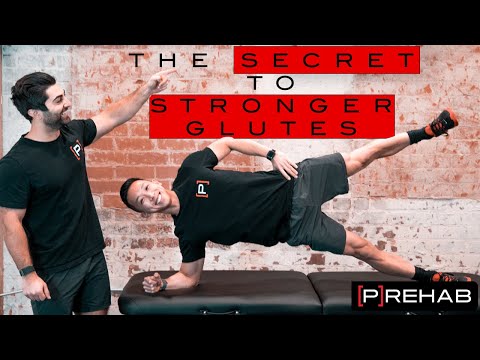
Side Plank Hip Adduction Overview
The side plank hip adduction is a core and hip move. You hold a side plank on your forearm and lift your top leg. It works your obliques, the muscles on the sides of your waist. It also works your inner thighs, abs, and glutes. You need no equipment. You just use your body and the floor. This move builds a strong, steady core and firm hips. Holding the side plank makes your whole side work hard. Lifting the top leg adds work for your hips. It fits well in a core workout. The side plank hip adduction is great for balance and stability. Beginners can drop the bottom knee to start.
What Is The Point of the Side Plank Hip Adduction?
The side plank hip adduction exercise builds core stability while working your inner thighs. It targets your obliques and adductors in one move.
How To Do The Side Plank Hip Adduction
- Set up in a side plank on your right forearm, with your elbow directly under your shoulder and your legs stacked and straight. This move blends a side plank hold with an inner thigh and oblique challenge.
- Lift your hips off the floor so your body forms a straight line from head to heels. Brace your core and squeeze so your hips do not sag toward the ground.
- Keep your bottom shoulder stable and your neck long, gazing forward. Set your top hand on your hip or reach it toward the ceiling for balance.
- From this stable side plank, lift your top leg up about 12 inches while keeping it straight. This targets the outer hip and glute of the top leg while your obliques hold the plank.
- Keep your core tight and your hips high the whole time so the plank does not collapse as you move the leg. Do not let your body rotate forward or back.
- Hold the raised leg position for a beat, feeling your obliques stabilizing and your hip working. Keep both legs straight and your body in one line.
- Lower your top leg back down with control to meet the bottom leg, maintaining the side plank throughout. Do not drop the leg or let your hips sag.
- Complete all your reps on one side, then switch to your other forearm and repeat. This is a strong core and hip builder, so aim for 10 to 15 controlled reps per side for 3 to 4 sets.
Side Plank Hip Adduction Form Tips
- Set your forearm right under your shoulder.
- Make a straight line from head to feet.
- Keep your hips lifted the whole time.
- Squeeze your core to stay steady.
- Lift your top leg straight up about 12 inches.
- Lower your top leg slow and controlled.
- Keep your body still as you lift the leg.
- Breathe steady the whole set.
- Keep your neck in line with your back.
Common Mistakes to Avoid for the Side Plank Hip Adduction
- Letting your hips sag toward the floor. Allowing the hips to drop breaks the side plank and takes the load off your obliques. Keep your hips lifted so your body stays in a straight line from head to heels, squeezing your core the whole time.
- Rotating your torso forward or back. Twisting your body as you lift the leg reduces the oblique work and makes you unstable. Keep your chest and hips facing forward and your body in one flat plane throughout.
- Bending the top leg. Letting the top knee bend shortens the lever and reduces the hip and glute work. Keep the top leg straight as you raise and lower it for the full challenge.
- Placing the elbow wrong. Setting your supporting elbow ahead of or behind your shoulder strains the joint and makes the plank unstable. Stack your elbow directly under your shoulder for a strong, safe base.
- Dropping the leg fast. Letting the top leg fall quickly wastes the lowering phase and can throw off your plank. Lower it under control to meet the bottom leg while holding your hips high.
- Losing the core brace. Relaxing your abs mid set lets your hips sag and your body wobble. Keep your core braced hard so the plank stays solid as your leg moves.
- Raising the leg too high with momentum. Kicking the leg up high uses momentum and can rotate your hips. Lift it a controlled 12 inches or so and keep the movement smooth and strict.
- Letting the bottom shoulder collapse. Sinking into the supporting shoulder stresses the joint and drops your position. Actively push away from the floor to keep your bottom shoulder stable and strong.
- Craning or dropping the neck. Letting your head sag or twisting to look around strains your neck. Keep your neck long and in line with your spine, gazing forward.
- Doing uneven work on each side. Giving more reps or effort to your stronger side builds an imbalance in your core and hips. Match your reps and control on both sides every time.
- Holding your breath. Locking your breath while holding the plank spikes your pressure and tires you faster. Keep breathing steadily while maintaining your brace throughout the set.
Side Plank Hip Adduction Workout Tips
- Keep your body in one straight line. Holding a rigid line from head to heels is what makes the side plank work your obliques, so squeeze your core and keep your hips lifted the whole time.
- Keep the top leg straight. A straight top leg gives you the full lever and maximizes the work on the outer hip and glute, so resist any urge to bend the knee.
- Stack your elbow under your shoulder. Placing the supporting elbow directly beneath the shoulder gives you a strong, stable base and protects the joint from strain.
- Brace your core hard throughout. A tight midsection keeps your hips from sagging and your body from wobbling, which lets you hold a solid plank while the leg moves.
- Control the leg on the way down. Lowering the top leg slowly to meet the bottom one keeps tension on the hip and stops your plank from collapsing, so never just drop it.
- Push away from the floor. Actively pressing your supporting shoulder away keeps it stable and strong, which protects the joint and holds your position high.
- Program it as a core and hip builder. This move works both your obliques and your outer hips at once, making it an efficient addition to your core or lower body accessory work.
- Match your work on both sides. Training each side evenly prevents a stronger side from taking over, so give both your obliques and hips equal reps and focus.
- Keep breathing steadily. Maintaining your brace while breathing keeps your pressure in check and lets you hold the plank longer with good form.
- Move slowly and with control. Deliberate leg raises keep the movement strict and the tension on the target muscles, so avoid kicking the leg up with momentum.
- Keep your hips facing forward. Preventing any torso rotation keeps the work on your obliques and hips and stops you from wobbling out of position.
- Progress by adding reps or a hold. Once the movement is easy, add reps, pause the leg at the top, or add an ankle band to keep challenging your hips and core.
- Use the mind muscle connection. Focus on your obliques holding the plank and your outer hip lifting the leg rather than just going through the motion, and you will feel it far more.
- Keep your neck long. Holding your head in line with your spine keeps the strain off your neck so you can focus on your core and hip.
- Pair it with other core anti-movement work. Combining this with planks and carries builds a core that resists bending and rotation, which protects your spine in every lift.
- Start with what you can hold cleanly. If the full plank is tough, drop to a knee to build strength, then progress to the straight leg version as your core improves.
- Be consistent for strong obliques and hips. A stable core and strong outer hips come from steady practice, so keep the reps controlled and both sides honest over time.








Questions & Comments
Be the first to ask a question about this exercise.