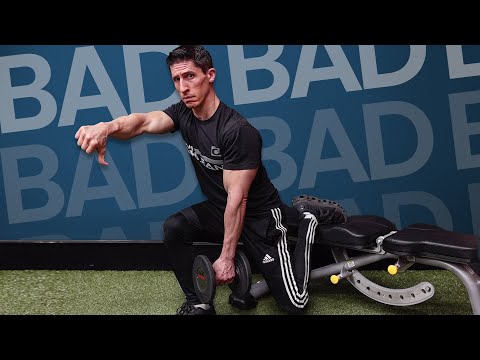
Bottoms Up 1 Kettlebell Split Squat Overview
The bottoms up 1 kettlebell split squat is a hard, tricky move. It builds your glutes, the muscles in your butt. It also builds your quads, on the front of your thighs. Your shoulders and belly work hard to hold the weight. You hold one kettlebell upside down by its handle. The bell points straight up the whole time. This move builds strong legs and rock steady balance. Holding the bell upside down is very hard. It makes your shoulder and grip work overtime. The bottoms up 1 kettlebell split squat is for advanced lifters. It fits well on a leg day. Use a light bell here. Control matters far more than heavy weight.
What Is The Point of the Bottoms Up 1 Kettlebell Split Squat?
The bottoms up 1 kettlebell split squat combines lower body strength with core stability. It builds leg power while forcing your whole body to work together.
How To Do The Bottoms Up 1 Kettlebell Split Squat
- Grab a kettlebell and hold it upside down by the handle in one hand, bell pointing straight up, so you have to grip hard to keep it balanced. This bottoms-up hold turns a split squat into a full-body stability challenge.
- Bring the kettlebell into a front-rack position with your elbow tucked and your forearm vertical. Squeeze the handle tightly so the bell stays balanced above your fist.
- Step back into a split stance with the same-side leg as the kettlebell hand, setting your feet about two to three feet apart. Your front foot is flat and your back foot rides up on the ball.
- Set your torso tall, brace your core hard, and take a breath. The unstable load demands a rock-solid trunk from the start.
- Lower straight down by bending both knees, dropping your back knee toward the floor. Keep your front shin close to vertical so the knee tracks over your mid-foot.
- Control the descent for about two seconds while keeping the kettlebell perfectly still and upright. Any wobble in the bell tells you your grip or brace slipped.
- Stop when your back knee hovers just above the ground, feeling the stretch in your front glute and quad. Keep the bell balanced the whole way.
- Drive up through your front heel to return to the start, staying tall and keeping the kettlebell steady overhead of your fist. Squeeze your front glute at the top.
- Finish your reps on that side, then switch the kettlebell and your stance. This advanced drill works best in lower reps of 5 to 8 per side for 3 sets, since grip and control fatigue fast.
Bottoms Up 1 Kettlebell Split Squat Form Tips
- Keep the bell pointed straight up the whole time.
- Keep your wrist firm and straight.
- Squeeze your grip hard to hold the bell steady.
- Keep your chest up and torso tall.
- Keep your front knee over your foot.
- Lower your back knee straight down.
- Push through your front heel to rise.
- Brace your belly to stay balanced.
- Breathe in as you lower. Breathe out as you stand.
Common Mistakes to Avoid for the Bottoms Up 1 Kettlebell Split Squat
- Letting the kettlebell wobble or tip. A shaky bell means your grip and brace have slipped, and chasing the balance while squatting is unsafe. Squeeze the handle hard and keep your wrist stacked so the bell stays perfectly upright throughout.
- Letting your front knee cave inward. Knee valgus stresses the joint and switches off the glute, and it is easy to miss while focused on the bell. Push your knee out over your toes and grip the floor with your front foot.
- Loading a kettlebell that is too heavy to balance. Too much weight makes the bottoms-up hold impossible and forces your form to break. Start light, since the challenge here is stability and grip, not maximum load.
- Leaning your torso forward. Folding forward not only stresses your back but also tips the kettlebell out of balance. Keep your torso tall and stacked so the bell stays steady above your fist.
- Pushing off the back foot. The rear leg is for balance, not power, and driving off it robs the front leg. Keep most of your weight in the front heel and let the front leg do the work.
- Rushing the reps. Speeding up wrecks both your knee tracking and your ability to keep the bell balanced. Move slowly and deliberately so your grip, core, and legs all stay in control.
- Losing your front-rack position. If your elbow flares out or drops, the kettlebell drifts and your shoulder gets loaded awkwardly. Keep your elbow tucked and your forearm vertical so the bell balances over your fist.
- Cutting the depth short. Half reps skip the deep stretch where the glute and quad really work. Lower until your back knee nearly touches, going as deep as your balance allows.
- Holding your breath and losing your brace. A soft trunk under an unstable load leaves your spine exposed and your balance shaky. Brace hard, breathe carefully, and keep the trunk tight throughout.
- Chasing high reps like a normal split squat. Grip and stability fatigue fast, and grinding long sets means sloppy, risky reps. Keep the reps low and crisp, ending the set when the bell starts to wander.
- Training your strong side harder. Favoring your dominant side builds imbalance in both strength and stability. Start with your weaker side and match its reps.
Bottoms Up 1 Kettlebell Split Squat Workout Tips
- Squeeze the handle as hard as you can. A crushing grip is what keeps the bell balanced and it fires up your whole arm and shoulder to stabilize.
- Keep your wrist stacked and forearm vertical. A neutral, upright wrist is the key to holding the bottoms-up position steady.
- Watch the bell as your feedback gauge. Any wobble means your grip or brace slipped, so it tells you instantly when to tighten up.
- Start with a light kettlebell. This is a stability and grip drill first, so leave the heavy loads for a normal split squat.
- Keep your front shin close to vertical. This protects the knee and puts more load on the glute, which is a key target.
- Drive up through your front heel. Heel pressure keeps the glute and quad working instead of your toes and knee.
- Program this as an advanced accessory for 3 sets of 5 to 8 per side, when you want to train legs, grip, and shoulder stability at once.
- Brace your core hard throughout. A tight trunk keeps you stable and keeps the kettlebell from drifting.
- Start with your weaker side and match its reps. This closes strength and stability gaps between sides.
- Keep your elbow tucked in the front rack. A solid rack position keeps the bell balanced over your fist and your shoulder safe.
- Move slowly and deliberately. Control is the whole point here, so a slower tempo makes the drill safer and more effective.
- The bottoms-up hold builds serious shoulder stability. Balancing the bell trains the rotator cuff and shoulder to stabilize under an awkward load.
- End the set when the bell starts to wander. Once your grip fatigues, the reps get risky, so stop while your control is still sharp.
- Master the regular split squat first. Earn this advanced version with solid single-leg strength before adding the bottoms-up load.
- Keep your gaze forward and steady. A calm focal point helps you manage the balance demand.
- Use it to build focus and control. The high concentration this drill demands carries over to your heavier, more technical lifts.








Questions & Comments
Be the first to ask a question about this exercise.