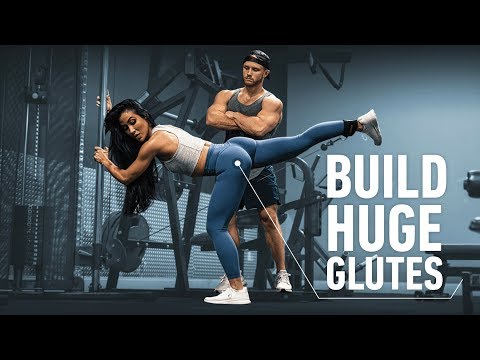
Cable Hip Extension Overview
The cable hip extension is a glute move on a cable machine. You cuff one ankle and kick your leg straight back. It works your glutes, your butt muscles. It also works your hamstrings, on the back of your thighs. You need a cable machine with a low pulley and an ankle cuff. It is a good move for beginners. This move targets one glute at a time. That helps fix strength gaps side to side. The steady cable keeps tension the whole way. It builds strong, shapely glutes. The cable hip extension fits on leg day or a glute day. Use light weight and slow reps to feel it work.
What Is The Point of the Cable Hip Extension?
The cable hip extension builds stronger glutes and improves hip power. It targets your glutes directly while keeping constant tension throughout the movement.
How To Do The Cable Hip Extension
- Attach an ankle cuff to the low pulley of a cable machine and strap it snugly around your working ankle. Set the weight light to start, since this is an isolation move for the glutes.
- Face the machine and hold onto the frame or a handle at about chest height for balance. Stand roughly an arm's length back so the cable has tension at the start.
- Set your posture by bracing your core and keeping a tall, flat back. Put a slight bend in your standing leg to keep that hip and knee stable.
- Shift your weight onto your planted leg and let the working leg come slightly forward, feeling a light stretch in the glute. This is your starting position.
- Drive the working leg straight back behind you by squeezing the glute, not by swinging your whole body. Lead the movement with your heel and keep the leg fairly straight.
- Extend until you feel your glute fully contract, usually when the leg is a bit behind your torso. Do not force it so far that your lower back arches to finish the rep.
- Squeeze the glute hard at the top for a beat. The peak contraction is where this exercise earns its keep, so pause and feel it.
- Return the leg forward under control over 2 to 3 seconds until you feel the stretch again. Keep tension on the cable the whole time rather than letting the stack slam down.
- Finish all your reps on one leg before switching sides. As a beginner glute builder, aim for 12 to 15 controlled reps per leg for 3 sets.
Cable Hip Extension Form Tips
- Keep your standing leg slightly bent for balance.
- Hold the frame lightly. Do not pull yourself with your arms.
- Drive your leg straight back, not out to the side.
- Squeeze your glute at the top of each rep.
- Keep your back flat. Do not arch it hard.
- Move only at your hip, not your lower back.
- Lower your leg slowly and with control.
- Keep your core a little tight the whole time.
- Breathe out as you kick back. Breathe in as you return.
Common Mistakes to Avoid for the Cable Hip Extension
- Swinging the leg back with momentum. Kicking the leg hard uses your hip flexors and lower back to fling it rather than your glute to drive it. Slow down, squeeze the glute, and control both directions of the rep.
- Arching the lower back to get more range. Cranking your spine to push the leg farther back turns a glute exercise into a lower back strain. Keep your core braced and your torso still, and stop where the glute is working.
- Using too much weight. Heavy load forces you to swing and lean, which takes the tension off the glute. Pick a light weight you can move slowly with a full squeeze.
- Bending the working knee to cheat the leg up higher. Letting the knee bend recruits the hamstring and shortens the lever. Keep the leg fairly straight so the glute stays the prime mover.
- Rounding forward or twisting the torso. Leaning over or rotating lets other muscles take the load and stresses your spine. Stand tall, square your hips, and keep your chest up.
- Rushing the return. Letting the stack yank your leg back forward wastes the eccentric and the stretch. Control a 2 to 3 second return and keep tension on the cable.
- Not squeezing at the top. Skipping the peak contraction leaves most of the benefit on the table. Pause and consciously squeeze the glute at full extension.
- Standing too close to the machine. Starting with slack in the cable means no tension at the beginning of the rep. Step back until the cable is taut in the starting position.
- Locking out the standing leg. A rigidly straight support leg is less stable and can stress the knee. Keep a soft bend in the planted leg for balance.
- Using your arms to pull yourself through the rep. Yanking on the frame turns the movement into a full-body cheat. Hold the frame lightly just for balance and let the glute do the work.
- Skipping the mind-muscle connection. Going through the motions without feeling the glute wastes the set. Focus on the working glute driving each rep and squeezing at the top.
Cable Hip Extension Workout Tips
- Treat this as pure glute isolation. The cable keeps constant tension through the whole range, which makes it excellent for feeling and building the glutes.
- Go light and slow. Lower weight with strict control beats heavy swinging every time for a small muscle like the glute.
- Squeeze hard at the top of every rep. Pausing at full hip extension maximizes the glute contraction and cleans up any momentum.
- Keep the working leg fairly straight. A straighter leg keeps the glute as the prime mover instead of handing work to the hamstring.
- Control the return for 2 to 3 seconds. The eccentric and the stretch at the bottom add real growth, so do not let the stack drop.
- Use the mind-muscle connection. Think about the glute squeezing your leg back rather than just moving your foot, and the reps get far more effective.
- Program these after your big lower body lifts. They shine as a finisher once your squats or hinges are done and your glutes are already warm.
- For the glutes, higher reps of 12 to 15 work well. This range builds a strong pump and lets you focus on the squeeze without heavy load.
- Add a slight forward lean at the hip to lengthen the glute. Hinging a touch can increase the stretch and make the contraction feel stronger.
- Progress with small weight jumps or more reps. Little increases keep the movement challenging without forcing you to swing.
- Match your reps on both legs. Training each side evenly prevents the imbalances that unilateral work is meant to fix.
- Keep your standing leg softly bent and stable. A stable base lets you focus all your attention on the working glute.
- Hold the frame only for balance. Using your arms to help defeats the isolation, so keep the grip light.
- Try a brief pause in the stretched position too. A moment at the bottom builds control and can improve your connection to the muscle.
- Pair with hip thrusts and bridges for full glute development. Combining a stretch-focused and a contraction-focused move covers the whole muscle.
- Stay consistent and focused. Glutes respond to steady, deliberate work, so bring your attention to every set.








Questions & Comments
Be the first to ask a question about this exercise.