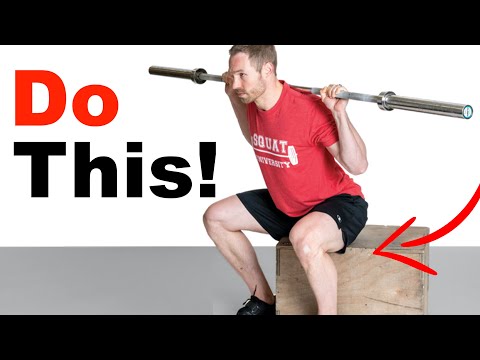
Box Squat Shown with Bench Overview
The box squat shown with bench is a squat you do over a bench. You set a bench behind you at about knee height. You sit back until your glutes touch the bench. Then you stand back up. It works your glutes, your butt muscles. It also works your quads, the big muscles on the front of your thighs. Your hamstrings and abs help too. This move is great for beginners. The bench teaches you how deep to go. It helps you learn to sit back the right way. It also builds strong legs and hips. You can do it early in a leg workout. It is a safe way to learn the squat pattern.
What Is The Point of the Box Squat Shown with Bench?
The box squat shown with bench exercise builds stronger glutes and quads while teaching proper squat depth. The bench helps you control the movement and perfect your form.
How To Do The Box Squat Shown with Bench
- Set a flat bench or sturdy box behind you at about knee height and stand a few inches in front of it with your feet shoulder-width apart. A box at knee height gives you a squat close to parallel, so raise or lower it to match the depth you can control.
- Point your toes out slightly, screw your feet into the floor, and take a big breath into your belly to brace your core hard. This tightness protects your spine and gives you a stable base to sit back onto.
- Set your shoulder blades back and keep your chest tall. Fix your eyes on a spot straight ahead so your head stays neutral rather than dropping or craning up.
- Begin the box squat shown with bench by pushing your hips back first, as if reaching your butt toward the bench behind you. Let your knees bend as your hips travel back, keeping your shins fairly vertical.
- Lower under control and aim for a smooth 2 to 3 second descent. Keep pushing your knees out in line with your toes so they never cave inward.
- Sit back and touch the bench softly with your glutes. Do not flop or crash down onto it, which rounds your back and jars your spine.
- Stay tight and pause for a beat on the bench without fully relaxing. Keep your core braced and your chest up so you do not lose your rigid torso.
- Drive through your heels and mid-foot, squeeze your glutes, and stand tall. Push the floor away and keep your hips and chest rising together so you do not tip forward.
- Reach full hip extension at the top, reset your breath, and begin the next rep. Beginners do well in the 8 to 12 rep range for 3 to 4 sets.
Box Squat Shown with Bench Form Tips
- Push your hips back first. Do not bend your knees first.
- Keep your chest up the whole time. Do not fold forward.
- Sit back to the bench softly. Do not crash down onto it.
- Keep your weight on your heels. Do not let it roll to your toes.
- Keep your knees in line with your toes. Do not let them cave in.
- Brace your belly tight. This keeps your lower back safe.
- Breathe in on the way down. Breathe out as you stand up.
- Move slowly down and with power up. Control beats speed.
- Keep your feet flat and planted. Do not lift your heels.
Common Mistakes to Avoid for the Box Squat Shown with Bench
- Crashing down onto the bench instead of sitting softly. Dropping your full weight onto the box rounds your lower back and sends a jarring compression up your spine at the worst moment. Control the descent and touch down lightly, staying tight the whole time so your muscles keep the tension, not the bench.
- Bouncing off the bench to start the next rep. Rocking backward and springing off the box uses momentum and cheats the muscles out of the hardest part of the lift. Come to a real pause, stay braced, then drive up from a dead stop so your glutes and quads do the work.
- Letting your knees cave inward on the way up. Knees that collapse toward each other stress the ligaments and leak power from your hips. Actively push your knees out in line with your toes throughout the rep, and lighten the load if you cannot hold that position.
- Setting the box too low too soon. Chasing depth you cannot control makes you round your lower back to reach the bench, which is exactly where squat injuries happen. Start at a height you can hit with a flat back and only lower the box as your control improves.
- Squatting straight down instead of sitting back. Dropping your hips straight down turns the box squat into a regular squat and buries the point of the drill, which is loading the hips. Lead with your hips traveling backward and treat the knee bend as secondary.
- Losing your brace on the bench. Fully relaxing your abs while you sit means you start the drive with a soft, unsupported spine. Keep a hard belly brace the entire time you are in contact with the box, then explode up while still tight.
- Letting your chest fall toward the floor as you stand. If your hips shoot up and your chest drops, the lift becomes a good morning and hammers your lower back. Keep your chest and hips rising at the same rate and think about pushing your upper back into an imaginary bar.
- Rising onto your toes during the drive. Coming forward onto the balls of your feet throws you off balance and shifts load off your glutes. Keep your whole foot planted and push through your heels and mid-foot to stay stacked over your base.
- Cutting the pause short and rushing the reps. Sprinting through box squats defeats the purpose, which is teaching a strong, controlled bottom position. Own the tempo, pause on the box, and make each rep deliberate.
- Looking up or dropping the head. Cranking your neck to stare at the ceiling or dropping your chin to your chest pulls your spine out of a neutral line. Pick a fixed point straight ahead and keep your head in line with your torso.
- Setting your feet too narrow to sit back. A stance that is too close together makes it hard to hinge your hips toward the bench without tipping forward. Take a shoulder-width stance with toes slightly out so you have room to sit into your hips.
Box Squat Shown with Bench Workout Tips
- Use the box as a target, not a resting bench. The goal is to teach your body to sit back into your hips and pause under control, so touch it lightly and stay tight rather than plopping down and relaxing.
- Set the box height to match your ability. A higher box is friendlier for beginners and rounds off the lower back risk, while a lower box builds strength deeper in the range once you have earned it.
- Master the hip hinge here first. The box squat is a fantastic teaching tool because it forces you to push your hips back, a habit that carries straight over to a stronger free squat.
- Keep a hard brace from top to bottom. Take a big breath into your belly, brace like you are about to be punched, and hold it until you stand tall, which protects your spine and adds real stability.
- Drive from a dead stop off the box. Pausing and then exploding up trains power out of the bottom and kills any tendency to bounce, which is why many strength coaches love this variation for building a bigger squat.
- Push your knees out throughout the rep. Cueing your knees to track over your toes keeps your hips loaded and protects your knees from caving under the weight.
- For general strength and size, keep reps in the 8 to 12 range for 3 to 4 sets. Drop to 5 to 6 heavier reps if pure strength is your goal.
- Progress by adding small amounts of weight or a bit of depth over time. Progressive overload works here too, but only add load once your control at the current height is solid.
- Film your sets from the side. A quick phone video shows whether you are truly sitting back and whether your chest and hips are rising together far better than how it feels.
- Try holding a light dumbbell or plate at your chest as a goblet load. The front load acts as a counterbalance and helps beginners sit back and stay upright.
- Pause for a full second on the box. That deliberate stop teaches you to own the bottom position and builds confidence in a range most people rush through.
- Keep your weight on your heels and mid-foot. If you feel your heels lifting, sit back more and the load will settle where it belongs.
- Use box squats to rebuild after time off or to groove technique on lighter days. The controlled depth and pause make them a smart, joint-friendly choice when you want quality reps.
- Breathe in a rhythm you can repeat. Inhale and brace at the top, hold through the descent and drive, then exhale near the top and reset for the next rep.
- Squeeze your glutes hard at the top of every rep. Finishing tall with a firm glute squeeze reinforces full hip extension and teaches you to complete the lift.
- Be consistent and patient. The box squat builds the exact habits that make free squats safer and stronger, so a few months of clean reps pay off across all your lower body training.








Questions & Comments
Be the first to ask a question about this exercise.