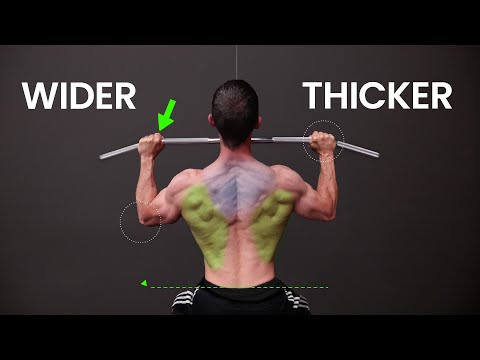
V Bar Pull Down Overview
The v bar pull down is a pulling move for your back. It mainly works your lats, the big wing muscles on the sides of your back. It also works your middle back and your biceps. Your biceps are on the front of your arms. You sit at a lat pulldown machine. You grab a v-shaped bar with both palms facing in. You pull it down to your chest. The v bar pull down builds a wide, strong back. The close, neutral grip lets you pull with power. It gives a deep stretch and a strong squeeze. This is a good beginner move. It fits well on a back or pull day. Do it after heavy rows or pull ups. It helps build the base for a pull up.
What Is The Point of the V Bar Pull Down?
The v bar pull down builds a wide, strong back by targeting your lats. It's perfect for beginners who can't do pull-ups yet and want to build pulling strength.
How To Do The V Bar Pull Down
- Attach a v bar to the high pulley of a lat pulldown station and set the thigh pad so your legs are pinned snugly. Grab the v bar with both hands, palms facing each other in a neutral grip.
- Sit down with your thighs locked under the pad and your feet flat on the floor. Reach up, take the handle, and let your arms extend fully so you feel a stretch in your lats at the top.
- Set your chest up and pull your shoulders down and back before you pull. Take a breath and brace your core so your torso stays stable and does not swing.
- Lead the pull by driving your elbows down toward your ribs, not by yanking with your hands. Think about pulling your shoulder blades down first so the lats initiate the movement.
- Pull the v bar down toward your upper chest, keeping a slight backward lean in your torso but not swinging. Keep the bar path smooth and under control the whole way down.
- Bring the handle to your upper chest and squeeze your shoulder blades together at the bottom. Hold this contracted position for one full second and feel your lats and mid-back working.
- Let the weight back up slowly under control, taking about two seconds and allowing your arms to fully extend. Feel your lats stretch at the top before the next rep.
- Keep tension through the lats and avoid clanking the stack between reps. The v bar pulldown builds well in the 8 to 15 rep range for 3 to 4 sets.
V Bar Pull Down Form Tips
- Sit tall with your chest up and proud. Do not slump.
- Pull with your elbows, not your hands. Think of your hands as hooks.
- Drive your elbows down toward your ribs. This hits your lats hard.
- Pull the bar to your upper chest. Do not pull it behind your neck.
- Squeeze your shoulder blades together at the bottom. Hold for a beat.
- Lean back just a little. Do not swing your whole body.
- Move slow both ways. Fast reps use momentum, not muscle.
- Let the bar rise slowly and stretch your lats at the top.
- Breathe out as you pull down. Breathe in as you let it rise.
- Keep your core braced to stay steady.
Common Mistakes to Avoid for the V Bar Pull Down
- Yanking with your arms instead of your back. Pulling with the hands and biceps means the lats barely fire and your arms give out first. Start each rep by driving your elbows down and pulling your shoulder blades toward your spine so the back leads.
- Swinging your torso to heave the weight down. Rocking back and forth to fling the bar is momentum, not muscle, and it hides how weak the lats really are. Keep a slight steady lean and brace your core so the lats do the honest work.
- Pulling the bar behind your neck. Dragging the v bar behind your head cranks the shoulders into a bad position and can strain the joint. Always pull the handle down to your upper chest with a slight backward lean.
- Using too heavy a stack. Overloading forces you to swing, cut the range, and pull with your arms. Pick a weight you can pull to your chest with your back leading and a real squeeze at the bottom.
- Cutting the range short at the bottom. Stopping the bar above your chest never fully contracts the lats and mid-back. Pull all the way to your upper chest and squeeze the shoulder blades together on every rep.
- Not letting the arms fully extend at the top. Skipping the stretch at the top shortens the range and skips the lengthened position where growth happens. Let your arms straighten fully and feel the lat stretch before each pull.
- Rushing the lowering phase. Letting the stack yank your arms up fast wastes the eccentric and can jerk the shoulders. Control a roughly two second return and resist the weight the whole way up.
- Shrugging your shoulders up at the top. Letting the traps hike your shoulders toward your ears takes tension off the lats and stresses the neck. Keep your shoulders pulled down and back as you initiate each pull.
- Losing your core brace and slumping. A soft, rounded torso puts your lower back in a weak position and lets the movement get sloppy. Brace your core and keep your chest up so the pull stays clean.
- Flaring your elbows way out to the sides. Letting the elbows drift wide shifts work off the lats and onto other muscles. Drive the elbows down toward your ribs to keep the lats as the prime mover.
- Holding your breath the whole set. Bearing down without breathing adds tension for no benefit. Exhale as you pull the bar down and inhale as you return under control.
V Bar Pull Down Workout Tips
- Lead every pull with your elbows. Driving the elbows down toward your ribs keeps the lats as the prime mover and stops the biceps from taking over, which is the top fix for feeling this in your back.
- Use the neutral grip to your advantage. The v bar's palms-in grip is comfortable on the shoulders and elbows and lets you pull hard while keeping the lats in a strong line of pull.
- Pull the bar to your upper chest, never behind the neck. A front pull to the chest is safer for the shoulders and lets you squeeze the lats and mid-back fully at the bottom.
- Add a one second squeeze at the bottom. Pausing with your shoulder blades pulled together kills momentum and teaches you to feel the lats and mid-back contract hard.
- Let your arms fully extend at the top. Allowing a full stretch each rep works the lats in the lengthened position, which is where a lot of back growth happens.
- Use a slow two second return. Owning the eccentric keeps tension on the lats and builds more muscle from the same weight than letting the stack snap you up.
- Chase the mind-muscle connection. Think about your lats pulling your elbows down, since feeling the target muscle work is one of the oldest reliable ways to build a wide back.
- Program it on pull or back days. It works well as a main vertical pull or as an accessory after chin-ups, especially if you want to build lat width and thickness.
- Live in the 8 to 15 rep range for 3 to 4 sets. This range builds the lats well, and the neutral grip lets you focus on a strong squeeze rather than fighting the bar.
- Keep your shoulders pulled down throughout. Packing the shoulders down stops the traps from taking over and keeps the lats loaded through the full pull.
- Brace your core and keep a slight lean. A stable, slightly leaned-back torso lets the lats work through a good range without turning the rep into a full-body swing.
- A great stepping stone toward pull-ups. Building lat strength here carries straight over to bodyweight pulling, so use it to develop the strength for chin-ups and pull-ups.
- Do not train to failure every set. Leaving a rep in the tank keeps your form clean and lets you accumulate quality back volume across the week.
- Progress with small, steady jumps. Add weight only once your current load moves smoothly with your back leading, since controlled overload drives long-term lat growth.
- Squeeze the handle firmly. A tight grip sends a stability signal up the arm and helps you pull more weight while keeping the shoulders stable.
- Warm up the lats and shoulders first. A couple of lighter pulldowns groove your bar path and wake up the back so your working sets feel strong and connected.








Questions & Comments
Be the first to ask a question about this exercise.