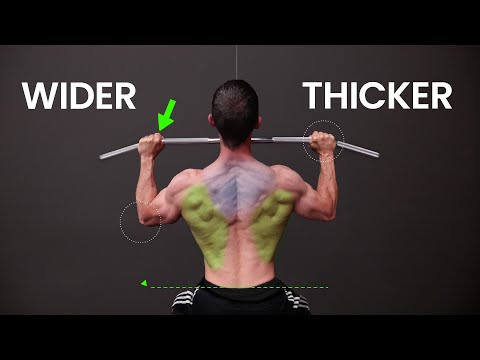
V Bar Lat Pulldown Overview
The v bar lat pulldown builds your lats. The lats are the big wing muscles on the sides of your back. This move also works your biceps and middle back. The middle back is the area between your shoulder blades. You use a cable machine with a V-bar. Your palms face each other on the bar. You pull the bar down to your chest. You need a lat pulldown machine and a V-bar handle. The v bar lat pulldown is a great back builder. The close grip gives a strong squeeze at the bottom. It builds width and thickness in your back. It is friendly for beginners too. Use it on a back day or a pull day. It teaches you to pull with your back, not just your arms. Keep the reps slow and feel your lats work.
What Is The Point of the V Bar Lat Pulldown?
The v bar lat pulldown builds a wider, stronger back by targeting your lats. It also works your biceps and helps improve your pull-up strength.
How To Do The V Bar Lat Pulldown
- Attach a V-bar to the lat pulldown cable and set the thigh pad so it pins your legs down snugly. Sitting locked in keeps you from bouncing and lets your lats do the work.
- Stand up, grab the V-bar with both palms facing each other, then sit down with your arms extended overhead. The neutral grip is easy on the shoulders and lets you pull deep.
- Set your posture by lifting your chest, pulling your shoulders down and back, and leaning your torso back just slightly to create a natural arch. Brace your core to stay stable.
- Before you pull, think about depressing your shoulder blades, meaning pull them down away from your ears. Starting the movement from the shoulder blades is what puts the lats in charge.
- Pull the V-bar down toward your upper chest by driving your elbows down and back, not by yanking with your arms. Keep the bar close to your body on the way down.
- Bring the bar to your upper chest and squeeze your shoulder blades together and down at the bottom. Hold that contraction for a beat and feel your lats work fully.
- Let the bar rise back up under control for about 2 to 3 seconds, allowing your shoulder blades to travel up and your lats to stretch at the top. Do not let the weight yank your arms straight.
- Keep your torso angle steady rather than heaving back and forth. Repeat for smooth, controlled reps, working in the 10 to 15 range for a few sets.
V Bar Lat Pulldown Form Tips
- Keep your chest up and proud the whole time.
- Lean back just a little. Do not swing back and forth.
- Pull the bar to your upper chest, not your belly.
- Drive your elbows down and back to lead the pull.
- Squeeze your shoulder blades together at the bottom.
- Keep your wrists straight and firm.
- Lower the bar slowly. Feel the stretch at the top.
- Breathe out as you pull. Breathe in as you lower.
- Keep your feet flat and your thighs under the pad.
Common Mistakes to Avoid for the V Bar Lat Pulldown
- Yanking with the arms instead of the back. If you start the pull by bending your elbows and thinking about your hands, your biceps take over and your lats barely fire. Start each rep by driving your elbows down and pulling your shoulder blades down, so the lats lead.
- Using body swing to move the weight. Heaving your torso back and forth to fling the bar down uses momentum instead of muscle and can strain your lower back. Keep your torso angle steady and let a controlled pull do the work.
- Letting the shoulders shrug up at the top. If your shoulders ride up toward your ears at the top of each rep, your traps take over and the lats never stretch or engage properly. Actively pull your shoulder blades down before you begin the pull.
- Pulling the bar too low toward your belly. Dragging the V-bar down to your stomach changes the angle and turns it into more of a row than a lat pulldown. Bring it to your upper chest so the lats work through the intended range.
- Going too heavy and losing form. Overloading forces you to swing and use momentum, which drops the tension off the lats and onto your joints. Pick a weight you can control and actually feel in your back.
- Cutting the range short at the top. Stopping before your arms are extended skips the stretch that makes the lats grow. Let the bar rise until your arms are nearly straight and your lats lengthen every rep.
- Not securing the thigh pad. Loose legs let you rise off the seat and bounce, killing your stability and your ability to isolate the lats. Lock the pad down over your thighs before you start.
- Rushing the eccentric. Letting the weight snap you back up wastes the muscle-building lowering phase and yanks the shoulder. Control the bar up for 2 to 3 seconds each rep.
- Leaning too far back. Reclining excessively turns the movement into a horizontal row and loads the lower back. Keep just a slight lean so the pull stays vertical and lat-focused.
- Gripping loosely and losing tension. A weak grip lets the bar shift and breaks your mind-muscle connection with the back. Squeeze the handles firmly so you can drive the elbows down with intent.
- Holding your breath every rep. Bracing without breathing on higher-rep sets leaves you lightheaded and weak. Breathe out as you pull down and in as the bar rises to stay steady.
V Bar Lat Pulldown Workout Tips
- Start every rep from your shoulder blades. Pulling them down and back first is the single best cue for making the lats lead instead of the arms.
- Use the neutral V-bar grip for a strong, shoulder-friendly pull. The palms-facing position lets you pull deep to the chest and often feels stronger than a wide overhand grip.
- Chase the mind-muscle connection. Think about your lats pulling your elbows toward your hips, since feeling the target muscle work is one of the most reliable ways to build a bigger back.
- Drive your elbows down and back, not your hands. Focusing on elbow path keeps the lats in charge and takes pressure off the biceps.
- Squeeze at the bottom for a full beat. A deliberate contraction at your chest teaches your lats to fully shorten and adds quality to every rep.
- Control the stretch at the top. Letting your lats lengthen under control on the way up primes them for a stronger contraction and builds the muscle through a full range.
- This is a great beginner back builder. The fixed path and locked-in seat make it easier to learn the feel of your lats than a free-weight pull-up.
- Work in the 10 to 15 rep range for growth. Moderate reps with a strong squeeze build the lats better than heavy, swinging low-rep sets.
- Use it as a stepping stone to pull-ups. Building lat strength here directly carries over to being able to pull your own bodyweight.
- Keep just a slight backward lean. A small arch opens the chest for the bar without turning the move into a rowing motion.
- Progress with small weight jumps or extra reps. Steady, controlled overload builds your back without forcing you to swing heavier loads.
- Try a pause rep variation. Holding the bottom contraction for two seconds on some sets deepens the lat activation and exposes any cheating.
- Film yourself from the side. Video quickly reveals body swing and shrugging shoulders that are hard to feel while you pull.
- Squeeze the handle firmly through the set. A tight grip stabilizes the pull and helps you feel the back rather than just the arms.
- Do not train to failure every set. Leaving a rep in reserve keeps your form crisp and your shoulders healthy for the rest of your back work.
- Be patient and consistent. A wide, thick back is built over months of steady lat work, so keep showing up and adding a little at a time.








Questions & Comments
Be the first to ask a question about this exercise.