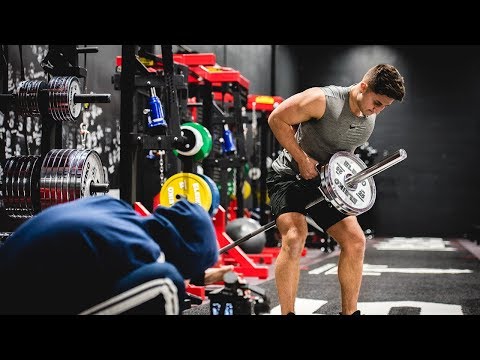
T Bar Row Machine Overview
The t bar row machine builds your back. It works your lats, the big wing muscles on the sides of your back. It also works your middle back and your biceps. The biceps are the muscles on the front of your arms. You bend over and pull a loaded bar toward your chest. You use the t bar row machine and plates. This move is great for beginners. The fixed bar keeps your path steady. That lets you pull heavy with good form. The t bar row machine builds a thick, wide back. It also helps your posture. Do it on back day or pull day. It works well as a main back move. Keep your back flat and pull with control.
What Is The Point of the T Bar Row Machine?
The t bar row machine exercise builds a strong, wide back by targeting your lats and middle back muscles. It helps create that V-shape and improves your pulling power.
How To Do The T Bar Row Machine
- Load the T-bar row machine with your plates and stand over the bar with your feet about shoulder-width apart. Position yourself so the handles are between your legs and you can reach them comfortably.
- Bend at your hips and knees to grab the handles with both hands using a neutral grip. Push your hips back and set a flat back with your chest up, hinging forward at the torso.
- Brace your core hard and set your shoulders down. Let your arms hang straight so your lats get a good stretch at the bottom, and take a breath before you pull.
- Pull the weight up toward your lower chest and upper abs by driving your elbows back. Lead with the elbows so your back muscles, not your arms, do the work.
- As you pull, squeeze your shoulder blades together and keep the weight close to your body. Drive through the full range until the plates are near your torso.
- Pause for about one second at the top with your shoulder blades pinched together. This peak contraction builds the thickness in your mid-back and lats.
- Lower the weight slowly back to the stretched starting position, taking two to three seconds. Let your shoulder blades open and your lats stretch without losing your flat back.
- Keep your torso angle steady and your back flat the whole set, avoiding the urge to stand up and heave the weight. Do not round your lower back at any point.
- Finish your reps with smooth control. Aim for 8 to 12 reps for three to four sets for solid back size and strength.
T Bar Row Machine Form Tips
- Keep your back flat the whole time.
- Bend at your hips and knees for a strong base.
- Pull the weight toward your lower chest and upper abs.
- Drive your elbows back, not out wide.
- Squeeze your shoulder blades together at the top.
- Move slow both ways. No jerking.
- Keep your chest up and core tight.
- Breathe out as you pull.
- Lower slow and feel your lats stretch.
Common Mistakes to Avoid for the T Bar Row Machine
- Rounding the lower back under load. Letting your back round in the hinged position puts your spine at risk while it holds a loaded row. Set a flat back with your chest up and brace hard so your spine stays neutral the whole set.
- Standing up and heaving the weight with momentum. Jerking your torso upright to fling the weight up turns a strict row into a swing that robs the back. Keep your torso angle fixed and let only your arms move.
- Pulling with your arms instead of your back. When your biceps and hands do the pulling, the lats get shortchanged and your arms tire first. Lead with your elbows and think about your back initiating the row.
- Cutting the range short at the bottom. Failing to let your arms straighten and your lats stretch skips the loaded stretch that drives growth. Let the weight come all the way down until your lats stretch, then pull.
- Not squeezing the shoulder blades at the top. Stopping short of a full contraction misses the mid-back squeeze that builds thickness. Pinch your shoulder blades together and pause at the top of each rep.
- Going too heavy and losing your position. Overloading the machine makes you round, heave, and lose the squeeze. Pick a weight you can row with a flat back and full control through the whole range.
- Rushing the lowering phase. Dropping the weight fast wastes the eccentric and can strain the back at the bottom. Control the descent for two to three seconds and keep your back flat.
- Setting your feet too close or too far. Poor foot placement throws off your balance and your hinge under the load. Set a stable shoulder-width stance so you have a solid base to row from.
- Shrugging the traps up instead of rowing back. Hiking your shoulders toward your ears takes the movement off the lats and mid-back. Keep your shoulders down and drive the elbows back and down.
- Holding your breath through heavy reps. Locking your air the whole set spikes pressure and leaves you lightheaded in a hinged position. Brace, then exhale as you pull and inhale as you lower.
- Letting the weight drift away from your body. Any gap between the weight and your torso lengthens the lever and strains your back. Keep the handles tracking close to your body as you pull.
T Bar Row Machine Workout Tips
- Use the T-bar row to build serious mid-back thickness. The neutral grip and heavy loading make it one of the best moves for adding density to your lats and mid-back.
- Lead every pull with your elbows, not your hands. Driving the elbows back keeps the lats and mid-back working and stops your biceps from taking over.
- Squeeze your shoulder blades together at the top. That hard contraction builds the thickness and posture that define a strong back, so pause and pinch each rep.
- Let your arms fully extend at the bottom for a real stretch. Loading the lats in their stretched position is a big driver of growth and makes the row more effective.
- Keep a flat, braced back throughout. A neutral spine is non-negotiable in the hinged position, so brace hard and hold your chest up the whole set.
- Control the lowering for two to three seconds. Resisting the descent keeps the back under tension and protects your spine at the bottom.
- Program T-bar rows as a horizontal pulling staple. They pair well with vertical pulls like pull-ups to build a complete, balanced back.
- Stay in the 8 to 12 rep range for three to four sets. That moderate rep work with a strong squeeze and full stretch builds back size well.
- Keep the weight close to your body as you pull. A close path protects your back and keeps the power flowing straight into the lats.
- Use straps for your heaviest sets if your grip fails first. When your goal is to overload the back, straps let you keep pulling after your hands would give out.
- Chase the mind-muscle connection with your back. Feeling the lats and rhomboids work rather than just moving weight is a reliable way to build a bigger back.
- Try different grip widths over time. Narrow neutral grips bias the lats while wider grips hit more of the upper back, so vary them for complete development.
- Keep your torso angle steady as a quality check. If you find yourself standing up to move the weight, it is too heavy or you are cheating.
- Add small load or reps over time. Progressive overload builds the back over months far better than heaving big weight with sloppy form.
- Balance your pulling with your pressing volume. Matching rows to your presses keeps your shoulders healthy and your posture upright.
- Be consistent and let the back grow. Thickness comes from steady quality volume over months, so keep showing up and progressing.








Questions & Comments
Be the first to ask a question about this exercise.