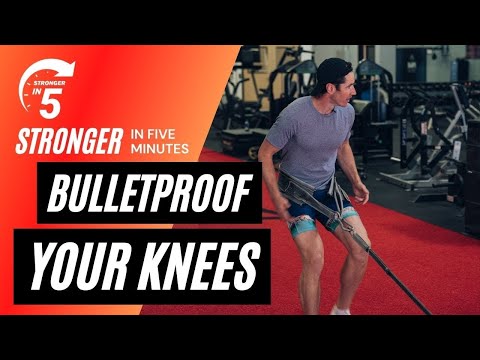
Reverse Sled Drag Overview
The reverse sled drag builds strong legs and a tough engine. You pull a loaded sled while walking backward. It mainly works your quads. Your quads are the big muscles on the front of your thighs. It also works your glutes, calves, and abs. You just need a sled with straps or a rope. This move builds leg strength with little joint stress. There is no lowering part, so your muscles just push and pull. That makes it easy on your knees. The reverse sled drag fits at the end of a leg day. It also works as hard cardio. Athletes love it for strong, springy legs.
What Is The Point of the Reverse Sled Drag?
The reverse sled drag builds massive quad strength while torching calories. It's one of the best exercises for developing lower body power and conditioning.
How To Do The Reverse Sled Drag
- Load the sled with a moderate weight and attach a rope or two handles at about waist height. Start lighter than you think, because backward dragging builds up fast and your quads will let you know.
- Face the sled and grab the handles or rope with both hands, arms fairly straight but not locked. Set your feet about hip-width apart with your weight in the balls of your feet.
- Lift your chest, pull your shoulders back, and brace your core so your torso stays tall. Lean back slightly against the load to create tension on the strap.
- Begin walking backward with short, deliberate steps, driving your feet down and back into the ground. The backward direction throws the work onto your quads, so expect a deep burn on the front of your thighs.
- Push through the ball of each foot and extend your knee hard on every step. Think about pressing the ground away rather than just stepping.
- Keep steady tension on the sled the entire time so it never stalls or lurches. Smooth, continuous drive beats jerky yanks that break your rhythm.
- Stay tall and resist the urge to hunch over the strap. A rounded, folded posture kills your leg drive and loads your lower back.
- Continue for your target distance or time, whether that is a set number of steps, a marked lane, or a 20 to 40 second push. Keep your breathing rhythmic rather than holding it.
- Rest until your legs feel fresh, then repeat for several passes, adding weight or distance only once your form and pace hold up.
Reverse Sled Drag Form Tips
- Keep your chest up and eyes forward. A tall chest saves your back.
- Take small, quick steps. Short steps keep steady tension.
- Push through the balls of your feet. Feel your quads drive each step.
- Keep your core tight the whole way. This holds your body steady.
- Lean back just a little. Let your legs do the work, not your arms.
- Keep tension on the rope always. Do not jerk or let it go slack.
- Bend your knees a bit as you pull. Stay low and strong.
- Breathe in a steady rhythm. Do not hold your breath.
- Keep your steps even on both legs. This shares the work.
Common Mistakes to Avoid for the Reverse Sled Drag
- Loading the sled too heavy for backward work. Reverse dragging taxes the quads and knees quickly, and too much weight turns smooth steps into a grinding stall. Start light, keep the sled moving continuously, and add plates only once your pace stays strong.
- Hunching over the strap. Folding forward at the waist kills your quad drive and dumps the load onto your lower back. Stand tall, lift your chest, and lean back against the sled so your legs do the work.
- Taking huge, lurching steps. Overstriding backward makes you jerk the sled and lose the constant tension that makes this drill so effective. Use short, quick, deliberate steps and keep the sled gliding.
- Stepping flat-footed or on your heels. Driving off the heels shuts down the quads and makes the sled feel heavy and clumsy. Push through the balls of your feet and extend the knee hard on each step.
- Letting the sled stall between steps. When the sled stops and starts, you lose the smooth tension that keeps your quads under load. Keep constant pressure so it moves as one continuous drag.
- Locking your knees at the top of each step. Snapping the joint straight and hanging on it stresses the knee instead of the muscle. Keep a soft, controlled extension and stay in charge of the movement.
- Holding your breath and grinding. Bracing so hard you stop breathing gasses you out fast and shortens the set. Breathe rhythmically with your steps so you can sustain the drive.
- Looking down at your feet the whole time. Dropping your head pulls your chest down and rounds your posture. Keep your eyes up and your torso tall so your spine stays neutral.
- Letting your arms do the pulling. Yanking with the arms and shoulders wastes energy that should go into your legs. Keep your arms as fairly rigid links and let your legs drive the sled.
- Going too far and losing form on the last steps. Chasing distance past the point of good technique just grooves sloppy mechanics and fries your knees. Stop the pass when your posture or step quality drops.
- Skipping a proper warm-up. Cold quads and knees do not love heavy backward loading right away. Do a few lighter passes or some bodyweight squats first to prime the legs.
Reverse Sled Drag Workout Tips
- Use the reverse drag as a knee-friendly quad builder. Because it is nearly all concentric with little pounding, it grows and conditions the quads while going easy on the joints, which makes it great for beginners and rehab alike.
- Keep your steps short and quick to hold constant tension. A smooth, gliding sled keeps the quads under continuous load, which is exactly what drives the burn and the adaptation.
- Push through the balls of your feet and extend the knee hard. This is the cue that shifts the work onto the quads and gives you that deep front-of-thigh pump.
- Stay tall with your chest up the whole way. Good posture protects your lower back and keeps your legs, not your spine, doing the driving.
- Program it as a finisher after squats or leg presses. A few heavy passes torch whatever the big lifts left behind and add quality volume without much joint stress.
- Use it for conditioning by going lighter and faster over longer distances. Sled work doubles as low-impact cardio that builds legs while raising your heart rate.
- Progress by adding distance before you add weight. Longer passes at a controlled load build work capacity, and once that is easy, add plates.
- Try short, heavy pushes for strength and power. Loading up for 20 to 40 seconds of hard, deliberate steps builds serious quad strength.
- Mark out a lane or set a distance so your sessions are repeatable. Tracking passes over the same distance shows real progress week to week.
- Pair reverse drags with forward drags in the same session. Facing forward hits the posterior chain, so alternating gives your legs balanced work.
- Keep your breathing rhythmic and tied to your steps. Steady breath lets you sustain longer, harder passes without gassing out early.
- Rest enough between passes to keep quality high. This is not meant to be a breathless slog, so recover until your legs feel fresh and your steps stay crisp.
- Watch your knee tracking on turf or rough ground. Keep your knees pointing over your toes and pick even surfaces so the joint stays happy.
- Wear grippy shoes and use turf or a smooth floor. Good traction lets you drive hard without slipping, which keeps every step productive.
- Use it on lower-body days or as active recovery. Light backward dragging pushes blood through the quads and can leave stiff legs feeling better.
- Stay consistent and the quads will respond. Sled work is simple but brutal, and steady weekly exposure builds strong, durable legs over time.








Questions & Comments
Be the first to ask a question about this exercise.