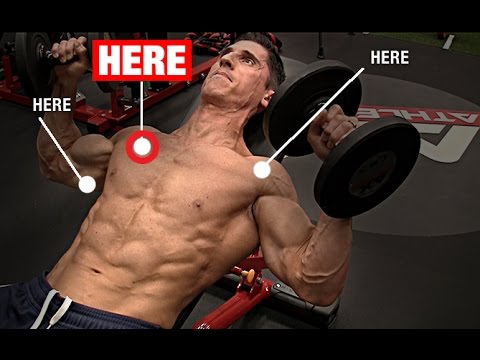
Incline Chest Press Machine Overview
The incline chest press machine builds a strong upper chest. It works your chest muscles most of all. It also works your triceps and your shoulders. Your triceps are the backs of your upper arms. You sit on the machine and push the handles up and away. The machine guides the path for you. The incline chest press machine is great for beginners. The set path makes it easy and safe. You can push hard without a spotter. The incline hits the top part of your chest. This helps your chest look full and strong. Use the incline chest press machine on chest day or push day.
What Is The Point of the Incline Chest Press Machine?
The incline chest press machine builds upper chest muscles while giving you back support. It's perfect for targeting the top part of your pecs safely.
How To Do The Incline Chest Press Machine
- Adjust the seat so the handles line up with the middle or upper part of your chest when you sit down. Set too high and you turn it into a shoulder press, too low and you overload the lower chest.
- Sit back with your spine flat against the pad and plant your feet firmly on the floor. A solid base lets you press with power without your hips sliding or your back arching off the pad.
- Grab the handles with an overhand grip, hands a little wider than shoulder width. Set your shoulder blades down and back and press them into the pad to build a stable shelf to push from.
- Take a breath into your belly and brace your core. Even on a machine, staying tight keeps your shoulders safe and stops you from wriggling to move the weight.
- Press the handles up and forward in a smooth arc, following the machine's path. Drive through your chest and think about pushing your body back into the pad rather than just shoving the handles away.
- Stop just short of fully locking your elbows to keep tension on the chest. Squeeze your pecs hard at the top and hold the contraction for a brief moment.
- Lower the handles slowly under control, taking about two to three seconds. Let your chest stretch at the bottom without letting the weight stack slam or your shoulders roll forward.
- Keep your shoulder blades set and your chest proud through every rep, and stop the handles just before they crash the stack. Aim for 8 to 12 reps for a solid chest building range.
Incline Chest Press Machine Form Tips
- Keep your back flat on the pad. Do not arch away from it.
- Keep your feet planted the whole time. This gives you a strong base.
- Press up and slightly together. Meet the arc at the top.
- Squeeze your chest hard at the top. Hold for a beat.
- Do not slam your elbows straight. Stop just short of a lock.
- Lower the handles slowly. Feel your chest stretch.
- Keep your shoulders down and back. Do not shrug them up.
- Breathe out as you press. Breathe in as you lower.
- Keep your wrists straight and strong over the handles.
Common Mistakes to Avoid for the Incline Chest Press Machine
- Setting the seat too high. When the handles sit near your neck, the press turns into a shoulder movement and your front delts steal the work. Adjust the seat so the handles meet your mid to upper chest so the pecs stay in charge.
- Losing your shoulder blade set. If your shoulders round forward as you press, you lose your stable base and put the joint at risk. Pin your blades down and back into the pad and hold that position for every single rep.
- Locking the elbows hard at the top. Snapping into a full lockout dumps the tension off your chest and onto the joints. Stop just short of straight arms so the pecs stay loaded the entire set.
- Flaring the elbows straight out to the sides. A wide, ninety degree elbow flare grinds the shoulder and weakens your press. Let the elbows track at roughly forty five degrees so the load stays on the chest and triceps.
- Slamming the weight stack at the bottom. Letting the plates crash removes tension and can jolt your shoulders in the stretched position. Lower under control and stop just before the plates touch down.
- Rushing the lowering phase. Dropping the handles fast wastes the eccentric, which is one of the best muscle building parts of a rep. Take two to three seconds to lower and stay in control the whole way.
- Cutting the range short. Pressing only the top few inches builds strength in just that slice and skips the stretch. Bring the handles all the way back until you feel the chest lengthen, then press to near full extension.
- Lifting your hips or arching off the pad. Driving your body up to grind out a rep is a cheat that stresses the lower back. Keep your glutes and upper back down and press from a stable, flat position.
- Going too heavy and shortening reps. Overloading the machine forces partial reps and poor control. Pick a weight you can press through a full range for all your reps, then add small increments over time.
- Pressing without feeling the chest. If you only feel your triceps and shoulders, you are not driving through the pecs. Think about squeezing your chest to move the handles and keep the mind-muscle connection.
- Holding your breath through the whole set. Locking your breath spikes blood pressure and leaves you dizzy. Breathe out through the hardest part of the press and in as you lower under control.
Incline Chest Press Machine Workout Tips
- Use the incline chest press machine to hit the upper chest with a fixed, stable path. Because the machine guides the movement, you can push close to failure safely without balancing free weights.
- Set your shoulder blades down and back before every set. That retracted position builds a stable shelf, protects your shoulders, and puts the pecs in the strongest position to press.
- Chase the mind-muscle connection with your upper chest. Think about squeezing the pecs to drive the handles rather than just moving the weight, since feeling the target muscle is a reliable way to grow it.
- Use a controlled two to three second eccentric on every rep. Lowering slowly keeps tension on the chest and builds more muscle than letting the stack pull the handles back.
- Add a brief pause at the stretched bottom for a few sets. Stopping the momentum forces the chest to do all the work when you press back out.
- Program this machine early on push day if upper chest is a weak point. It is a great first pressing movement when you are fresh, or a safe finisher after free weight work.
- Keep the reps in the 8 to 12 range for size, and drop to 6 to 8 with more weight if you want strength. Both work on a machine because it is so stable.
- Stop just short of lockout to keep constant tension. Grinding into locked elbows only hands the load to your joints and gives the chest a rest it does not need.
- Try single arm presses if the machine allows it. Working one side at a time exposes strength differences and lets you match effort so a stronger pec cannot dominate.
- Add weight in small, steady jumps over time. Progressive overload is what drives long term chest growth, so nudge the pin up only when you can keep full range and control.
- Keep your elbows around forty five degrees rather than flared wide. That angle protects your shoulders and keeps the chest and triceps doing the work.
- Do not slam the stack between reps. Letting the plates touch down removes tension mid-set, so control the handles and keep the pecs under load the whole time.
- Squeeze your pecs hard at the top of each rep. A deliberate contraction at peak shortening reinforces the connection and gets more out of every rep.
- Use the machine to push past failure safely with a drop set. When you hit failure, pull the pin to a lighter weight and keep going for extra chest stimulus.
- Do not train every set to total failure. Leaving a rep in the tank on most sets keeps your form clean and your shoulders healthy for the next session.
- Be patient with the upper chest. It is stubborn for most people, so consistent pressing and steady progression over months is what finally fills it in.








Questions & Comments
Be the first to ask a question about this exercise.