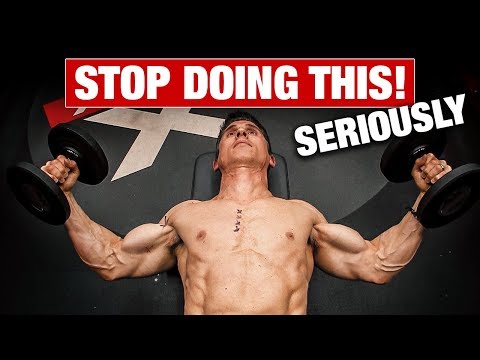
Incline Dumbbell Flys Overview
The incline dumbbell flys move works the upper part of your chest. Your chest is the big muscle on the front of your ribs. It also works the front of your shoulders. You lie on a bench set at an incline. You hold a dumbbell in each hand. You open your arms wide, then bring them back together. The incline dumbbell flys build a full, strong upper chest. The incline angle hits the top of your chest well. This move gives a great stretch at the bottom. It is an intermediate move. You need some shoulder control first. It fits well on a chest day. Do it after your big pressing lifts, like an incline press.
What Is The Point of the Incline Dumbbell Flys?
Incline dumbbell flys isolate your upper chest and create a wider, more defined pec line. They stretch your chest muscles deep and build that coveted upper chest fullness.
How To Do The Incline Dumbbell Flys
- Set an adjustable bench to a 30 to 45 degree incline and grab a dumbbell in each hand. The incline shifts the emphasis toward your upper chest compared with a flat fly.
- Sit down, then lie back and press the dumbbells up over your chest with your palms facing each other. Plant your feet flat on the floor and set your shoulder blades down and back into the bench.
- Take a breath and brace lightly, then set a slight bend in your elbows. You will hold this soft elbow angle the entire rep, since fully straight arms strain the joints and bent arms turn it into a press.
- Lower the dumbbells out and down in a wide arc, leading with your elbows and keeping that fixed bend. Move slowly and feel the stretch build across your chest as your arms open.
- Continue until you feel a deep but comfortable stretch in your chest, with your upper arms roughly level with your torso. Do not drop so low that your shoulders feel pinched or strained.
- Pause for a beat in the stretched position, keeping tension on the chest rather than dumping the weight into your shoulders. This bottom stretch is where the fly does its best work.
- Squeeze your chest to bring the dumbbells back up along the same wide arc, imagining you are hugging a big barrel. Bring them together over your chest without clanking them hard.
- Stop just short of the top so tension stays on the chest, then flow into the next rep. Flys build well in the 10 to 15 rep range, since this is a stretch and squeeze move, not a heavy grinder.
Incline Dumbbell Flys Form Tips
- Keep a soft bend in your elbows the whole time. Do not straighten or bend them more.
- Move in a wide arc, like hugging a big tree. This is a fly, not a press.
- Lower until you feel a deep chest stretch. Do not drop your elbows too far.
- Squeeze your chest to bring the weights up. Think of pulling with your chest.
- Keep your shoulder blades pulled back and down. This keeps your shoulders safe.
- Move slow on the way down. Then rise with control.
- Keep your feet flat and your butt on the bench.
- Breathe in as you lower. Breathe out as you squeeze up.
- Turn your palms to face each other. Keep them there.
- Keep your wrists straight and firm.
Common Mistakes to Avoid for the Incline Dumbbell Flys
- Bending and straightening your elbows like a press. Turning the fly into a pressing motion by flexing the arms takes the stretch off the chest and brings the triceps in. Set a soft, fixed elbow bend and keep it locked so the movement stays a true fly.
- Using dumbbells that are too heavy. Flys put the chest in a stretched, vulnerable position, and too much weight can wrench the shoulder. Go lighter than you would for a press and control the arc, since this is about stretch and squeeze, not max load.
- Dropping the weights too low at the bottom. Sinking the dumbbells way past your torso overstretches the shoulder capsule and risks injury. Lower only until you feel a strong chest stretch, then reverse, keeping the shoulders safe.
- Flaring the elbows dead straight. Locking the arms straight turns the elbows into long levers that hammer the joint and rob the chest of tension. Keep a consistent slight bend to protect the elbows and keep the load on the pecs.
- Rushing the lowering phase. Dropping fast into the stretch wastes the eccentric, which is where a lot of the growth and the chest stretch happen. Take about two to three seconds down and own the descent.
- Losing your shoulder blade set. If your shoulders round forward off the bench, you lose your stable base and expose the joint. Pull your shoulder blades down and back into the bench and hold that position every rep.
- Clanking the dumbbells together at the top. Smashing the weights together to rest at the top dumps tension off the chest. Bring them close but stop just short so the pecs stay loaded through the whole set.
- Setting the bench too steep. Past about 45 degrees the movement drifts toward the front delts and away from the upper chest. Keep the incline in the 30 to 45 degree range if upper chest is the goal.
- Cutting the range short at the top and bottom. Small partial arcs skip both the deep stretch and the full squeeze, which are the two best parts of a fly. Move through a full, controlled arc on every rep.
- Holding your breath the whole set. Bearing down through a stretched-chest movement adds tension without benefit. Breathe out as you squeeze the dumbbells up and inhale on the way down.
- Turning the palms to press the weights up. Rotating your palms to face forward at the top sneaks a press into the fly. Keep your palms facing each other through the arc so the chest keeps doing the work.
Incline Dumbbell Flys Workout Tips
- Think about hugging a big barrel. Picturing a wide hug keeps the arc broad and the elbows soft, which keeps the chest as the driver instead of letting the arms press.
- Keep a fixed slight bend in your elbows. Locking that soft angle protects the elbow joint and keeps the load on the pecs, turning this into a true fly rather than a sloppy press.
- Chase the stretch at the bottom. The deep chest stretch is where flys shine for growth, so lower under control and feel the pecs lengthen, but never past a safe, comfortable range.
- Squeeze hard at the top for a peak contraction. Focusing on drawing the chest together at the top maximizes the muscle-building squeeze that presses often miss.
- Go lighter and chase the feel, not the number. Flys are a mind-muscle exercise, so a moderate weight moved through a full arc beats a heavy pair you have to press and heave.
- Program flys after your pressing on chest day. Use them as an accessory once your heavy incline and bench work is done, when you want to hammer the chest with stretch and squeeze.
- Live in the 10 to 15 rep range for 3 to 4 sets. Higher reps suit this stretch-based move and keep you from loading so heavy that the shoulders take a beating.
- Use a slow two to three second lowering. Owning the eccentric keeps tension on the chest and builds more muscle from a lighter weight than dropping the dumbbells fast.
- Set the incline between 30 and 45 degrees. This range biases the upper chest, which is a weak point for many lifters, without turning the move into a shoulder exercise.
- Keep your shoulder blades pinned to the bench. A stable base of retracted shoulder blades protects the joint and keeps the chest in its strongest, safest line of pull.
- Try a pause in the stretched position. Holding for a beat at the bottom kills momentum and forces the chest to start the lift from a dead stretch, which builds real control.
- Warm up the shoulders before loading flys. A couple of light sets prime the joint and the pecs so your working sets feel smooth and the stretched position stays safe.
- Superset flys with a press for a big pump. Following presses with flys pre-exhausts or finishes the chest, giving you a strong stimulus and a serious pump.
- Do not train flys to failure with heavy weight. Grinding a failing fly puts the shoulder in a bad spot, so leave a rep in the tank and keep the stretched position controlled.
- Progress slowly and by feel. Add a small jump only once your current weight moves smoothly through a full arc, since chasing heavy dumbbells on flys usually costs you form.
- Keep your palms facing each other. Holding that neutral hand position through the arc keeps the chest working and stops the move from sneaking into a press near the top.








Questions & Comments
Be the first to ask a question about this exercise.