Cable Side Bend Overview
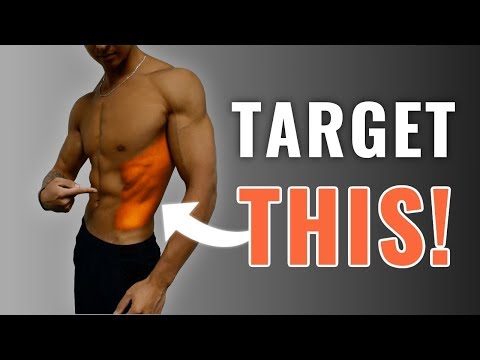
The cable side bend is a move for your sides. It works your obliques, the muscles on the sides of your belly. It also works your abs. You use a cable machine with one handle. You bend your body sideways against the pull of the cable. You use one side at a time. The cable side bend keeps a steady pull the whole way. This makes it better than many other side moves. It builds a strong, firm middle. A strong middle helps you bend, twist, and carry things. This move is good for beginners. Do it near the end of your workout. It fits well on a core day.
What Is The Point of the Cable Side Bend?
Cable side bend builds strong obliques and improves core stability. This exercise sculpts your waist and helps with rotational power for sports and daily life.
How To Do The Cable Side Bend
- Set the pulley to about shoulder height and clip on a single D-handle. A slightly higher anchor keeps steady tension on the obliques through the whole arc instead of only at the bottom.
- Stand side-on to the machine, feet about hip-width apart, and grab the handle with the hand nearest the tower. Step out a foot or two so there is real tension in the cable before you begin.
- Set your posture tall with your ribs stacked over your hips. Take a breath, brace your core, and let the cable gently pull your torso toward the machine so you feel a stretch down the far-side obliques.
- Keep your hips facing straight ahead and locked in place. The only thing that moves is your spine bending sideways, not your hips swaying or your torso twisting toward the tower.
- Bend directly away from the machine, driving your working-side ribs down toward your hip. Move through a smooth arc and think about crunching one side of your waist shut.
- Squeeze the obliques hard at the fully bent position and hold for a beat. You should feel a tight, working contraction along the side of your waist, not a strain in your lower back.
- Return slowly toward the machine, resisting the pull the whole way so the muscle works on the way back too. Let the far-side obliques stretch again at the top without letting your torso collapse.
- Finish all your reps on one side, usually 12 to 20 for this kind of core work, then turn around and repeat facing the other way to keep both sides even.
Cable Side Bend Form Tips
- Stand tall and keep your hips still. Only your upper body should bend.
- Bend straight to the side. Do not lean forward or back.
- Keep your working arm straight and relaxed. Let your side do the work.
- Feel the squeeze in your oblique on each rep. That is the target muscle.
- Move slow both ways. Fast bends use swing, not muscle.
- Keep your feet planted the whole time. Do not shift your weight around.
- Breathe out as you bend down. Breathe in as you come up.
- Let the cable stretch your side at the top. This makes the muscle work more.
- Keep your neck relaxed and in line with your spine.
- Keep your belly braced to hold your body steady.
Common Mistakes to Avoid for the Cable Side Bend
- Bending forward or twisting instead of sideways. The obliques do side flexion, so leaning forward or rotating turns this into a different exercise and lets stronger muscles cover for them. Keep your movement in one clean side-to-side plane and face straight ahead the whole set.
- Letting your hips sway toward the machine. When the hips slide side to side, they do the work your obliques should be doing and the range shrinks to nothing. Plant your feet, lock the hips, and let only your spine bend.
- Going way too heavy. A big stack forces you to heave with your whole body and lose the isolation that makes this move useful. Choose a load you can control through a full, deliberate arc with a real squeeze at the bottom.
- Rushing through the reps. Fast, bouncy side bends use momentum and swing, which takes tension off the obliques and can jerk the lumbar spine. Slow it down, control both directions, and make the muscle do the moving.
- Cutting the range short. Small partial bends never stretch or fully shorten the obliques, so you leave most of the growth on the table. Bend far enough to feel a stretch on the far side, then crunch all the way over.
- Holding your breath and bearing down hard. Locking the breath spikes pressure and does nothing for control on a core isolation move. Breathe out as you bend toward the working side and keep a light steady brace.
- Loading only one side and skipping the other. Training just your dominant side builds an uneven waist and can pull your posture crooked over time. Always match reps and effort on both sides, and start with your weaker side.
- Cranking the neck as you bend. Whipping your head sideways strains the neck and does nothing for the obliques. Keep your head in line with your spine and let the bend come from your waist, not your neck.
- Letting the lower back arch to fake range. When the obliques tire, people arch and lean back to sneak more motion, which loads the spine instead. Keep your ribs down and your pelvis neutral so the side of the waist does the work.
- Standing too close to the machine. With slack in the cable there is no tension at the top and the rep feels empty. Step out until the cable is taut in the stretched position so the obliques stay loaded the whole way.
- Chasing crazy high reps with sloppy form. Grinding out 50 loose reps trains momentum, not muscle. Pick a rep range you can own with control, usually 12 to 20, and stop when the form starts to fall apart.
Cable Side Bend Workout Tips
- Keep the working motion pure side flexion. Picture your ribs and hip on one side coming together like you are closing a clam shell, which keeps the obliques as the star and blocks the twist that ruins the move.
- Set the pulley high enough to keep tension in the stretch. When the cable pulls you into a slight side stretch at the top, the obliques stay loaded through the whole range instead of only near the bottom.
- Own a slow return toward the machine. Resisting the cable on the way back trains the eccentric and adds stimulus, so do not just let the weight yank you back to the start.
- Add a one second squeeze at the bottom of each bend. Pausing at peak contraction kills momentum and teaches you to actually feel the side of your waist crunch shut.
- Brace lightly and breathe out as you bend. A gentle brace keeps the spine stable, and exhaling on the effort helps you contract the obliques harder without holding your breath.
- Train both sides equally, weaker side first. Most people have a stronger side that quietly takes over, so letting the weak side set the rep count slowly evens out your waist and your posture.
- Program this as an accessory late in a session. Direct oblique work fits well after your big lifts, two or three times a week, when your core is warm and you can focus on feeling the target.
- Keep reps in the 12 to 20 range for 3 sets a side. The obliques respond well to moderate, controlled reps, so save the ultra-heavy low-rep stuff for bigger compound lifts.
- Do not confuse this with a fat-loss trick for love handles. Side bends build the obliques, but you cannot spot-reduce fat off your waist, so pair them with sound nutrition if leanness is the goal.
- Stay tall and stacked through the spine. Letting your posture slump rounds the back and takes the obliques out of their best line of pull, so keep your ribs over your hips.
- Try a brief pause in the stretched top position too. Holding where the obliques are lengthened builds control and range, and it makes the following contraction feel much stronger.
- Keep your free arm relaxed or on your hip. Waving it around adds momentum and hides how much the obliques are really doing, so keep it quiet and let the waist work.
- Film a set from the front once in a while. A quick video shows whether your hips are sliding or your torso is twisting, which is hard to feel accurately in the moment.
- Progress by adding a rep or a small load bump. Only nudge the weight up once you can control your current reps cleanly, since steady overload beats jumping the stack too soon.
- Warm up your trunk before loading it. A few bodyweight side bends and some light rotation get blood into the obliques so the first working set feels strong instead of stiff.
- Keep the tension honest, not the numbers. This is a feel-the-burn isolation move, so a lighter load done with a full arc and a hard squeeze beats a heavy stack you have to throw.








Questions & Comments
Be the first to ask a question about this exercise.