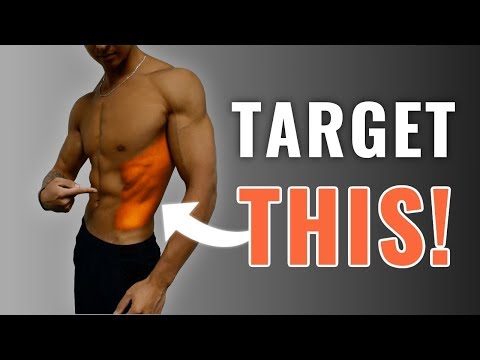
Cable Twist Overview
The cable twist works your obliques. Your obliques are the muscles on the sides of your waist. Your other ab muscles help too. You use a cable machine set at chest height. You hold the handle and turn your body away from the machine. The cable twist builds a strong, stable core. It trains your body to rotate with power. This helps in sports and in daily life. Strong obliques also support your lower back. It is easy for beginners to learn. Use it on a core day or at the end of a workout. It pairs well with crunches and planks.
What Is The Point of the Cable Twist?
Cable twist builds strong obliques and improves core rotation power. Perfect for better balance, athletic performance, and a tighter waist.
How To Do The Cable Twist
- Set the cable pulley to about chest height and attach a single handle. Grab the handle with both hands, one over the other, so your grip is secure and your arms can work as a unit.
- Stand sideways to the machine with your feet shoulder-width apart and step out until the cable has tension. This starting stretch on the obliques is what makes the twist work.
- Extend your arms out in front of your chest and keep a soft, fixed bend in your elbows. Your arms stay in that shape the whole time so the rotation comes from your trunk, not your shoulders.
- Set your shoulders down, brace your core, and keep your hips facing forward. The power comes from your obliques rotating your ribcage, not from swinging your arms or spinning your hips.
- Rotate your torso away from the machine, pulling the cable across your body by turning through your midsection. Think about your belly button turning to point in the new direction.
- Turn until your torso faces away from the stack and your obliques are fully contracted. Keep the arms locked in their shape so the twist stays in your core.
- Squeeze the obliques hard at the end of the turn for a one second hold. That peak contraction on the side of your waist is where the muscle works.
- Return slowly to the start over two to three seconds, resisting the cable's pull rather than letting it snap you back. Finish all reps on one side, then switch. Aim for 12 to 15 per side for three sets.
Cable Twist Form Tips
- Keep your arms straight out the whole time.
- Turn from your core, not your arms.
- Keep your hips mostly facing forward.
- Move slow and with control.
- Squeeze your obliques at the end of the turn.
- Return slow to the start. No snapping back.
- Keep your feet planted and steady.
- Keep your core tight to protect your back.
- Breathe out as you turn. Breathe in as you return.
Common Mistakes to Avoid for the Cable Twist
- Twisting with your arms instead of your core. Swinging the handle across with your shoulders while your trunk stays still takes the obliques out of the movement entirely. Lock your arms in a fixed bend and rotate from your midsection so the twist comes from the muscles you are training.
- Spinning your hips with your torso. Letting your hips and feet pivot along with the turn removes the rotation from your waist and dumps it into your lower body. Keep your hips facing forward so the obliques have to do the work of turning your ribcage.
- Using too much weight and getting yanked around. Loading the stack heavy makes the cable jerk you out of position and turns the move into a full-body heave. Drop the weight to something your obliques can control through a clean, deliberate rotation.
- Letting the cable snap you back fast. Allowing the stack to pull you into the start quickly wastes the eccentric and can wrench your spine. Resist the return over two to three controlled seconds so the obliques work in both directions.
- Rounding or overextending your back. Twisting with a hunched or overarched spine adds shear to your discs while you rotate under load. Stand tall with a braced, neutral spine so the rotation happens safely at the ribcage.
- Rushing the reps with momentum. Whipping the cable around fast uses speed to hide a lack of oblique control. Slow the tempo so the muscle drives the turn rather than momentum flinging it.
- Standing too close with no starting tension. If you set up right next to the pulley, the obliques get no stretch at the start and the first part of the range does nothing. Step out until the cable is taut so the muscle is loaded from the first inch.
- Skipping the peak squeeze at the end. Blowing past the fully rotated position leaves the strongest contraction untrained. Pause and squeeze the obliques for a beat at the end of each turn.
- Training one side harder than the other. Because you switch sides, it is easy to favor your stronger oblique and short the weaker one. Match the reps and effort on both sides for an even waist.
- Holding your breath through the twist. Straining silently makes your brace unreliable and spikes your blood pressure. Exhale as you rotate away and inhale as you return to keep steady tension.
- Bending and straightening the elbows to help. Pumping the arms turns the rotation into a pressing motion and cheats the obliques. Keep the elbows in one fixed shape so the trunk does all the turning.
Cable Twist Workout Tips
- Rotate from your ribcage, not your arms. The cue that fixes most cable twists is turning your belly button to face the new direction. That puts the work squarely on the obliques.
- Keep your hips facing forward. Locking the lower body forces the twist to happen at your waist. Spinning the hips just spreads the work away from the target.
- Set up with starting tension on the cable. Stepping out until the line is taut loads the obliques from the first inch. That stretch at the start makes the whole range productive.
- Control the return, do not let it snap back. Resisting the cable on the way back trains the obliques eccentrically. That controlled negative builds as much as the twist itself.
- Add a one second squeeze at the end of the turn. Holding the fully rotated position builds a strong mind-muscle connection. It also keeps you from rushing through reps.
- Keep the weight moderate and the reps clean. The obliques are small muscles that respond to control, not heavy heaves. A weight you can rotate smoothly beats one that yanks you around.
- Match your reps and effort on both sides. A lopsided waist comes from favoring one side. Train the weaker side first and let it set the count.
- Use cable twists to build rotational power for sport. Swinging, throwing, and striking all come from trunk rotation. This move trains that pattern under smooth resistance.
- Keep the reps in the 12 to 15 range per side. Rotational core work rewards moderate reps with good tension. Chase quality contractions rather than a heavy grind.
- Brace your core before every rep. A solid trunk protects your spine as you rotate under load. A loose midsection lets the cable pull you out of position.
- Try the twist at a high and a low pulley too. Rotating from above or below changes the angle on the obliques. Varying the height builds the muscle more completely.
- Pair cable twists with anti-rotation work like Pallof presses. Training your core to both create and resist rotation builds a balanced, resilient trunk. Both qualities protect your spine.
- Stand tall with a neutral spine throughout. Rotating with a rounded or overarched back adds risk. A tall, braced posture keeps the twist safe.
- Move slowly to feel the obliques. Speed makes the move look impressive while doing little. A deliberate tempo keeps the muscle under tension.
- Do not train abs to failure every day. The obliques need recovery like any muscle. A few focused sessions a week beat daily grinding.
- Be consistent and the strength carries over. Rotational core strength shows up in sport and everyday movement. Regular clean reps build it over the months.








Questions & Comments
Be the first to ask a question about this exercise.