Barbell Pullover Overview
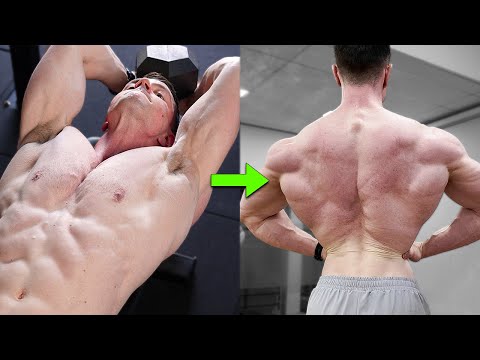
The barbell pullover works your lats. Your lats are the big wing muscles on the sides of your back. It also works your chest and triceps. You lie on a bench and hold a barbell over your chest. Then you lower it back behind your head. You need a barbell and a flat bench. The barbell pullover is a classic upper body move. It stretches and builds your back and chest. It also opens up your ribcage. It fits well on back or chest day. Use a light bar and go slow. Feel the big stretch on every rep.
What Is The Point of the Barbell Pullover?
The barbell pullover builds your lats while expanding your ribcage and chest. It creates a strong, wide back and improves shoulder mobility.
How To Do The Barbell Pullover
- Load a light barbell to start, since the stretched position places real demand on your shoulders and lats. Sit on the end of a flat bench with the bar resting on your thighs.
- Lie back so your upper back and head are supported on the bench, feet planted flat and hard into the floor. Set your shoulder blades down and back for a stable base.
- Take an overhand grip a little wider than shoulder-width and press the bar up so it sits directly over your chest with your arms extended and elbows just slightly bent.
- Lock in that soft elbow bend. You will keep this same fixed angle the entire time, so the movement happens at the shoulders, not the elbows.
- Take a big breath and brace your core and rib cage. Do not let your ribs flare up as you go overhead.
- Lower the bar back over your head in a wide arc, moving slowly until you feel a strong stretch across your lats and the sides of your chest. Keep the elbows from bending further as you descend.
- Go only as deep as your shoulder mobility allows with control, roughly to where your upper arms are in line with your torso. Do not force the stretch past comfort.
- Pull the bar back over your chest using your lats, thinking about driving your upper arms down toward your hips rather than just moving your hands.
- Squeeze at the top over your chest, then repeat with a controlled two to three second lowering. Aim for 8 to 12 reps for 3 sets and keep the weight honest.
Barbell Pullover Form Tips
- Keep a small soft bend in your elbows. Hold it steady.
- Move only at your shoulders. Your elbows stay at one angle.
- Keep your core tight and hips down. Do not arch your back.
- Feel the stretch in your lats at the bottom.
- Move slowly, especially on the way down.
- Pull with your back, not just your arms.
- Keep your wrists straight and firm.
- Breathe in as you lower. Breathe out as you pull up.
- Keep your feet flat and your body steady on the bench.
Common Mistakes to Avoid for the Barbell Pullover
- Bending your elbows through the movement. Letting the elbows collapse turns the pullover into a clumsy triceps extension and takes the stretch off your lats. Set one soft elbow angle at the start and hold it fixed the whole set.
- Going too heavy in a vulnerable position. The overhead stretched position exposes your shoulders, and a heavy bar there is asking for a strain. Start light, build the movement and the stretch, then add weight in small steps.
- Flaring your ribs and arching your lower back. Letting your rib cage pop up as the bar goes overhead cranks your lumbar spine and kills your core stability. Keep your ribs down and your core braced so the stretch stays in the lats.
- Yanking the bar with momentum. Swinging the weight up fast robs the lats of tension and can jerk the shoulder joint. Move slowly in both directions and let the lats pull the bar back over control.
- Lowering into pain instead of a stretch. Chasing depth past your mobility strains the shoulder capsule. Go only as far as you can control with a good stretch, not a sharp pull, and improve mobility over time.
- Losing your shoulder blade set. If your shoulders shrug up toward your ears at the bottom, you lose your stable base. Keep the blades set down and back so the lats have something to pull against.
- Dropping the bar fast on the way back. Rushing the eccentric wastes the most productive, muscle-building part of the rep and increases injury risk in the stretch. Control a two to three second descent.
- Pushing with the arms instead of pulling with the lats. Thinking hands-first turns the move into a shoulder push and misses the target. Cue driving your upper arms down and in to fire the lats.
- Letting your hips or head come off the bench. Bridging up to help move the weight breaks your position and takes stress off the target muscles. Keep your head, upper back, and hips settled and stable.
- Holding your breath incorrectly at the stretch. Losing your brace overhead makes the position unstable and stresses the back. Take a full breath before you lower and stay braced through the stretch.
- Using a grip that is too narrow or too wide. An awkward grip strains the wrists and shoulders and changes the pull. Keep it a little wider than shoulder-width where your shoulders feel strong and stable.
Barbell Pullover Workout Tips
- Prioritize the stretch, not the load. The pullover shines because it loads the lats and chest in a deep stretched position, and training a muscle under stretch is a powerful growth stimulus, so chase feel over weight.
- Keep one fixed elbow angle throughout. Locking a soft bend turns the whole movement into shoulder extension driven by the lats, which is exactly what you want from this exercise.
- Cue your upper arms, not your hands. Thinking about pulling your elbows down toward your hips fires the lats far better than focusing on where the bar goes.
- Control the eccentric hard. A slow two to three second lowering into the stretch is where most of the muscle-building happens, so resist the bar the whole way down.
- Start light and earn your load. Because the shoulder is exposed overhead, build the pattern and mobility with an easy weight before adding plates in small jumps.
- Keep your ribs down and core braced. A stable trunk stops your lower back from taking the strain and keeps the stretch working the lats and serratus instead.
- Try a single dumbbell version too. A dumbbell pullover lets you drop deeper into the stretch and is easier to set up solo when you want a bit more range.
- Program it as an accessory on back or chest day. It adds a stretch-focused finisher after your heavy rows or presses and hits the lats from an angle rows miss.
- Use a slow tempo and a pause at the stretch. Pausing briefly in the bottom position, where you can control it, teaches your lats to produce force where they are longest.
- Warm up your shoulders thoroughly first. The overhead position demands mobility, so a few light band or bodyweight movements make the stretch safe and comfortable.
- Keep reps moderate, around 8 to 15. The pullover rewards controlled reps and a strong stretch more than heavy grinding, which just compromises the shoulder.
- Breathe deliberately to also train the rib cage. Historically lifters used pullovers with big breaths to expand the rib cage, and the deep-breathing pattern still helps you learn to brace and stretch under load.
- Feel the serratus and lats working. This is a great mind-muscle connection drill for the lats, so slow down and actually feel the stretch and contraction on each rep.
- Film from the side to check your arc. Video shows whether your elbows are bending or your ribs are flaring, both of which are hard to feel mid-set.
- Do not force a range your shoulders hate. If deep positions pinch, shorten the range and work on mobility rather than muscling through pain.
- Be consistent and let the stretch do its work. Wide, controlled lats built with regular stretch-focused pullovers add real width to your back over months of steady training.








Questions & Comments
Be the first to ask a question about this exercise.