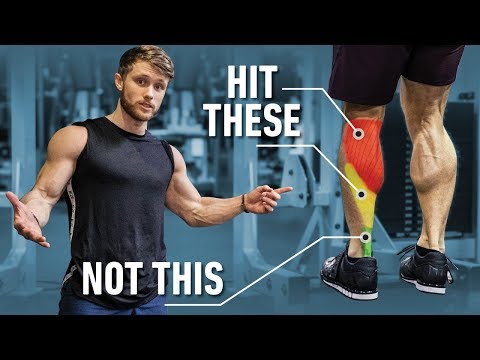
Smith Machine Seated Calf Raise Overview
The smith machine seated calf raise builds your calves. Your calves are the muscles on the back of your lower legs. You sit with the smith machine bar on your thighs. The balls of your feet rest on a raised plate. This move needs a smith machine, a bench, and a plate. It targets the lower calf muscle well. This is a great move for beginners. The seated position takes stress off your knees and back. It lets you focus only on your calves. Strong calves help you walk, run, and jump. Add the smith machine seated calf raise near the end of a leg day. It also fits well on any lower body workout.
What Is The Point of the Smith Machine Seated Calf Raise?
The smith machine seated calf raise builds bigger, stronger calves. It lets you lift heavy weight safely while targeting your calf muscles with full control.
How To Do The Smith Machine Seated Calf Raise
- Set a flat bench inside the Smith machine so you sit directly under the bar. Load a sturdy weight plate or a low calf block on the floor in front of you, then sit down with the balls of your feet on that platform and your heels hanging off the back edge.
- Position the bar low across your thighs, just behind your knees, and pad it with a towel or foam roll so it does not bite into the bone. Sitting tall with the bar here targets the soleus, the deep calf muscle that responds best to bent-knee work.
- Set your feet about hip width with your toes pointing straight ahead. Grip the bar loosely to guide it and keep your shins vertical so the load travels straight down through your ankles.
- Take a breath, brace your trunk, and rotate the hooks to release the bar from the safety catches. The full weight now rests on your knees and travels through your calves.
- Let your heels sink slowly toward the floor until you feel a deep, full stretch under the arch and through the lower calf. Aim for a controlled two to three second lowering rather than a quick drop.
- Pause for a beat at the bottom with the calf fully lengthened. This kills any bounce and forces the muscle to start each rep from a dead stretch.
- Drive through the balls of your feet and push your knees toward the ceiling, rising as high onto your toes as your ankles allow. Squeeze the calves hard at the top and hold for a full second.
- Lower under control back into the stretch and repeat. The soleus is packed with slow-twitch fibers, so it thrives on higher reps - work in the 12 to 20 range for three or four sets.
Smith Machine Seated Calf Raise Form Tips
- Sit up tall the whole time. Do not slump forward.
- Keep the bar padded and close to your knees. This spares your thighs.
- Let your heels drop fully at the bottom. A full stretch grows the muscle.
- Press through the balls of your feet, not your toes.
- Raise your heels as high as they will go. Chase the top squeeze.
- Move slowly on the way up and down. No bouncing.
- Hold the top for a second on each rep. Feel the calf work.
- Breathe out as you press up. Breathe in as you lower.
- Keep your knees still. Only your ankles should move.
Common Mistakes to Avoid for the Smith Machine Seated Calf Raise
- Rushing the reps and bouncing out of the bottom. When you drop fast and rebound off the stretch, the tendon and the elastic bounce do the work instead of the muscle. Slow the lowering to two or three seconds and pause at the bottom so the soleus actually earns every rep.
- Cutting the range of motion short. Stopping halfway up or halfway down only trains a sliver of the calf and leaves most of the muscle undeveloped. Sink into a full stretch at the bottom and rise all the way onto your toes at the top on every single rep.
- Placing the bar too high on the thigh. When the pad sits near mid-thigh instead of just behind the knee, the load line drifts and your leverage changes. Keep the bar low and close to the knee so the resistance drives straight down through your ankle joint.
- Setting your feet too far onto the platform. If the whole midfoot is planted, your heels cannot drop and you lose the stretch that makes this movement work. Put only the balls of your feet on the block so the heels can travel through their full arc.
- Letting the knees drift outward or inward. When the knees wander, the ankle no longer tracks in a clean vertical line and the load shifts unevenly. Keep your shins upright and your knees stacked over your feet so force runs straight through the calf.
- Loading too heavy and turning it into a partial. Ego weight shrinks your range and tempts you to bounce, which stalls growth. Pick a load you can control through a full stretch and squeeze, then add small plates over time as real progressive overload.
- Not padding the bar. A bare bar digging into the quad hurts, and that pain makes you cut reps short to escape it. Wrap the bar or use a pad so you can push the calves to true fatigue without the thigh screaming first.
- Holding your breath through the whole set. Locking your breath spikes tension and makes higher-rep calf work feel brutal fast. Breathe steadily, exhaling as you rise and inhaling as you lower, so you can push deep into the burn.
- Skipping the top squeeze. Blasting up and immediately dropping wastes the strongest contraction of the rep. Pause and crush the calves hard at the peak for a full second to hit those fibers that only fire near full plantar flexion.
- Doing the exercise off-balance or twisted. If you sit crooked or lean to one side, one calf takes more load than the other and imbalances creep in. Sit square, keep both feet even, and split the work evenly between the two legs.
- Training calves only when you have energy left. Because they are small and stubborn, calves get skipped or rushed at the end of leg day. Give them real focus and consistent volume - the soleus grows on frequency and full reps, not on afterthoughts.
Smith Machine Seated Calf Raise Workout Tips
- Because the knee is bent, this move hammers the soleus, the deep calf muscle under the gastrocnemius. It responds best to higher reps, so live in the 12 to 20 range and chase a real burn.
- Run a two to three second lowering phase on every rep. The stretched, loaded position is where most calf growth happens, so owning the eccentric pays off far more than heaving the weight up.
- Add a one to two second pause at the bottom of the stretch. Killing the bounce means the muscle has to produce force from a dead start, which builds real strength through the toughest part of the range.
- Squeeze hard at the top for a full second. Peak plantar flexion recruits fibers that a fast, sloppy rep never touches, and that top hold is what carves calf detail over time.
- Pad the bar well so thigh discomfort never ends your set early. You want the calves to be the reason you stop, not a bruised quad.
- Play with foot position across sessions. Toes straight ahead is your baseline, but occasionally pointing them slightly in or out shifts emphasis across the inner and outer calf.
- Program this after your heavier standing calf work. Standing raises with a straight knee bias the gastrocnemius, while this seated version finishes the job on the soleus for complete lower-leg development.
- Use a full block or a thick plate under the balls of your feet. The taller the platform, the more heel drop you get, and more stretch means more of the muscle trained.
- Keep your reps slow and strict rather than piling on plates. Calves are dense and stubborn, so quality range beats heavy partials almost every time here.
- Train calves two or even three times a week if they lag. They recover fast and tolerate frequency well, so spreading the volume out often beats one brutal session.
- Track your working weight and reps in a log. Small, steady jumps in load or reps over weeks are the progressive overload that finally moves stubborn calves.
- Do not train these to failure on every set. Leave a rep in reserve on most sets so your form and range stay clean, then push the last set hard.
- If you feel it more in your quads than your calves, the bar is riding too high or your heels are not dropping. Re-check the setup before adding weight.
- Breathe in a steady rhythm through the set. Exhale as you drive up and inhale as you sink, which keeps you relaxed enough to survive the high-rep burn.
- Warm up your ankles with a few light, full-range reps first. Cold, stiff ankles cut your stretch short and rob you of the best part of the movement.
- Stay patient with calf development. For most people it is the slowest muscle to respond, so consistency over months, not any single magic session, is what wins.








Questions & Comments
Be the first to ask a question about this exercise.