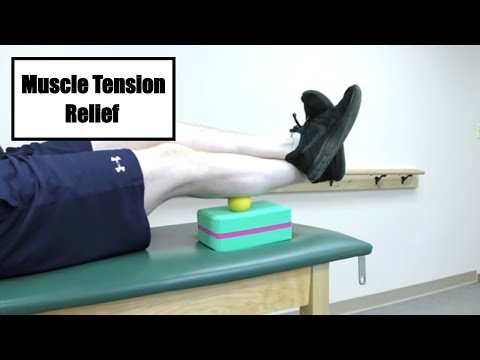
Posterior Calf Lacrosse Ball Overview
The posterior calf lacrosse ball move loosens up your calf. It works your calf, the muscle on the back of your lower leg. It can also reach into your forearm when you press up. You roll a lacrosse ball under your calf while seated. This is a self-massage move, not a lifting move. You only need a lacrosse ball. It helps ease tight, sore calves. This move is great for tight calves after lots of walking or running. Loose calves help your ankles and feet feel better. Rolling out tight spots can ease soreness. Use the posterior calf lacrosse ball move before a workout or after. It takes just a minute or two. It can leave your lower legs feeling loose.
What Is The Point of the Posterior Calf Lacrosse Ball?
The posterior calf lacrosse ball exercise releases tight muscle knots and boosts blood flow. It helps reduce soreness and improves flexibility in your calf muscles.
How To Do The Posterior Calf Lacrosse Ball
- Sit on the floor with your legs straight out in front of you and a lacrosse ball within easy reach. Get comfortable so you can relax the working leg.
- Place the ball under your calf, roughly halfway down the back of your lower leg, on the meaty part of the muscle. Keep it well below the knee.
- Lift your hips slightly off the floor using your hands behind you so your calf presses down onto the ball. The more you lift, the more pressure you get.
- Control the pressure by how much bodyweight you put through the leg, and stack the other leg on top for more if you want.
- Slowly roll your calf up and down over the ball, from near the ankle to just below the knee. Move at a crawl, not a fast scrub.
- Keep the strokes slow and steady, covering the whole back of the calf over 30 to 60 seconds. Do not rush through it.
- When you find a tight or tender spot, pause and hold steady pressure there until it starts to ease. Give the knot real time to release.
- Keep your breathing relaxed and your calf soft so the tissue can respond to the pressure. A tense, flexed calf just fights the ball.
- Work one leg for 30 to 60 seconds, then switch and repeat on the other calf so both sides stay even.
Posterior Calf Lacrosse Ball Form Tips
- Press gently at first. Add pressure slowly.
- Roll slowly up and down your calf.
- Pause on tight spots and hold the pressure.
- Lift your body a little to add pressure when ready.
- Keep your breathing slow and calm.
- Try to relax your calf as you roll.
- Use pressure you can handle, not sharp pain.
- Roll for 30 to 60 seconds per leg.
- Work both legs to stay even.
Common Mistakes to Avoid for the Posterior Calf Lacrosse Ball
- Pressing too hard right away. Dumping all your weight onto a tight calf can bruise the muscle and make it guard up tighter. Start light by keeping some weight in your hands and build the pressure slowly.
- Rolling too fast. Whipping the calf back and forth over the ball skips right over the tight spots. Move slowly so the tissue actually has time to respond and release under the ball.
- Rolling behind the knee. Grinding the ball into the soft, nerve-rich area behind the knee can be uncomfortable and unwise. Keep the ball on the calf muscle, well below the knee joint.
- Tensing the calf. A braced, flexed calf fights the very release you want. Let the muscle go soft onto the ball so the pressure can actually sink in and work.
- Ignoring the tender spots. Rolling straight past a knot wastes your single best target. Pause and hold steady pressure on it until it noticeably softens under the ball.
- Rushing the session. A few quick seconds does very little for tight, stubborn tissue. Give each calf a full 30 to 60 seconds of slow, deliberate work.
- Only working the middle of the calf. Missing the areas near the ankle and the knee leaves tight spots behind. Roll the whole muscle from low near the ankle to high below the knee.
- Holding your breath. Tensing up and holding your breath only spikes the discomfort and helps nothing. Breathe slowly and stay relaxed as you roll the calf.
- Forcing through sharp pain. Sharp or nervy pain is a warning, not a target to push into. Ease off and move to a nearby spot instead of grinding hard on it.
- Working only one leg. Rolling just your tight side leaves an imbalance between your calves. Give both legs equal time and attention every single session.
- Expecting one session to fix chronic tightness. A single roll gives short-term relief at best and no lasting change. Regular work is what actually keeps the calves supple over time.
Posterior Calf Lacrosse Ball Workout Tips
- Warm up the ankle with a few circles first so the calf tissue is ready and warm before you roll it with the lacrosse ball.
- This is simple self-massage for the calves, and it can ease tightness that builds from running, jumping, and long days on your feet.
- Control the pressure by how much bodyweight you put through the leg, dialing it from light to firm as the muscle needs.
- Stack your other leg on top of the working one when you want more pressure on a stubborn, tight, deep knot.
- Move slowly and pause on tender spots until they release, rather than racing the ball back and forth over the muscle.
- Keep the ball on the calf muscle and below the knee to avoid the sensitive, nerve-rich area right behind the joint.
- Breathe slowly and let the calf relax onto the ball so the tissue can actually let go instead of tensing and guarding.
- Roll the full length from ankle to just below the knee so you cover the whole muscle, not just the easy middle.
- Use a firm lacrosse ball so the pressure reaches deep into the calf, unlike a soft foam ball that just glides over it.
- Tight calves can limit ankle mobility, so regular rolling may help your squat depth and your running stride over time.
- Do 30 to 60 seconds per calf and use it after your training or on rest days as part of your regular recovery routine.
- Give both calves equal time, even if only one feels tight, since keeping your ankles and stride balanced side to side helps you move well.
- Pair this with calf and ankle stretches for a fuller, more lasting release through the whole lower leg.
- The lacrosse ball is small and portable, so keep it in your bag to roll out after runs or long walks on hard ground.
- Never push through sharp pain. Firm and tolerable is the goal, and sharp pain always means ease off the pressure now.
- Be consistent. Like all soft-tissue work, the benefits come from doing it regularly, not from one long occasional session.
- Add ankle mobility drills and calf stretches alongside this, since loose calves plus good ankle motion is what actually improves your squat depth.
- Keep the sessions short and frequent rather than one long grind, since a couple of minutes on most days beats a marathon roll once a week.








Questions & Comments
Be the first to ask a question about this exercise.