Lat Pulldown Overview
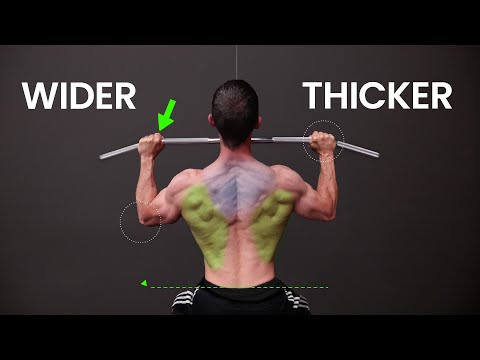
The lat pulldown is a pulling move on a cable machine. You pull a bar down to your chest. It builds your lats. Your lats are the big wing muscles on the sides of your back. It also works your biceps, middle back, and forearms. You sit under thigh pads that hold you down. You need a pulldown machine with a wide bar. The lat pulldown builds a wide, strong back. It is a great way to learn pulling. It helps you work toward a pull-up. This move is good for beginners. It fits on back days or pull days. Focus on pulling with your back, not just your arms.
What Is The Point of the Lat Pulldown?
The lat pulldown builds a wide, strong back by targeting your lats. It also strengthens your biceps and improves your pull-up ability.
How To Do The Lat Pulldown
- Set the thigh pads so your legs slide snugly underneath and they hold you down firmly without crushing your thighs. This anchor keeps you from lifting off the seat as you pull heavy.
- Grab the bar with a wide overhand grip, roughly one and a half times shoulder-width, then sit down with your thighs secured under the pads. A wider grip emphasizes the outer lats.
- Let your arms extend fully overhead so you feel a stretch through your lats, which is your starting position. Starting from a full stretch gives you the most range to work through.
- Lean your torso back slightly, about 10 to 20 degrees, and lift your chest up toward the bar. Hold this same angle for the whole set rather than rocking back and forth.
- Before you pull with your arms, depress your shoulders by pulling your shoulder blades down and together. Initiating from the shoulder blades is what makes your lats do the work instead of your biceps.
- Drive your elbows down and toward your ribs to pull the bar to your upper chest, leading with your elbows rather than your hands. Think about tucking your elbows into your back pockets.
- Bring the bar to about collarbone height and squeeze your lats hard at the bottom for a one second count. That peak contraction is where the back muscles earn the most.
- Control the bar back up for two to three seconds, letting your shoulder blades rise and your lats stretch fully at the top. Do not just let the weight yank your arms up.
- Keep tension on the lats at the top rather than fully relaxing, then start the next rep. Work in the 8 to 15 rep range for 3 to 4 sets, focusing on feeling the lats rather than moving the most weight.
Lat Pulldown Form Tips
- Pull your shoulder blades down first. Then bend your arms.
- Pull the bar to your upper chest. Do not pull it behind your neck.
- Lean back just a little. Hold that angle the whole set.
- Keep your chest up and proud. Do not slump.
- Drive your elbows down and back. Think elbows, not hands.
- Squeeze your back at the bottom. Hold for a beat.
- Let the bar rise slowly. Feel the stretch at the top.
- Keep your wrists straight. Do not curl them.
- Breathe out as you pull. Breathe in as the bar rises.
- Keep your body still. Do not swing to move the weight.
Common Mistakes to Avoid for the Lat Pulldown
- Pulling the bar behind your neck. Bringing the bar behind your head forces your shoulders into an awkward, vulnerable position and can strain the joint and neck. Always pull the bar to your upper chest in front of you, which is both safer and better for the lats.
- Leaning way back and turning it into a row. Rocking your torso back and heaving with momentum shifts the work off your lats and onto your whole body. Keep a fixed slight lean of 10 to 20 degrees and let your lats, not your body swing, pull the bar down.
- Pulling with your arms instead of your back. When you yank with your biceps and forearms, your arms fatigue long before your lats get worked. Initiate every rep by depressing your shoulder blades and driving your elbows down, so the back leads.
- Not depressing your shoulders. If your shoulders stay shrugged up by your ears, your lats never fully engage. Pull your shoulder blades down and together before you bend your elbows to switch the lats on.
- Cutting the range of motion short. Only pulling the bar partway down or not letting your arms extend at the top trains a small slice of the movement. Let your lats stretch fully overhead and pull the bar to your upper chest on every rep.
- Using too much weight. Overloading makes you swing, cut the range short, and pull with your arms. Drop to a weight you can control through a full range while feeling your lats, then add small increments over time.
- Letting the weight yank you up. Releasing control on the way up throws away the eccentric, which builds real back muscle. Resist the stack for two to three seconds and control your arms all the way to the stretched top position.
- Gripping too wide or too narrow without purpose. An overly wide grip can shorten your range and stress your shoulders, while too narrow changes the emphasis. Use a grip about one and a half times shoulder-width for a good balance of stretch and lat involvement.
- Lifting off the seat. If your body rises off the bench as you pull, your legs are not anchored and you lose your base. Adjust the thigh pads snugly and keep your hips planted so you pull against a solid anchor.
- Bending your wrists to help pull. Curling the bar toward you with your wrists brings the forearms in and can strain them. Keep your wrists straight and think of your hands as hooks so the back does the pulling.
- Rushing the reps. Blasting the bar up and down fast recruits momentum and skips the contraction that builds the lats. Slow down, control both directions, and squeeze at the bottom.
- Forgetting to squeeze at the bottom. Reaching the bottom and immediately releasing misses the peak contraction of the lats. Pause for a beat with the bar at your chest and consciously crush your shoulder blades down and together.
Lat Pulldown Workout Tips
- Lead with your elbows, not your hands. Driving your elbows down and toward your ribs makes your lats do the pulling rather than your arms. Think of your hands as hooks and your elbows as the real movers.
- Depress your shoulder blades first. Pulling your blades down and together before you bend your elbows switches the lats on. This one cue transforms the exercise from an arm pull into a back builder.
- Use a controlled eccentric. Letting the bar rise for two to three seconds keeps the lats under tension and builds more muscle than letting it snap back. The stretch at the top is valuable, so ride it under control.
- Feel the stretch at the top. Allowing your arms to fully extend and your lats to lengthen at the top gives you the most range to work through. Lengthened-position work is a proven driver of back growth.
- Squeeze at the bottom. Pausing with the bar at your upper chest and crushing your shoulder blades together builds the mind-muscle connection. That peak squeeze often makes the set far more effective.
- Work in a moderate rep range. The 8 to 15 rep range for 3 to 4 sets lets you feel and build the lats without needing to swing. Chasing feel here beats chasing the heaviest stack.
- Use it to build up to pull-ups. The lat pulldown trains the same movement pattern with a load you can dial in exactly. As you get stronger, it carries directly over to bodyweight pull-ups.
- Try different grips and attachments. Rotating between wide, neutral, and close grips hits the back from different angles and keeps things fresh. Each variation emphasizes the lats slightly differently.
- Keep a fixed slight lean. Holding a consistent 10 to 20 degree lean lets you clear your chest without turning the move into a rowing swing. Pick your angle and keep it steady through the set.
- Anchor yourself with the thigh pads. Snug pads keep your hips down so you can pull against a solid base. If you are lifting off the seat, tighten the pads before adding weight.
- Program it early in your back day. Doing pulldowns when you are fresh lets you feel your lats and use good form. It is a great primer or main movement for building back width.
- Add load in small increments. Progressive overload here means creeping the stack up in small steps you can still control while feeling the lats. Jumping the weight just brings back the swinging.
- Try a one to two second pause at the bottom. Holding the contraction kills momentum and forces the lats to do the work. This pause is a simple way to make a lighter weight feel much harder.
- Keep your chest tall throughout. Lifting your chest toward the bar keeps your upper back set and your lats in a strong pulling position. A collapsed chest rounds you forward and loses the back.
- Film from the front or side. A quick video shows whether you are swinging, shrugging, or cutting the range short. These faults are easy to miss but obvious on camera.
- Be patient building back width. The lats respond to consistent, focused work over months rather than one heavy session. Keep showing up, feel the muscle, and the width will develop.








Questions & Comments
Be the first to ask a question about this exercise.