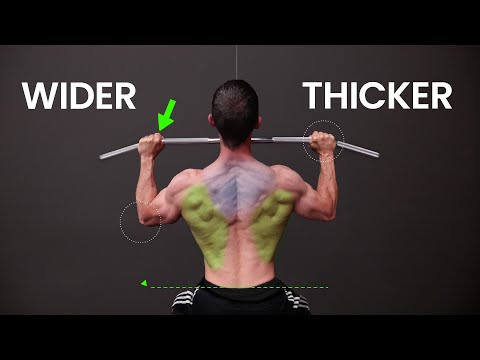
Lat Pull Down Overview
The lat pull down works your lats. Your lats are the big wing muscles on the sides of your back. You sit at a cable machine and pull a bar down. It also works your middle back and biceps. You need a lat pull down machine with a wide bar. It is a top move for back width. The lat pull down is great for beginners. It builds a wide, strong back. It teaches the same pull as a pull-up. That makes it a good step toward pull-ups. Use it on a pull day or a back day. Put it early in your back work.
What Is The Point of the Lat Pull Down?
The lat pull down builds a strong, wide back and improves your pulling power. It targets your lats while working your middle back and biceps for complete upper body strength.
How To Do The Lat Pull Down
- Sit at the machine and set the thigh pads so they pin your legs down snugly. This anchor stops you from lifting off the seat when you pull heavy weight.
- Reach up and grab the bar with a wide, overhand grip a good bit wider than shoulder width. Wrap your thumbs around and squeeze the bar hard.
- Sit tall, pull your shoulders down out of your ears, and lift your chest. Lean back only slightly, around 10 to 20 degrees, to open a clean path for the bar.
- Take a breath and brace your core. Before you bend your arms, think about pulling your shoulder blades down and together.
- Drive your elbows down and back toward your hips to bring the bar to your upper chest. Lead with the elbows, not the hands, so your lats do the work instead of your biceps.
- Touch the bar lightly to your upper chest and squeeze your shoulder blades hard at the bottom. Hold that contraction for a beat.
- Let the bar rise back up slowly under control, taking 2 to 3 seconds. Allow your lats to fully stretch and your shoulder blades to rise at the top.
- Keep your torso still the whole time, avoiding the urge to lean way back and swing. Only your arms and shoulder blades should move much.
- Repeat for your reps. The lat pulldown builds well in the 8 to 15 rep range for 3 to 4 sets.
Lat Pull Down Form Tips
- Sit tall with your chest up. Lean back just a little.
- Pull the bar to your upper chest, not behind your neck.
- Drive with your elbows, not your hands. Think elbows to hips.
- Squeeze your shoulder blades at the bottom.
- Let the bar rise slowly. Feel the stretch at the top.
- Keep your torso still. Do not swing back and forth.
- Breathe out as you pull. Breathe in as you let up.
- Keep your wrists straight and firm. Do not curl them.
- Move slowly and smoothly. No jerking the bar down.
Common Mistakes to Avoid for the Lat Pull Down
- Leaning way back and heaving the bar down. When you swing your torso backward you turn a lat exercise into a half-rowing cheat and rob the lats of tension. Keep your lean small and steady so the pull comes from your back, not your momentum.
- Pulling with your arms instead of your back. If you think about bending your elbows, your biceps take over and your lats loaf. Cue driving the elbows down and back and let the arms just be hooks that connect you to the bar.
- Going too heavy and yanking. Ego weight forces you to jerk, swing, and cut the range short, and none of that grows your back. Choose a load you can pull to your chest under control with your torso mostly still.
- Not pulling the bar low enough. Stopping the bar at your forehead or chin leaves the strongest part of the contraction unused. Bring it to your upper chest and squeeze the shoulder blades together at the bottom.
- Letting the bar fly back up. Releasing fast wastes the eccentric, one of the best growth phases, and can yank your shoulders. Control the bar up over 2 to 3 seconds and feel the lats stretch at the top.
- Shrugging your shoulders up as you pull. When your traps ride up toward your ears your lats disengage. Start each rep by pulling your shoulder blades down, then keep them down through the pull.
- Gripping way too wide. An extreme grip shortens your range and stresses the shoulders without adding lat work. A grip a bit wider than shoulder width gives the best pull for most people.
- Flaring the elbows out to the sides. When your elbows point outward instead of tracking down toward your hips, the pull drifts off the lats. Keep the elbows moving down and slightly forward of the bar.
- Bouncing at the bottom or top. Rushing to reverse direction uses momentum and skips the muscle work. Pause briefly at the chest and control the stretch at the top.
- Lifting off the seat. If your body rises up on heavy reps you have lost your anchor and your form. Set the thigh pads tight and stay planted.
- Rounding forward as you tire. A collapsed, hunched torso puts your spine in a weak spot and kills lat tension. Keep your chest up and your posture proud even on the last reps.
Lat Pull Down Workout Tips
- Lead every rep with your elbows, not your hands. Thinking drive the elbows to your hip pockets shifts the work squarely onto your lats.
- Set your shoulder blades down before you bend your arms. This small cue turns off the traps and turns on the lats from the very first inch.
- Control the way up as much as the way down. A slow 2 to 3 second return keeps tension on the lats and adds real muscle-building stretch.
- Keep your torso lean small and consistent. A slight 10 to 20 degree angle opens the path for the bar without turning the move into a swing.
- Squeeze your shoulder blades together at the bottom. A hard pause at your chest deepens the contraction and builds the mind-muscle connection with your back.
- Grip a bit wider than shoulder width for lat focus. Going way wider just cuts your range and beats up your shoulders.
- Use a thumbless grip if you struggle to feel your lats. Hooking the bar with your fingers can quiet the biceps and let the back take over, but only go this route if you feel secure.
- Program pulldowns on pull day or as a pull-up substitute. They are a fantastic way to build the vertical pull if you cannot yet do bodyweight chin-ups.
- Aim for 8 to 15 reps for 3 to 4 sets for size. This range gives the lats enough time under tension to grow.
- Add weight in small steps over time. Steady progressive overload you can control beats big jumps that force you to swing.
- Try different attachments to hit the back from new angles. A neutral or narrow grip shifts the emphasis and keeps your training fresh.
- Do not crank the weight past your ability to pull to your chest. If the bar stalls at your chin, the load is too heavy to train the full range.
- Keep your chest up and proud the whole set. Good posture protects your spine and keeps the lats loaded.
- Use a strong grip and squeeze the bar hard. A firm grip stabilizes the shoulder and can help you pull more weight.
- Pause for a full second at the chest on some sets. Pause reps kill momentum and force your lats to do all the work off the bottom.
- Film yourself from the side occasionally. Video shows if you are leaning too far back or cutting the range short far better than it feels in the moment.








Questions & Comments
Be the first to ask a question about this exercise.