Hyperextension Overview
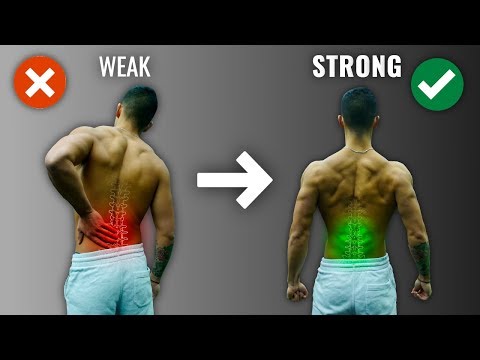
The hyperextension makes your lower back strong. It also works your glutes and hamstrings. Your glutes are your butt muscles. Your hamstrings are the muscles on the back of your thighs. You lie face down on a bench and lift your torso. You need a hyperextension bench. The hyperextension is great for beginners. It builds a healthy, strong lower back. A strong lower back helps you lift and stand tall. It also supports big moves like deadlifts. Use it on leg or back day. It works well as a finisher.
What Is The Point of the Hyperextension?
The hyperextension exercise builds lower back strength and helps prevent back injuries. It targets your erector spinae muscles while improving posture and core stability.
How To Do The Hyperextension
- Set up on the hyperextension bench with the pad positioned so your hips rest right at the edge. Your hips need to be free to hinge over the pad.
- Anchor your feet under the foot pads or against the platform. Cross your arms over your chest for a lighter version or place your hands behind your head for more resistance.
- Set your body in a straight line and brace your core lightly. Keep your spine neutral with your head in line with your torso.
- Take a breath and lower your upper body by bending at the hips, keeping your back flat rather than rounding. Descend until you feel a good stretch in your hamstrings and lower back.
- Control the whole descent over 2 to 3 seconds. Do not just fall forward, because the lowering phase is real work for your posterior chain.
- Reverse by squeezing your glutes and driving your torso back up. Lead with the glutes and hamstrings rather than yanking with your lower back.
- Raise until your body forms a straight line from head to heels. Do not hyperextend and crank your spine backward past neutral.
- Squeeze your glutes at the top for a beat, then lower back down under control for the next rep. This move responds well to controlled reps, so aim for 10 to 20 reps for 2 to 4 sets.
Hyperextension Form Tips
- Set your hips just at the edge of the pad.
- Keep your body straight from head to heels.
- Bend at your hips to lower down.
- Lower until you feel a stretch in your lower back.
- Squeeze your glutes as you rise.
- Stop at a straight line. Do not arch too far.
- Keep your head in line with your spine.
- Move slowly both ways. No bouncing.
- Breathe in as you lower. Breathe out as you rise.
Common Mistakes to Avoid for the Hyperextension
- Hyperextending hard at the top. Cranking your spine backward past a straight line compresses the lower back and can cause pain over time. Rise only to a straight line and hold there rather than arching further.
- Rounding your back on the way down. Letting your spine curl under your bodyweight turns a safe hinge into a risky loaded flexion. Keep your back flat and hinge from the hips.
- Using momentum to swing. Bouncing and jerking your torso up and down removes the muscle work and stresses the spine. Move slowly and let the glutes and hamstrings drive each rep.
- Adding heavy load too soon. Holding a big plate before you own the bodyweight version overloads your lower back. Master smooth bodyweight reps first, then add small resistance gradually.
- Falling fast into the bottom. Dropping without control wastes the eccentric and can jar your spine at the stretch. Lower over 2 to 3 seconds and stay in charge of the descent.
- Craning your neck up. Yanking your head back to look forward strains the neck and encourages you to overextend the spine. Keep your head in line with your spine.
- Not squeezing the glutes. If you only pull with your lower back, you miss the main muscles that should power the lift. Cue a glute squeeze as you rise so the whole posterior chain works.
- Setting the pad in the wrong spot. If the pad sits too high on your belly or too low on your thighs, you cannot hinge cleanly. Position it so your hips rest right at the edge and can fold freely.
- Holding your breath through the set. Locking your air spikes blood pressure on a spine-loaded move. Breathe steadily, exhaling as you rise.
- Going too heavy and cutting the range. Ego weight shrinks your reps into tiny, jerky pulses. Use a load you can move through a full, controlled range with a flat back.
- Rounding to touch a deeper stretch. Chasing extra range by curling your spine puts the lower back at risk. Hinge only as far as you can while keeping a flat back.
Hyperextension Workout Tips
- Rise only to a straight line. Stopping at neutral protects your spine, while cranking into hyperextension is where lower backs get cranky.
- Drive the movement with your glutes. Thinking glute squeeze rather than back arch shares the load across the posterior chain and keeps your spine happier.
- Keep your back flat as you hinge. A neutral spine turns this into a safe hip hinge instead of a loaded spinal curl.
- Control the lowering for 2 to 3 seconds. A slow eccentric builds the glutes, hamstrings, and spinal erectors and keeps you from falling into the stretch.
- Use higher reps than for a big lift. The posterior chain responds well to 10 to 20 controlled reps for 2 to 4 sets here.
- Start with bodyweight before adding load. Earn clean, pain-free reps first, then hold a light plate to your chest as you progress.
- Keep your head in line with your spine. Letting the neck lead encourages overextension, so let your gaze track the floor.
- Program it as accessory work for deadlifts and squats. A strong posterior chain built here carries over to your bigger lifts and guards the lower back.
- Adjust the emphasis by rounding or staying flat, carefully. Keeping a flat back and driving with glutes biases the hips, but never round under heavy load.
- Add load in small steps over time. Because the spine is involved, progress conservatively and never at the cost of your flat-back form.
- Squeeze and pause at the top of each rep. A short hold at the straight-line position deepens the glute and hamstring contraction.
- Great for building the muscles that keep you upright. Strong spinal erectors improve posture and help you move pain-free day to day.
- Try holding a plate against your chest to progress. Small added load ramps up the challenge once bodyweight reps feel easy.
- Do not chase heavy weight here. This is a control and contraction exercise, so moderate load with perfect form beats grinding a heavy plate.
- Position the pad at your hips. Correct placement frees your hips to hinge and keeps the load where it belongs.
- Use it to bulletproof your lower back over time. Consistent, controlled work here builds resilience that pays off across all your training.








Questions & Comments
Be the first to ask a question about this exercise.