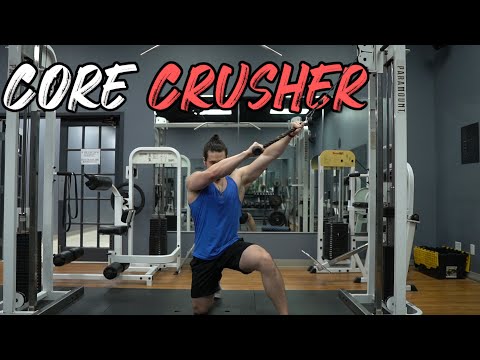
Half Kneeling Cable External Rotation Overview
The half kneeling cable external rotation is a small but key move. It builds the deep muscles of your shoulder. These help keep your shoulder joint safe and strong. You kneel on one knee beside a cable machine. You rotate your arm outward against the cable. You need a cable machine set at elbow height. It also works your middle back a little. This move is for intermediate lifters. It is not about big weight. It is about control and shoulder health. Strong deep shoulder muscles protect you during presses and rows. The half kneeling position keeps your body steady. It stops you from cheating. You can do this at the end of an upper body day. It works great as a warm-up too.
What Is The Point of the Half Kneeling Cable External Rotation?
The half kneeling cable external rotation strengthens your shoulder's rotator cuff muscles. It fixes shoulder imbalances and prevents injury from lifting.
How To Do The Half Kneeling Cable External Rotation
- Set the cable pulley to about elbow height and attach a single handle. Kneel down on the leg closest to the machine, so your inside knee is on the floor and your outside foot is planted in front for balance.
- Grab the handle with your outside arm, the one farthest from the machine. This sets up the correct line of pull for rotating your shoulder outward against the cable.
- Tuck your elbow tight against your side and bend it to 90 degrees. Keeping the elbow pinned to your ribs is essential, since it isolates the rotator cuff instead of letting the bigger muscles take over.
- Start with your forearm across your body, your hand pointing toward the machine, feeling a light stretch in the back of your shoulder. Brace your core and keep your torso tall and square.
- Take a breath and keep your shoulder down, away from your ear. A shrugged shoulder recruits the traps and defeats the purpose of this small, precise movement.
- Rotate your forearm outward, away from your body, keeping your elbow glued to your side the whole time. Move only at the shoulder joint, opening your arm like a gate on a hinge.
- Go only as far as you can while keeping the elbow tucked, usually until your forearm points straight ahead or slightly out. Do not force extra range by letting the elbow drift.
- Pause briefly at the end and feel the muscles at the back of your shoulder working. Then rotate slowly back across your body under control, resisting the cable on the way in.
- Keep the movement smooth and controlled with light weight. This is a rotator cuff exercise, so the half kneeling cable external rotation works best in the 12 to 20 rep range for 2 to 4 sets.
Half Kneeling Cable External Rotation Form Tips
- Keep your elbow pinned to your side the whole time.
- Bend your elbow to 90 degrees and hold it there.
- Move only your forearm. Rotate from the shoulder joint.
- Keep your body tall and still. Do not twist your torso.
- Move slowly. This is a control move, not a power move.
- Squeeze the small muscles behind your shoulder as you rotate.
- Return slowly. Do not let the cable snap your arm back.
- Breathe out as you rotate out. Breathe in as you return.
- Keep your wrist straight and firm.
Common Mistakes to Avoid for the Half Kneeling Cable External Rotation
- Using too much weight. The rotator cuff is small and easily overpowered, and heavy loads force the bigger muscles to cheat the movement. Pick a light weight you can rotate slowly and precisely, since this is about control, not maxing out.
- Letting your elbow drift away from your side. When the elbow leaves your ribs, the movement stops isolating the cuff and turns into a general shoulder pull. Keep the elbow pinned tight, or tuck a rolled towel between your elbow and body as a reminder.
- Moving your whole arm instead of just rotating. If your upper arm swings out, you lose the isolation and stress the shoulder differently. The only thing that should move is your forearm rotating around the fixed elbow.
- Shrugging your shoulder up toward your ear. Letting the trap hike up recruits the wrong muscle and can strain your neck. Keep your shoulder set down and back so the cuff does the work.
- Rushing the reps. Snapping the arm out and letting it fly back wastes the exercise and can irritate the joint. Move slowly in both directions and control the return especially.
- Rotating too far past your comfortable range. Forcing extra external rotation by letting form break can pinch or strain the shoulder. Stop where you can keep the elbow tucked and the movement clean.
- Collapsing your torso to the side. Leaning your body to help move the weight defeats the purpose and reduces stability. Stay tall in the half-kneeling stance with your core braced and hips square.
- Bending or cocking your wrist. Curling the wrist takes over some of the work and leaks force from the shoulder. Keep the wrist straight and neutral so the rotation comes purely from the shoulder.
- Ignoring the eccentric. Letting the cable yank your arm back across your body wastes the controlled return that builds cuff resilience. Resist the cable and lower under control every rep.
- Setting the pulley at the wrong height. If the cable is far above or below your elbow, the line of pull changes and the cuff works less directly. Set the pulley at roughly elbow height for the cleanest line.
- Holding your breath and tensing everything. Overgripping and clenching your whole body takes focus off the small target muscles. Breathe normally, stay relaxed elsewhere, and let the cuff do its job.
- Skipping this because it feels too easy. Treating cuff work as unimportant leads to nagging shoulder issues down the road. Respect it as prehab that keeps your pressing and pulling healthy for years.
Half Kneeling Cable External Rotation Workout Tips
- Use this as a warm-up before pressing or pulling. Priming the rotator cuff wakes up the muscles that stabilize your shoulder and makes your big lifts feel more solid.
- Keep the weight light and the reps higher. The cuff responds to control and endurance, so 12 to 20 reps with perfect form beats heavy grinding every time.
- Pin your elbow to your side without fail. Placing a rolled towel between your elbow and ribs gives you instant feedback if the elbow starts to drift.
- Focus on feeling the back of your shoulder work. The mind-muscle connection matters even more here because the target muscles are small and easy to bypass.
- Move slowly in both directions. A controlled rotation out and an even slower return builds the cuff's ability to stabilize under load.
- Program it two to three times a week as prehab. Consistent, low-fatigue cuff work is one of the best insurance policies for your shoulders.
- Keep your shoulder pulled down and back. A set shoulder blade gives the cuff a stable base and keeps the traps from taking over.
- Stay tall in the half-kneeling stance. The position challenges your core and hips to stay steady, which adds a stability benefit beyond the shoulder.
- Progress weight in tiny increments. The cuff is small, so even a small jump is meaningful, and rushing the load invites irritation.
- Match your reps and effort on both arms. Most people have a stronger, more mobile side, so train the weaker shoulder just as hard to keep them balanced.
- Pause at the end range for a beat on some sets. Holding the fully rotated position teaches the cuff to produce force where the shoulder is most vulnerable.
- Do not chase a pump or a burn here. This is precision work, so judge it by how controlled and clean it feels, not by how much it aches.
- Pair external and internal rotation work over time. Training both sides of the cuff keeps the shoulder balanced and resilient.
- Film from the front to check your elbow position. A quick video shows if the elbow is drifting or the shoulder is shrugging.
- Fit it in on upper-body days year round. Healthy shoulders are what let you keep pressing and pulling hard, so never skip the small stuff.
- Be consistent and patient. Cuff strength and shoulder health are built quietly over months and keep you lifting pain-free for the long run.








Questions & Comments
Be the first to ask a question about this exercise.