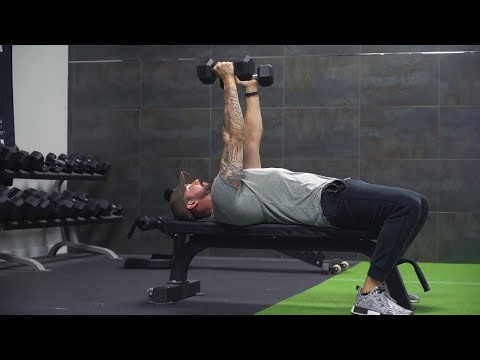
Dumbbell Flys Overview
Dumbbell flys build a wide, strong chest. They work your chest muscles most of all. They also work the front of your shoulders. You lie on a flat bench and hold a dumbbell in each hand. Then you open your arms wide and bring them back together. Dumbbell flys give your chest a big stretch. This helps it grow full and wide. The move keeps steady tension on the muscle. It is a good pick once you know basic presses. Use a light to medium weight and go slow. Use dumbbell flys on chest day or push day. They work well after your big pressing moves.
What Is The Point of the Dumbbell Flys?
Dumbbell flys build chest width and create that coveted rounded chest look. They stretch your pecs through a full range of motion for maximum muscle growth.
How To Do The Dumbbell Flys
- Grab a pair of moderate dumbbells and sit on a flat bench with the weights resting on your thighs. Use your legs to help kick them up into position as you lie back so you do not strain your shoulders.
- Lie back and press the dumbbells up over your chest with your palms facing each other. Set your shoulder blades down and back into the bench to build a stable, safe base.
- Plant your feet flat on the floor and brace your core. Keep a soft, fixed bend in your elbows that you will hold constant for the whole set, because this is not a pressing movement.
- Take a breath and lower the dumbbells out to the sides in a wide arc. Think of the movement as hugging a big tree, opening your arms while keeping that same elbow bend.
- Lower until you feel a strong, comfortable stretch across your chest, with your upper arms roughly level with your torso. Do not drop below the point where the stretch turns into shoulder strain.
- Feel the chest lengthen at the bottom, but stay in control and never let the weights pull your shoulders past a safe range. The stretch is the whole reason the fly builds the chest so well.
- Bring the dumbbells back up in the same wide arc by squeezing your chest, as if you are closing your arms around that tree. Keep the elbow angle fixed the entire way up.
- Stop just before the dumbbells touch at the top to keep tension on the chest, and squeeze your pecs hard. Lower slowly again and aim for 10 to 15 controlled reps.
Dumbbell Flys Form Tips
- Keep a soft bend in your elbows. Lock that bend in place.
- Move in a wide arc, like hugging a barrel.
- Lower until you feel a good chest stretch. Do not overdo it.
- Squeeze your chest to lift, not your arms.
- Keep your back flat on the bench. Do not arch hard.
- Keep your feet planted for a strong base.
- Move slowly both ways. No fast drops.
- Do not press the weights. Keep the arc.
- Breathe in as you lower. Breathe out as you lift.
Common Mistakes to Avoid for the Dumbbell Flys
- Turning the fly into a press. If you bend and straighten your elbows to push the weight, you recruit the triceps and lose the chest isolation. Keep a soft, fixed elbow bend the whole set and move only at the shoulder so the pecs do the work.
- Going too heavy. Flys put the chest in a stretched, vulnerable position, and too much weight strains the shoulders and forces you to cheat. Use a moderate load you can control through a full arc, because this is a stretch and squeeze move, not a max effort lift.
- Dropping the dumbbells too low. Lowering past a safe stretch puts serious strain on the front of the shoulder. Stop when your upper arms are about level with your torso and you feel a strong but comfortable stretch, not pain.
- Straightening the elbows at the bottom. Locking your arms out under the stretched load hands the stress to your elbow and shoulder joints. Hold that soft bend consistently so the chest stays loaded and your joints stay protected.
- Rushing the eccentric. Letting the weights fall fast into the stretch wastes the best muscle building part of the rep and endangers the shoulder. Lower slowly over two to three seconds and stay in control at the bottom.
- Losing the shoulder blade set. If your shoulders round forward as you open your arms, you lose your stable base and stress the joint. Pin your shoulder blades down and back into the bench and hold that position throughout.
- Clanging the dumbbells together at the top. Banging the weights together removes tension and adds nothing. Stop just short of touching, squeeze the chest hard, and keep the pecs loaded the whole set.
- Cutting the range short. A shallow fly that barely opens the arms skips the stretch that makes the movement effective. Open your arms into a full, controlled stretch on every rep within your safe range.
- Flaring the arms straight out to shoulder level with locked elbows. That combination maximally stresses the shoulder joint. Keep the arc slightly lower than dead level and hold the bent elbow to keep the chest working safely.
- Bouncing out of the bottom. Using the stretch reflex to rebound the weights risks the shoulder and steals reps from the chest. Reach a controlled stretch, then squeeze the pecs to bring the arms back up deliberately.
- Holding your breath through the reps. Locking your breath spikes your pressure and makes you tense in a position you want to be stable in. Breathe in as you lower and out as you squeeze the weights up.
Dumbbell Flys Workout Tips
- Use dumbbell flys to hammer the stretch and the chest fibers a press cannot fully reach. The wide arc loads the pecs in their lengthened position, which is prime territory for building the chest.
- Keep a soft, fixed elbow bend the entire set. This single cue is what keeps the fly a chest exercise instead of letting it drift into a clumsy press.
- Emphasize a slow, controlled eccentric. Lower over two to three seconds into a strong stretch, since that loaded stretch is one of the best drivers of chest growth.
- Think hugging a tree as you move. Picturing your arms wrapping around a wide trunk keeps the arc correct and the chest engaged from stretch to squeeze.
- Stop just short of touching the dumbbells at the top. Keeping them apart maintains tension on the chest and stops you from resting at lockout.
- Keep the reps moderate, around 10 to 15. Flys reward control and feel over heavy load, and this range lets you keep tension through the full arc.
- Set your shoulder blades down and back before every set. That retracted base protects your shoulders and puts the chest in the strongest position to stretch and contract.
- Program flys after your pressing on chest day. Presses build the mass and strength, and flys finish the chest with a deep stretch and a strong squeeze.
- Try flys on an incline or decline bench for variety. An incline shifts the stretch toward the upper chest, while a decline emphasizes the lower, giving you full development.
- Add weight only in small, honest jumps. Progressive overload builds the chest, but with flys you must keep the safe range and control, so nudge the load up conservatively.
- Squeeze your pecs hard at the top of each rep. A deliberate contraction where the chest is fully shortened reinforces the mind-muscle connection and gets more from every rep.
- Match effort on both arms. Even with two dumbbells, a stronger side can subtly do more, so keep the arc and tempo identical on each side.
- Do not chase depth at the cost of your shoulders. The stretch is valuable only while it stays comfortable, so respect the point where it starts to strain the joint.
- Film yourself from the side occasionally. Video shows whether your elbows are staying fixed and whether you are dropping too low, which is hard to judge by feel.
- Use flys as a finisher with slightly higher reps for a strong pump. Chasing a deep chest pump at the end of your session is both effective and satisfying.
- Be patient and consistent. A full, well developed chest comes from steady pressing and stretch work over months, so keep refining your fly technique.








Questions & Comments
Be the first to ask a question about this exercise.