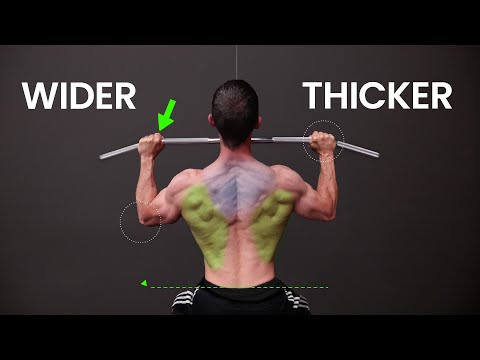
Cable Row with Lat Bar Overview
The cable row with lat bar is a seated back move. You sit at a cable station and hold a wide lat bar. You pull the bar to your chest. It works your middle back, the muscles between your shoulder blades. It also works your lats, biceps, and shoulders. You need a cable machine with a lat bar. This move builds a wide, strong back. The steady cable pull helps you feel each rep. It also helps your posture. The wide bar hits your upper back well. It fits well on back days or pull days. The cable row with lat bar is great for beginners learning to pull.
What Is The Point of the Cable Row with Lat Bar?
The cable row with lat bar builds a strong, thick back while improving posture. It targets your middle back muscles and helps create that V-shape look.
How To Do The Cable Row with Lat Bar
- Sit at the cable row station and place your feet firmly on the platform with your knees slightly bent. Grab the lat bar with a wide overhand grip and slide back until your arms are fully extended.
- Sit tall with your chest up and a natural arch in your lower back. Set your shoulders down and back and brace your core so your torso stays upright and stable.
- Let the weight stretch your lats at the start, feeling your shoulder blades spread forward. Keep just enough tension so the stack does not fully rest between reps.
- Pull the lat bar toward your lower chest by driving your elbows back and down. Lead with the elbows so your back muscles, not your arms, do the pulling.
- As you pull, squeeze your shoulder blades together and think about pulling your elbows toward your back pockets. Keep your wrists straight and the bar path smooth.
- Bring the bar to your lower chest or upper stomach and hold the peak contraction for a second, feeling your mid back and lats fully engage. Keep your chest tall and do not lean back excessively.
- Return to the start slowly and under control, letting your arms fully extend and your shoulder blades spread forward again for a full stretch. Do not let the weight yank you forward.
- Maintain an upright, strong posture the whole time and avoid rocking back and forth for momentum. This is a great beginner back builder, so work in the 10 to 15 rep range for 3 to 4 sets.
Cable Row with Lat Bar Form Tips
- Sit up tall with your chest proud.
- Keep a slight bend in your knees.
- Pull the bar to your lower chest.
- Squeeze your shoulder blades at the end.
- Lead with your elbows, not your hands.
- Keep your shoulders down, away from your ears.
- Do not lean way back to pull.
- Breathe out as you pull. Breathe in as you return.
- Move slow and smooth both ways.
Common Mistakes to Avoid for the Cable Row with Lat Bar
- Rocking back and forth for momentum. Heaving your torso backward to start the pull and swinging forward on the return uses momentum instead of your back and strains your lower spine. Keep your torso mostly still and let your back muscles do the work.
- Pulling with your arms instead of your back. If you yank with your biceps, your lats and mid back barely fire. Drive your elbows back and down and think about squeezing your shoulder blades together to make the back the prime mover.
- Rounding your lower back. Slumping forward under load, especially at the stretch, puts your discs at risk and kills the back contraction. Sit tall with a natural arch and keep your chest up throughout.
- Leaning back too far at the top. Reclining your torso well past upright turns the row into a lower back movement and uses momentum. Stay close to vertical and let the range come from your arms and shoulder blades.
- Shrugging your shoulders up. Letting your traps ride toward your ears takes tension off the lats and mid back. Keep your shoulders pulled down as you row and drive the elbows toward your back pockets.
- Cutting the range short. Not pulling the bar all the way to your torso or not letting the arms fully extend trains only a slice of the movement. Pull to your lower chest and let the stretch happen at the front for full range.
- Letting the weight snap you forward. Releasing control on the return lets the stack yank your arms and shoulders. Return slowly under tension and let your shoulder blades spread for a real stretch.
- Skipping the peak squeeze. Racing through reps means the back never fully contracts. Hold the top for a second with the shoulder blades pinched to get the most from each rep.
- Using too much weight. Overloading the stack forces you to swing and cheat, which takes the back out of the lift. Pick a load you can row strictly with a clean squeeze at the top.
- Setting your feet poorly. Feet that slip or sit too low make you unstable and let the movement drift. Plant them firmly on the platform with a slight knee bend for a solid base.
- Holding your breath. Grinding without a breathing pattern hurts your control and spikes your pressure. Exhale as you pull and inhale as you return to the stretch.
Cable Row with Lat Bar Workout Tips
- Lead the pull with your elbows. Driving the elbows back and down rather than pulling with your hands makes your lats and mid back the prime movers, which is exactly what a good row should train.
- Squeeze your shoulder blades together and hold. A one second pause with the blades pinched at your lower chest teaches your back to fully contract and builds real thickness between the shoulder blades.
- Sit tall with a proud chest. An upright torso with a natural arch lets your shoulder blades move freely and keeps your lower back safe, while slumping ruins the contraction.
- Let your lats stretch at the front. Allowing your arms to fully extend and your shoulder blades to spread loads the lats in their lengthened position, which adds to the growth stimulus.
- Keep your torso mostly still. Resisting the urge to rock keeps the tension on your back and off your lower spine, so brace your core and let your arms and shoulder blades create the range.
- Use the wide overhand lat bar grip well. This grip biases the upper lats and mid back a bit more than a close neutral grip, so use it to build width and thickness through the back.
- Program this as a foundational back move. Its stable seated position and guided cable make it a great beginner rowing exercise, so use it early in a back session to build the pulling pattern.
- Control the return. Lowering the weight slowly keeps constant tension and adds time under load, so resist the stack on the way back rather than letting it yank you forward.
- Keep your shoulders pulled down. Consciously depressing the shoulders stops the traps from taking over and keeps the work in the lats and mid back where you want it.
- Use moderate weight and higher reps. A load you can row cleanly for 10 to 15 reps builds more back than a heavy stack you have to swing, so leave your ego at the door.
- Add weight in small steps over time. Progressive overload drives back growth, so nudge the stack up when you can hit clean reps with a full squeeze at the top.
- Brace your core to stay upright. A tight midsection stops you from rocking and protects your lower back, keeping the movement strict and effective.
- Try different bar heights or angles. Rowing to the upper stomach versus the lower chest shifts the emphasis slightly, giving you a simple way to hit the back from different angles.
- Use the mind muscle connection. Think about the muscles of your back doing the pulling rather than just moving the bar, and you will feel the row far more.
- Do not train to failure every set. Leaving a rep or two in the tank keeps your form clean and lets you recover to hit your back hard again soon.
- Film from the side occasionally. A quick video shows whether you are rounding, leaning too far back, or pulling with your arms, which is hard to feel during the set.
- Be patient building your back. A thick, wide back comes from months of consistent, strict rowing, so keep the reps clean and the loads progressing over time.








Questions & Comments
Be the first to ask a question about this exercise.