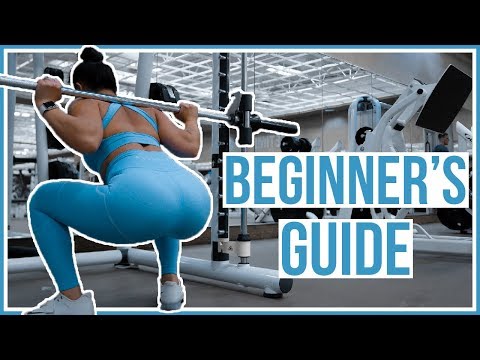
Wide Smith Machine Squat Overview
The wide smith machine squat works your quads. Those are the big muscles on the front of your thighs. It also hits your glutes, hamstrings, and inner thighs. You stand under the smith machine bar with a wide stance. The bar rests on your upper back. The machine guides the bar on a fixed path. That helps you stay balanced. The wide stance brings your inner thighs into the work. This move is great for beginners. The fixed bar path makes it easy and safe to learn. The wide smith machine squat builds strong legs and a firm butt. The wide stance also works your inner thighs more than a normal squat. It fits well early in a leg day. Use it to build size and power in your legs. Move slow and squat deep.
What Is The Point of the Wide Smith Machine Squat?
The wide smith machine squat builds serious quad strength while hitting your glutes and inner thighs harder than regular squats. Perfect for beginners who want stable support.
How To Do The Wide Smith Machine Squat
- Set the Smith machine bar at shoulder height and step under it with your feet wider than shoulder width. The fixed bar path lets you focus on a wide stance without worrying about balance.
- Position the bar across your upper traps, not your neck, and grip it firmly. Unrack it by standing up and rotating the hooks to release, then settle into your stance.
- Set your feet well outside shoulder width with your toes turned out to about 30 degrees. This wide stance brings the adductors and glutes into play alongside the quads.
- Stand tall with your chest up and core braced. Take a big breath into your belly and brace hard before the first rep.
- Begin the descent by pushing your hips back and bending your knees together, lowering under control over about 2 to 3 seconds. Keep your chest up and let the knees track out over your toes.
- Descend until your thighs are about parallel to the floor, feeling a stretch in your quads and inner thighs. Keep your heels planted and your torso strong.
- Keep your knees pushing out in line with your toes at the bottom and do not let them cave inward, which protects the joint and loads the glutes and adductors.
- Drive through your heels to stand back up, squeezing your glutes at the top to finish the rep. Breathe out through the hardest part of the ascent.
- Reset your breath and brace, and repeat for 8 to 12 reps for 3 to 4 sets. Rack the bar by rotating the hooks when you are done.
Wide Smith Machine Squat Form Tips
- Keep your chest up and tall the whole time.
- Set your feet wide with your toes turned out a little.
- Push your knees out over your toes. Do not let them cave in.
- Move slowly on the way down. Drive up with control.
- Push through your heels, not your toes.
- Squat down until your thighs reach parallel.
- Keep your belly tight to hold your back safe.
- Breathe in as you lower. Breathe out as you stand.
- Squeeze your glutes at the top of each rep.
Common Mistakes to Avoid for the Wide Smith Machine Squat
- Letting the knees cave inward. Knees collapsing in during a wide squat stresses the joint and wastes force from the glutes and adductors. Actively push the knees out to track over your toes on the way down and up.
- Setting the stance too wide to squat properly. An extreme stance can strain the hips and stop you reaching depth. Take a stance that is wide but still lets you hit parallel with your knees tracking over your toes.
- Resting the bar on your neck. Placing the bar on your neck instead of your upper traps is uncomfortable and unsafe. Set it across the meaty part of your upper back and grip firmly.
- Cutting the depth short. Stopping high only trains part of the range and shorts your quads, glutes, and inner thighs. Descend to about parallel while keeping a strong, upright torso.
- Leaning too far forward. Folding at the hips shifts the load off the quads and stresses the lower back. Keep your chest up and your torso as upright as the stance allows.
- Rising onto the toes. Coming up onto the toes throws you forward and off balance. Keep your heels planted and drive through your mid-foot and heels.
- Going too heavy too soon. Ego loading a squat wrecks your depth and knee tracking. Pick a weight you can control through a full range and add load in small steps.
- Rushing the descent. Dropping fast into the bottom wastes the eccentric and can bounce you out of position. Control a 2 to 3 second descent and stay tight.
- Not bracing the core. A weak brace lets your torso collapse forward under the bar. Take a big breath and brace hard before every rep to protect your spine.
- Trusting the Smith path to fix your form. The fixed bar helps balance but does not brace your spine or track your knees for you. Keep your core tight and your knees out just as you would with a free bar.
- Squatting with an uneven stance. Setting one foot wider or more turned out than the other loads the legs unevenly and can build an imbalance. Set a symmetrical stance and check it before you unrack.
Wide Smith Machine Squat Workout Tips
- Take a wide stance with toes turned out. The wide setup brings the adductors and glutes into the squat alongside the quads for fuller leg development.
- Push your knees out over your toes. Driving the knees outward protects the joint and lets the glutes and inner thighs contribute to the lift.
- Use the fixed bar path to focus on depth and drive. The Smith machine removes the balance challenge, letting beginners squat with confidence.
- Keep your chest up and torso strong. An upright torso keeps the load on the quads and off the lower back.
- Descend under control to parallel. A full range with a slow eccentric builds the legs far more than short, shallow reps.
- Set the bar on your upper traps. A proper bar placement is comfortable and safe, so grip firmly and settle it into the meat of your upper back.
- Program it as a beginner-friendly squat. The stability of the Smith machine makes it a great place to learn squat mechanics and build leg strength.
- Aim for 8 to 12 reps for 3 to 4 sets. The wide stance suits moderate reps well for building the quads and glutes.
- Add weight in small, steady jumps. Progress the load only when your depth and knee tracking stay clean, which is progressive overload done right.
- Drive through your heels. A grounded foot gives you a stable base and lets you push the floor away with power.
- Feel the stretch in your inner thighs. The wide stance loads the adductors, so use it if you want to bring up your inner-thigh development.
- Reset your brace between reps. A fresh breath at the top keeps your trunk tight and your spine safe.
- Film your set from the side and front. Video shows depth and knee tracking far better than how the lift feels.
- Do not let the Smith machine make you lazy. Brace and track your knees just as hard as you would with a free bar.
- Warm up the hips and legs. Some bodyweight squats and hip openers prime you for a wide, deep stance.
- Be consistent and progress steadily. Legs grow from regular squatting with gradual load increases over months.








Questions & Comments
Be the first to ask a question about this exercise.