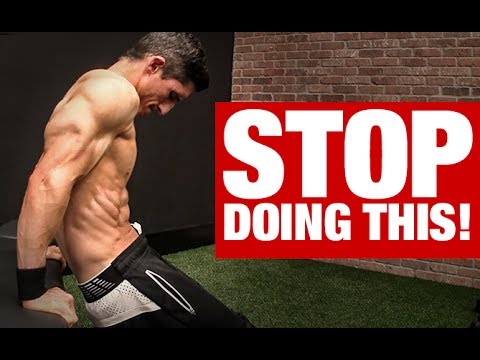
Single Bench Dip Overview
The single bench dip works your triceps. The triceps are the muscles on the back of your upper arm. It also works your chest and shoulders. You sit on the edge of a bench. You slide your hips off and hold your weight on your arms. Then you bend and push through your arms. You only need one bench. This move is great for beginners. It uses just your body weight. That makes it easy to try at home or the gym. It builds strong arms and helps with push-ups. The single bench dip also warms up your shoulders. Use it on an arm or push day. It works well near the end of your workout.
What Is The Point of the Single Bench Dip?
Single bench dip builds strong triceps and improves pushing power. It's a simple bodyweight move that hits your arms hard while working your chest and shoulders too.
How To Do The Single Bench Dip
- Sit on the edge of a sturdy bench and grip the front edge just outside your hips, fingers pointing forward toward your feet. A solid grip on a stable bench is your whole base, so make sure it will not slide.
- Walk your feet out and slide your butt off the bench so your weight is supported on your hands and heels. Keep your legs bent with feet flat, or straighten them for a harder version.
- Set your shoulders down and back and brace your core so your torso stays upright and close to the bench. Do not let your shoulders shrug up toward your ears.
- Lower your body by bending your elbows straight back, not out to the sides, until your elbows reach about 90 degrees. Keep your back skimming close to the bench the whole way down.
- Feel the stretch and load through your triceps at the bottom, with your chest up and your hips near the bench. Stop at about 90 degrees rather than sinking deeper and stressing the shoulder.
- Descend under control over about 2 seconds rather than dropping. The controlled lowering is where much of the triceps work happens.
- Push hard through your palms to straighten your arms and drive your body back up, squeezing the triceps at the top. Stop just short of locking the elbows to keep tension on the muscle.
- Keep your hips close to the bench throughout and repeat for 10 to 15 reps across 3 sets. To make it harder, straighten your legs or rest a plate on your thighs.
Single Bench Dip Form Tips
- Keep your back close to the bench the whole time.
- Point your fingers forward toward your feet.
- Bend your elbows straight back, not out to the sides.
- Lower until your elbows reach about 90 degrees.
- Push through your palms to rise back up.
- Keep your shoulders down, away from your ears.
- Move slow and with control. Do not drop down fast.
- Breathe in as you lower. Breathe out as you push.
- Keep your chest up and your head tall.
Common Mistakes to Avoid for the Single Bench Dip
- Letting your hips drift forward away from the bench. When your body slides out, the shoulder takes the strain and the triceps do less. Keep your back skimming close to the bench edge so the load stays on your triceps and off the joint.
- Flaring your elbows out to the sides. Elbows that wing outward stress the shoulder and rob the triceps of tension. Keep the elbows pointing straight back and hinging behind you through the whole rep.
- Sinking too deep at the bottom. Dropping below about 90 degrees overstretches the shoulder capsule and can cause pain. Stop when your elbows reach roughly 90 degrees where the triceps are loaded and the joint is safe.
- Shrugging your shoulders up toward your ears. A hiked shoulder puts the traps and joint under strain and collapses your posture. Set the shoulders down and back and keep your neck long throughout.
- Bouncing at the bottom to pop back up. Using a bounce steals reps from the triceps and jars the shoulder. Lower under control, pause briefly, and press up with muscle, not momentum.
- Using your legs to push through the sticking point. Driving hard with your feet turns it into a leg-assisted cheat and cuts the triceps out. Keep your legs light and let your arms do the pressing.
- Only going halfway down. A short range trains only a slice of the triceps and shortchanges your results. Lower to a full 90 degrees at the elbow on every rep unless a shoulder issue says otherwise.
- Gripping a bench that can slide. An unstable base can shoot out from under you mid-rep. Use a heavy, fixed bench and set your hands firmly before you unload your weight.
- Dropping fast on the way down. Rushing the descent wastes the eccentric, one of the best muscle-building parts of the rep. Lower over about 2 seconds and stay in control.
- Locking the elbows hard at the top. Slamming into a full lockout takes tension off the triceps and stresses the joint. Stop just short of lockout and keep the muscle working.
- Letting the shoulders roll forward at the bottom. Rounded, forward shoulders under load is where dip pain usually starts. Keep the chest up and the shoulder blades set to protect the joint.
Single Bench Dip Workout Tips
- Keep your hips close to the bench so the triceps carry the load. Drifting forward just shifts the strain onto your shoulders.
- Point your elbows straight back and hinge them behind you. That path loads the triceps and keeps the shoulder joint safe.
- Stop at about 90 degrees of elbow bend rather than sinking deeper. Extra depth on a bench dip mostly stresses the shoulder without adding triceps work.
- Control the descent over about 2 seconds. The slow eccentric keeps tension on the triceps and builds more than dropping fast.
- Scale the difficulty with your legs. Bend your knees to make it easier, straighten them to make it harder, and progress as you get stronger.
- Add load by resting a plate or dumbbell on your thighs once bodyweight gets easy. That is progressive overload for a bodyweight move.
- Squeeze the triceps at the top and stop just short of lockout. Keeping tension on the muscle beats resting at the joint.
- Chase the mind-muscle connection by thinking about extending the elbow with your triceps. Feeling the target muscle helps it grow.
- Program bench dips as a triceps finisher after presses. They pump the triceps hard at the end of a push day.
- Keep your shoulders packed down and back the whole set. A set shoulder is a safe shoulder under dip loads.
- If your shoulders ache, reduce your depth or switch to a triceps pushdown. There is no prize for grinding through joint pain.
- Keep reps in the 10 to 15 range for a strong pump and clean form. Very high sloppy reps just beat up the shoulder.
- Use a stable, heavy bench so your base never shifts. A sliding bench is how dip accidents happen.
- Pair bench dips with overhead extensions for complete triceps work. Each hits the muscle at a different length.
- Keep your chest tall and core braced so your torso stays upright. Good posture keeps the load on the triceps.
- Be consistent and add small challenges over time. Bigger triceps come from steady overload, not one brutal session.








Questions & Comments
Be the first to ask a question about this exercise.