Shrug Overview
The shrug is a simple move for your traps. Your traps, or trapezius, are the muscles at the top of your back and neck. You hold a dumbbell in each hand. Then you lift your shoulders straight up toward your ears. You lower them back down slow. That is the whole move. You need a pair of dumbbells. The shrug builds thick, strong traps. Strong traps help your posture and your neck. They also help you carry and pull heavy things. The shrug is easy to learn, so beginners can start here. Put it near the end of a back day or a shoulder day. It works best with slow, controlled reps and a good squeeze at the top.
What Is The Point of the Shrug?
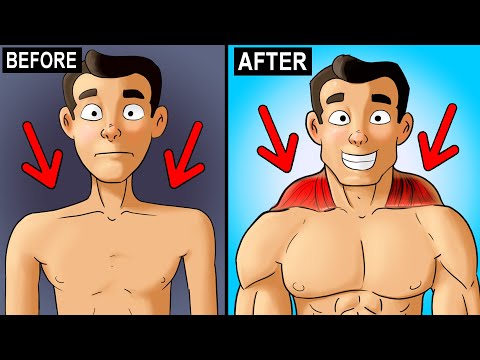
The shrug exercise builds strong, well-defined trap muscles. It fixes poor posture and creates that powerful upper back look.
How To Do The Shrug
- Stand tall with your feet about hip-width apart and hold a dumbbell in each hand at your sides. Let your arms hang straight down with your palms facing your body.
- Set your posture before you lift. Lift your chest, pull your shoulders back, and keep a tall, neutral spine with your core lightly braced.
- Keep your arms straight and relaxed for the whole movement. Your arms are just hooks holding the weight, and bending them turns the shrug into a partial curl that steals work from your traps.
- Take a breath and lift your shoulders straight up toward your ears as high as you can. Think about shrugging them up, not rolling them, and drive the motion purely from your traps.
- Raise your shoulders as high as possible at the top. The higher you elevate them under control, the more you shorten and work the upper trapezius.
- Hold the top position for a full second and squeeze your traps hard. That deliberate pause at the top is where the muscle really gets worked, so do not rush past it.
- Lower your shoulders back down slowly over about two to three seconds. Let your traps stretch fully at the bottom rather than dropping the weight and losing tension.
- Keep your neck relaxed and avoid jutting your head forward or shrugging your chin up. Move only your shoulders and keep everything above the neck still.
- Breathe out as you shrug up and in as you lower, and aim for around 12 to 20 reps per set since the traps respond well to higher reps and a strong squeeze.
Shrug Form Tips
- Stand tall the whole time. Do not lean or sway.
- Keep your arms straight. Do not bend your elbows to pull.
- Lift your shoulders straight up. Aim for your ears.
- Do not roll your shoulders. Straight up and straight down.
- Squeeze your traps at the top. Hold for a second.
- Lower slow and controlled. Do not drop your shoulders.
- Keep your core tight. This holds your body steady.
- Look straight ahead. Keep your neck relaxed.
- Breathe out as you lift. Breathe in as you lower.
Common Mistakes to Avoid for the Shrug
- Rolling your shoulders in circles instead of shrugging straight up. Rolling adds no extra trap work and grinds the shoulder joint through a pointless path. Lift your shoulders straight up toward your ears and lower them straight back down.
- Bending your arms and turning it into a curl. If your elbows bend, your biceps take over and rob the traps of the work. Keep your arms straight and relaxed, treating your hands as simple hooks for the weight.
- Not going high enough at the top. A tiny half-shrug barely shortens the trapezius and wastes the rep. Drive your shoulders up as high as you can and try to touch them to your ears.
- Skipping the squeeze at the top. Blowing through the top position leaves the most productive part of the shrug on the table. Pause for a full second and squeeze your traps hard before lowering.
- Dropping the weight fast on the way down. Rushing the lowering phase throws away the eccentric, which is prime muscle-building tension. Lower your shoulders slowly over two to three seconds and feel the stretch at the bottom.
- Jutting your head and neck forward. Pushing your chin out as you shrug strains your neck and changes the angle of pull. Keep your head stacked over your shoulders and your neck relaxed throughout.
- Using too much weight and bouncing. Overloading forces you to heave with your whole body and cut the range short. Pick a weight you can shrug cleanly to full height for all your reps, then add load slowly.
- Cutting the range of motion short at the bottom. Not letting the shoulders fully lower keeps some tension but skips the stretch that helps drive growth. Let your traps lengthen fully at the bottom of each rep.
- Leaning or swinging your torso to help. Rocking your body to fling the weight up turns a strict shrug into a cheat. Stand tall, brace your core, and move only your shoulders.
- Tensing and shrugging with your neck muscles. Straining your neck instead of your traps causes tightness and headaches. Relax your neck and let the big trapezius muscles do the lifting.
- Ignoring tempo and just banging out reps. Fast, thoughtless shrugs build little because the traps thrive on control and squeeze. Slow down, pause at the top, and control the descent on every rep.
Shrug Workout Tips
- Lift your shoulders straight up toward your ears, not in circles. A clean vertical path targets the upper traps directly and keeps your shoulder joints healthy.
- Keep your arms straight and treat your hands as hooks. When your elbows stay locked, the traps do all the work instead of your biceps sneaking in.
- Chase the mind-muscle connection with your traps. Think about squeezing your shoulders up to your ears rather than just lifting the dumbbells, since feeling the muscle work builds it.
- Add a full one second squeeze at the top of every rep. Pausing at peak contraction is where the shrug earns its results, so never rush past it.
- Control the lowering phase over two to three seconds. A slow eccentric keeps tension on the traps and builds more than dropping the weight.
- Let your traps stretch fully at the bottom. Getting that stretch before each rep loads the muscle through a bigger range and adds to your growth.
- Train shrugs for higher reps, roughly 12 to 20 per set. The traps are a stubborn, endurance-heavy muscle that responds well to volume and a strong squeeze.
- Program shrugs at the end of a pull or shoulder day. They are an isolation move, so save your energy for the big lifts first and finish with traps.
- Progress by adding small amounts of weight while keeping full range. Steady, controlled load jumps are progressive overload that actually builds thick traps.
- Try holding the top squeeze for two or three seconds on your last set. A longer hold cranks up the time under tension and deepens the burn.
- Keep your neck relaxed and your head stacked over your shoulders. A neutral neck protects the small muscles there and keeps the work in the traps.
- Do not swing or lean to move the weight. Standing tall and moving only your shoulders keeps every rep strict and effective.
- Swap in a barbell or trap bar for variety. Different tools change the angle slightly and can let you handle more load once dumbbells feel easy.
- Grip the dumbbells hard throughout the set. A strong grip stabilizes the whole arm and lets you handle heavier weight safely.
- Big, strong traps do wonders for your posture and your yoke. Well-developed traps pull your shoulders back and give your upper body a powerful, filled-out look.
- Be patient and consistent. Traps grow slowly for most people, so weeks of controlled, squeezed reps are what finally build the thickness you are after.








Questions & Comments
Be the first to ask a question about this exercise.