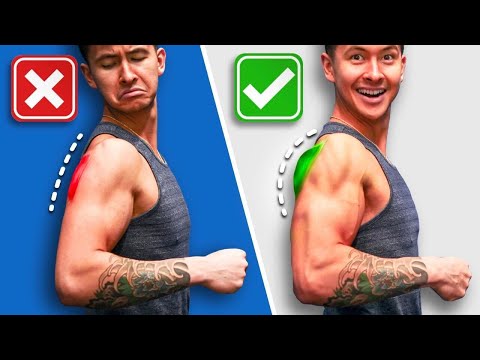
One Arm Cable Reverse Fly Overview
The one arm cable reverse fly works the back of your shoulder. You use a cable set at chest height and pull across your body. It works your rear delt, the muscle on the back of your shoulder. It also works your middle back, between your shoulder blades. You need a cable machine and a handle. You do one arm at a time. Working one arm helps you fix a weak side. The cable keeps steady pull the whole way. The one arm cable reverse fly is good for most lifters. It fits well on shoulder days or pull days. Use it to build round, balanced shoulders. Go light and move in a smooth, wide arc.
What Is The Point of the One Arm Cable Reverse Fly?
The one arm cable reverse fly targets your rear delts and mid-back muscles. It builds shoulder stability and fixes muscle imbalances from too much pressing.
How To Do The One Arm Cable Reverse Fly
- Set the cable pulley to about chest height and grab the handle with the hand opposite the machine, so you cross your body. Standing across from the pulley sets up the wide arc that hits your rear delt and middle back.
- Step back to create tension on the cable and plant your feet about shoulder-width apart with a slight bend in your knees. Brace your core so your torso stays stable as you pull.
- Start with your working arm across the front of your body, holding the handle with a slight bend in the elbow. Feel the tension already pulling on your rear delt before you move.
- Set your shoulder blade so it feels connected to your back rather than shrugged up. This keeps the rear delt and middle back in charge instead of your traps.
- Take a breath, brace, and pull the cable across and away from your body in a wide arc, leading with the back of your hand. Keep a fixed, slight elbow bend so the whole arm moves as one unit.
- Continue until your hand reaches about shoulder level and your arm is out to your side. Focus on squeezing your rear delt and the muscles of your middle back as you open up.
- Squeeze hard at the end of the arc and pause for a beat. This peak contraction is where the rear delt and mid-back work hardest, so really feel them engage.
- Slowly return to the starting position across your body under control, taking about 2 to 3 seconds. Fight the cable back rather than letting it snap your arm forward, keeping tension the whole way.
- Complete all your reps on one arm, then switch sides. Use a light to moderate weight and higher reps, around 12 to 20, since the rear delt responds best to controlled volume and a clean arc.
One Arm Cable Reverse Fly Form Tips
- Keep a small, steady bend in your elbow.
- Pull the cable in a wide arc, not a straight line.
- Bring your hand out to shoulder level.
- Squeeze the back of your shoulder at the end.
- Return the cable slow and with control.
- Plant your feet firm with a slight knee bend.
- Keep your core tight so you do not twist.
- Breathe out as you pull. Breathe in as you return.
- Use a light weight so your rear delt does the work.
Common Mistakes to Avoid for the One Arm Cable Reverse Fly
- Using too much weight. The rear delt is a small muscle, and a heavy cable forces you to twist your body and use momentum instead of isolating it. Go lighter and pull with a clean, controlled arc so the rear delt actually does the work.
- Twisting your torso to pull the cable. Rotating your body to help drag the handle across turns a strict fly into a momentum-driven cheat and takes the load off the rear delt. Keep your torso still and square, and let only your arm move through the arc.
- Bending your elbow too much and turning it into a row. Cranking the elbow bend lets your back pull the handle like a row instead of your rear delt lifting it in an arc. Keep a soft, fixed bend in your elbow and move the whole arm as one unit.
- Shrugging your shoulder up. Hiking your shoulder toward your ear brings your traps into the movement and buries the rear delt. Keep your shoulder settled down and think about the back of your shoulder driving the arc.
- Rushing the reps. Fast, jerky flies use momentum and skip the controlled tension the rear delt needs. Slow the tempo, especially the return, taking about 2 to 3 seconds to fight the cable back.
- Cutting the arc short. Not pulling your hand out to shoulder level skips most of the movement and the peak contraction. Open your arm through the full wide arc until your hand reaches roughly shoulder height, then squeeze.
- Losing tension on the way back. Letting the cable snap your arm forward hands your rest to the weight stack instead of your muscle. Control the return and keep constant tension on the rear delt the whole set.
- Standing in a weak, unstable position. Setting up with a narrow stance or no knee bend leaves you swaying as you pull, which invites cheating. Plant your feet shoulder-width with a slight knee bend and brace your core for a stable base.
- Leading with your thumb instead of the back of your hand. Turning the thumb up rotates the shoulder so the front delt takes over. Lead with the back of your hand so the rear delt stays in charge through the arc.
- Skipping the peak squeeze. Just reaching the end of the arc and letting the cable pull you back misses the contraction that makes the exercise work. Pause and squeeze the rear delt and mid-back hard at the end of every rep.
- Doing uneven reps between arms. Favoring your stronger side builds an imbalance in a muscle that is already easy to neglect. Match your reps and effort on both arms, and consider doing your weaker side first.
- Setting the cable at the wrong height. A pulley set too high or too low changes the line of pull away from the rear delt. Set it around chest height so the cable arcs across and hits the rear delt and middle back cleanly.
One Arm Cable Reverse Fly Workout Tips
- Go light and focus on feel. The rear delt responds to controlled tension, not heavy weight, so pick a load light enough to pull in a clean, wide arc without twisting.
- Use the cable for constant tension. Unlike dumbbells, the cable keeps steady tension through the whole arc, which makes it excellent for isolating the stubborn rear delt.
- Lead with the back of your hand. Keeping the back of your hand leading the arc rotates the shoulder so the rear delt does the work instead of the front delt.
- Live in higher rep ranges. Around 12 to 20 reps suits the rear delt and middle back well, so aim for 3 to 4 sets and chase a deep burn.
- Control the return on every rep. A slow 2 to 3 second return keeps the rear delt under tension and builds more muscle than letting the cable snap your arm back.
- Chase the mind-muscle connection hard. The rear delt is easy to miss, so really focus on feeling the back of your shoulder and mid-back work through the arc.
- Keep your torso still and square. A stable, braced torso stops you from twisting and forces the rear delt to move the cable on its own.
- Program it on pull or shoulder days. The rear delt gets neglected by most pressing, so dedicated single-arm work here balances your shoulders and improves posture.
- Squeeze at the end of the arc. A short pause and firm squeeze at the top sharpens the contraction and drives more growth in the rear delt and middle back.
- Match your reps on both arms. It is easy to favor your stronger side, so do the same reps on each and consider starting with your weaker arm.
- Set the cable at chest height. That height gives the cleanest line of pull across your body for the rear delt, so adjust the pulley before you start.
- Progress with tiny jumps or more reps. Because the muscle is small, add weight in small steps or add reps rather than big load increases.
- Film a set from the front. Video shows whether you are twisting or leading with your thumb far better than it feels while you pull.
- Keep a soft, fixed elbow bend. Locking the elbow angle stops the movement from turning into a row and keeps the rear delt in charge.
- Use it to fix rounded-shoulder posture. Stronger rear delts help pull your shoulders back, which both looks better and supports healthier pressing.
- Add it as a finisher for shoulders and back. A couple of high-rep single-arm sets at the end of your session flood the rear delts with a great pump.
- Be patient with rear delt growth. This muscle is stubborn and slow for most people, so consistent, focused volume over months is what finally develops it.








Questions & Comments
Be the first to ask a question about this exercise.