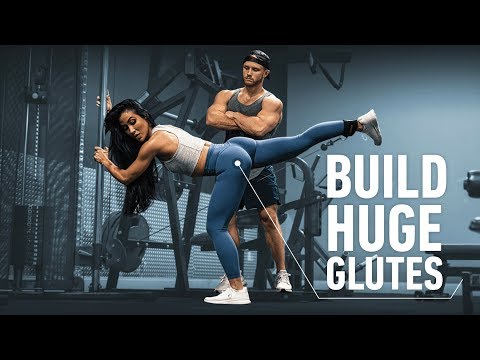
Glute Kick Back Overview
The glute kick back is a floor move for your glutes. Those are your butt muscles. You get on your hands and knees. Then you lift one leg straight back. It also works your hamstrings. Those are the muscles on the back of your thighs. You need no equipment. You just use your own body and some floor space. The glute kick back is great for beginners. It teaches you to feel your glutes work. It shapes and strengthens your butt. It also helps your hips stay healthy. A strong butt helps with squats and lunges. Do it at home or at the gym. It fits well in a warm-up or a leg workout.
What Is The Point of the Glute Kick Back?
The glute kick back exercise builds stronger, rounder glutes while improving hip stability. It's perfect for activating lazy glutes and adding shape to your backside.
How To Do The Glute Kick Back
- Start on your hands and knees in a tabletop position, with your wrists stacked directly under your shoulders and your knees under your hips. Spread your fingers wide and press the floor away so your upper back stays broad and supported.
- Set your spine in neutral, meaning a natural flat back with no sag in the middle and no rounding up top. Pull your belly button gently toward your spine to brace your core before you move.
- Keep a soft 90 degree bend in the working knee if you want to load the glute more, or extend the leg straight for a longer lever. Pick one and keep it consistent for the whole set.
- Drive the working leg back and up by squeezing the glute, not by swinging from momentum. Think about pushing your heel toward the ceiling rather than just lifting the leg.
- Stop the moment your thigh lines up with your torso, roughly parallel to the floor. Going higher only arches your lower back and hands the work to your spine instead of your glute.
- Squeeze the glute hard at the top and hold for a full second. That deliberate pause at peak contraction is where most of the muscle-building tension lives on this move.
- Lower the leg back down slowly under control, taking about two seconds. Stop just short of the floor so you keep constant tension on the glute rather than resting between reps.
- Keep your hips square to the floor the entire time and do not let them rotate open. Finish all your reps on one side, then switch, aiming for 12 to 20 reps per leg for 3 sets.
Glute Kick Back Form Tips
- Keep your back flat the whole time. Do not let it sag.
- Squeeze your glute at the top of each rep.
- Keep both hips facing the floor and level.
- Move only your leg. Keep the rest of your body still.
- Lift with your glute, not your lower back.
- Keep a small bend in your working knee.
- Breathe out as you kick back. Breathe in as you lower.
- Move slowly. Do not swing your leg up.
- Keep your neck long and your eyes down.
Common Mistakes to Avoid for the Glute Kick Back
- Kicking the leg too high and arching your lower back. Once your thigh passes parallel the extra range comes from your spine, not your glute, which loads the low back and takes the target muscle out of it. Stop when your thigh lines up with your torso and let the glute do all the work.
- Swinging the leg up with momentum instead of squeezing it. A fast, thrown kick lets your hip flexors and low back fling the leg while the glute barely fires. Slow the tempo right down and drive from a hard glute contraction so you actually feel the muscle working.
- Letting your hips rotate open toward the working side. When the pelvis twists, the load shifts off the glute and onto the lower back and the outer hip. Keep both hip bones pointing straight at the floor and think about keeping your hips level like a tabletop that must not spill.
- Sagging through the middle of your back. A drooping, hammocked spine under repeated reps nags the lower back and kills your core support. Brace your abs and keep a long, flat neutral spine from your head to your tailbone the entire set.
- Rushing the lowering phase and dropping the leg. Letting the leg fall wastes the eccentric, which is one of the most productive parts of the rep. Lower under control for about two seconds and resist gravity the whole way down.
- Resting the knee back on the floor between reps. Tapping down releases all the tension and lets the glute switch off mid-set. Stop just short of the ground and keep constant tension so every rep counts and the pump builds.
- Craning your neck up to look forward. Lifting your head kinks your neck and drags your upper spine out of line. Keep your neck long and your gaze down at the floor so your whole spine stays neutral.
- Shifting your weight into the supporting arms and shrugging your shoulders. Collapsing into your shoulders means your upper body is compensating and your core is loose. Press the floor away, keep your shoulders down and broad, and hold a stable base.
- Skipping the squeeze at the top. Blowing through peak contraction on an isolation move leaves a lot of stimulus on the table. Pause a full second with the glute fully shortened before you lower the leg.
- Bending and straightening the knee to fake extra range. Pumping the lower leg makes the rep look bigger while the hip barely moves. Keep the knee angle fixed and generate the movement from the hip so the glute stays in charge.
- Training one side much harder than the other. Most people have a stronger, more coordinated glute, and favoring it builds a visible imbalance over time. Start with your weaker side and match its rep count on the stronger one.
Glute Kick Back Workout Tips
- Squeeze the glute like you are trying to crack a walnut at the top of each rep. The mind-muscle connection matters more than range on this move, so feeling the glute fire is what actually builds it.
- Keep the knee bent at 90 degrees to bias the glute over the hamstring. The shorter lever puts the contraction squarely on the glute and lets you feel the muscle rather than the back of the thigh.
- Add a resistance band above your knees or an ankle weight once bodyweight feels easy. Progressive overload still applies to small isolation moves, and a little added load extends the challenge without wrecking your form.
- Pause a full second at the top on every rep. That deliberate hold at peak contraction squeezes extra tension out of the glute and teaches it to fire hard on command.
- Use a slow two second lowering phase. Controlling the eccentric keeps the glute under load the whole way down and builds more than letting the leg simply drop.
- Program this as a glute finisher or as activation before squats and lunges. Firing up the glutes first helps them switch on during your heavier compound lifts so they do their share of the work.
- Keep your hips dead level throughout, like you are balancing a glass of water on your lower back. Square hips force the glute to do the lift instead of the low back cheating.
- Do your weaker side first and let it set the rep count. Almost everyone has a stronger glute, and evening the work out now keeps both sides growing together.
- Stop the leg at torso height, not higher. Chasing extra height only arches the spine, so trading that fake range for a hard squeeze at parallel gives you far more glute and far less back.
- Try higher reps of 15 to 20 with a slow tempo. The glutes respond well to time under tension, and a burning, high-rep set drives a strong pump and plenty of stimulus.
- Cushion your working knee on a pad or folded mat. Comfort lets you focus on the contraction instead of the pressure on your kneecap, so you can push closer to real fatigue.
- Point the sole of your foot at the ceiling as you kick back. That small cue keeps the movement in the hip and helps you feel the glute drive the leg rather than the hamstring.
- Film a set from the side occasionally. A quick video shows whether your back is arching or your hips are twisting far better than how the reps feel in the moment.
- Breathe out as you kick back and in as you lower. Steady breathing keeps your core braced and your rhythm smooth so you can focus on the squeeze.
- Pair kick backs with a hip-thrust or glute-bridge for a full glute session. Stacking a couple of angles builds both the shape and the strength of the muscle.
- Be patient and consistent. Glute isolation pays off slowly, but weeks of focused, well-squeezed reps are what finally build the shape and strength you are after.








Questions & Comments
Be the first to ask a question about this exercise.