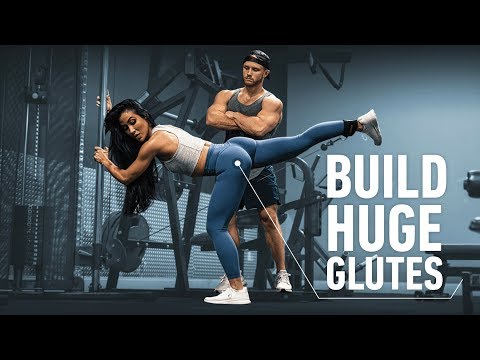
Glute Kickback Machine Overview
The glute kickback machine is a machine that works your glutes. The glutes are your butt muscles. It also works your hamstrings. The hamstrings are the muscles on the back of your thighs. You rest your chest on a pad. You push one leg back against the weight. The glute kickback machine is great for beginners. It helps you build round, strong glutes. It works one leg at a time. This helps fix a weak side. It fits well on leg day or glute day. It is easy to learn and safe to use.
What Is The Point of the Glute Kickback Machine?
The glute kickback machine builds strong, defined glutes through controlled hip extension. It targets your glute muscles directly for better shape and power.
How To Do The Glute Kickback Machine
- Set the pad height so it lands right at hip level and select a moderate weight to start. If the pad sits too high or low, the machine fights your natural hip path and you lose the clean line of pull through the glute.
- Step in and plant your chest against the front pad, then place one foot flat on the footplate. Grip the handles and let them hold your torso still so your leg can do all the work.
- Set your standing leg with a soft knee and square hips. Draw your belly button in and brace your core so your lower back stays quiet and does not arch to help the movement.
- Take a breath and start the rep by pushing the footplate back and up using the working glute, not by throwing your whole body. Think about driving the heel toward the ceiling.
- Extend the hip until your thigh lines up with your torso, roughly a straight line from shoulder to knee. Do not force it past that point by cranking your lower back.
- Squeeze the glute hard at the top and hold for a full second. This peak contraction is where most of the muscle-building tension lives, so do not rush through it.
- Lower the leg back down slowly under control, taking about two to three seconds. Resist the weight the whole way instead of letting it drop and yank your hip.
- Stop just before the weight stack rests so tension stays on the glute, then begin the next rep. Keep your core braced and your torso still the entire set.
- Finish all your reps on one leg, then switch feet and repeat. Most people build the glutes well here in the 10 to 15 rep range for 3 to 4 sets.
Glute Kickback Machine Form Tips
- Keep your chest firm against the pad the whole time.
- Move only at your hip. Keep your knee mostly still.
- Squeeze your glute hard at the top of each rep.
- Do not arch your lower back to push higher.
- Move slowly both ways. No fast kicks.
- Breathe out as you push back. Breathe in as you return.
- Keep your core a little tight. This holds you steady.
- Push with your heel, not your toes.
- Keep your neck in line with your back. Look down, not up.
Common Mistakes to Avoid for the Glute Kickback Machine
- Arching your lower back to gain range. When the glute runs out of strength, people crank the spine to push the leg higher, which loads the lower back instead of the target muscle. Stop the leg when it lines up with your torso and keep your core braced so the hip does the moving, not the spine.
- Using too much weight and swinging the whole body. Ego loading turns a clean glute kickback into a full-body heave where momentum does the lifting. Drop the weight to a load you can push slowly and pause at the top, and you will feel the glute far more even though the number is smaller.
- Rushing the negative and letting the stack drop. If you drop the leg fast, you throw away the eccentric, which is one of the best parts of the rep for building muscle. Lower over two to three seconds and stay in control right up to the bottom.
- Skipping the squeeze at the top. Bouncing straight from lift to lower means you miss the peak contraction where the glute works hardest. Hold the top position for a full second and actively flex the cheek before you come down.
- Letting the standing leg do the work. Some lifters bend and drive through the planted leg to help push, which robs the working glute. Keep the standing knee soft and still, and make the moving leg earn every inch.
- Setting the pad at the wrong height. A pad that sits above or below your hip changes the angle of pull and can pinch the hip or nag the back. Adjust it so it meets you right at hip level before your first rep.
- Turning it into a lower back extension. Leaning your chest off the pad and lifting with your torso shifts the load onto your spinal erectors. Stay pinned to the pad and let only the hip joint open and close.
- Not controlling hip rotation. Letting the working hip roll open flares the leg out to the side and takes the glute off tension. Keep your hips square to the pad so the drive stays straight back and up.
- Going too shallow. Cutting the range short and barely moving the leg only trains a tiny slice of the motion. Push to full hip extension on every rep so the glute works through its whole shortened range.
- Holding your breath and losing the brace. If you forget to breathe and brace, your midsection goes soft and your back takes over. Breathe out as you push back and keep your core tight so the trunk stays stable.
- Chasing weight before you own the movement. Adding plates before you can feel the glute working just teaches your body to cheat. Master the mind-muscle connection at a light load first, then add resistance slowly over the weeks.
Glute Kickback Machine Workout Tips
- Start every set by finding the glute before you add speed. Do a few slow reps where you consciously squeeze the working cheek, and that mind-muscle connection will carry into your heavier sets.
- Hold the top contraction for a full second on every rep. That deliberate pause is where the glute is fully shortened and working hardest, and it builds more shape than blowing through the reps.
- Use a controlled two to three second lowering phase. Owning the eccentric keeps tension on the glute far longer than dropping the weight, and it is a proven driver of muscle growth.
- Keep your hips square to the pad the whole set. If the hip rolls open the load slides off the glute, so lock the pelvis in place and drive straight back and up.
- Program this as a finisher after your big compound work. Squats and hip thrusts build the base, then the kickback machine lets you isolate and burn out the glute with less fatigue on your spine.
- Train it in the 10 to 15 rep range for most of your sets. The glute responds well to that moderate-to-higher rep zone, and the joint-friendly setup lets you push close to failure safely.
- Do your weaker side first and match the reps on the strong side. Almost everyone has a dominant glute that quietly takes over, and letting the weak side set the count evens things out over time.
- Add weight in small steps once your form is dialed in. Progressive overload is what grows muscle, but only add a plate when you can still pause and control every rep.
- Try a drop set on your last set for extra stimulus. Run to near failure, cut the pin down a couple of plates, and squeeze out more reps while the glute is already lit up.
- Keep your standing knee soft and stop it from bouncing. A quiet, stable base leg means the working glute has to produce all the force, which is the whole point of the machine.
- Point the drive up as much as back near the top. Aiming the heel slightly toward the ceiling at lockout hits the upper glute a little harder and adds to that rounded look.
- Do not let the stack touch down between reps. Keeping a sliver of range at the bottom keeps constant tension on the muscle and makes each set more effective.
- Brace your core and breathe out on the push. A tight midsection protects your lower back and gives the hip a stable platform to work against.
- Film a set from the side now and then. A quick phone video shows whether you are extending the hip cleanly or sneaking in a back arch, which is hard to feel in the moment.
- Pair it with a stretch-focused move like a Romanian deadlift. Working the glute both stretched and shortened across your week gives you fuller, more complete development.
- Be patient and stay consistent. Glute development is slow for most people, so months of steady work with good tension beats chasing big numbers for a couple of weeks.








Questions & Comments
Be the first to ask a question about this exercise.