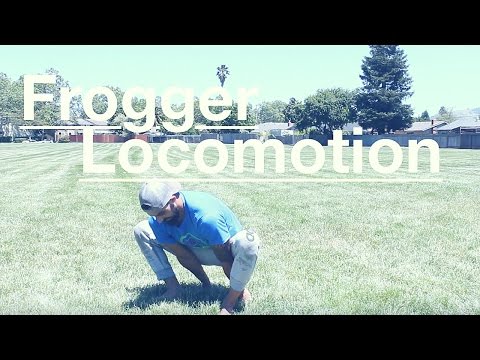
Frog Squat Overview
The frog squat is a bodyweight move. It builds your quads, the big muscles on the front of your thighs. It also works your glutes and your adductors. The glutes are your butt muscles. The adductors are the inner thigh muscles. You use a wide stance with your toes turned out. You need no gear for this move. You just need your body and some floor space. The frog squat is great for beginners. It teaches you to squat deep and stay tall. The wide stance opens your hips. It helps your knees track over your toes. You can do the frog squat at home. It fits well in a warm-up or a leg workout. It is a good way to learn good squat form.
What Is The Point of the Frog Squat?
The frog squat exercise builds quad strength while stretching your inner thighs and improving hip mobility. It's perfect for better squat depth and leg power.
How To Do The Frog Squat
- Stand with your feet wider than shoulder width and turn your toes out to about 45 degrees. This wide, turned-out stance is what makes it a frog squat, and it opens the hips so you can sink deep without your lower back rounding.
- Set your posture before you move. Lift your chest, pull your shoulders back, and brace your core like you are about to take a light punch to the stomach. This keeps your spine long as you drop.
- Take a breath into your belly and begin the descent by pushing your hips back and down at the same time. Think about spreading the floor apart with your feet to lock your knees out over your toes.
- Lower under control for about 2 seconds until your thighs are at least parallel to the floor. If your mobility allows, sink a touch below parallel while keeping your heels flat and your chest up.
- At the bottom, feel the stretch through your quads and inner thighs and keep your knees tracking in line with your toes. Do not let them cave inward.
- Drive up by pushing hard through your heels and midfoot, breathing out through the toughest part of the rep. Keep your chest tall so your hips and shoulders rise together.
- Stand fully upright and squeeze your quads and glutes at the top, but do not lock your knees hard or lean back. That is one clean rep.
- Reset your brace and repeat for a smooth, controlled set. Most people build the frog squat best in the 12 to 20 rep range since it is a bodyweight move and thrives on volume.
Frog Squat Form Tips
- Keep your chest up the whole time. Do not let your back round.
- Push your knees out over your toes. This keeps your knees safe.
- Sit deep. Aim for thighs parallel or lower.
- Push through your heels, not your toes. This uses your quads and glutes.
- Keep your belly a little tight. This holds your body steady.
- Move down slowly. Take about 2 seconds to lower.
- Keep your feet flat on the floor. Do not let your heels lift.
- Breathe in on the way down. Breathe out as you stand up.
- Keep your weight even across both feet.
Common Mistakes to Avoid for the Frog Squat
- Letting the knees cave inward on the way up. When your knees collapse toward each other you dump the load off the quads and onto the inner knee, which feels weak and beats up the joint over time. Actively push your knees out toward your pinky toes and imagine screwing your feet into the floor.
- Rounding the lower back at the bottom. As you sink into the deep frog position, a rounded spine turns a leg exercise into a back risk and kills your power out of the hole. Keep your chest lifted and your core braced so your pelvis stays neutral all the way down.
- Cutting the depth short. Stopping at a half squat only trains the top of the range and skips the deep stretch that makes this movement worth doing. Sink to at least parallel every rep, and go slightly below if your hips and ankles allow it.
- Rising up onto the toes. When your heels lift you lose your base and shift the work onto your knees instead of your big leg muscles. Keep your whole foot planted and drive up through your heels and midfoot to stay balanced.
- Setting the stance too narrow. A shoulder-width stance closes the hips and turns this into a regular squat, defeating the purpose. Widen your feet and turn the toes out so you can open the hips and reach real depth.
- Dropping fast and bouncing out of the bottom. Crashing down uses momentum instead of muscle and can strain the knees at the deepest point. Lower for about 2 seconds and stay in control so your quads do the work, not the tendons.
- Leaning the chest too far forward. Folding at the hips shifts load to the lower back and makes it a good-morning instead of a squat. Keep your torso as upright as your mobility allows and let your hips drop straight down between your feet.
- Holding your breath for the whole set. On higher-rep bodyweight sets, forgetting to breathe leaves you dizzy and weak halfway through. Breathe in on the way down and out as you drive up so you stay braced but oxygenated.
- Rushing through reps for a number. Because there is no external weight, people speed up and lose all tension. Slow it down, control every rep, and treat each one like it counts to actually feel the quads working.
- Ignoring ankle and hip mobility limits. If your heels pop up or your back rounds no matter what, you may be forcing depth your joints are not ready for. Work on ankle and hip mobility, or place a small plate under your heels to reach depth safely.
- Locking the knees hard at the top. Snapping into a locked-out position at the top jars the joint and takes tension off the muscle. Stand tall and squeeze your quads, but keep the smallest bend in the knees to protect them.
Frog Squat Workout Tips
- Spread the floor with your feet the whole set. Pretending you are tearing a sheet of paper apart under your feet fires the glutes and locks your knees out over your toes, which is the fastest fix for knees that cave in.
- Chase the mind-muscle connection with your quads. Think about the front of your thighs stretching at the bottom and squeezing at the top, since feeling the target muscle work is one of the most reliable ways to grow it.
- Use a slow, controlled eccentric. A 2 to 3 second descent keeps constant tension on the legs and builds far more than dropping and bouncing, which is a free way to make bodyweight harder.
- Add a pause at the bottom for a few sets. Holding the deep position for one to two seconds kills momentum and forces your quads to start every rep from a dead stop.
- Because this is bodyweight, live in higher rep ranges. Sets of 15 to 25 with short rest build real burn and endurance in the legs where a low-rep scheme would feel too easy.
- Place a small plate or wedge under your heels if your ankles are tight. This lets you sit deeper and stay upright without your heels lifting, so you can train full range while your mobility catches up.
- Program frog squats as a finisher or warm-up. They pair well after heavy barbell work to chase a pump, or early in a session to open the hips before you load up.
- Progress by slowing the tempo or adding reps before adding load. Once bodyweight feels easy, a slow 4 second lower or a longer pause raises the challenge without needing any equipment.
- When bodyweight is too light, hold a dumbbell or plate at your chest. This goblet-style loading keeps you upright and lets you keep driving progressive overload as you get stronger.
- Keep your knees tracking over your toes, not past your pinky and not caving in. Good tracking spreads the load across the joint and is your best insurance against knee pain.
- Film a set from the front and side. Video shows knee cave and depth far better than how the set feels in the moment, and it is the quickest way to clean up your form.
- Breathe with the rep, not against it. Big breath in at the top, brace, then exhale as you power up, so you stay tight without gassing out on long sets.
- Try a 1.5 rep variation to torch the quads. Go all the way down, come halfway up, drop back to the bottom, then stand fully, and count that as one brutal rep.
- Keep your heels glued down as your non-negotiable. The moment they lift, the exercise leaks onto your knees, so stop the set or reset rather than grinding out sloppy reps.
- Do not train to failure every set. Leaving a couple of reps in the tank on most sets keeps your form crisp and lets you recover for the next leg session.
- Be patient and consistent. Bodyweight leg work builds slowly but steadily, so showing up and adding a little each week is what actually moves the needle over months.








Questions & Comments
Be the first to ask a question about this exercise.