Chest Fly Machine Overview
The chest fly machine is a chest move on a seated machine. You push two handles together in front of your chest. It works your chest, the big muscles on the front of your torso. It also works your shoulders a little. You need a chest fly machine. You sit with your back against a pad and your feet flat. The chest fly machine is great for beginners. It is easy to set up and easy to control. The machine keeps the move steady and safe. It gives your chest a good stretch and squeeze. Use it on a push day or a chest day. Do it after your press moves. The chest fly machine helps you feel your chest work with no balance worry.
What Is The Point of the Chest Fly Machine?
The chest fly machine exercise builds bigger pecs and adds width to your chest. It isolates your chest muscles better than compound moves like bench press.
How To Do The Chest Fly Machine
- Adjust the seat height so that when you grip the handles, your arms are roughly level with your mid chest. Sit down with your back flat against the pad and your feet planted firmly on the floor. Get set before you start.
- Grab the handles with a neutral grip and bring your arms out to about shoulder height. Set your shoulder blades by pulling them back and down against the pad. This protects your shoulders and isolates your chest.
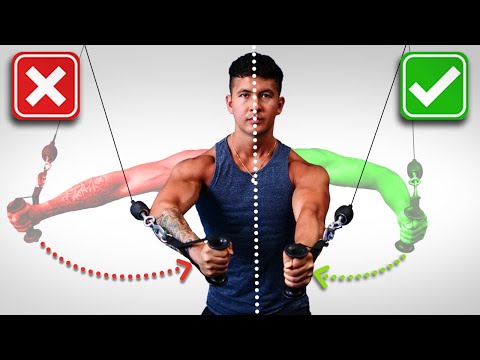
- Keep a slight bend in your elbows and hold that bend fixed throughout the movement. This is the key to the fly, since the motion should come from your shoulders, not from bending and straightening your arms.
- Take a breath and brace your core. Begin by squeezing your chest to bring the handles together in a smooth arc in front of your body.
- Bring the handles together until they meet or nearly touch in front of your chest. Focus on squeezing your pecs to drive the movement rather than pushing with your arms.
- Squeeze your chest hard at the point where the handles meet and hold the peak contraction for about one second. This is where the chest works hardest, so make it count.
- Let the handles travel back out slowly and under control, feeling a stretch across your chest as your arms open. Aim for a 2 to 3 second return and stop before your shoulders round forward.
- Feel the stretch at the end of the range, then squeeze the handles back together for the next rep. Because this is an isolation move, it works best in the 10 to 15 rep range for 3 to 4 sets.
Chest Fly Machine Form Tips
- Sit with your back flat against the pad. Keep your feet planted.
- Keep a slight bend in your elbows the whole time. Do not straighten or bend more.
- Move in a smooth arc. Do not jerk the handles.
- Squeeze your chest to bring the handles together. Think chest, not arms.
- Squeeze hard when the handles meet in front.
- Let the handles move back out slowly. Feel the stretch.
- Do not let the handles pull your arms too far back. Keep a safe stretch.
- Keep your shoulders down and back. Do not shrug them up.
- Breathe out as you squeeze. Breathe in as you open.
Common Mistakes to Avoid for the Chest Fly Machine
- Using too much weight and turning it into a press. Overloading forces you to bend your arms and push, which turns the fly into a press and takes the chest out of it. Pick a weight you can move with a fixed elbow bend and a smooth arc.
- Changing your elbow angle during the rep. Bending and straightening your arms means you are pressing, not flying. Set a slight bend in your elbows and hold it fixed so the motion comes from your shoulders and chest.
- Letting your shoulders round forward at the stretch. Opening too far and letting the shoulders collapse strains the joint. Keep your shoulder blades set back and stop the stretch before your shoulders roll forward.
- Rushing the reps with no control. Slamming the handles together and letting them snap back uses momentum instead of your chest. Control both the squeeze and the return so the muscle does the work.
- Skipping the squeeze at the top. Blowing through the point where the handles meet leaves the peak contraction on the table. Squeeze your chest hard for a beat when the handles come together.
- Not going through a full range of motion. Half reps that never fully open or fully close limit your chest development. Let your arms open to a good stretch and bring the handles fully together each rep.
- Rushing the return phase. Letting the handles fly back fast wastes the eccentric, a prime muscle-building part of the rep. Control a 2 to 3 second return so your chest works on the way back.
- Setting the seat at the wrong height. If the handles are too high or too low, the movement targets your shoulders instead of your chest. Adjust the seat so your arms are level with your mid chest.
- Lifting your back off the pad to heave the handles. Arching off the pad uses your body instead of your chest. Keep your back flat against the pad throughout the set.
- Shrugging your shoulders up toward your ears. Letting your shoulders creep up jams the joint and takes the chest out of it. Keep your shoulders pulled down and back the whole time.
- Holding your breath through the whole set. A loose core makes you less stable against the pad. Brace before each rep and breathe in a steady rhythm.
Chest Fly Machine Workout Tips
- Focus on squeezing your chest to drive each rep. The mind-muscle connection is everything on the fly, so think about your pecs bringing the handles together rather than pushing with your arms.
- Keep a fixed slight bend in your elbows throughout. This turns the movement into a true fly that isolates the chest instead of a press that shares the load with your triceps.
- Squeeze hard at the point where the handles meet. Holding that peak contraction for a beat is where the chest works hardest, so make it count on every rep.
- Control the return over 2 to 3 seconds. A slow eccentric keeps the chest under tension longer and builds more muscle than letting the handles snap back.
- Get a good stretch at the end of the range. Letting your arms open until you feel the chest stretch loads the muscle in its lengthened position for more growth.
- Use the chest fly machine to isolate your chest safely. The fixed path and back support make it a great way to focus on the pecs without balancing free weights.
- Do 10 to 15 reps for 3 to 4 sets. Isolation moves like the fly respond well to moderate to higher reps with a strong squeeze on each rep.
- Program the fly after your pressing work. Use it as a chest finisher to fully fatigue the pecs once your heavy presses are done.
- Set the seat so the handles line up with your mid chest. Correct seat height keeps the tension on the chest rather than shifting it to your shoulders.
- Add weight gradually as the reps get easy. Progressive overload in small steps keeps your chest challenged even on an isolation move.
- Keep your shoulder blades set back and down. This protects the shoulder joint and keeps the load on the chest throughout the movement.
- Try a one to two second pause at the peak contraction. Holding the squeeze where the handles meet forces the chest to work at its most contracted position.
- Do not chase heavy weight at the cost of form. The fly rewards a controlled arc and a hard squeeze, so a moderate load you can control beats a heavy one you heave.
- Pair the fly with presses for complete chest development. The fly builds the stretch and squeeze while presses build the pushing strength.
- Keep your back flat against the pad throughout. Staying anchored ensures your chest does the work rather than your body swinging.
- Be consistent and patient. A full, strong chest comes from steady, focused work over months, so keep the reps clean and the squeeze hard.








Questions & Comments
Be the first to ask a question about this exercise.