Calf Raise Machine Overview
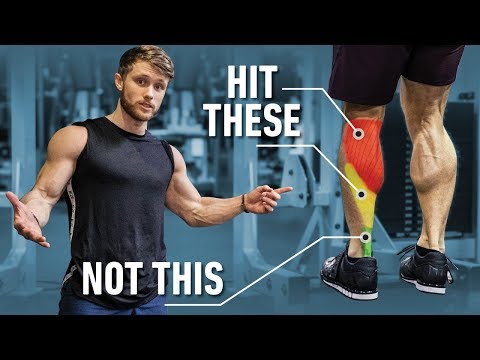
The calf raise machine is a lower-leg machine. It works your calves. Your calves are the muscles on the back of your lower legs. You stand on a platform with the balls of your feet. Your heels hang off the edge. Shoulder pads rest on your shoulders and add load. Then you push up onto your toes and lower back down. The calf raise machine is simple and safe for beginners. It lets you load your calves heavy without holding weights. Strong calves help you run, jump, and walk. They also make your lower legs look full. Use this machine on a leg day. Move slow and use a full range to get the most out of it.
What Is The Point of the Calf Raise Machine?
The calf raise machine exercise builds strong, defined calves. It targets your calf muscles safely with controlled weight resistance.
How To Do The Calf Raise Machine
- Step onto the machine platform and place the balls of your feet on the edge with your heels hanging off. Position your feet about hip-width apart and pointing straight ahead.
- Settle the shoulder pads onto your shoulders and stand up to take the weight. Stand tall with a very slight bend in your knees that you keep fixed for the whole set.
- Brace your core and keep your torso upright so the movement stays in your ankles and calves. Avoid bending or straightening your knees to help.
- Let your heels sink down slowly below the platform until you feel a deep stretch in your calves. This bottom stretch is a key part of the movement, so do not rush past it.
- Pause for a moment in that stretched position rather than bouncing. Feel the calves loaded at the bottom before you reverse.
- Push through the balls of your feet and drive your heels up as high as you can. Rise all the way onto your toes at the top.
- Squeeze your calves hard at the top for a brief count. The peak contraction is where the calves get a lot of their work, so make it deliberate.
- Lower your heels back down slowly under control, taking about 2 to 3 seconds. Resist the weight the whole way rather than dropping.
- Move through a full range on every rep, from deep stretch to high squeeze. Calves respond to volume, so aim for 12 to 20 controlled reps per set.
Calf Raise Machine Form Tips
- Put the balls of your feet on the edge. Let your heels hang free.
- Keep a slight bend in your knees. Do not lock them straight.
- Lower your heels fully at the bottom. Feel the deep stretch.
- Push up as high as you can. Rise onto your big toes.
- Squeeze your calves hard at the top. Hold for a beat.
- Move slow both ways. Do not bounce at the bottom.
- Keep your body tall and still. Only your ankles should move.
- Breathe out as you push up. Breathe in as you lower.
- Keep your feet pointing forward. Stay balanced on the platform.
Common Mistakes to Avoid for the Calf Raise Machine
- Bouncing at the bottom of the stretch. Using a springy bounce out of the deep stretch lets your tendons do the work instead of your calves and can strain the Achilles. Lower under control, pause, and drive up with muscle.
- Cutting the range of motion short. Doing tiny partial reps that never fully stretch or fully rise barely trains the calf. Sink into a deep stretch and rise all the way onto your toes on every rep.
- Bending your knees to help lift the weight. Turning it into a partial squat by pumping your knees takes the load off your calves. Keep a fixed slight knee bend and move only at your ankles.
- Going too heavy and shortening the range. Ego weight forces you into short, bouncy reps that skip the stretch and squeeze. Use a load you can move through the full range with a controlled tempo.
- Rushing the reps. Fast, choppy calf raises minimize time under tension, which the stubborn calves need to grow. Slow down, especially on the way down, and control every rep.
- Skipping the squeeze at the top. Barely rising onto your toes and dropping back down misses the peak contraction. Drive up as high as you can and hold the squeeze for a beat.
- Dropping the heels fast instead of controlling them. Letting the weight yank your heels down wastes the eccentric and jolts the ankle. Lower slowly over 2 to 3 seconds and fight the weight.
- Letting your ankles roll outward. Rolling onto the outer edges of your feet under load stresses the ankle joint. Push evenly through the balls of your feet and keep your ankles tracking straight.
- Rounding forward under the pads. Letting your torso slump changes the load path and can bother your back. Stand tall and keep your core braced throughout.
- Only doing a few reps like a heavy lift. Treating calves like a low-rep strength move undertrains them, since they handle your bodyweight all day. Push the reps higher, often into the teens, for a real stimulus.
- Never varying foot position. Always pointing your toes the same way trains only part of the calf. Rotate through toes-straight, toes-in, and toes-out over time to hit the whole muscle.
Calf Raise Machine Workout Tips
- Chase a deep stretch at the bottom. Letting your heels drop well below the platform loads the calves in a lengthened position, which is a powerful driver of growth.
- Use a slow 2 to 3 second lowering. Controlling the descent keeps the calves under tension and builds far more than bouncing through reps.
- Squeeze hard at the top of every rep. Rising all the way onto your toes and pausing there gives you the peak contraction that calves respond to.
- Pause at the bottom to kill the bounce. A brief hold in the stretch forces your calves to start each rep cold instead of springing off your tendons.
- Train calves in higher rep ranges. Because they handle your bodyweight constantly, 12 to 20 reps per set usually beats heavy low-rep work.
- Vary your foot angle across sessions. Pointing your toes straight, in, and out shifts the emphasis around the calf and helps you build the whole muscle.
- Program calf work at the end of leg or push day. They are a small muscle that does not interfere with your big lifts, so they finish a session well.
- Add weight slowly as you get strong. Progressive overload builds calves too, so nudge the stack up while keeping the full stretch and squeeze.
- Do not rush your calf sets. These muscles are stubborn, so slow, deliberate reps with a full range beat quick bouncy ones every time.
- Keep a slight fixed bend in your knees. This keeps the work in your calves and stops the movement from turning into a mini squat.
- Feel the stretch and the squeeze on every rep. Chasing that full range with a strong mind-muscle connection is how you finally move stubborn calves.
- Push your calf sets close to failure. Calves take a lot of stimulus to grow, so a real burn and a few tough reps at the end pay off.
- Keep your ankles tracking straight. Pushing evenly through the balls of your feet protects the joint and keeps the load on the muscle.
- Add extra sets and frequency if your calves lag. Hitting them two or three times a week is often what it takes to see them grow.
- Warm up your ankles first. A few light bodyweight raises prep the joint and tendon before you load the deep stretch.
- Be patient and consistent. Calf size is heavily influenced by genetics, but steady high-quality volume over months moves them for almost everyone.








Questions & Comments
Be the first to ask a question about this exercise.