Squat to Stand W T Spine Rotation Overview
The squat to stand w t spine rotation is a bodyweight warm-up. It works your quads and opens your upper back. The quads are the muscles on the front of your thighs. Your glutes, mid back, and hip flexors join in. The hip flexors are the muscles at the front of your hips. You need no equipment. You just need your body and floor space. This move warms up your hips, legs, and upper back at once. It gets your body ready to move well. It helps you squat deeper and stand taller. It is easy and safe for beginners. Do it before a workout as a warm-up. A few slow reps will loosen you up.
What Is The Point of the Squat to Stand W T Spine Rotation?
The squat to stand w t spine rotation exercise builds leg strength while adding a twist that works your back muscles. It's a great warm-up move that gets your whole body moving.
How To Do The Squat to Stand W T Spine Rotation
- Stand with your feet about shoulder width apart and your toes turned slightly out. This is a mobility drill, so move slowly and use it to open up your hips, ankles, and upper back before harder training.
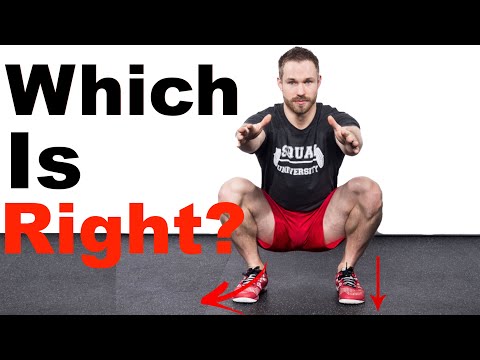
- Squat down by pushing your hips back and bending your knees, keeping your chest up and your heels flat. Sink as low as your hips and ankles allow while staying comfortable and controlled.
- At the bottom, let your torso settle between your thighs and feel the stretch through your hips and ankles. Keep your spine long rather than rounding over.
- Extend your arms out to your sides as you begin to stand, keeping your chest tall. This sets you up to add the upper back rotation from a stable position.
- From the top or from a comfortable squat depth, reach one arm up toward the ceiling and rotate your torso open to follow your hand, keeping your hips facing forward. Let your eyes track your moving hand to help the twist.
- Rotate to center, then open to the other side, moving smoothly and only as far as feels good. The goal is to rotate through your mid back, the T spine, not to crank your lower back.
- Return your arm and torso to center, then squat back down to flow into the next rep. Coordinate your breathing, exhaling as you reach and rotate to help the range open up.
- Move through the full sequence of squat, stand, and rotate for smooth, controlled reps. Because this is a warm-up and mobility drill, work in the 8 to 12 rep range for 2 to 3 rounds, taking your time on each rotation.
Squat to Stand W T Spine Rotation Form Tips
- Push your hips back as you squat. Keep your chest up.
- Keep your feet flat on the floor. Do not lift your heels.
- Stand up smooth. Reach your arms wide at the top.
- Turn only your upper back. Keep your hips facing forward.
- Rotate slow and easy. Do not force the twist.
- Keep your knees in line with your toes.
- Move at a slow, steady pace. This is a warm-up.
- Breathe out as you stand and rotate.
- Keep your core a little tight for control.
Common Mistakes to Avoid for the Squat to Stand W T Spine Rotation
- Rushing through the reps like a workout set. This is a mobility drill, so speeding through it skips the whole benefit of slowly opening the joints. Move deliberately and let each squat and rotation reach its full comfortable range.
- Rotating from your lower back instead of your mid back. Cranking the twist from your lumbar spine can irritate it and misses the target, which is the thoracic or mid back. Keep your hips facing forward and rotate through your upper back.
- Rounding your spine at the bottom of the squat. Letting your back hunch over in the hole reduces the hip and ankle stretch and stresses your spine. Keep your chest up and your spine long as you sink down.
- Letting your heels lift off the floor. When your heels come up you lose the ankle stretch this drill is meant to build. Keep your heels planted, and if your ankles are tight, only squat as deep as you can with heels down.
- Forcing the rotation past what feels good. Yanking your torso around to hit more range can strain the muscles you are trying to loosen. Rotate to a comfortable end point and let the range improve gradually over sessions.
- Holding your breath through the movement. Bracing and holding your breath makes you stiff and works against a mobility drill. Breathe smoothly and exhale as you reach and rotate to help the tissues relax.
- Letting your hips twist with your torso. If your hips turn along with your shoulders you lose the separation that trains the mid back. Keep your pelvis square and steady while only your upper back rotates.
- Squatting with a stance that is too narrow. A cramped stance limits your depth and makes it harder to settle into the hips. Set your feet about shoulder width with toes slightly out so you can sink comfortably.
- Treating it as an afterthought and skipping it. Blowing past your warm-up leaves you stiff and less prepared for heavy lifting. Give this drill honest attention before squats or any lower body work.
- Not tracking your hand with your eyes. Keeping your gaze fixed forward limits how far your upper back will rotate. Let your eyes follow your reaching hand to encourage a fuller, safer twist.
- Collapsing your chest as you rotate. Letting your chest cave during the reach shortens the rotation and rounds the back. Stay tall and open through the chest so the mid back can turn freely.
Squat to Stand W T Spine Rotation Workout Tips
- Use this as a warm-up before lower body training. It opens the hips, ankles, and mid back in one flow, priming you for squats, deadlifts, and pressing.
- Move slowly and with control. Mobility comes from deliberate reps that let the joints settle into range, so resist the urge to rush.
- Rotate through your mid back, keeping hips square. Separating upper back rotation from a stable pelvis is exactly the movement quality that keeps your spine healthy.
- Breathe out as you reach and rotate. A relaxed exhale helps the tissues let go so you can open up a little further each rep.
- Only push into a comfortable range. Mobility improves gradually, so respecting your current end range and returning often beats forcing a big stretch once.
- Keep your heels flat to train ankle mobility. Staying grounded through the heels builds the ankle range that lets you squat deeper over time.
- Let your eyes follow your hand. Tracking your moving hand naturally increases how far your upper back will rotate and keeps the movement smooth.
- Work in the 8 to 12 rep range for 2 to 3 rounds. This is about grooving movement, not fatigue, so keep the volume moderate and the quality high.
- Do this on both sides evenly. Rotating the same number of reps each way keeps your mobility balanced left and right.
- Use it as a daily movement snack too. Because it needs no equipment, you can do a set anytime to stay loose, not just before training.
- Sink as deep as your hips comfortably allow. Reaching a fuller squat over weeks improves the bottom position of every squat variation you do.
- Keep your chest tall throughout. An upright chest lets your spine stay long and your mid back rotate freely on each rep.
- Progress by adding depth or range slowly. Patient practice opens the hips and thoracic spine far more reliably than aggressive cranking.
- Pair it with other mobility drills. Adding hip openers and ankle work rounds out a warm-up that leaves you ready to lift well.
- Film yourself occasionally to check hip stillness. A quick video shows whether your hips are staying square while your upper back does the rotating.
- Be consistent for lasting gains. Mobility responds to frequent, gentle practice, so a little of this often beats a rare long session.








Questions & Comments
Be the first to ask a question about this exercise.